Covalent Bonding
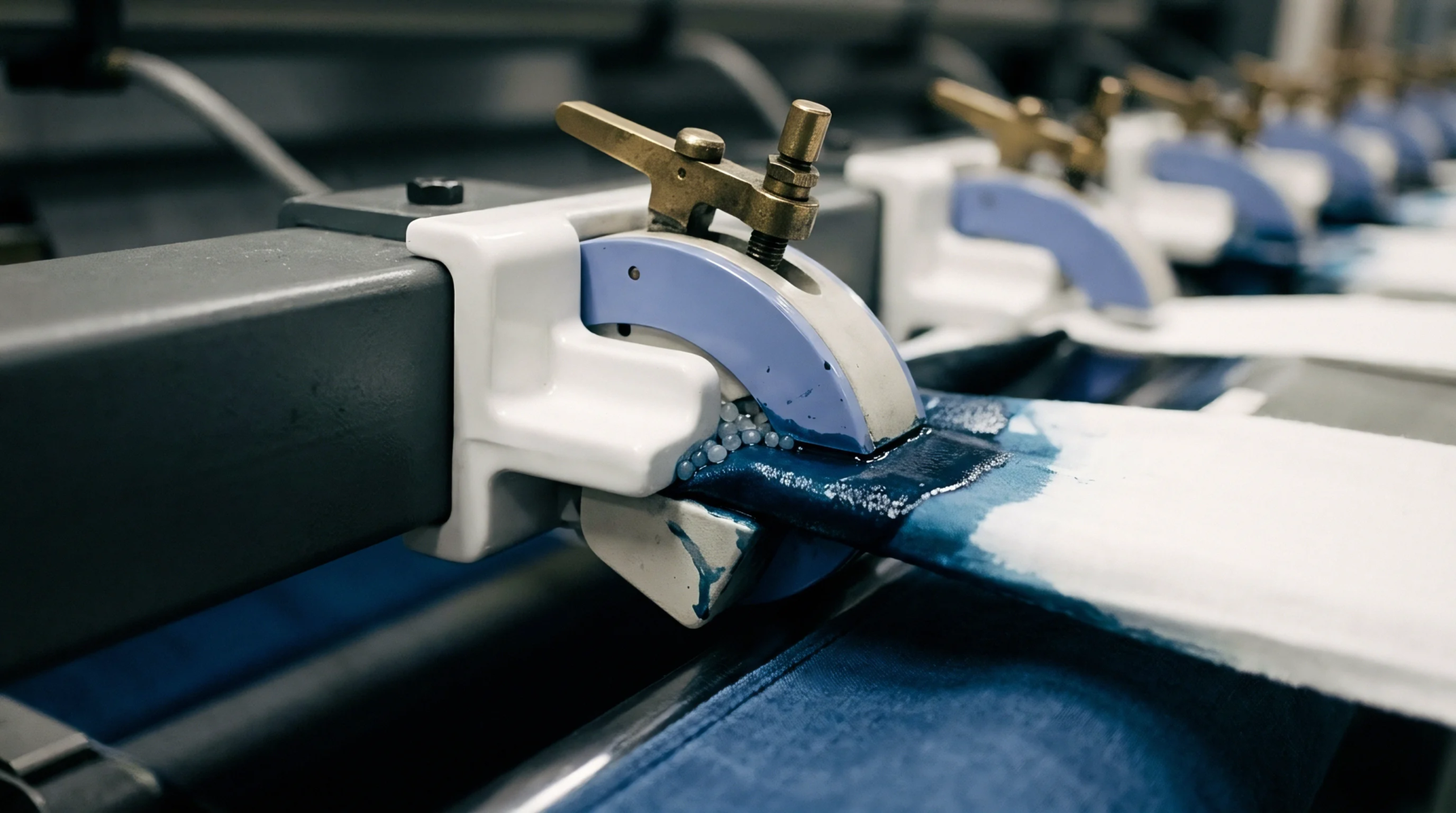
Alkaline chemical reaction steps within reactive dyeing procedures lock dye molecules onto hydroxyl groups of cotton or regenerated cellulose fibers. During exhausted or continuous dyeing, cellulosic fixation occurs when alkali raises bath pH to induce nucleophilic substitution or addition between dye reactive groups and cellulosate anions. Hydroxyl sites on the cellulose polymer form permanent ether or ester linkages with the dyestuff.
The process boundary excludes non-cellulosic fiber blends that lack accessible hydroxyl groups.
Alkaline Hydrolysis
Sodium carbonate or sodium hydroxide additions convert cellulose hydroxyl groups into reactive cellulosate ions while simultaneously driving competing dye hydrolysis. Fixation temperature and pH dictates the ratio of fixed dye to hydrolyzed waste dye. Excessive alkalinity promotes secondary hydrolysis, converting active dye into an unreactive form that cannot bind to the fiber substrate.
Precise temperature control between sixty and eighty degrees Celsius optimizes covalent bond formation while restricting dye waste.
Reaction Kinetics
Diffusion rates into the secondary wall of the cotton fiber determine the final bond density. Longer dwelling times at fixation temperature ensure complete penetration before unfixed dye is washed out.
Washfastness Limit
Covalent linkage strength governs wet fastness properties during hot laundering and wet rubbing tests. Unbound reactive dye residue degrades fastness ratings if soaping off is incomplete.