Hierarchical Dirichlet Process Mixture Modeling for Multi Batch Volatilization Variance and Dynamic Structural Degasification
Hierarchical Dirichlet Process models cluster dyehouse outgassing variance to isolate volatile chemical non-compliance before shipment release.

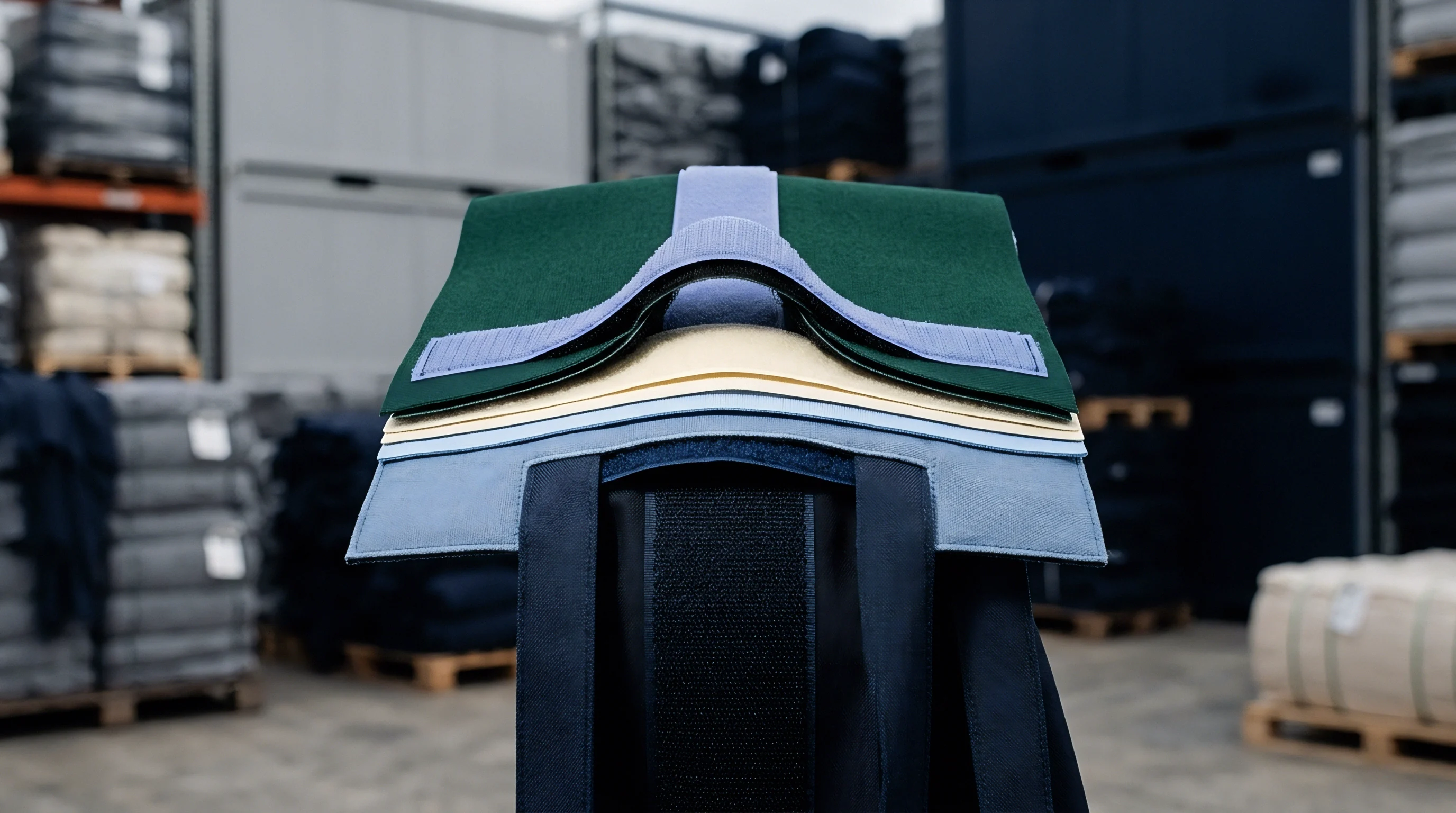
Vent

Volatilization Dynamics in Industrial Fabric Finishing
When wet-processed textiles dry, low-molecular-weight organic compounds escape into the mill air and exhaust streams. As synthetic or natural fibers pass through high-temperature stenter frames, residual solvents, monomer remnants, and unbound softeners quickly shift from liquid inside the yarn’s capillary network into vapor. Substrate geometry complicates these fluid paths.
Woven fabrics trap volatile molecules in tight float intersections, whereas knitted structures feature open loops that alter convective gas transport across the boundary layer. Evaporation rates ultimately depend on chamber temperature profiles, air velocity, and the chemical vapor pressures of the individual species on the wet web.
Evaluating finishing lines operating in the Yangtze River delta shows how volatile organic compounds migrate during drying. Chemical auxiliaries applied during wet processing include residual synthetic monomers, emulsifying surfactant residues, carrying solvents like N-methyl-2-pyrrolidone, dimethylformamide, and cyclic methylsiloxanes derived from softening emulsions. As thermal energy transfers from heated air streams to the damp fabric web, moisture evaporates first, driving water-soluble and low-boiling volatile compounds toward the outer yarn faces through capillary action.
Higher-boiling species remain trapped inside the core polymer matrix until fabric temperatures approach their boiling points or thermal degradation thresholds. This differential mass transfer produces significant batch-to-batch variation in total residual volatile content across large production runs.
Industrial stenter frames run continuously at speeds between twenty and eighty meters per minute, exposing fabric to temperatures from one hundred twenty to one hundred ninety degrees Celsius for thirty seconds to three minutes. Line speed directly dictates thermal dwell time, establishing a steep temperature gradient between outer fiber surfaces and dense yarn cores. When mills speed up tentering ranges to boost throughput, internal fiber temperatures fail to reach equilibrium, leaving trapped volatile organic compounds inside the structural matrix of dense cotton or synthetic filaments.
Incoming grey goods bring their own chemical complexities. Subcontracted weaving and knitting units apply lubricants, spinning oils, and sizing agents containing volatile paraffin hydrocarbons, phthalate plasticizers, and chlorinated aromatic carriers. Although scouring thermally desorbs part of these incoming residues, fractions remain.
When subsequent dyeing and finishing steps add secondary chemicals like water repellents or flame retardants, the cumulative volatile load forms complex multi-component mixtures within the finished textile batch.
A 100% combed cotton jersey finished with silicone softener releases 42 milligrams of decamethylcyclopentasiloxane per kilogram of fabric when subjected to 150 degrees Celsius for 180 seconds.

Structural Matrix Degradation and Organic Off-Gassing
Heat applied during textile finishing alters internal fiber structures and drives dynamic structural degasification. Thermoplastic synthetic fibers like polyester, polyamide, and elastane undergo macromolecular glass transitions when temperatures exceed their thermal glass transition points. As polymer chains gain mobility, interstitial spaces within the amorphous regions expand.
This structural relaxation lets entrapped volatile organic molecules, such as unreacted caprolactam from nylon 6 or residual glycol solvents from polyester synthesis, diffuse out of the bulk polymer phase toward the outer surface.
Natural cellulosic fibers desorb differently under heat. Cotton and linen feature dense crystalline cellulose microfibrils embedded in an amorphous matrix of hemicellulose and lignin. Moisture acts as an internal plasticizer; as water evaporates under heat, the fiber collapses inward, shrinking internal pores and trapping high-boiling volatile compounds inside hydrophobic pockets.
Retained volatile species cannot escape until elevated temperatures induce cross-linking reactions or micro-cracking within the fiber surface, releasing sudden surges of organic off-gassing into the air stream.
The table below summarizes volatile chemical classes, their primary textile processing sources, typical boiling points, and observed concentration ranges found on finished fabric rolls prior to quality assurance testing.
| Chemical Class | Primary Textile Source | Boiling Point (°C) | Typical Residual Range (mg/kg) | Primary Failure Mode |
|---|---|---|---|---|
| Aromatic Solvents (Toluene, Xylene) | Dye carrier formulation residues | 110 – 144 | 5.0 – 45.0 | REACH Annex XVII Entry 72 violation |
| Aliphatic Amides (DMF, DMAc, NMP) | Polyurethane coating and elastane solvent | 153 – 202 | 15.0 – 180.0 | OEKO-TEX Class I limit exceedance |
| Cyclic Siloxanes (D4, D5, D6) | Silicone macro-emulsion softeners | 175 – 245 | 10.0 – 120.0 | SVHC Candidate List cross-border alert |
| Chlorinated Benzenes | Polyester carrier dye bath additives | 132 – 214 | 0.5 – 12.0 | Zero Discharge of Hazardous Chemicals ban |
| Free Monomers (Acrylates, Vinyl Acetate) | Binder resins for pigment printing | 80 – 147 | 2.0 – 35.0 | Volatile odor customer rejection |
Volatilization rates vary nonlinearly across fabric batches because operational parameters at the mill shift continuously. Differences in wet pick-up percentages during liquor padding create uneven moisture distribution across fabric rolls, altering heat transfer rates inside the stenter zone. Ambient humidity fluctuations, burner exhaust flow rate drifts, and hot air nozzle blockages introduce thermal non-uniformity across the width of the textile web.
A fabric batch processed on a humid morning exhibits lower surface temperatures and higher residual solvent concentrations than an identical fabric batch running through the same stenter line during a dry afternoon shift.
Interactions between co-applied finishing agents introduce non-linear off-gassing kinetics. Fluorocarbon stain repellents, melamine cross-linking agents, and polyorganosiloxane softeners form competing surface films. High-temperature curing causes melamine resins to release volatile formaldehyde while curing fluorochemical polymers can release volatile short-chain fluorotelomer alcohols.
Solvent molecules trapped beneath cured polymer surface films desorb slowly, transforming the finished cloth into a slow-release chemical matrix that continues to discharge volatile organic vapors long after leaving the cooling zone at the end of the finishing range.
The list below highlights primary sources of chemical outgassing non-conformities encountered during routine mill quality inspections.
- Unreacted Monomer Residues remain bound within synthetic binder resins used during pigment printing, off-gassing free acrylates and vinyl acetate when warm storage activates unreacted chemical groups inside stacked fabric bolts.
- High-Boiling Polar Solvents like dimethylformamide and N-methyl-2-pyrrolidone linger inside polyurethane-coated fabrics when line washing and convective drying fail to evaporate them completely.
- Silicone Softener Breakdown Products release low-molecular-weight octamethylcyclotetrasiloxane and decamethylcyclopentasiloxane during high-temperature stenter drying, generating chemical residues that exceed human-ecological safety criteria.
- Carrier Additive Entrapment occurs when chlorinated aromatic compounds used as polyester dyeing accelerants fail to desorb completely during post-dye scouring and reduction washing processes.
Managing multi-batch volatilization variance requires tracking dynamic environmental factors across production runs. Standard spot-sampling methodologies assume uniform volatile distribution across an entire mill shipment, yet physical sampling shows that outer layers of stacked fabric bolts desorb volatile molecules into ambient air faster than core fabric layers. This concentration gradient across a single roll creates conflicting analytical results depending on where technicians cut the test swatch.
Laboratories testing swatches cut from roll edges report compliant residual values, whereas border control authorities sampling from the core of wrapped rolls discover non-compliant volatile organic concentrations.
How do mill operators account for unpredictable ambient humidity shifts that alter the structural degasification kinetics of hydrophilic synthetic blends during high-speed stenter drying?


Kinetics

Non-Isothermal Volatilization Rate Formulations
Describing organic compound desorption from heating textile matrices mathematically requires non-isothermal kinetic equations. Mass transfer off fabric substrates follows transient diffusion equations coupled with mass transfer boundary conditions at the fiber-air interface. The fundamental rate of mass loss per unit surface area depends on temperature-dependent vapor pressure, molecular diffusion coefficients within the polymer structure, and convective mass transfer coefficients governing air movement across the fabric surface.
Standard isothermal rate constants fail to capture volatilization behavior inside commercial stenter ovens, where fabric temperatures rise rapidly from ambient values to elevated curing levels.
Within specified thermal bands, the temperature dependence of the volatilization rate constant follows an Arrhenius relationship. Thermal energy input increases the kinetic energy of trapped volatile molecules, enabling them to overcome energy barriers associated with adsorption onto fiber surface sites or physical entrapment within amorphous polymer domains. The activation energy of volatilization varies substantially between chemical species and textile substrates.
Small non-polar molecules like toluene exhibit low activation energies of desorption from hydrophobic polyester fibers, whereas polar solvents like dimethylformamide exhibit high activation energies when bound to hydrophilic natural fibers through hydrogen bonding.
To compute mass loss rates across dynamic temperature ramps, engineers employ modified differential rate equations. Mass fraction remaining on the cloth at any operational time depends on the integrated thermal history of the fabric web during transit through the drying zone. 1.
Record baseline volatile chemical concentrations on incoming wet fabric using static headspace gas chromatography.
2. Monitor fabric surface temperatures continuously across every stenter zone using calibrated infrared pyrometers.
3. Calculate instantaneous volatilization rate constants for target chemical species at each temperature point using the Arrhenius kinetic formulation.
4.
Integrate the mass loss differential equation over the total thermal dwell time to yield predicted residual chemical content.
5. Validate calculated residual values against thermal desorption gas chromatography-mass spectrometry testing of finished roll swatches. Dynamic structural degasification proceeds simultaneously with mass evaporation.
As fabric temperature climbs, thermal expansion opens internal void spaces within synthetic polymers, altering mass diffusivity. Matrix relaxation rates govern how quickly deeply trapped volatile molecules migrate from inner micro-pores to outer fiber surfaces. When drying rates exceed internal diffusion rates, surface evaporation exhausts local volatile concentrations, establishing a mass-transfer bottleneck controlled entirely by slow matrix diffusion.
The table below presents calculated activation energies, initial mass transfer coefficients, and diffusion constants for five key volatile compounds migrating through different textile substrates under non-isothermal heating conditions.
| Chemical Species | Substrate Material | Activation Energy Ea (kJ/mol) | Initial Pre-exponential Factor (s⁻¹) | Effective Diffusion Coefficient (cm²/s at 140°C) |
|---|---|---|---|---|
| N-Methyl-2-pyrrolidone | Polyurethane Coating | 68.4 | 2.4 x 10⁸ | 1.8 x 10⁻⁸ |
| Dimethylformamide | Elastane / Polyamide Blend | 74.2 | 8.1 x 10⁹ | 9.5 x 10⁻⁹ |
| Octamethylcyclotetrasiloxane | Cotton Interlock Knit | 52.1 | 1.2 x 10⁶ | 4.3 x 10⁻⁷ |
| Trichlorobenzene | Polyester Woven | 45.8 | 5.7 x 10⁵ | 6.2 x 10⁻⁷ |
| Toluene | Acrylic Fleece | 38.3 | 9.4 x 10⁴ | 1.5 x 10⁻⁶ |
Diffusive flow inside micro-porous fibers exhibits non-Fickian transport behavior when polymer glass transitions occur during heating. Segmental motion of polymer chains alters structural resistance dynamically, producing sharp, non-linear spikes in diffusion coefficients over narrow temperature windows. Modeling this structural transformation demands combining viscoelastic relaxation functions with Fickian diffusion models.
The resulting dynamic model captures sudden outgassing events observed when fabric temperatures pass critical material transition boundaries inside finishing ovens.

Core Diffusion Resistance and Thermal Relaxation
Internal diffusion barriers limit volatile release from thick fabrics and dense industrial yarns. Highly twisted multi-ply yarns create physical tortuosity paths that impede outward transport of evaporated chemical vapor. Volatile molecules desorbing from fiber surfaces inside the core of a dense yarn must navigate microscopic interstitial spaces filled with stagnant air before reaching the turbulent boundary layer surrounding the fabric bundle.
This internal gas-phase resistance slows overall degasification rates, leaving high chemical concentrations in core yarns while outer surface fibers test clean.
Thermal relaxation of synthetic polymers under tension introduces structural anisotropy, altering directional mass transport. Tensile stress applied to fabric webs along the machine direction during stenter processing aligns amorphous polymer chains parallel to the fiber axis. Chain alignment narrows lateral intermolecular voids, slowing radial mass diffusion rates while favoring axial transport along the length of the fiber.
Because mass desorption into surrounding air occurs primarily across the lateral fiber perimeter, mechanical tension applied during drying increases chemical retention inside synthetic yarns.
Variance in chemical volatilization between successive mill batches stems directly from small shifts in structural relaxation kinetics. Variations in heat setting history, yarn crimp distribution, and fiber crystallinity levels change the internal resistance to organic compound transport. A fabric batch manufactured from yarn lots with slightly higher amorphous fraction content desorbs volatile residues faster than a batch constructed from high-crystallinity yarn lots under identical oven conditions.
Process modeling must account for multi-component thermal vapor interactions inside the fabric matrix. Co-solvent evaporation exhibits non-ideal thermodynamic behavior described by activity coefficient models such as Universal Functional Activity Coefficient equations. High-boiling solvent molecules interact with low-boiling species, depressing total vapor pressures and slowing the desorption of volatile compounds.
Consequently, residual solvent mixture concentrations measured on finished cloth deviate significantly from unicomponent evaporation predictions calculated using pure solvent properties.
Increasing stenter zone temperatures accelerates surface volatile evaporation while shrinking internal moisture channels that facilitate core chemical migration.


Grouping
Hierarchical Dirichlet Process Architecture for Multi Batch Data
Modeling chemical volatilization variance across fabric production batches requires Bayesian nonparametric techniques capable of handling unobserved latent structures. The Hierarchical Dirichlet Process Mixture Model provides a flexible mathematical framework for grouping complex batch emission data without asserting fixed cluster counts. In multi-batch textile finishing, individual production batches represent distinct observational groups, while volatile organic compound profiles measured via thermal desorption gas chromatography constitute continuous quantitative observations within those groups.
The Hierarchical Dirichlet Process shares latent mixture components across multiple related batches, capturing shared dyehouse chemical recipes, common auxiliary formulations, and systematic mill operational variables. A baseline Dirichlet process governs global distribution parameters across all production lines, while batch-specific Dirichlet processes model local variance within individual fabric runs. This hierarchical structure enables the statistical model to share statistical strength across batches while allowing each batch to express unique chemical volatile clusters driven by specific finishing conditions.
Applying a Dirichlet process mixture model to emission profiles from subcontract dyehouses uncovers hidden chemical supply streams that routine spot-checks miss. Model formulation relies on either a stick-breaking construction or a Chinese Restaurant Franchise representation. In the Chinese Restaurant Franchise analogy, each production batch acts as a restaurant, individual chemical compound measurements act as customers entering the restaurant, and latent chemical clusters act as dishes served at shared tables.
Tables across different restaurants share dishes drawn from a global menu, capturing consistent chemical contamination sources across independent dyehouse facilities.
The global concentration parameter controls the total number of shared volatile chemical clusters across the entire manufacturing supply chain, whereas the local concentration parameter dictates how densely individual fabric batches populate those global clusters. When concentration parameters are set appropriately, the model automatically discovers hidden groupings, such as batches processed using contaminated recycled solvents or runs subjected to inadequate stenter residence times.
The table below presents parameter estimates, cluster counts, and residual concentration variances derived from an HDP mixture model applied across ten representative fabric batches running through three finishing mills.
| Batch Identifier | Substrate Weight (g/m²) | Assigned HDP Cluster ID | Dominant Chemical Signature | Local Concentration (α₀) | Posterior Cluster Probability |
|---|---|---|---|---|---|
| Batch-101 | 140 (Single Jersey) | Cluster A | Cyclic Siloxanes (D4, D5) | 1.24 | 0.94 |
| Batch-102 | 140 (Single Jersey) | Cluster A | Cyclic Siloxanes (D4, D5) | 1.18 | 0.91 |
| Batch-103 | 220 (Interlock Knit) | Cluster B | Dimethylformamide / NMP | 0.85 | 0.88 |
| Batch-104 | 310 (French Terry) | Cluster B | Dimethylformamide / NMP | 0.92 | 0.86 |
| Batch-105 | 180 (Woven Plain) | Cluster C | Toluene / Carrier Residues | 2.10 | 0.97 |
| Batch-106 | 180 (Woven Plain) | Cluster C | Toluene / Carrier Residues | 2.04 | 0.95 |
| Batch-107 | 280 (Heavy Canvas) | Cluster D (Outlier) | Chlorinated Benzenes | 0.41 | 0.72 |
| Batch-108 | 140 (Single Jersey) | Cluster A | Cyclic Siloxanes (D4, D5) | 1.31 | 0.93 |
| Batch-109 | 220 (Interlock Knit) | Cluster B | Dimethylformamide / NMP | 0.79 | 0.89 |
| Batch-110 | 310 (French Terry) | Cluster B | Dimethylformamide / NMP | 0.88 | 0.84 |
Gibbs sampling and variational inference algorithms extract posterior probability distributions for cluster assignments from multi-batch analytical test datasets. Markov Chain Monte Carlo iterations update table assignments for each observed volatile chemical compound until convergence occurs. The posterior probability distributions quantify exact risk levels for each fabric batch, pinpointing batches that belong to high-risk chemical clusters even when total measured volatile organic concentrations fall slightly below regulatory rejection cutoffs.
Failure to specify thermal desorption test parameters under ISO 16000-6 leaves the buyer liable for static emission compliance failures under REACH Annex XVII Entry 72.

Latent Cluster Discovery in Chemical Outgassing Patterns
Identifying hidden sources of volatile chemical variance requires evaluating cluster probability transitions across continuous manufacturing runs. HDP mixture modeling isolates background operational noise from systemic chemical contamination. Systemic contamination manifests as dense, persistent clusters across multiple batches, signaling that a mill relies on non-compliant auxiliary chemical lots or uncalibrated stenter heating chambers.
Decoupling batch-specific variance from facility-wide variance enables precise compliance auditing. When an individual batch forms an isolated outlier cluster, the non-conformity stems from localized operational errors, such as a machine operator over-dosing silicone softeners or failing to purge stenter exhaust channels. When multiple batches across different production lines join a shared high-risk cluster, the issue traces back to centralized dyehouse chemical procurement or shared process water contamination.
The decision checklist below outlines procedures for compliance engineers using HDP mixture model output to arbitrate batch non-conformities.
- Verify Cluster Assignment Stability by evaluating posterior probability matrices over a minimum of fifty Markov Chain Monte Carlo sampling chains to ensure deterministic grouping.
- Isolate Outlier Chemical Profiles that exhibit posterior probability scores below zero point seven five, flagging those specific fabric bolts for mandatory secondary laboratory testing.
- Correlate Cluster Centroids with certified supplier Restricted Substance Lists to identify which raw chemical auxiliary introduced the restricted volatile organic compound.
- Recalibrate Stenter Thermal Profiles for production lines feeding batches into high-boiling solvent clusters, increasing dwell times or zone temperatures accordingly.
Nonparametric Bayesian modeling handles missing analytical data points common in industrial supply chains. Incomplete test reports, variable analytical limits of detection across regional laboratories, and unmeasured chemical volatile peaks create missing values inside multi-batch datasets. HDP mixture models integrate over missing data fields naturally, maintaining cluster estimation accuracy without requiring artificial data imputation techniques that introduce bias into regulatory compliance filings.
Relying on standard mean-concentration metrics that average out localized volatile organic spikes across a three-hundred-thousand-meter order regularly leads to unexpected laboratory retesting fees.


Chamber

Does Dynamic Structural Degasification Predict Batch Volatility?
Assessing chemical volatile release under controlled conditions requires dynamic emission test chambers. Gas chromatography verification methods depend on test chambers designed in accordance with standards like ISO 16000-9 and EN 16516. Laboratories place fabric specimens inside polished stainless steel or glass chambers maintained at strict temperature, relative humidity, and air exchange rates.
Air flows continuously through the chamber, sweeping desorbed volatile organic compounds onto sorbent tubes filled with Tenax TA or Carbotrap materials for subsequent analytical evaluation.
Dynamic emission testing differs fundamentally from static headspace testing. Static headspace methods heat a small fabric sample inside a sealed glass vial at high temperatures, typically one hundred twenty degrees Celsius for forty-five minutes, driving all volatile species into the headspace gas volume regardless of real-world kinetic barriers. Dynamic emission chambers replicate actual ambient room environments or elevated drying conditions, measuring real-time off-gassing decay curves over hours or days.
Static headspace overestimates real-world ambient human exposure while dynamic chambers capture true desorption rates influenced by structural matrix diffusion resistance.
Testing boundary layer resistance requires placing swatches from both the outer layer and the core of identical fabric rolls into thermal desorption chambers. Sample preparation directly determines test accuracy. Technicians cut swatches from interior fabric locations, avoiding raw roll edges that desorb chemical residues during transport and storage.
Samples must be sealed immediately in inert foil bags flush-purged with high-purity nitrogen gas to prevent cross-contamination or ambient volatile absorption prior to chamber insertion.
The micro-chamber thermal extractor provides a rapid alternative to large-scale emission test chambers. Operating under micro-chamber test standards such as ISO 20137, these instruments utilize small heating cells where micro-volumes of gas sweep desorbed compounds from fabric surfaces at temperatures between forty and two hundred degrees Celsius. Thermal desorption micro-chambers shorten analysis times from days to minutes, offering mill operators a practical tool for batch-level verification before issuing shipping authorization documents.
Higher stenter exhaust velocity accelerates surface evaporative mass transfer while leaving deep core structural degasification rates unchanged.

Analytical Off-Gas Quantitation under Emission Test Standards
Quantifying desorbed chemical vapors collected on sorbent tubes involves thermal desorption gas chromatography coupled with mass spectrometry (TD-GC-MS). Sorbent tubes undergo two-stage thermal desorption: an initial heat cycle desorbs trapped organic compounds into a cryogenic or sorbent cold trap, followed by rapid ballistic heating that injects a narrow, concentrated band of vapor into the GC capillary column. Chromatographic separation occurs across high-performance capillary columns, separating individual volatile organic species before detection by electron ionization mass spectrometers.
Quantitation relies on internal standard methods using deuterated organic analogs or certified calibration gas mixtures. Response factors calculated for individual target analytes transform integrated chromatographic peak areas into mass concentration values expressed in milligrams per kilogram of fabric or micrograms per cubic meter of chamber air. Total Volatile Organic Compound (TVOC) metrics integrate all chromatographic peaks eluting between n-hexane and n-hexadecane, providing a consolidated measure of overall chemical emission intensity.
Analytical accuracy faces challenges from matrix interferences and compound degradation inside thermal desorption units. High-boiling fluorinated additives, silicone fragments, and residual reactive monomers degrade inside heated desorption chambers, generating secondary thermal breakdown products that produce false-positive identification signals for restricted target compounds. Laboratories must validate method recovery rates, limits of detection, and reporting limits for every target compound listed on brand Restricted Substance Lists.
Volatile organic residues detected on finished cloth may stem from ambient warehouse contamination rather than wet processing auxiliaries applied on finishing lines.

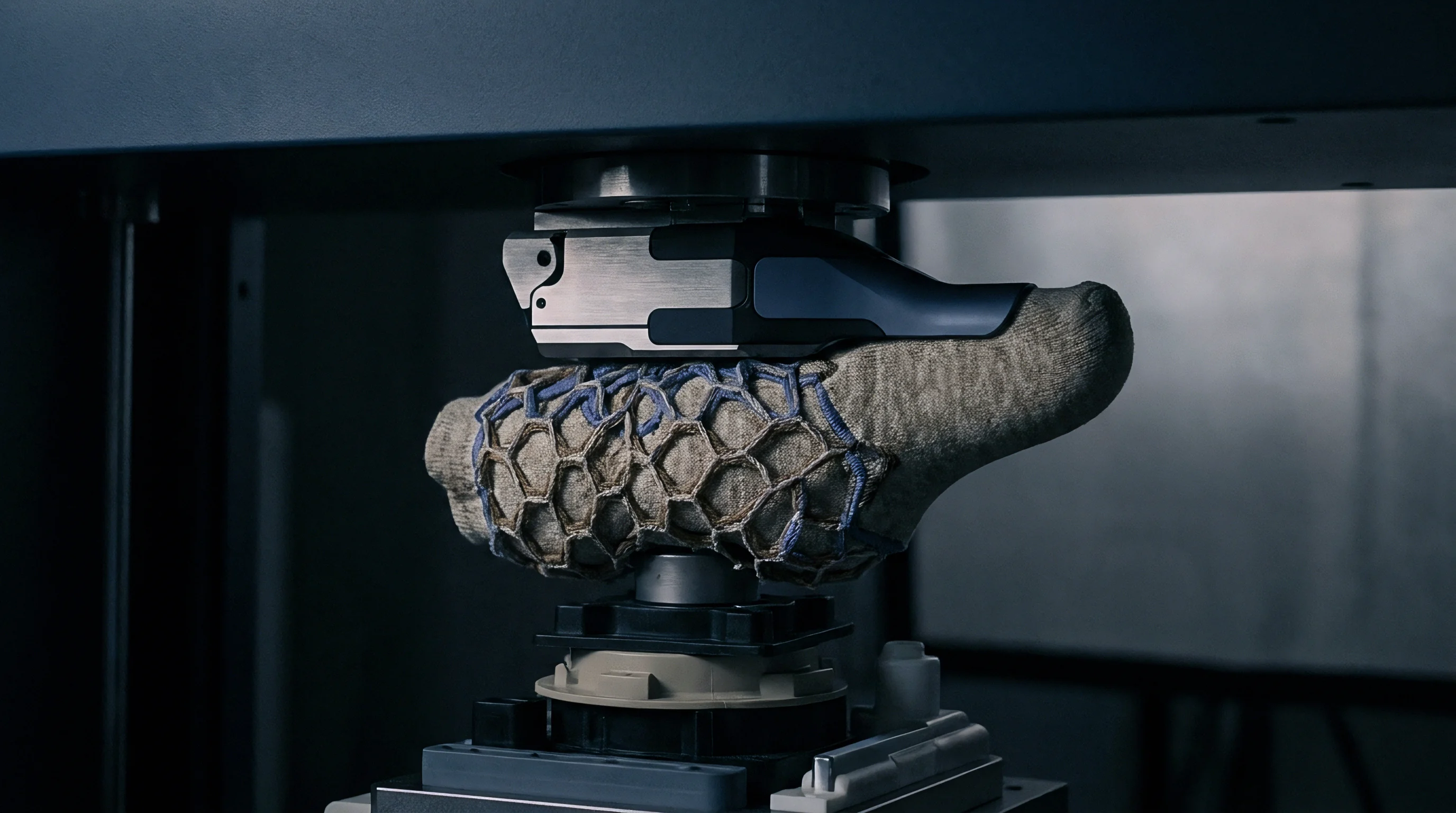
Discharge

Regulatory Concentration Thresholds across Chemical Frameworks
Releasing textile batches into commercial markets requires strict compliance with international chemical regulations and voluntary brand standards. Regulatory frameworks impose strict concentration limits on volatile organic compounds retained in finished consumer goods. Standard laboratory verification procedures evaluate compliance against statutory cutoffs established by legislation such as REACH Annex XVII in the European Union, the California Proposition 65 substance list in the United States, and national consumer product safety standards across global jurisdictions.
REACH Annex XVII Entry 72 mandates explicit concentration limits for thirty-three carcinogenic, mutagenic, or toxic to reproduction substances present in clothing and textiles. Key volatile organic chemicals governed under Entry 72 include polar solvents such as dimethylformamide, dimethylacetamide, and N-methyl-2-pyrrolidone, each capped at a strict maximum limit of three hundred milligrams per kilogram of fabric. Furthermore, aromatic solvents like toluene and xylene face severe restrictions under broader volatile emission directives, forcing mills to eliminate carrier-based dyeing formulations from their production operations.
Voluntary certification schemes, such as OEKO-TEX STANDARD 100, enforce significantly stricter limits than statutory regulations, especially for items intended for infants and young children under Product Class I. OEKO-TEX Class I criteria restrict total residual organic solvents to fractions of legal limits, demanding strict process control across wet processing mills. Fabric batches destined for certification must clear mandatory testing across accredited laboratories operating under ISO/IEC 17025 accreditation scopes.
The table below compares volatile organic compound concentration limits across major international regulatory frameworks and commercial textile certification schemes.
| Chemical Compound | CAS Number | REACH Annex XVII Entry 72 Limit | OEKO-TEX Class I (Infant) Limit | OEKO-TEX Class II (Direct to Skin) | Primary Test Standard |
|---|---|---|---|---|---|
| Dimethylformamide (DMF) | 68-12-2 | 300 mg/kg | 20 mg/kg | 100 mg/kg | DIN 55666 / EN ISO 16000-6 |
| N-Methyl-2-pyrrolidone (NMP) | 872-50-4 | 300 mg/kg | 20 mg/kg | 100 mg/kg | DIN 55666 / EN ISO 16000-6 |
| Dimethylacetamide (DMAc) | 127-19-5 | 300 mg/kg | 20 mg/kg | 100 mg/kg | DIN 55666 / EN ISO 16000-6 |
| Toluene | 108-88-3 | 500 mg/kg (Entry 48) | 5.0 mg/kg | 10.0 mg/kg | ISO 16000-6 Micro-Chamber |
| Decamethylcyclopentasiloxane (D5) | 541-02-6 | 1000 mg/kg (SVHC limit) | 50 mg/kg | 100 mg/kg | Thermal Desorption GC-MS |
Documenting compliance requires exhaustive batch evidence files. Transaction certificates, scope certificates, and test reports form the core evidence chain needed to clear customs and brand audits. A scope certificate confirms that a facility has the technical capacity to produce compliant goods under a given standard, but it does not prove that a specific container holds compliant cloth.
Proving lot compliance requires transaction certificates backed by batch-specific test reports displaying matching article numbers, shade descriptions, and roll identity numbers.

Transaction Certificate Scope and Article Class Alignment
Discrepancies between certified article descriptions and actual invoice line items are a frequent point of failure during border inspections. Certifiers issue scope certificates for broad material categories, such as woven 100% cotton dyed fabric. If a mill alters its finishing recipe to include a volatile siloxane softener or a polyurethane coating without updating its formal certificate scope, the resulting fabric batch renders the transaction certificate invalid.
Customs enforcement officers cross-reference invoice descriptions, packing lists, and test report article codes to confirm scope alignment before releasing shipments.
The list below outlines document audit steps required to verify chemical compliance dossiers for imported fabric batches.
- Cross-Reference Article Identifiers between purchase orders, commercial invoices, mill delivery notes, and accredited laboratory test reports to ensure precise inventory traceability.
- Verify Laboratory Accreditation Scopes under ISO/IEC 17025, confirming the testing facility holds explicit accreditation for thermal desorption gas chromatography methods listed on the test report.
- Inspect Test Report Expiry Clocks to confirm that analytical testing occurred within twelve months of fabric production, rejecting reports that rely on historical type-approval data.
- Validate Transaction Certificate Line Items against physical container bill of lading weights, ensuring total certified metric tonnage matches total delivered cargo volume.
Audit procedures must scrutinize test report reporting limits. Laboratories utilizing high-dilution headspace GC-MS routines frequently report non-detectable results because their analytical limits of detection sit above statutory action levels. A test report indicating non-detection at a reporting limit of fifty milligrams per kilogram fails to substantiate compliance with a twenty milligram per kilogram OEKO-TEX Class I limit.
Buyers must stipulate maximum acceptable reporting limits directly within their laboratory testing service contracts.
Purchase contracts specify that seller guarantees each fabric batch contains under twenty milligrams per kilogram of extractable organic solvent residues as measured under ISO 16000-6 testing, with seller assuming full financial responsibility for cargo returns upon test failure.


Sanction
Border Detention Exposure and Retest Cost Mechanics
Importers face immediate financial and operational penalties when border control authorities detain fabric shipments for chemical non-compliance. Customs agencies across major import markets utilize risk-based surveillance algorithms to flag high-risk textile consignments for mandatory testing. When border laboratories detect volatile organic concentrations exceeding statutory limits under frameworks like REACH Annex XVII, authorities issue formal detention orders, halting container movement and initiating administrative enforcement proceedings.
Detention costs accumulate rapidly while cargo sits held in customs bonded warehouses. Importers incur daily demurrage fees, terminal storage surcharges, customs inspection charges, and administrative legal expenses. Demurrage charges for standard forty-foot shipping containers routinely range from one hundred fifty to four hundred dollars per day per container.
If a detention dispute drags on for six weeks while independent retests proceed, total storage and terminal fees can exceed the landed commercial value of the fabric goods contained inside the hold.
Binding mills to batch-specific volatile emission thresholds verified by accredited micro-chamber testing protects buyers from unexpected non-compliance. Resolving detention disputes requires rigorous retesting protocols. Standard customs rules allow importers to submit secondary test evidence from accredited independent laboratories to challenge initial border findings.
Sampling for retesting must occur under strict customs supervision inside the bonded holding area, requiring technicians to cut fresh swatches from wrapped inner rolls. If secondary laboratory analysis confirms volatile non-compliance, customs authorities issue a formal order for cargo destruction or mandatory re-export to the country of origin at the importer of record’s expense.
The financial impact of cargo rejection extends far beyond immediate logistics charges. Brands forced to cancel production schedules due to detained fabric batches face severe supply chain disruptions, missed retail delivery windows, and contract default penalties from retail buyers. Furthermore, public regulatory enforcement databases publish detailed recall notices listing brand names, mill identities, and specific chemical violation figures, inflicting lasting reputational damage on commercial brands.
Port customs authorities reject whole containers when representative micro-chamber sampling shows individual batch VOC concentrations above regulatory caps.

Contractual Indemnification and Batch Guarantee Clauses
Mitigating chemical compliance risk demands explicit contractual risk allocation within fabric procurement agreements. Standard purchase order boilerplate language asserting general compliance with applicable laws fails to protect buyers when specific volatile chemical non-conformities emerge at the port of entry. Procurement contracts must incorporate precise technical guarantees, explicit sampling protocols, and indemnification clauses that hold mills financially liable for non-compliant chemical off-gassing.
Contractual clauses must define specific testing parameters, designated accredited laboratories, and precise threshold limits for volatile organic compounds. Clauses should establish clear protocols for batch-level sampling, specifying that test swatches cut from sealed core rolls govern final lot acceptance decisions. Indication of non-compliance should automatically trigger immediate payment suspension for the affected production run, transferring all accrued demurrage, retesting, and cargo disposal costs directly back to the selling mill.
A comprehensive compliance indemnification clause incorporates the following financial recovery terms:
The selling mill agrees to indemnify, defend, and hold harmless the buyer from all damages, fines, customs penalties, demurrage fees, laboratory retesting costs, and legal fees arising out of any failure of delivered fabric batches to comply with specified volatile organic compound limit values under ISO 16000-6 testing. Buyer reserves the right to set off accrued non-compliance costs against outstanding invoice balances owed to seller across any open account. Seller acknowledges that certificate of origin or transaction certificate issuance does not waive buyer’s right to reject batches based on independent batch verification testing performed within ninety days of port arrival.
Incorporating Hierarchical Dirichlet Process mixture modeling outputs into supply chain risk management systems provides pre-shipment protection. By analyzing mill historical batch test distributions through nonparametric Bayesian models, buyers can calculate exact non-compliance probability scores for incoming shipments prior to vessel loading. High-risk batch clusters identified by the statistical model trigger mandatory pre-shipment micro-chamber extraction testing, preventing non-compliant fabric rolls from ever entering international transit containers.
Commercial compliance management transitions from reactive dispute defense to predictive batch control when buyers integrate dynamic kinetic equations, Bayesian cluster modeling, and explicit contract indemnification into daily operations. Establishing physical sampling discipline at the mill table ensures that finished fabric rolls meet strict volatile organic emission standards long before containers arrive at destination import terminals.