Instrumental Analysis
High-sensitivity analytical chemistry techniques combine heat-assisted sample extraction with capillary gas separation and mass spectrometric detection to measure trace volatile and semi-volatile organic compounds in solid materials. In advanced textile testing, thermal desorption gas chromatography mass spectrometry quantifies residual solvents or chemical finishes directly from fiber samples without liquid solvent preparation. High sensitivity allows detection of volatile chemical traces down to parts per billion levels.
Desorption Process
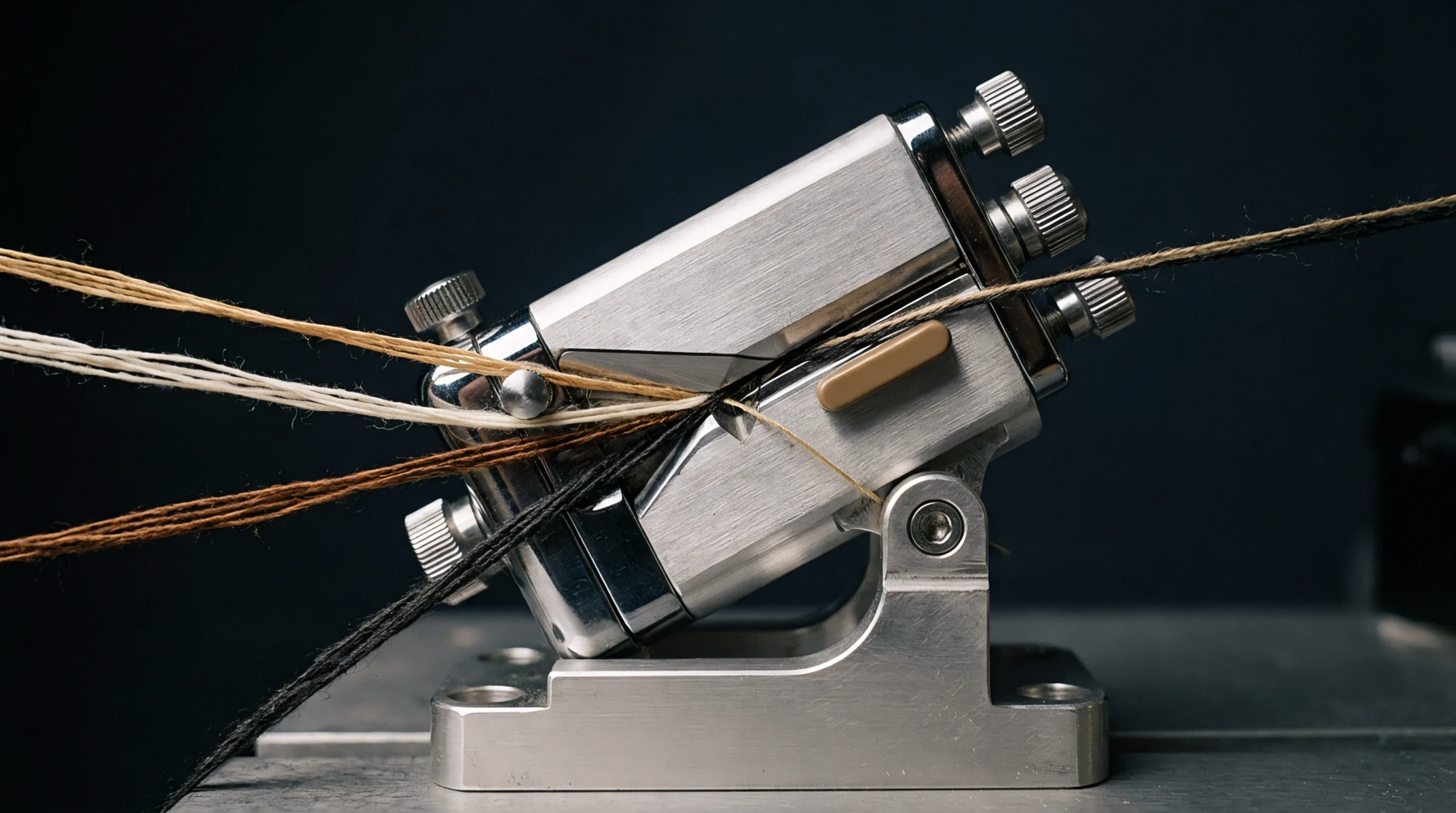
Material samples or loaded sorbent tubes sit inside dedicated desorption tubes within a thermal desorption unit. Controlled carrier gas flows through the tube while rapid heating vaporizes volatile compounds out of the fabric matrix. Vaporized molecules travel to a Peltier-cooled secondary trap, where volatile species concentrate into a narrow band.
Rapid reheating of the secondary trap injects the concentrated chemical band into the capillary chromatograph column as a sharp plug, enhancing analytical sensitivity and resolution.
Chromatographic Separation
Chromatographic columns separate complex volatile mixtures into individual chemical peaks based on boiling point and polarity interactions. The mass spectrometer ionizes eluting compounds, fragmenting molecules into characteristic mass-to-charge patterns for precise identity matching against library spectra. Automated peak integration calculates exact volatile concentrations against certified calibration standards.
Analytical Boundary
Thermal desorption methods quantify volatile and semi-volatile organic compounds that vaporize below maximum thermal desorption unit heating limits. Non-volatile pigments, heavy metal salts, and high molecular weight polymers cannot be analyzed using vapor desorption techniques.