Modeling Multi-Variable Ink Deposition Economics across Industrial Single Pass Digital and Rotary Systems
Digital single pass printing delivers lower unit costs below three thousand metres while rotary screens dominate higher volumes through cheap paste chemistry.


Rheology
Fluid delivery mechanics establish the boundary between rotary screen printing and single pass digital inkjet systems. Rotary production forces high-solids emulsions through electroformed nickel apertures using mechanical squeegee pressure or internal magnetic roller bars. Single pass digital machines project pico-litre droplets across an air gap through microscopic piezoelectric orifices without substrate contact.
These opposing methods impose distinct fluid property envelopes that determine chemical formulation, wet mass transfer, and post-print energy demands.
Viscosity collapses under high shear.
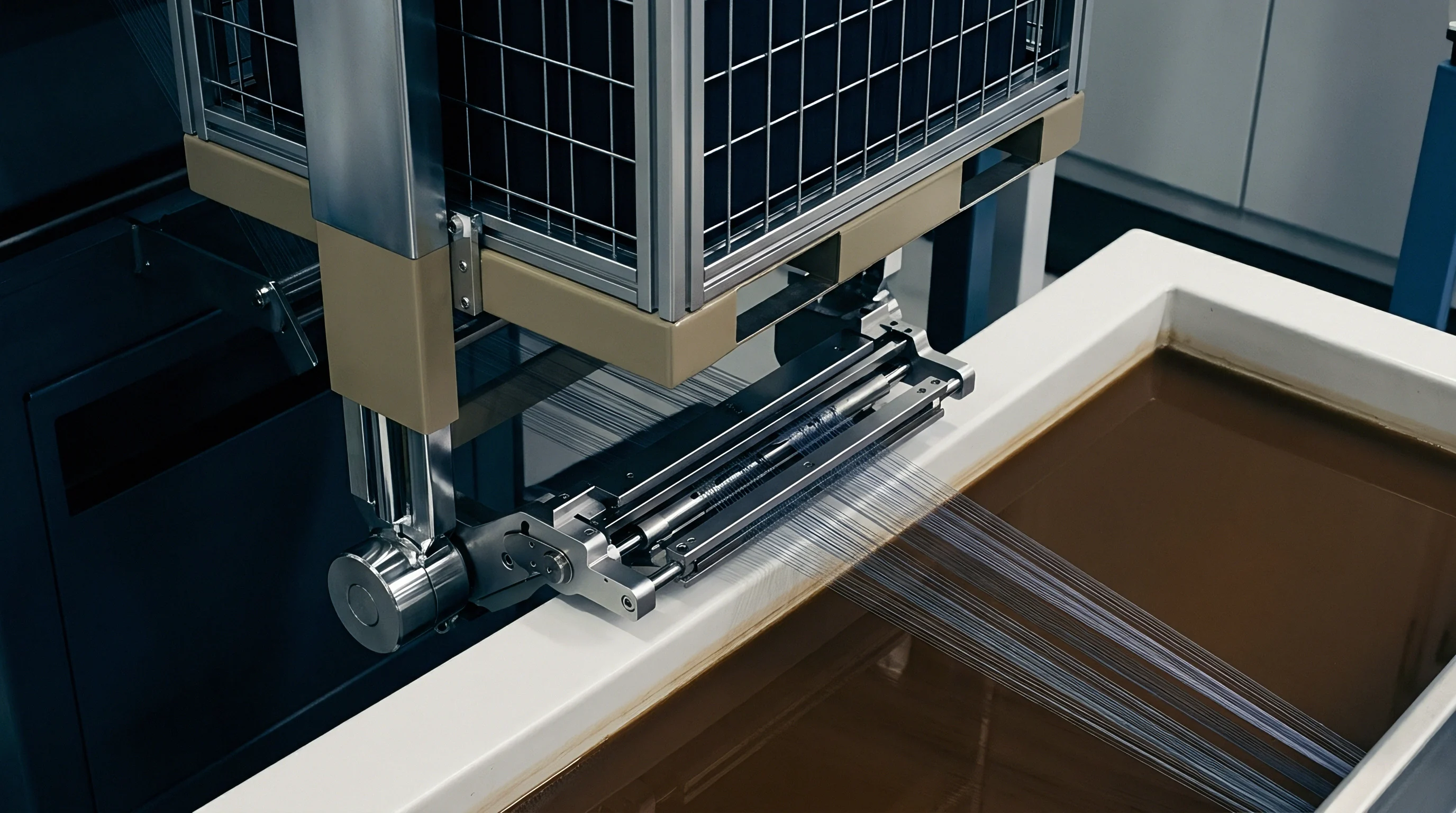
Viscosity Profiles and Shear Mechanics
Formulations engineered for rotary screens exhibit pseudoplastic thinning under squeegee displacement. Resting paste viscosity ranges between 15,000 and 40,000 millipascal-seconds at rest, stabilizing suspensions of disperse, reactive, or vat colorants. When the squeegee edge traverses the cylindrical screen interior, localized shear rates spike between 2,000 and 10,000 reciprocal seconds.
Viscosity plummets to 2,000 to 4,000 millipascal-seconds at the aperture boundary, permitting fluid flow through the nickel openings before thickening rapidly upon contact with yarn crowns.
Aqueous digital formulations demand low dynamic viscosities to operate within piezo drop-on-demand actuators. Operating viscosities sit between 3.0 and 8.5 millipascal-seconds at printhead jetting temperatures between 28 and 38 degrees Celsius. Shear rates inside microscopic nozzle conduits surpass 100,000 reciprocal seconds during high-frequency pressure wave propagation.
Digital fluids maintain near-Newtonian profiles across this operational shear spectrum to prevent meniscus misdirection and acoustic cavitation inside fluid channels.
Rotary screen paste carries three times the solids concentration of piezo jetting fluids.
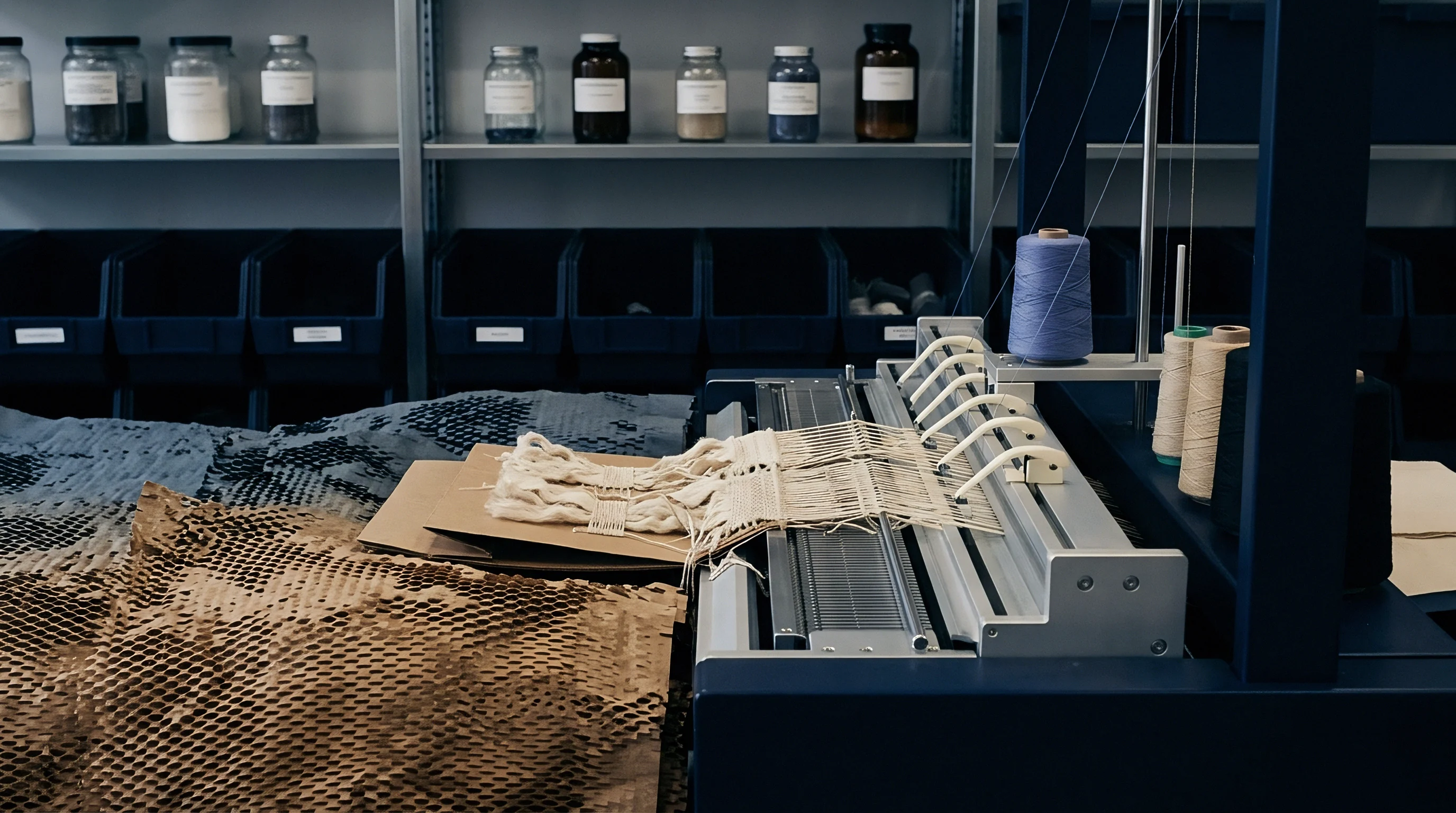
Fluid Physics in Droplet Formation
Aqueous inks designed for piezoelectric printheads contain glycol humectants to stabilize meniscus oscillation. Surface tension parameters must sit within a narrow operational window between 24 and 32 millinewtons per metre to maintain clean droplet detachment without nozzle face wetting. High surface tension inhibits fluid separation, generating elongated filaments that break into secondary satellite sprays.
Insufficient surface tension induces liquid weeping across the nozzle plate, deflecting trajectories and triggering missing print lines.
Rotary print pastes utilize synthetic polyacrylates, sodium alginates, or modified starches to build thixotropic yield values. The resulting wet film thickness deposited on textile webs measures between 40 and 120 micrometres, transferring dry dye mass between 4.0 and 12.0 grams per square metre on dense cotton twills. Single pass digital heads deposit individual drops measuring between 3.0 and 30.0 picolitres at firing frequencies reaching 30 to 50 kilohertz.
The effective wet film thickness deposited by four-color process arrays rarely exceeds 12 to 25 micrometres, transferring dry active colorant between 1.0 and 3.5 grams per square metre.
| Technology | Dynamic Viscosity (mPa·s) | Shear Rate (s⁻¹) | Solids Content (%) | Wet Deposition (g/m²) | Active Dye Mass (g/m²) |
|---|---|---|---|---|---|
| Rotary Reactive Paste | 2,500 ~ 4,500 | 2,000 ~ 10,000 | 22.0 ~ 32.0 | 60.0 ~ 110.0 | 4.5 ~ 9.0 |
| Rotary Pigment Paste | 3,000 ~ 5,000 | 3,000 ~ 12,000 | 28.0 ~ 38.0 | 50.0 ~ 95.0 | 6.0 ~ 12.5 |
| Single Pass Reactive Ink | 4.5 ~ 6.5 | 100,000 ~ 500,000 | 8.0 ~ 12.0 | 12.0 ~ 24.0 | 1.2 ~ 2.8 |
| Single Pass Pigment Ink | 5.0 ~ 7.5 | 100,000 ~ 600,000 | 9.0 ~ 14.0 | 10.0 ~ 20.0 | 1.4 ~ 3.2 |
Ink solids dictate drying load.
High-viscosity formulations yield deeper fiber penetration on dense weaves while thin fluids pool along yarn crowns.
Mesh
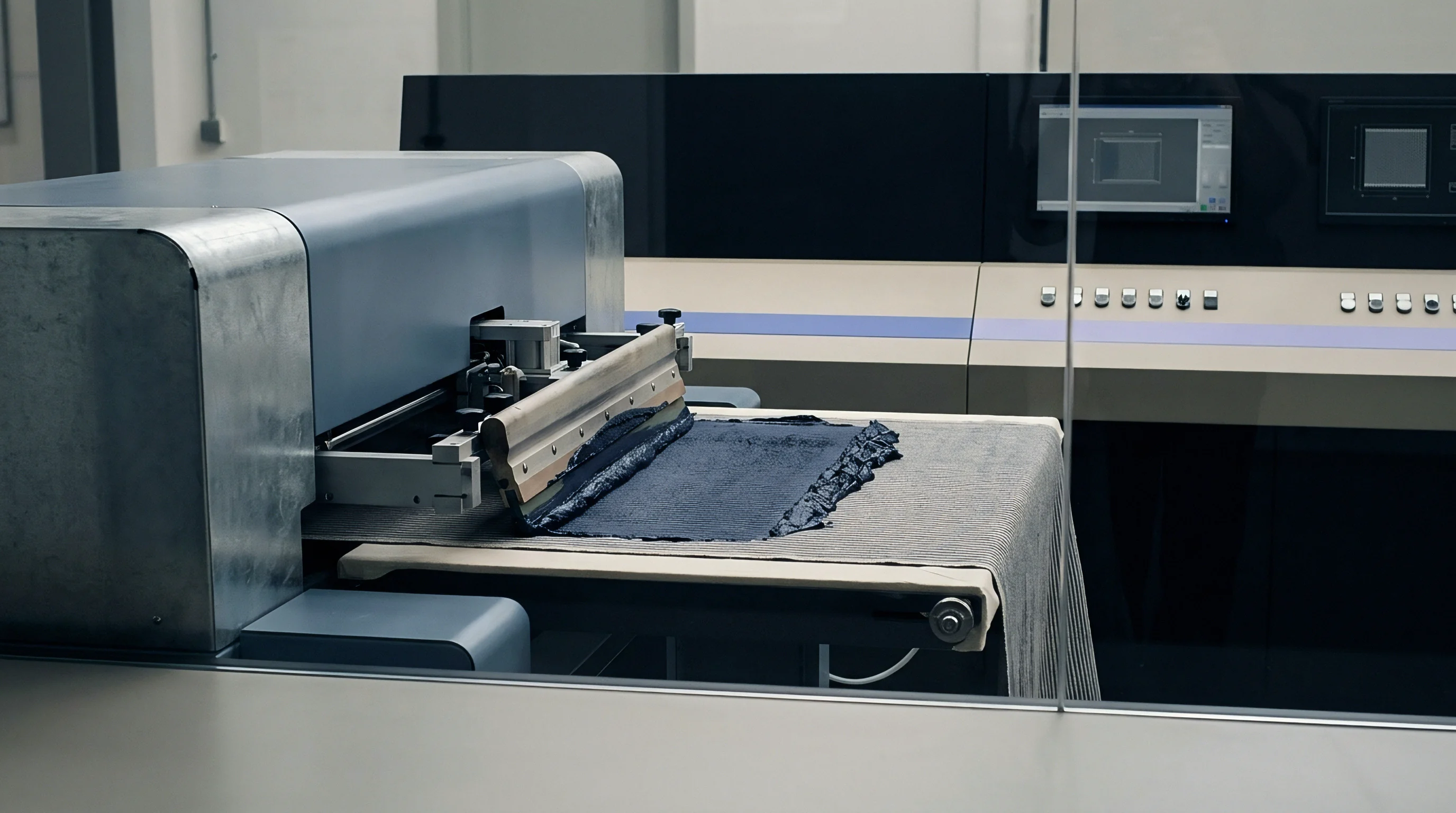
Rotary cylinders rely on perforated nickel sleeves to meter colorant onto moving cloth. Individual screen meshes span nominal counts from 60 to 195 holes per linear inch. Open area fractions range from 9 percent in heavy screens to 22 percent in high-count variations.
Print definition depends on the spatial matching between the engraved hole pitch, the emulsion stencil thickness, and the greige yarn sett.
Nickel sleeves tear under excess deflection.
Perforated Nickel Geometry and Aperture Flow
Cylindrical screens utilize electroformed metal structures with open surface ratios between nine and twenty-two percent. A standard 125-mesh screen features an aperture width of 115 micrometres with a nickel wall thickness of 100 micrometres. Colorant paste flows through these pores when the internal squeegee blade applies hydrostatic pressure against the supporting blanket.
Squeegee angles between 45 and 60 degrees compress the paste wedge, forcing the emulsion past the mesh into the warp and weft intersections.
Mechanical wear alters screen aperture geometry during extended printing runs. Abrasive mineral fillers in pigment pastes erode internal pore perimeters, expanding effective open area by 4 to 8 percent over fifty thousand metres. This expansion causes gradual color drift toward darker shades unless the machine tender continually recalibrates paste viscosity or decreases squeegee load.
Lacquer screens suffer stencil degradation at acute design edges, introducing line distortion on fine geometric patterns.
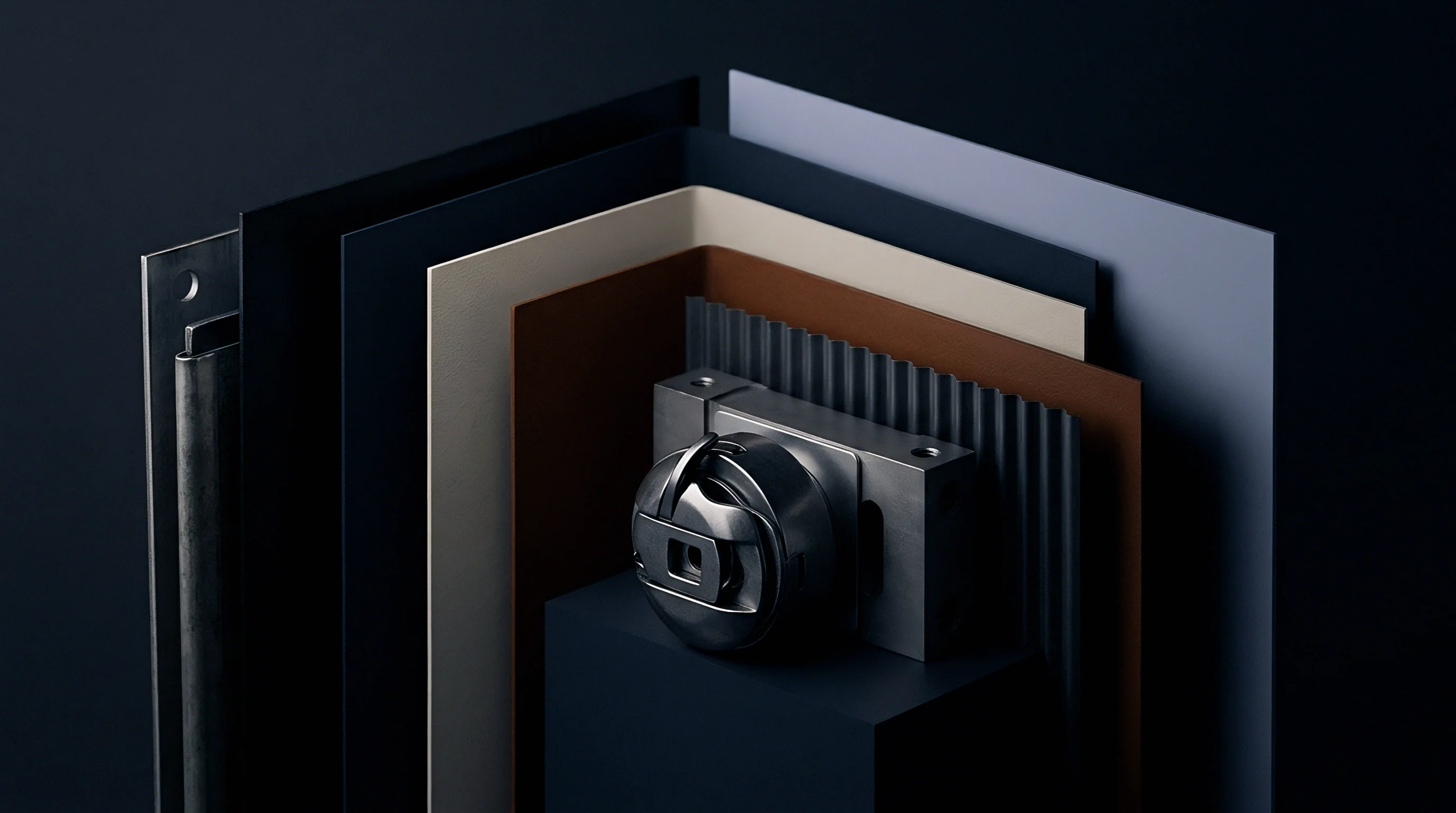
Piezoelectric Actuation and Orifice Arrays
Industrial single pass digital bars arrange thousands of silicon nozzles to fire sub-picolitre volumes. Multi-channel printhead modules align in staggered rows across the full printing width, providing native resolutions of 600 or 1200 dots per inch. A typical 1.8-metre single pass digital installation houses between 64 and 128 individual printheads, operating more than 65,000 active nozzles simultaneously across four to eight color channels.
The textile travels beneath these fixed bars at web speeds between 40 and 90 metres per minute.
Rotary paste recovery remains imperfect.
Printhead reliability hinges on maintaining nozzle open time and eliminating acoustic crosstalk between adjacent pumping chambers. Piezo actuators generate heat rapidly. Heat build-up shifts ink viscosity, altering droplet volume and flight velocity across the width of the carriage.
Microscopic physical failures produce unprinted bands along the web axis, necessitating active nozzle redundancy or automated optical inspection systems that remap lost pixels to adjacent functional orifices.
- Acoustic meniscus instability halts fluid refill inside the piezo micro-channel after rapid drop ejection sequences.
- Rotary screen lacquer micro-cracking permits unwanted dye paste transmission along cylinder seam edges during high doctor pressure runs.
- Satellite droplet dispersion scatters sub-picolitre mist across unprinted greige margins when firing frequencies exceed head tuning limits.
- Paste thixotropic breakdown drops fluid viscosity below the retention threshold of coarse nickel apertures.
Machinery technicians routinely assert that recurring nozzle deflections originate entirely from airborne lint released by client greige rolls rather than thermal drift in piezo actuator banks.
Balance
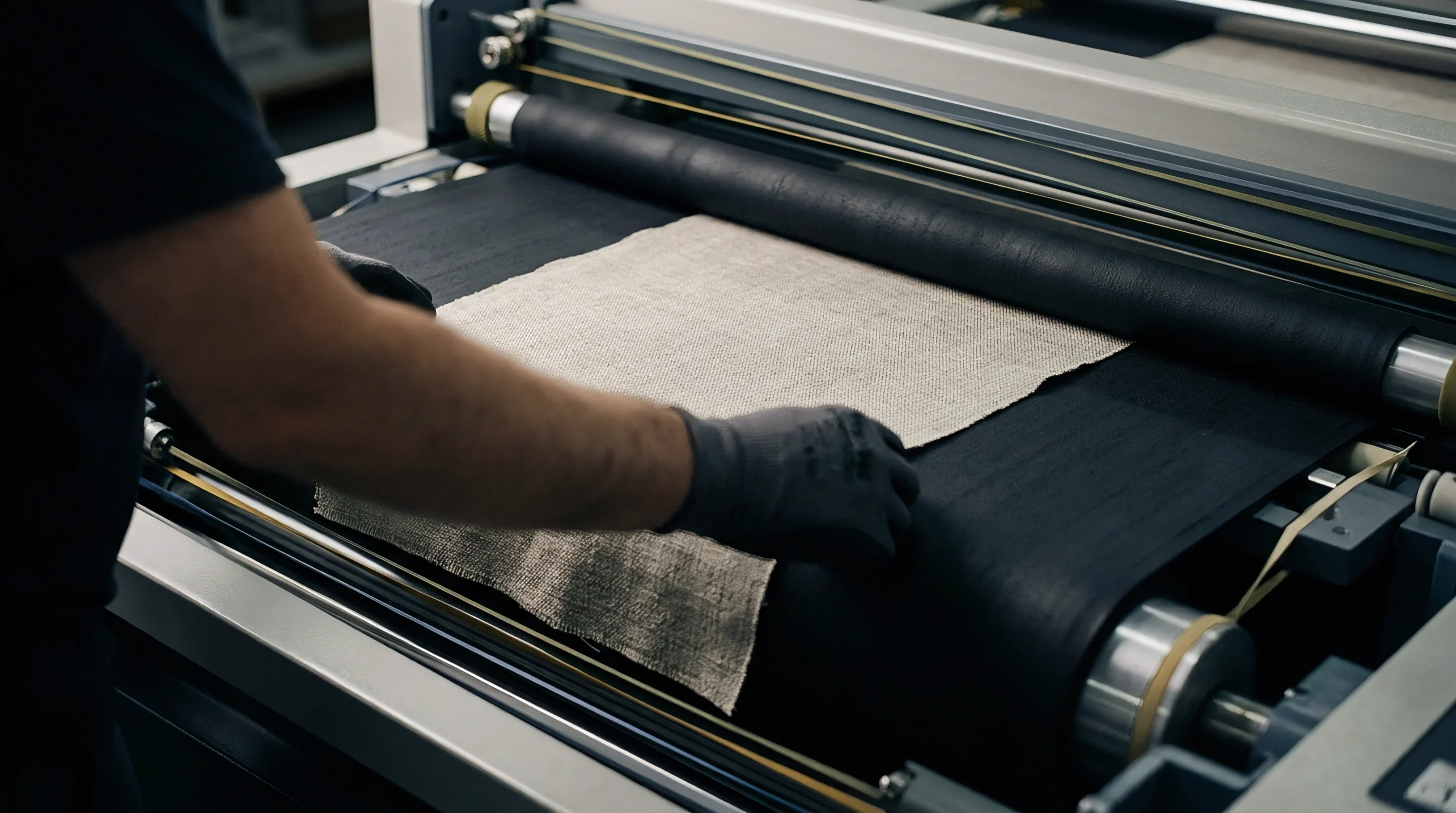
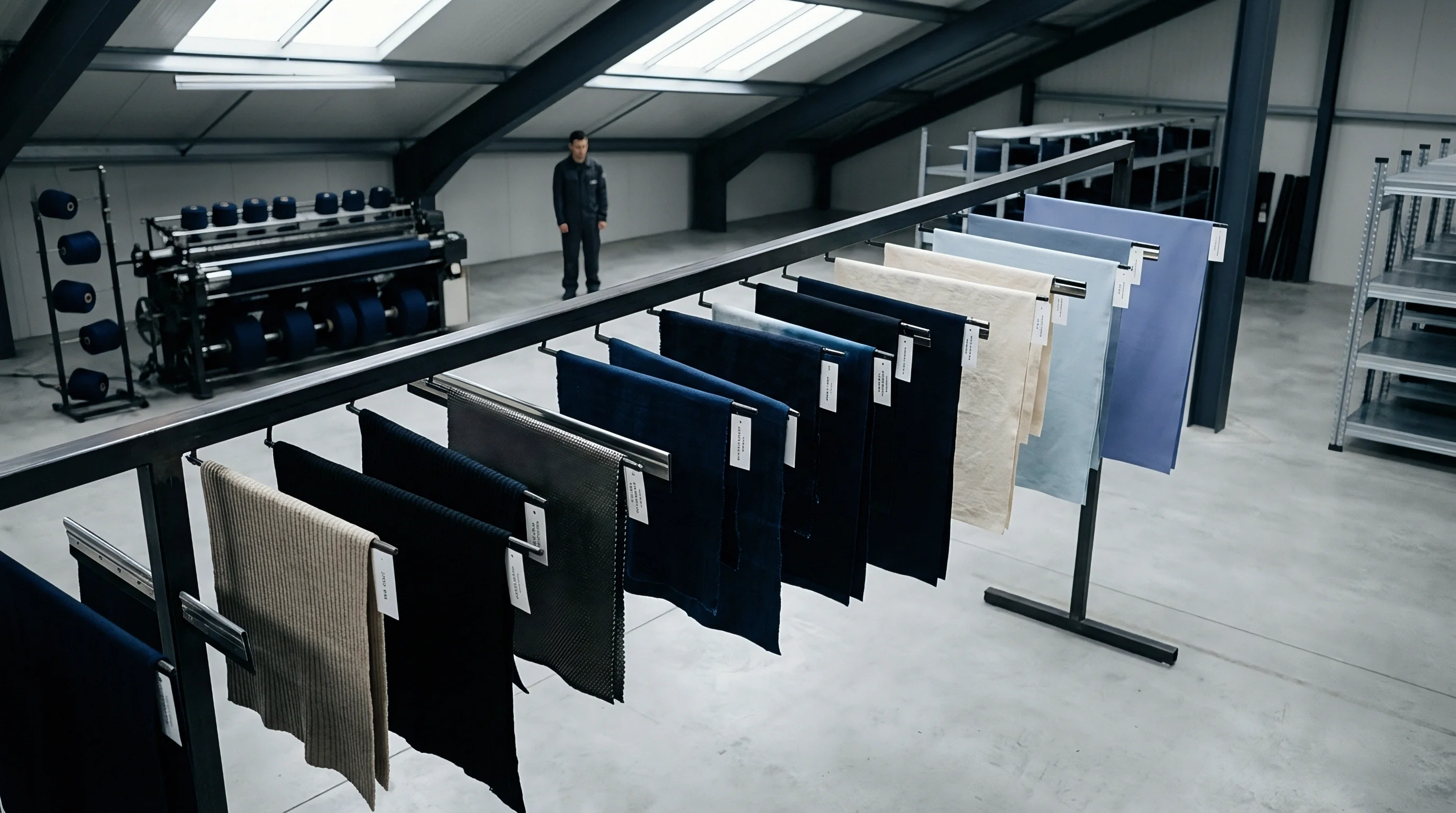
Greige preparation directly governs how liquid colorants seat within spun yarns. Unprepared cotton contains natural waxes, pectins, and sizing agents that repel low-viscosity aqueous drops. Chemical desizing, scouring, and caustic mercerization modify the cotton fiber cross-section, increasing accessibility to dye sorption sites.
In digital printing, substrate preparation requires topical chemical padding before printing can commence, introducing an entire operational wet phase that rotary paste applications incorporate directly into the bulk emulsion.
Capillary flow governs dye penetration.
Capillary Uptake and Substrate Pretreatment
Cellulosic fibers pull liquid inward through spontaneous wicking along inter-fiber voids. Low-viscosity digital inks spread along capillary paths unless a chemical migration inhibitor arrests fluid advance. Digital pretreatments for reactive printing apply sodium alginate or modified guar gum alongside sodium bicarbonate, urea, and mild oxidizing agents via a foulard padder.
The wet pickup target sits between 55 and 70 percent on dry greige weight, followed by controlled stenter drying to leave three to five percent residual moisture.
Pretreatment pads alter wet pickup.
A standard wet pickup benchmark of 14 grams per square metre for aqueous reactive inks assumes a 1200 dpi grid depositing 4-picolitre droplets at fifty percent coverage on a 130 gsm cotton poplin; variation in greige yarn twist from 18 to 24 turns per inch or sizing starch residues above 0.5 percent alters this fluid uptake by up to 22 percent. If residual sizing agents remain on the yarn surface, ink droplets spread unevenly, causing ragged line edges and mottled solid fills. Rotary screen pastes bypass this requirement by embedding thickeners and alkali donors directly into the bulk paste formulation, eliminating an independent padding step.
Aqueous reactive jetting fluids on 130 gsm cotton poplin deposit between 12 and 18 grams of wet liquid per square metre at full saturation.
Thermal Loads in Water Evaporation
Drying wet printed goods demands substantial British thermal units before fixation ovens receive the web. Rotary applications deposit 60 to 110 grams of water-based paste per square metre, requiring massive multi-chamber gas or steam dryers running at 130 to 150 degrees Celsius. Single pass digital systems apply significantly less total liquid, depositing only 12 to 24 grams of fluid per square metre across equivalent graphic designs.
This discrepancy reduces thermal evaporation loads, enabling shorter dryer profiles or faster web transit through infrared drying chambers.
Evaporation consumes line speed.
| Substrate Construction | Base GSM (g/m²) | Rotary Wet Paste (g/m²) | Digital Wet Ink (g/m²) | Rotary Heat Load (kJ/m²) | Digital Heat Load (kJ/m²) |
|---|---|---|---|---|---|
| Cotton Poplin 40s/1 × 40s/1 | 115 | 65.0 | 14.0 | 147.0 | 31.6 |
| Cotton Interlock 30s/1 Knit | 180 | 95.0 | 18.5 | 214.8 | 41.8 |
| Viscose Plain 30s/1 × 30s/1 | 140 | 80.0 | 16.0 | 180.9 | 36.2 |
| Polyester Micro-Pongee 50D | 75 | 45.0 | 11.0 | 101.8 | 24.9 |
| Evaporation heat loads calculate water latent heat of vaporization at 2,260 kJ/kg plus 15% thermal exhaust dissipation loss under standard atmospheric pressure. | |||||
Dry pick limits color depth.
Fixation pathways diverge following the drying stage. Steam accelerates fixation kinetics. Reactive dyes require superheated steam at 102 degrees Celsius for eight to twelve minutes to drive covalent bond formation with cellulose hydroxyl groups.
Pigments skip steam aging, moving directly to hot air curing at 150 to 160 degrees Celsius for three to four minutes to crosslink synthetic acrylic or polyurethane binders around the fiber perimeter.
- Sodium bicarbonate concentration controls pH stabilization to prevent premature reactive dye hydrolysis during aqueous padding.
- Urea moisture retention prevents fabric scorching during hot air drying passes preceding continuous atmospheric steaming.
- Anti-migrant polymer selection locks low-viscosity digital dots into place before capillary forces bleed dye into unprinted yarn channels.
- Caustic mercerization level sets cellulose fiber swelling uniformity, altering light reflectance and apparent depth of shade.
Excessive fluid loading over-saturates the textile core, collapsing wash fastness ratings, triggering surface cracking during subsequent garment curing, and forcing the commercial rejection of complete dye lots.
Parity
Total operational cost models divide sharply along run length thresholds. Rotary screen printing requires significant upfront capital for nickel sleeves, chemical emulsions, laser engraving, and color kitchen paste preparation. Single pass digital machines eliminate mechanical tooling costs entirely, replacing screen preparation with software-driven raster imaging.
Single pass production incurs massive hourly printhead write-offs and colorant costs five to eight times higher than commodity bulk paste compounds.
Screen costs amortize over distance.
Can Single Pass Outrun High Mesh Rotary Capacity?
Speed comparisons distort when setup downtime and screen engraving lead times enter the accounting equation. A modern 12-color rotary screen line operates at mechanical speeds of 70 to 120 metres per minute, generating upwards of 5,000 linear metres per operating hour during stable bulk runs. Pattern changeovers require 30 to 60 minutes to flush color pumps, scrub squeegee assemblies, and mount replacement cylinders.
Single pass digital engines sustain linear throughput rates of 50 to 80 metres per minute with instantaneous design changeovers, eliminating mechanical setup downtime between print files.
Digital ink pricing penalizes coverage.
Micro-fluidic pacing here parallels the engineering compromises observed in high-speed industrial coating lines for barrier packaging, where liquid surface tensions dynamically balance web speed to prevent air entrainment along traveling fluid boundaries. When production runs remain below 2,500 linear metres, rotary setup downtime and unrecovered paste residues dominate the landed conversion cost. Single pass digital printing provides commercial superiority on short-to-medium yardages because the print carriage experiences zero physical conversion downtime between patterns.

Pattern Setup and Color Kitchen Losses
Mechanical screens leave up to five kilograms of residual color paste inside pumps and troughs at every strike-off. A twelve-color design wastes 35 to 60 kilograms of chemical paste during end-of-run washdowns. Industrial single pass systems pull ink directly from bulk de-aerated containers through sealed supply manifolds, purging less than 150 millilitres of liquid during automated printhead maintenance wipes.
The digital production route eliminates the inventory overhead of unconsumed custom-mixed color batches.
Nozzle failures compound over long runs.
- Extract raw pixel count distribution from factory raster image processor files to quantify total colorant deposition by hue channel.
- Weigh ten conditioned greige swatches before and after foulard chemical pad application to establish exact baseline chemical pickup.
- Record line electrical draw and stenter steam consumption during continuous ten-thousand-metre production intervals to isolate thermal drying tariffs.
- Audit printhead jet dropouts across running yardage using optical line-scan cameras configured to tag color banding faults.
- Calculate post-wash dye wash-off loss by analyzing spectrophotometer reflectance values across finished lots against target digital swatches.
Inflection Calculations for Commercial Production
Direct comparisons of print economics isolate meter thresholds where plate charges yield to fluid surcharges. Take a typical twelve-color floral pattern printed on a 130 gsm cotton poplin at fifty percent aggregate surface coverage. Rotary engraving costs average 180 dollars per nickel cylinder, totaling 2,160 dollars in fixed tooling before production starts.
Rotary bulk reactive paste costs 2.40 dollars per kilogram, including thickener, alkali, and active dye content. Single pass digital reactive inks average 18.50 dollars per kilogram across cyan, magenta, yellow, black, and special spot channels.
Industrial printhead operating lifespan figures circulate between 4,000 and 12,000 operational hours across machinery manufacturers, yet independent field data across multi-shift production environments remains unverified; sourcing teams hedge this volatility by modeling printhead write-offs at the conservative 5,000-hour boundary. Incorporating printhead replacement reserves adds roughly 0.12 dollars per linear metre to digital operating expense at 60 metres per minute line velocities.
High print area coverage shifts the production threshold toward cylinder presses regardless of run count.
| Run Length (Linear Metres) | Rotary Tooling Cost ($/m) | Rotary Paste Cost ($/m) | Rotary Total Cost ($/m) | Digital Head Write-Off ($/m) | Digital Ink Cost ($/m) | Digital Total Cost ($/m) |
|---|---|---|---|---|---|---|
| 500 | 4.32 | 0.18 | 4.75 | 0.12 | 0.44 | 0.86 |
| 1,000 | 2.16 | 0.18 | 2.54 | 0.12 | 0.44 | 0.84 |
| 2,500 | 0.86 | 0.17 | 1.21 | 0.12 | 0.44 | 0.82 |
| 3,500 | 0.62 | 0.17 | 0.96 | 0.12 | 0.44 | 0.81 |
| 5,000 | 0.43 | 0.17 | 0.76 | 0.12 | 0.44 | 0.80 |
| 10,000 | 0.22 | 0.16 | 0.52 | 0.12 | 0.44 | 0.79 |
| 25,000 | 0.09 | 0.16 | 0.37 | 0.12 | 0.44 | 0.78 |
Banding creates immediate textile rejections.
Production economists continue to debate whether future drops in drop-on-demand ink formulations will ever outpace the raw throughput speed of multi-cylinder nickel engraving presses on basic high-volume staple cloths.

Settlement
Commercial accounting across industrial print contracts hinges on verifiable deposition audits. Conversion agreements must explicitly separate substrate preparation charges, fluid consumption surcharges, and mechanical tooling amortizations. When buying high-coverage designs on woven or knitted goods, failure to define ink billing parameters shifts substantial financial exposure onto the purchasing brand.
Coverage Estimation and RIP Consumption Calculations
Raster processors evaluate graphic pixel density to project liquid mass deposition per design channel. Modern digital printing mills utilize software calculators that tally total picolitres fired per square metre of design artwork. Converters frequently apply ink coverage multipliers on designs exceeding thirty percent aggregate surface density, billing incremental ink surcharges over baseline conversion quotes.
Sourcing agents audit these formulas by cross-referencing theoretical pixel consumption against gravimetric ink vessel tracking logs on the factory floor.
Rotary contracts handle coverage disparities through paste recipe allocations. A converter quotes a flat printing fee per linear metre based on standard paste consumption tolerances, typically capped at 80 grams of wet paste per square metre. Saturated conversational prints, deep blotch backgrounds, or heavy pigment grounds exceed these baseline assumptions, triggering paste overage clauses that raise the per-metre conversion invoice by 15 to 35 percent.
Buyers establish precise coverage caps in the initial technical pack to prevent post-production invoice adjustments.
A purchase order citing ISO 105-X12 fastness standards obligates the printer to absorb dry crocking defects below Grade 4 on saturated ground shades.
Contract Fastness Criteria and Defect Penalties
Written quality annexes dictate physical test performance on finished textile goods. Digital single pass prints on reactive cotton must achieve Grade 4 color fastness to domestic washing under ISO 105-C06 methods and Grade 4 dry crocking resistance under ISO 105-X12. Rotary pigment prints often fail wet crocking criteria when paste formulations incorporate insufficient binder solids to save costs.
Sourcing agreements define allowable color drift under spectrophotometric verification, restricting batch-to-batch variance to delta E values below 1.0 under primary D65 illuminants and secondary TL84 store lighting.
Defect accounting in single pass digital production accounts for microscopic jet failures that generate lengthwise visual banding lines. A contract deduction schedule penalizes the converter for continuous line defects exceeding three linear metres, enforcing second-grade pricing or full yardage rejections. Rotary contracts penalize registration misalignments where adjacent color screens drift beyond 0.5 millimetres, creating white gaps or blurred overlap boundaries across repeating geometric motifs.
An explicit indemnity clause tying billing deductions to spectrophotometric delta E tolerances under primary and secondary light sources prevents converters from billing unapproved shade drifts to client accounts.