Inkjet Classification
High-precision inkjet technology governs the expulsion of individual droplets only when required for image formation. This drop on demand method differs from continuous inkjet systems because it eliminates the need for ink recycling loops and deflection plates. The mechanism provides a high degree of control over dot placement on textile surfaces.
Ejection Mechanism
Thermal or piezoelectric actuators provide the physical force needed to push ink through micro-nozzles. When a digital signal reaches the printhead, the chamber pressure increases suddenly to eject a specific volume of fluid, which then travels through the air to land precisely on the moving fabric. Most textile printers use this technology to achieve high resolution on varying fabric weights.
The speed of the actuator determines how quickly each nozzle can recover for the next firing cycle.
Fluid Compatibility
Ink viscosity and surface tension must reside within a narrow range to guarantee stable drop formation. Formulations that are too thick prevent the nozzle from refilling quickly, while excessively thin fluids cause uncontrolled dripping. High-speed production requires precise waveform tuning to manage these physical properties.
Industrial Scalability
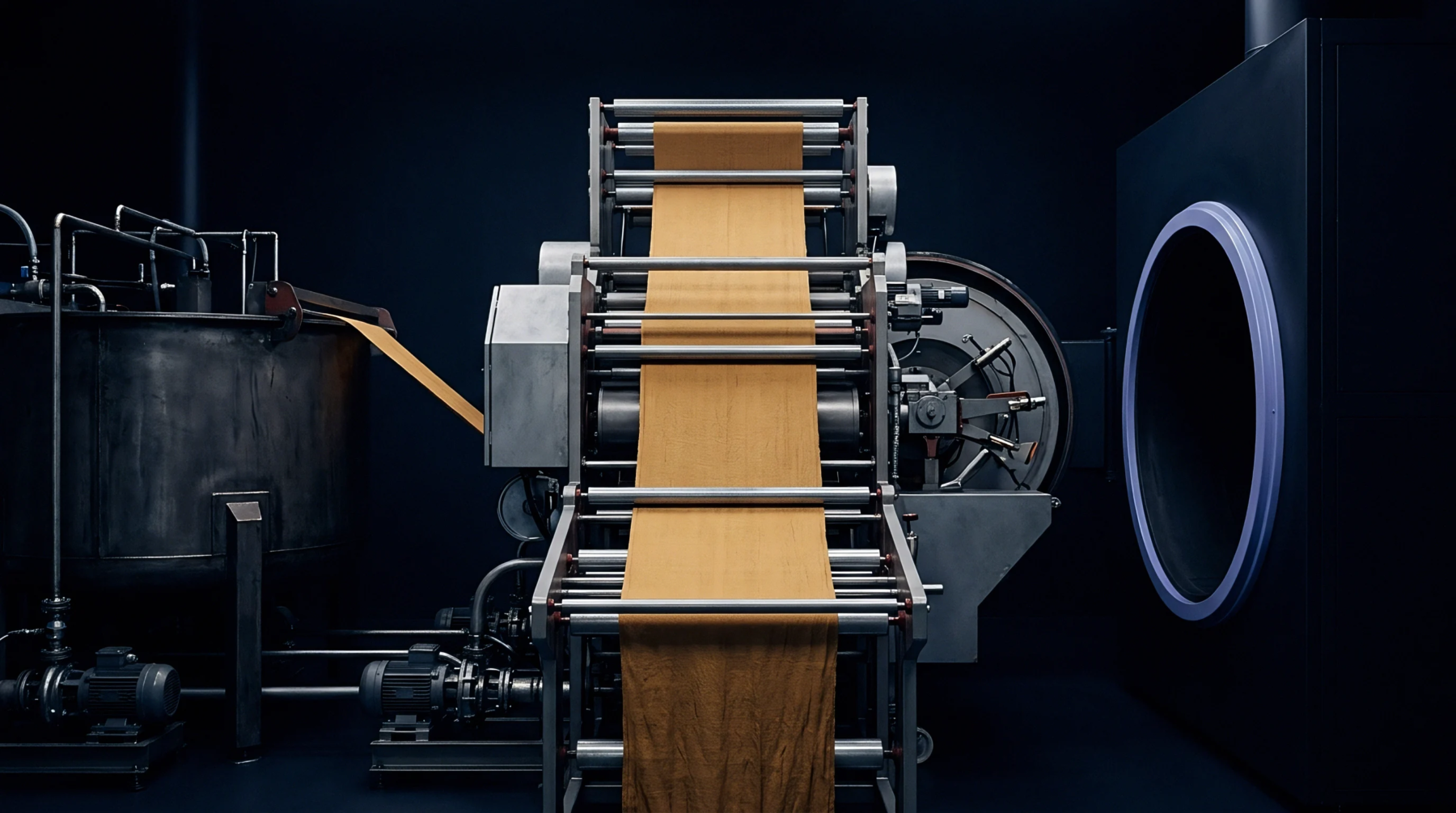
Modern industrial presses employ thousands of nozzles to maintain high linear speeds across wide fabric rolls. Reliability depends on maintaining consistent drop volume across the entire width of the machine. Frequent cleaning cycles help prevent nozzle clogging from dried pigment particles.