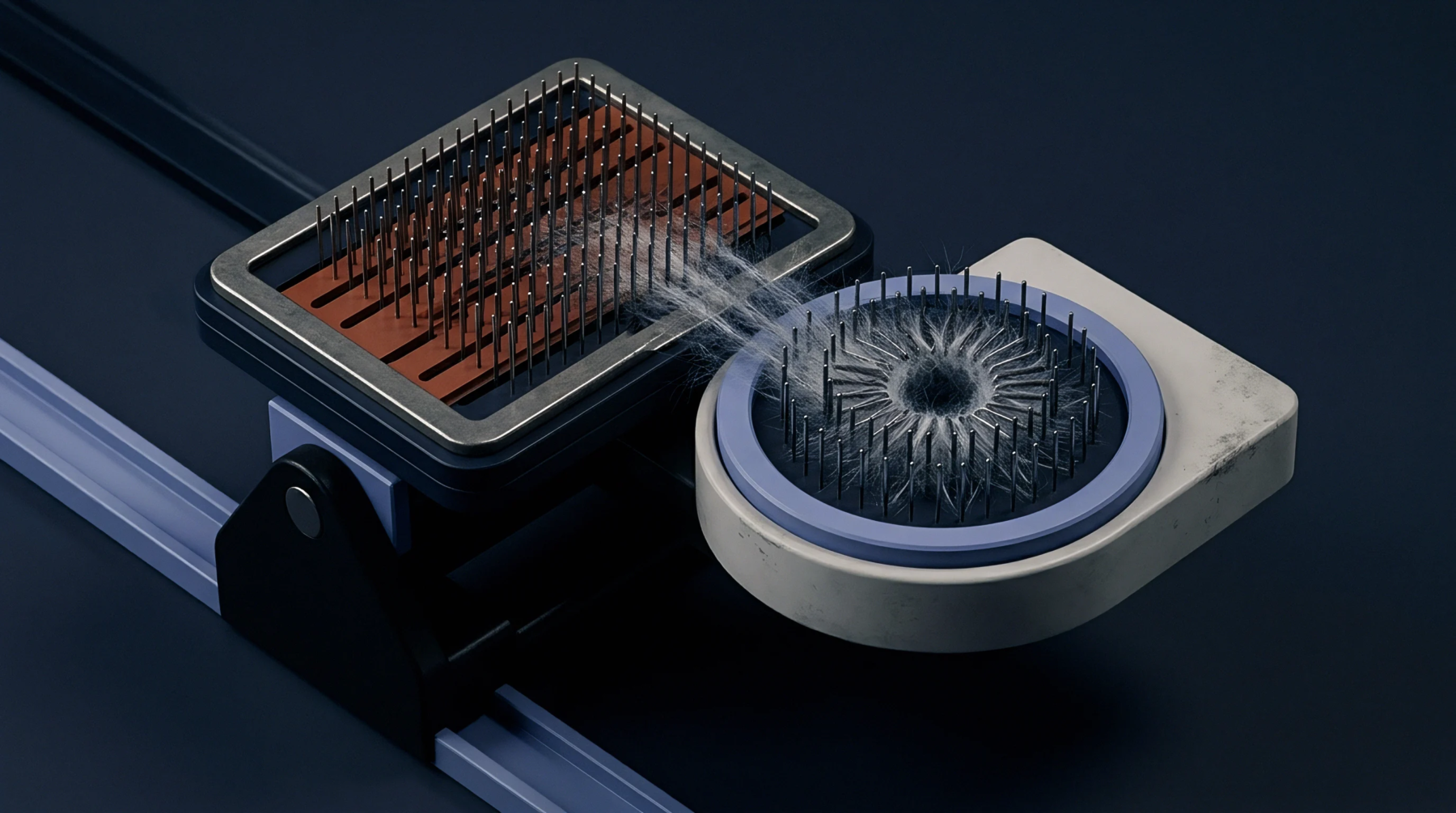
Translation Engine
Dedicated conversion software packages interpret vector graphics and continuous-tone digital designs into binary droplet instructions for industrial textile print engines. High-volume digital fabric printing facilities depend on a raster image processor to execute halftone screening, precise color channel separations, and linear drop placement. The software reads high-resolution customer artwork files, converting complex continuous gradients into native pixel resolutions matching physical printhead configurations.
It determines whether a specific nozzle fires a small, medium, or large droplet onto a moving fabric web during each firing cycle. Without this computational conversion, industrial inkjet printheads cannot process standard design file formats.
Color Separation
Textile image computation manages intricate color transformations across multi-channel ink sets including cyan, magenta, yellow, black, orange, blue, and specialized fluorescent formulations. Spectrophotometer measurements generate International Color Consortium profiles that the raster image processor uses to align on-screen visual targets with physical dye responses on fabric. The engine recalculates color values through multidimensional look-up tables, compensating for dye absorption characteristics across diverse substrates like silk, viscose, and polyester.
Advanced halftoning algorithms prevent optical moiré patterns and harsh graininess across delicate skin tones or pastel gradients. The software module computes total ink limits per area, capping fluid volumes to prevent fabric saturation, bleeding, and ink smearing.
Distortion Compensation
Fabric movement during continuous rotary feeding introduces mechanical distortions that software engines must offset dynamically. Open-width textile webs stretch unpredictably under tension, leading to design skewing and pattern elongation along the warp. Operators measure test print deviations, allowing the raster image processor to introduce precise mathematical scaling factors that shrink or expand image files inversely.
Step-and-repeat functions generate seamless pattern repeats across wide-format print beds exceeding three metres in width. Drop placement adjustments align successive print passes, masking visual banding caused by slight mechanical stepper motor variations or misfiring nozzles.
Production Workflow
Scalable processing capacity defines commercial print plant efficiency across high-speed digital finishing operations. High-capacity RIP servers handle massive image queues simultaneously, rendering incoming graphic files while print machines run at line speeds exceeding sixty linear metres per minute. Sourcing facilities evaluate software utility through its nesting capabilities, which pack disparate garment pattern markers onto fabric layouts to minimize blank selvedge waste.
Print operators adjust ink density curves within the software interface to match specific fabric pre-treatment padding levels. Variable data rendering permits custom garment printing and rapid serial numbering without stopping continuous conveyor belts. Computational rendering errors directly ruin expensive silk or linen runs, making validated print configurations foundational for zero-defect printing operations.