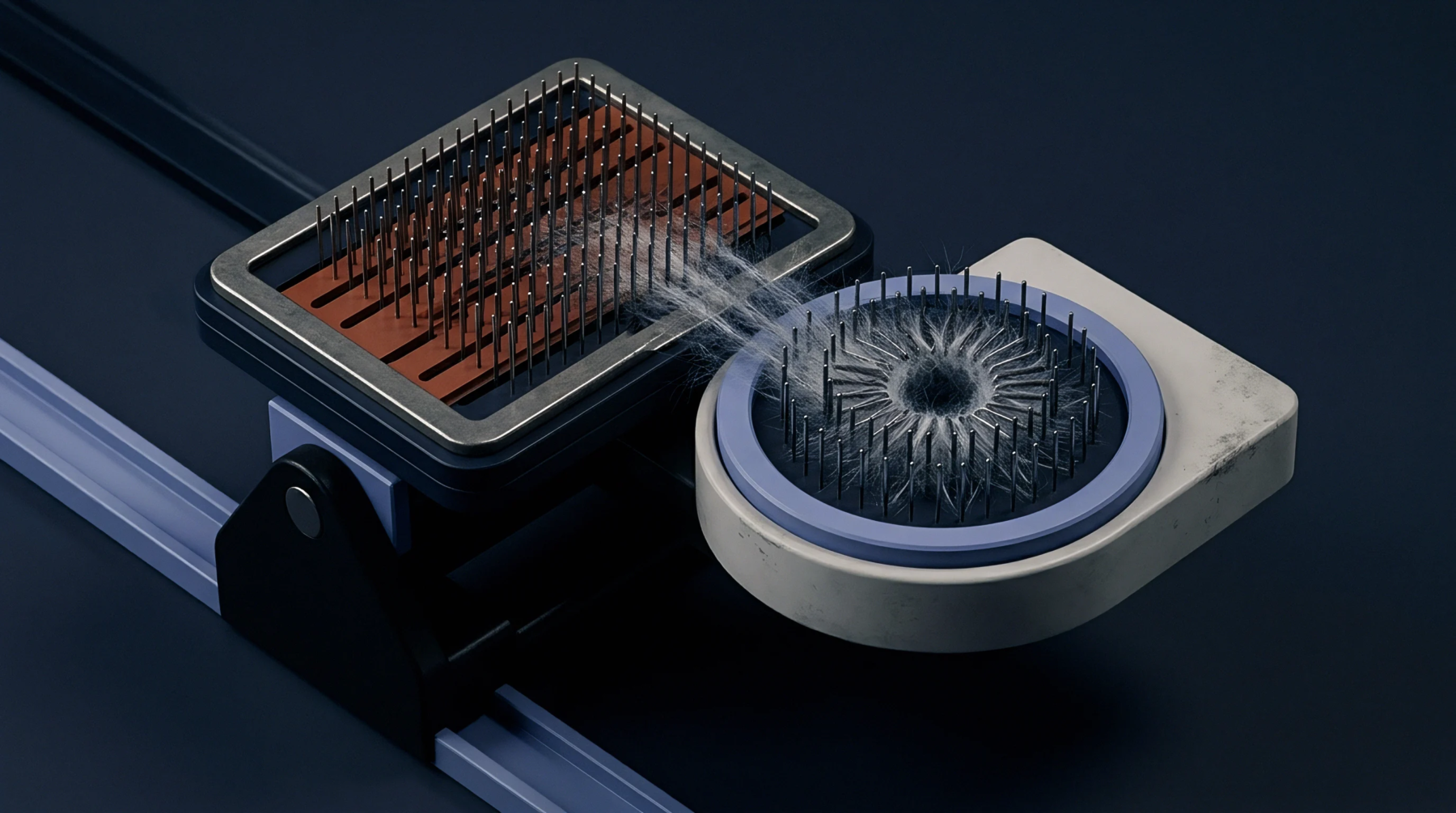
Mechanical Degradation
Microscopic shockwaves generated by collapsing vapor bubbles in liquid finishing chemicals represent a highly destructive force that targets internal pump components and nozzle surfaces. High pressure differentials within textile processing machinery often induce cavitation erosion, which strips protective coatings and pits steel basins.
Physical Action
Rapid changes in pressure within liquid delivery pipelines trigger the formation and subsequent violent collapse of tiny gas cavities. When these cavities implode near a solid boundary, they create localized microjets that strike the metal with immense force and high frequency. In textile mills, cavitation erosion compromises the geometric precision of spray orifices, resulting in uneven chemical delivery across the fabric width, which causes streaks and shade variations.
This localized action degrades the surface finish over time and leaves tiny pits that disrupt the laminar flow of the finish.
Equipment Damage
The loss of material from pump impellers and nozzle plates reduces the operational efficiency of chemical dosing systems. Over time, cavitation erosion causes structural thinning, which leads to microfractures and component failure during bulk runs.
Avoidance Procedure
Maintaining higher static pressure in the feed lines or reducing the operating temperature of volatile finishing liquors prevents the formation of vapor bubbles. Designers of textile dyeing equipment often specify low-shear pumps and wider pipe diameters to keep fluid velocities within safe limits. These measures ensure that the pressure remains above the vapor point of the chemical mixture.