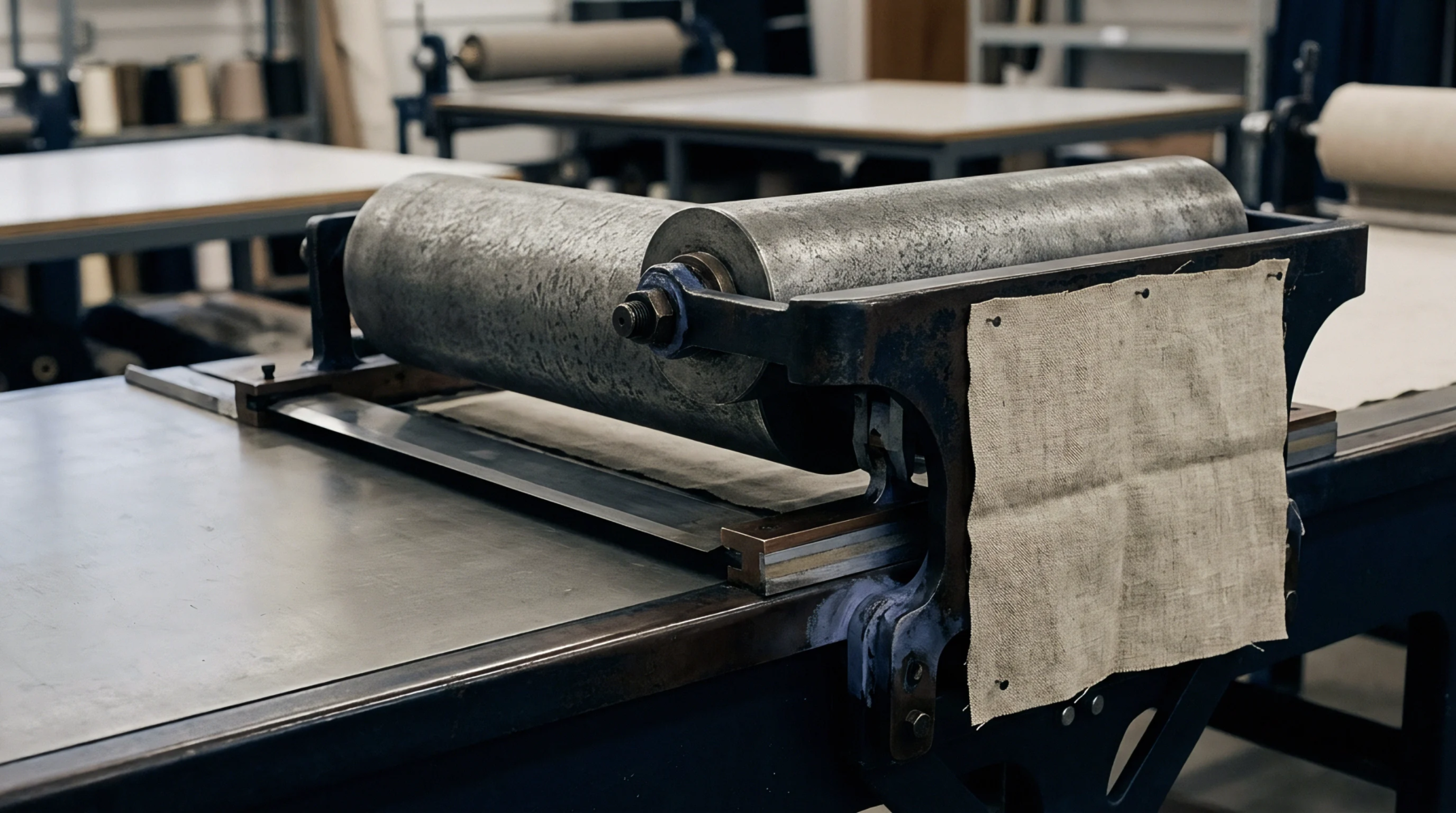
Integrating Sphere Calibration Mechanics for Textured and Filament Woven Fabric Production
Calibration of spectrophotometer integrating spheres requires SCI mode and port sizes above 25 mm to eliminate micro-shadowing errors on textured weaves.
Calibration of spectrophotometer integrating spheres requires SCI mode and port sizes above 25 mm to eliminate micro-shadowing errors on textured weaves.
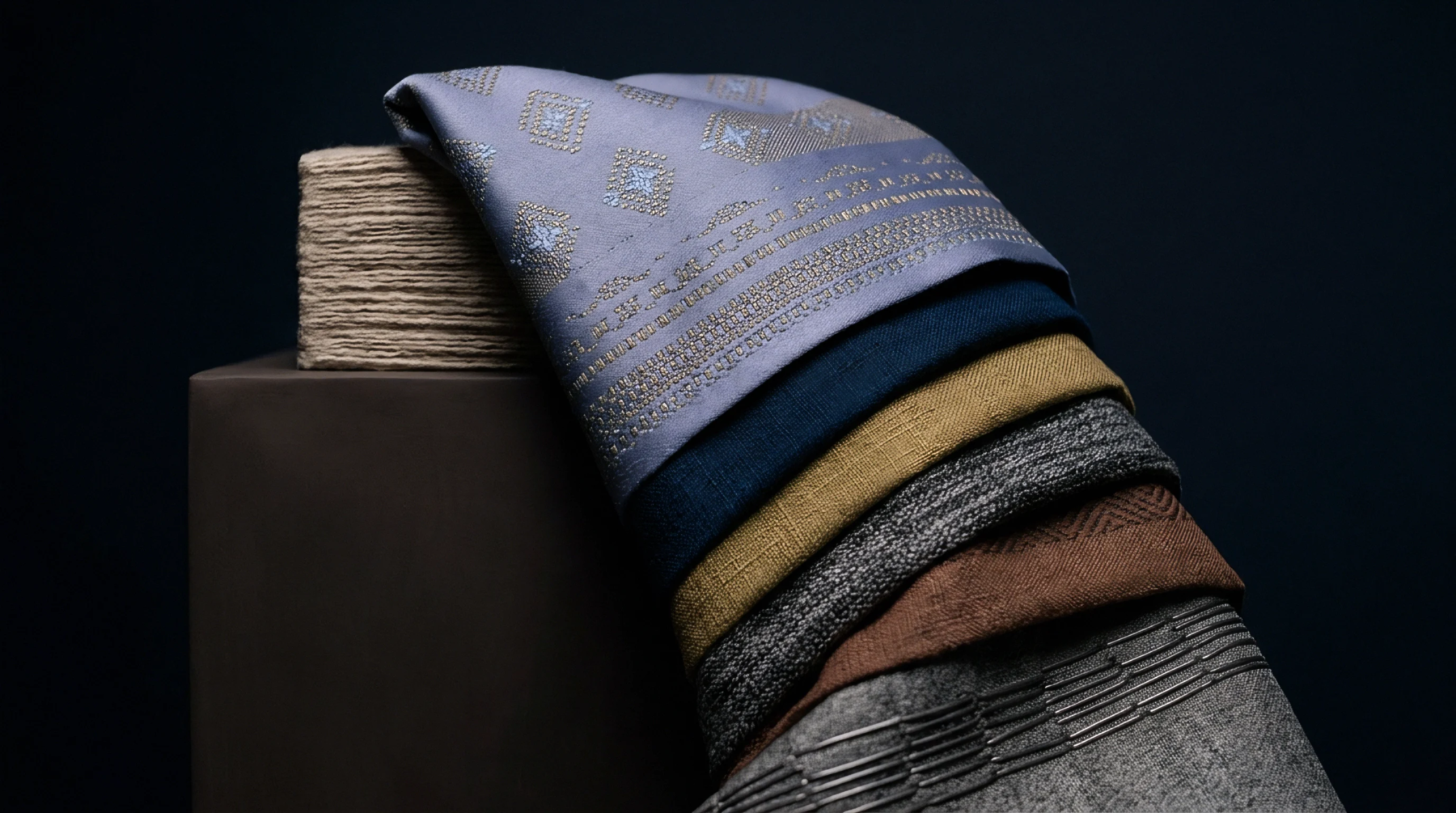
White speck claims are calculated by multiplying downgraded yardage by the contract price spread and adding garment cutting scrap waste adjustments.

Digital textile standards require specular-included d/8 geometry, UV energy calibration, and matrix transformation to hold inter-instrument drift under 0.15 DE.

Digital shade clearance across disconnected dyehouses requires matched optical geometries, traceable BCRA ceramic tile calibration, and strict ISO conditioning.
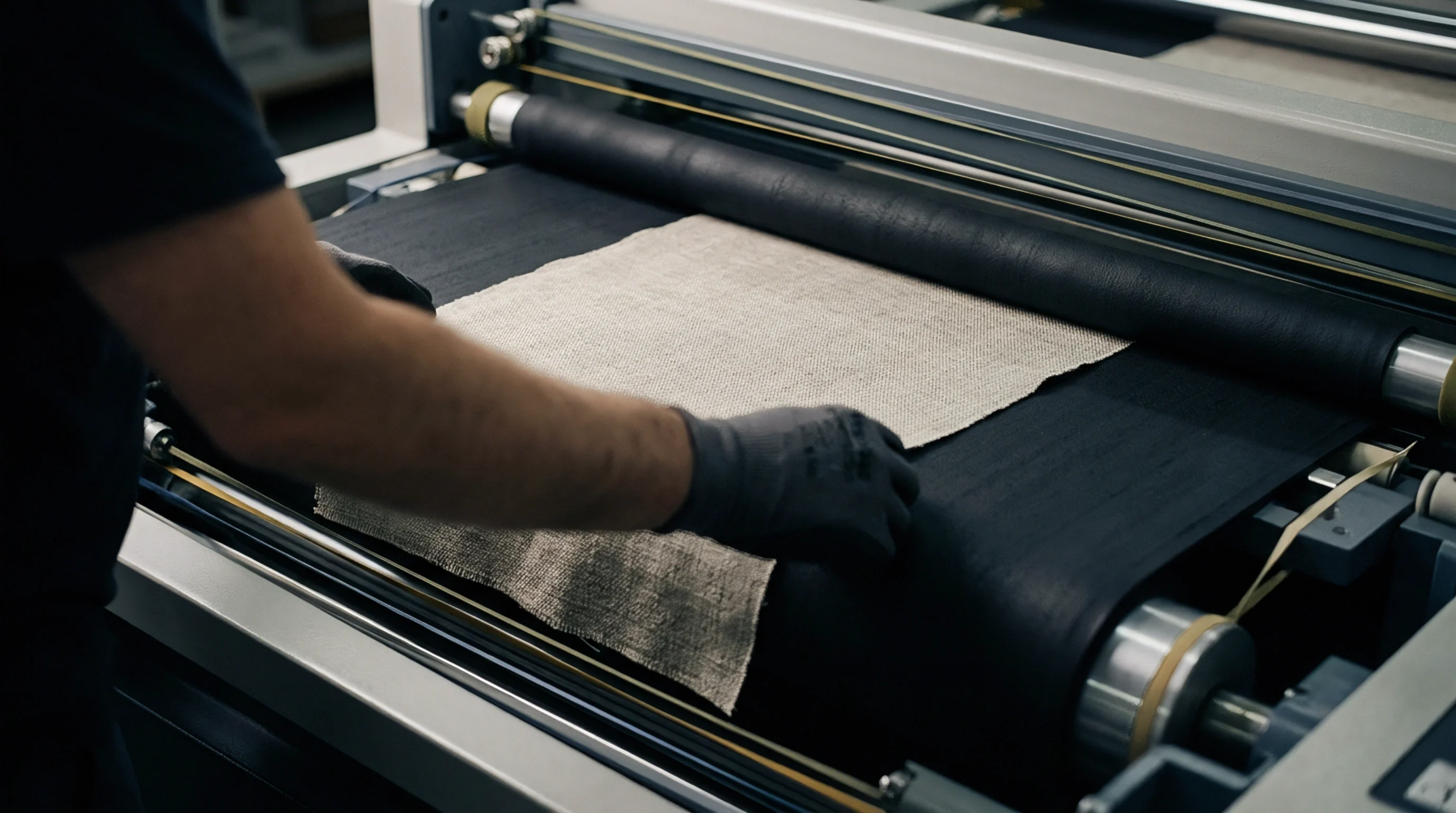
Digital single pass printing delivers lower unit costs below three thousand metres while rotary screens dominate higher volumes through cheap paste chemistry.
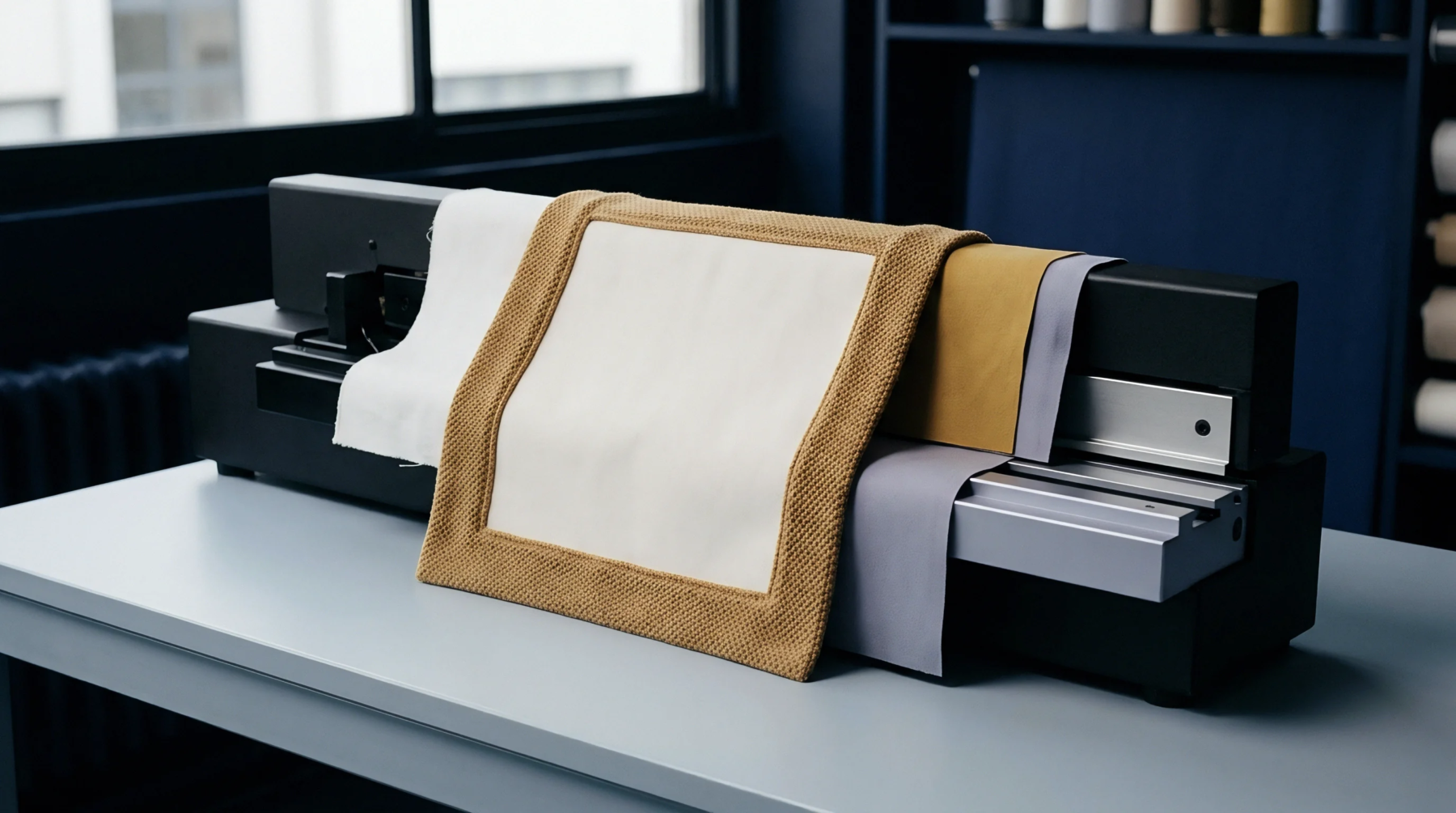
Specify d/8° specular included for dye formulation and d/8° specular excluded or 45°/0° for bulk shade sorting to isolate surface texture from color yield.
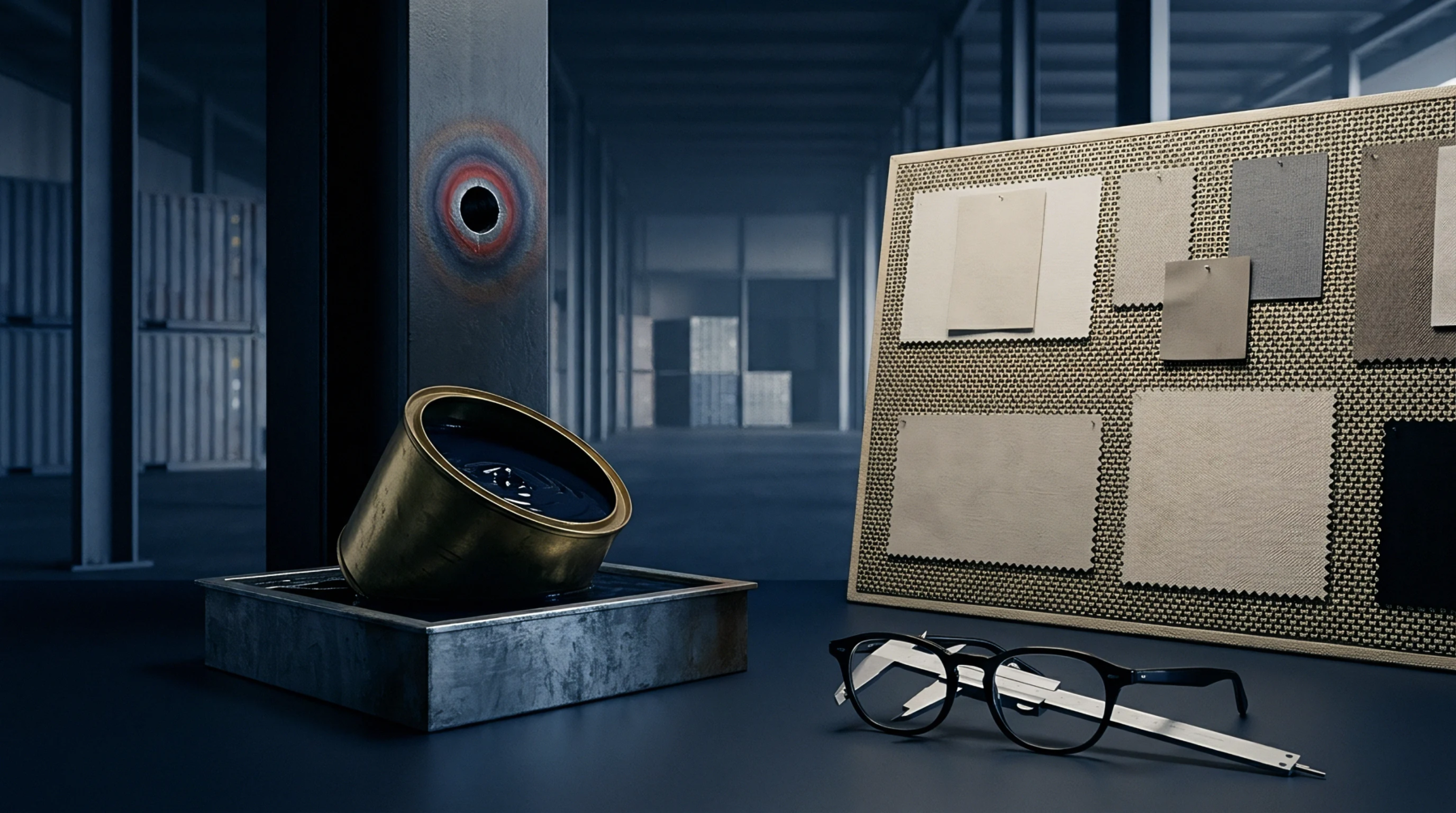
Optimizing liquor ratios requires balancing steam and salt savings against pump turnover rates to prevent severe shade unlevelness and mechanical creasing.

Enforceable split sample protocols mandate nitrogen-sealed tripartite swatches, pre-agreed ISO 17025 test methods, and statistical reproducibility limits.

Enforce CIE DE2000 spectrophotometric shade tolerance limits under dual illuminants with strict fabric conditioning to prevent batch rejections.
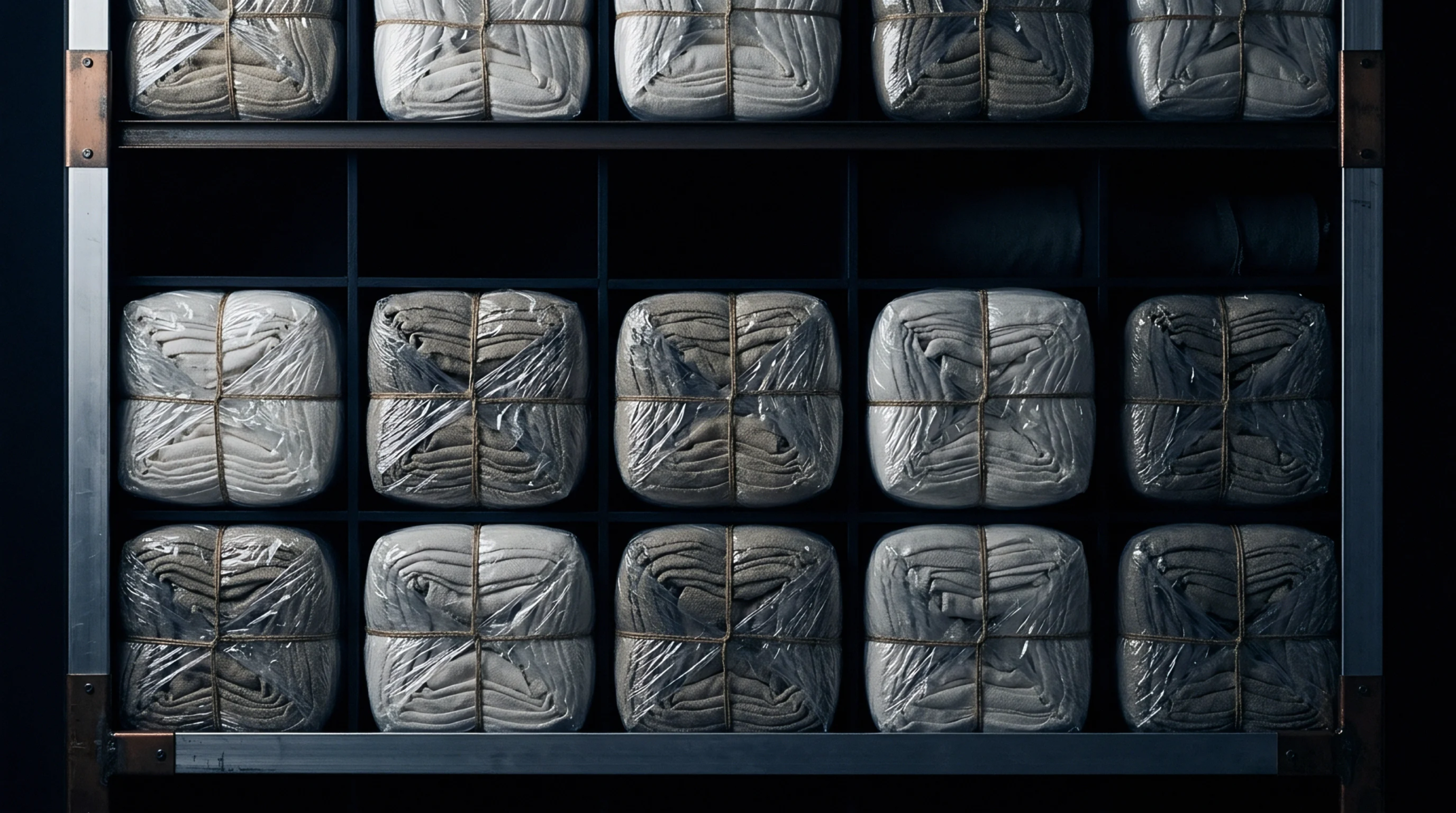
Split dyeing batch shade consistency depends on spectrophotometric reflectance curve matching across multiple illuminants and strict stenter thermal control.
Expertise is a utility, not a secret. sentiention™ publishes its working knowledge as open reference: intelligence layer covering the materials it sources, the markets it enters, and the reference that serves both.