Calculating Post Dyeing White Speck Claims in Fine Cotton Fabrics
White speck claims are calculated by multiplying downgraded yardage by the contract price spread and adding garment cutting scrap waste adjustments.


Wall
Cellulose deposition in cotton fibers depends directly on growing thermal units and crop maturation timing. When environmental stress or premature harvesting interrupts secondary wall growth, the fiber cavity remains largely empty, leaving a thin outer lumen of primary cellulose. These unripened structures flatten into ribbon-like shapes during ginning and rolling.
When processed through opening and carding, the flexible thin-walled fibers collapse and twist around rigid mature fibers, creating dense entanglements known as biological neps. Fine yarns spun from fine counts like Ne 60/1 to Ne 80/1 concentrate these neps because fewer total fibers comprise the yarn cross-section, causing every structural irregularity to sit near the yarn surface.

Cellulosic Deposition and Fiber Maturity
Secondary cell development places crystalline beta-glucan chains within the internal cavity of the cotton hair. Fully matured fibers achieve a cross-sectional wall area ratio exceeding zero point six zero, providing structural resistance against mechanical folding. In contrast, immature fibers exhibit a wall area ratio below zero point three zero.
Advanced Fiber Information System measurements record this difference through the Maturity Ratio parameter. Raw cotton lots displaying an average Maturity Ratio below zero point seven eight contain high proportions of immature fiber content, often exceeding ten percent by weight. Thin cell walls resist dye uptake.
A cotton lot with an Advanced Fiber Information System maturity ratio below 0.78 generates up to four times more dye-resistant surface neps after fabric piece dyeing than a fully matured lot.

Nep Formation Mechanics in Fine Yarns
High speed carding actions crush weak, unripened cotton hairs into tight structural tangles. High wire density on card clothing bends thin-walled fibers without orienting them parallel to the sliver axis. Combing removes a fraction of these entanglements, yet flat, elongated neps pass through comb wires because their small mass evades mechanical extraction.
During ring spinning, surface neps migrate to the outer sheath of the yarn structure due to centrifugal forces. When the yarn is woven or knitted into grey material, these tangled bundles sit exposed on the face of the cloth, ready to reject dyestuff during piece dyeing.
| Cotton Variety | Micronaire Range | AFIS Maturity Ratio | AFIS Nep Count (neps/g) | Dye Acceptance Defect Rate |
|---|---|---|---|---|
| Extra Long Staple Egyptian Giza 86 | 3.8 – 4.2 | 0.86 – 0.90 | 65 – 85 | 0.4% |
| American Pima ELS | 3.7 – 4.1 | 0.85 – 0.88 | 70 – 95 | 0.6% |
| Fine Upland Southeastern | 3.4 – 3.7 | 0.76 – 0.80 | 140 – 190 | 2.8% |
| Low-Micronaire Upland Stripper | 2.8 – 3.3 | 0.68 – 0.74 | 220 – 310 | 6.5% |
Spinners frequently attribute light spots to non-lint trash or dye house bath temperature fluctuations rather than raw stock maturity deficiencies.

Count
Visual quantification of surface specks requires calibrated lighting and standardized viewing geometry. Inspectors evaluate dyed material swatches to differentiate between biological immature fiber neps and mechanical processing defects. Immature fiber neps register as distinct white or pale specks, whereas trash particles exhibit dark brown or black woody centers.
Chemical resist spots from silicone oils or paraffin wax produce circular, diffused rings with partial dye penetration. Precise identification isolates raw fiber non-conformance from knitting oil contamination or grey cloth preparation errors.
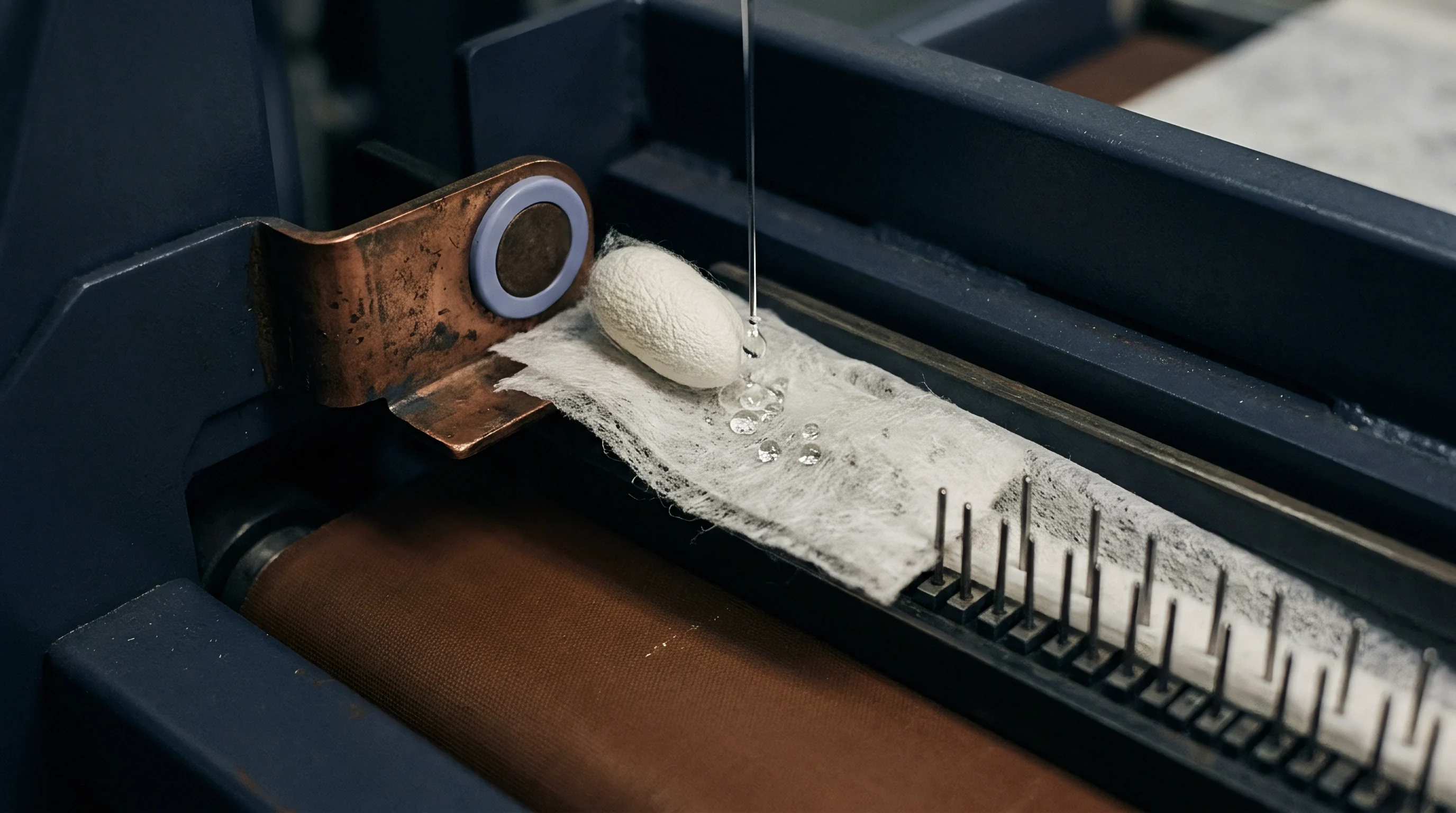
Optical Quantification of Surface Defects
Specimen swatches undergo examination under controlled D65 daylight illuminants at five hundred lux intensity. Operators position the dyed specimen at a forty-five-degree angle relative to the viewing axis. Counting visible white specks across a template area of one hundred square centimeters yields the numerical defect density.
Fine combed poplins and high-gauge knits require magnification templates to count specks smaller than zero point five millimeters. Immature fibers lack cellulose. Dark dyes accentuate white specks.

AATCC and ASTM Inspection Frameworks
Standardized test methods establish objective criteria for grading dark dyed cotton materials. ASTM D3990 provides visual reference standards for classifying textile surface defects, rating cloth quality from Class 5 for zero specks down to Class 1 for severe specking. AATCC Test Method 178 utilizes image analysis systems to measure total speck surface area percentages.
Automated optical scanners capture color reflectance spikes across dark ground shades, converting gray-scale contrast values into quantitative speck counts per square meter.
Distinguishing visual characteristics of dye failure modes establishes accountability across processing stages:
- Biological Immature Neps appear as irregular white or light pastel fiber clusters under ten-times magnification, lacking central seed hull fragments or oil rings.
- Seed Coat Fragments feature a dark, hard pericarp center surrounded by partially dyed fuzz fibers, originating from aggressive ginning teeth.
- Silicone Wax Resists exhibit smooth circular shapes with faint perimeter boundaries, fading under solvent extraction tests.
- Dye Agglomeration Spots show intense dark color spots formed by insoluble dyestuff precipitates in the dye bath.
Visual evaluation under standardized daylight conditions identifies immature fiber defect clusters long before full garment cutting begins.

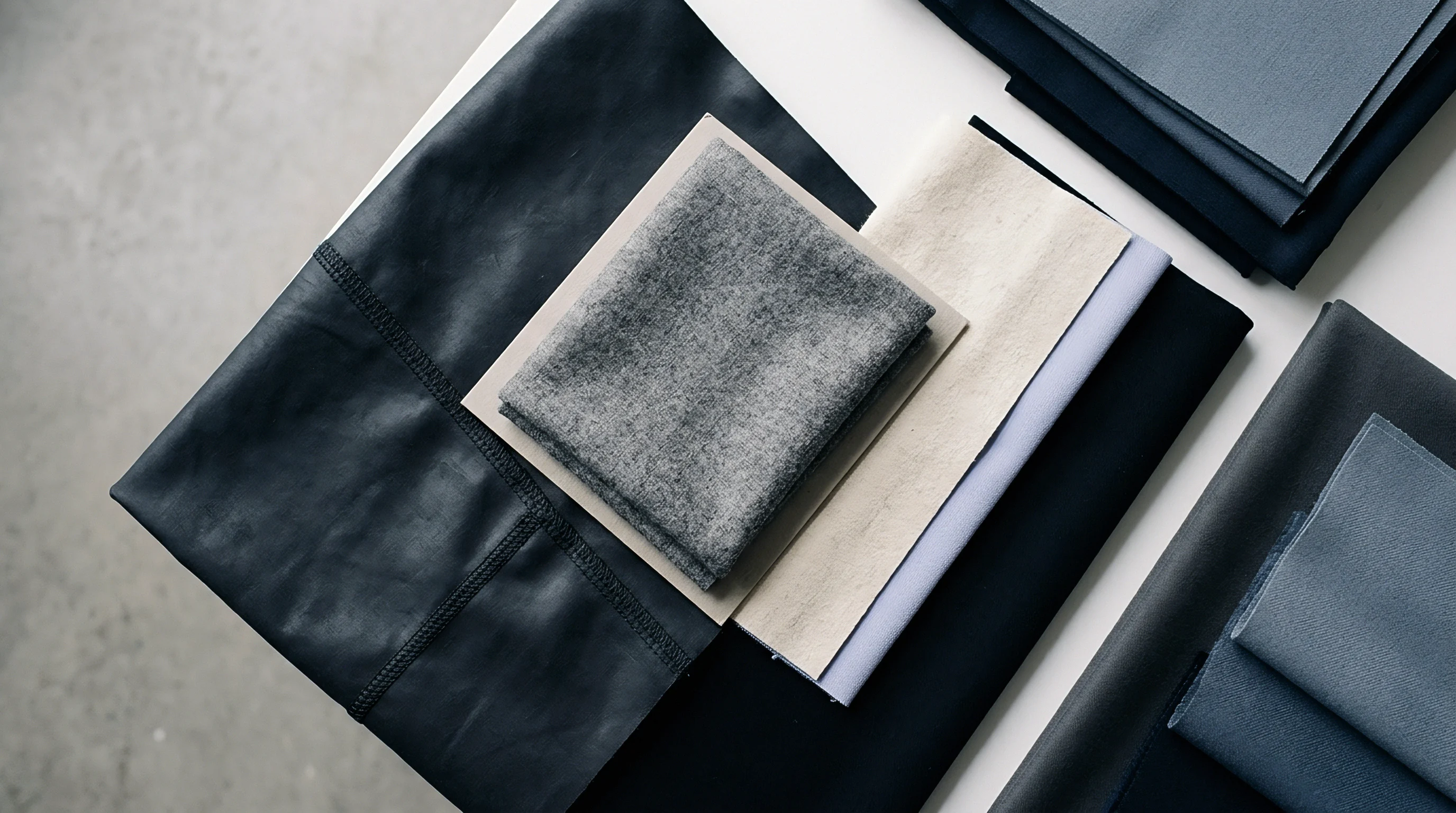
Shade
Direct and reactive colorants require fully formed secondary cell structures with abundant hydroxyl groups to create covalent bonds. In mature cotton fibers, crystalline cellulose provides thousands of accessible hydroxyl binding sites per chain segment. Immature fibers consist primarily of primary cell walls rich in pectins, waxes, and non-crystalline hemicellulose.
These non-cellulosic compounds lack the chemical structure needed to fix reactive dyestuffs under standard alkaline dyeing conditions. Consequently, colorant molecules wash off unripened fiber clusters during post-dyeing rinsing cycles, leaving bare white spots exposed.

Reactive Dye Kinetics on Low Cellulosic Structures
Colorant molecules float past thin fiber clusters because insoluble crystalline regions fail to fix the liquor. Vinyl sulfone and monochlorotriazine dyes display high affinity for secondary wall hydroxyls at pH eleven point five to twelve point zero. When dye bath liquor penetrates an immature fiber bundle, the low density of hydroxyl groups limits nucleophilic substitution reactions.
Spectrophotometers measure this failure as a localized reflectance peak. The color contrast delta E between the background ground shade and the white speck frequently exceeds twelve units on dark navy or sulfur black dyeings. Heavy shade contrasts highlight specks.
Increasing dyestuff concentration in the jet machine deepens the ground shade while leaving raw immature fiber centers uncoloured.

Caustification and Mercerization Mitigations
Concentrated sodium hydroxide baths expand flat, ribbon-like cotton hairs into rounded cylindrical profiles. Mercerization treatments applying twenty-eight to thirty degrees Baume sodium hydroxide under tension force structural realignment of primary wall cellulose. This swelling increases accessibility to internal hydroxyl sites, boosting dye exhaustion rates on immature fibers.
Mercerization swells flat fibers. However, tight mechanical neps resist complete liquor penetration, retaining un-dyed core centers that rupture during subsequent garment finishing or laundering.
| Dye System | Pre-Treatment State | Speck Density (specks/100 cm²) | Ground Shade Delta E | Visual Defect Grade |
|---|---|---|---|---|
| Reactive Black 5 (Vinyl Sulfone) | Unmercerized Grey Goods | 24.2 | 14.8 | Grade 2 (Poor) |
| Reactive Black 5 (Vinyl Sulfone) | Caustified (18° Baume) | 11.5 | 7.2 | Grade 3 (Fair) |
| Reactive Black 5 (Vinyl Sulfone) | Mercerized (30° Baume) | 3.1 | 2.4 | Grade 4 (Good) |
| Reactive Blue 21 (Phthalocyanine) | Unmercerized Grey Goods | 31.0 | 16.2 | Grade 1 (Unacceptable) |
| Reactive Blue 21 (Phthalocyanine) | Mercerized (30° Baume) | 5.4 | 3.1 | Grade 4 (Good) |
| Testing conducted on Ne 50/1 combed single jersey cotton knitted cloth dyed at 1:10 liquor ratio under standard mill conditions. Visual grading follows ASTM D3990 scale. | ||||
Whether enzymatic biopolishing prior to dyeing can eliminate surface neps without sacrificing overall tear strength remains a subject of ongoing mill evaluation.
Audit
Technical evaluation of a disputed delivery relies on rigorous sampling before financial adjustments apply. Inspection teams draw swatches from multiple rolls to establish statistically valid defect rates across the shipment. Testing raw bales prevents claims.
Formal evidence dossier creation requires combining fiber classing records, yarn quality certificates, and optical inspection metrics from accredited laboratories.

Standardized Laboratory Verification Protocols
Formal evidence packages combine raw cotton classing data with finished material visual evaluations. Laboratory technicians isolate white specks from dyed swatches using fine forceps. Scanning electron microscopy confirms whether the speck consists of collapsed primary cell walls or foreign synthetic contamination.
High-performance liquid chromatography verifies that proper dye bath fixation occurred on surrounding mature fibers, ruling out chemical auxiliary failure. Audit records protect yarn buyers.

Sampling Matrix for Incoming Finished Rolls
Ten percent of delivered bolts are selected at random across the production lot. Technicians cut full-width swatches five hundred millimeters long from each selected roll, discarding the outer two wrap layers. The sampling sequence follows standardized physical steps:
- Select ten percent of delivered bolts randomly across the shipping container lot.
- Condition swatches for twenty-four hours at twenty degrees Celsius and sixty-five percent relative humidity.
- Mount specimens under a D65 daylight source inside an optical booth set to five hundred lux.
- Record every white speck exceeding zero point two millimeters diameter within a marked one hundred square centimeter frame.
- Calculate mean speck density and standard deviation across all sampled swatches to verify contract threshold compliance.
Standard cotton yarn procurement agreements incorporating an Advanced Fiber Information System immature fiber content cap under six percent transfer financial responsibility for post dyeing white specks back to the spinning mill.

Ledger
Financial debit calculations turn on the quantitative difference between contract specification caps and lab test results. When piece-dyed cotton materials fail optical inspection thresholds, buyers issue debit notes covering fabric price markdowns, re-dyeing surcharges, or total scrap allowances. Calculating the claim requires isolating affected yardage, determining the secondary market value of downgraded goods, and factoring in cutting room waste escalations.

How Do Lab Speck Counts Convert to Debit Amounts?
Dispute resolution translates optical non-conformance into price markdowns or yardage allowances. Fabrics grading Class 5 or Class 4 meet first-quality commercial standards, incurring zero debit penalty. Class 3 ratings trigger a partial claim, typically calculated as a fifteen to twenty-five percent discount off invoice value to offset secondary garment sales.
Class 2 and Class 1 ratings render material unusable for primary garment lines. Second quality goods incur markdowns. Buyers elect between returning the rolls for full credit or accepting a fifty to seventy percent discount to cover over-dyeing to black or navy shades.

Financial Claim Formulas and Yield Deductions
Commercial agreements establish tiered discount structures tied to standardized defect grades. Beyond direct fabric markdowns, white specks generate hidden costs on garment cutting tables. Pattern markers must route around visual defects, increasing marker scrap waste.
A fabric displaying eighteen specks per square meter increases cutting scrap by eight to twelve percent. The financial claim formula incorporates fabric purchase price, freight and customs duty, lost cutting room marker yield, and secondary finishing labor expenses.
The International Cotton Association rules establish that raw material non-conformance claims must be backed by accredited lab dossiers submitted within forty-five days of bill of lading issuance.

Worked Calculation for a Forty Tonne Fine Cotton Shipment
An example lot containing forty thousand kilograms of dyed combed ring-spun web illustrates the monetary debit math. Assume a contract delivery of twenty thousand meters of Ne 60/1 combed woven poplin priced at eight dollars and fifty cents per finished meter. Total invoice value equals one hundred seventy thousand dollars.
Laboratory testing reveals an average defect density of twenty-two specks per one hundred square centimeters, placing the cloth in ASTM D3990 Class 2 (Unacceptable for fine shirting).
Contract terms specify a maximum allowable threshold of four specks per one hundred square centimeters (Class 4). The buyer rejects eighty percent of the delivery as unusable for the intended pastel shirting line. The financial calculation breaks down into four operational steps:
Dispute assessment follows a structured decision sequence to calculate total claim values:
- Direct Material Downgrade Value calculates sixty percent markdown on sixteen thousand rejected meters, totaling eighty-one thousand six hundred dollars.
- Garment Marker Waste Adjustment assesses a ten percent yield penalty across the remaining four thousand meters accepted for dark over-dyeing, adding three thousand four hundred dollars.
- Re-Dyeing Surcharge Costs cover jet over-dyeing chemicals and labor at sixty-five cents per meter for four thousand meters, totaling two thousand six hundred dollars.
- Freight and Retesting Fees aggregate administrative, laboratory testing, and local transport expenses, adding two thousand five hundred dollars.
Combining these four elements yields a total credit claim debit note of ninety thousand one hundred dollars against the spinning mill or dye house. Quality discounts reduce landed margin.
| Cost Component | Contract Base Specification | Delivered Test Result | Unit Financial Impact | Total Claim Value (USD) |
|---|---|---|---|---|
| Fabric Downgrade (16,000 m) | Class 4 (max 4 specks/100 cm²) | Class 2 (22 specks/100 cm²) | $5.10 / meter (60% discount) | $81,600.00 |
| Marker Scrap Waste (4,000 m) | Standard 3% cutting waste | 13% actual cutting waste | $8.50 / meter (10% loss) | $3,400.00 |
| Re-Dyeing Labor & Auxiliaries | Single dye cycle cost | Dark over-dyeing required | $0.65 / meter | $2,600.00 |
| Lab Dossier & Transport | Zero defect administrative cost | Full accredited lab testing | Flat dossier charge | $2,500.00 |
| Net Debit Note Total | $170,000.00 original invoice | $79,900.00 retained value | 53% net claim value | $90,100.00 |
Failing to account for garment cutting table lay plan scrap rates during claim calculations results in unrecoverable financial losses for the apparel buyer.


Contract
Raw material purchasing agreements mitigate post dyeing speck risks by specifying strict fiber maturity parameters. Sourcing teams embed quantitative thresholds into yarn purchase orders, linking fiber testing to financial liability. Specifying raw cotton parameters prevents high-risk bales from entering the blowroom laydown.
Contracts specify maximum immature fiber percentages, minimum maturity ratios, and maximum yarn nep counts under standard Uster testing.

Raw Material Specifications and Fiber Procurement Clauses
Spinning mills mandate cotton classing records that confirm uniform wall development across every bale. Purchase agreements specify Micronaire ranges between three point eight and four point five for Fine Upland varieties, rejecting lots below three point five. Advanced Fiber Information System clauses mandate an average Maturity Ratio above zero point eight two and Immature Fiber Content below five point five percent.
Yarn contracts for Ne 50/1 and finer restrict Uster nep counts (+200% threshold) to under eighty neps per one thousand meters. Ginning creates mechanical neps. Reactive dyes bond to cellulose.

Risk Allocation between Spinner and Buyer
Commercial terms divide financial exposure based on pre-dyeing yarn testing obligations. Knitters and weavers maintain sample dyeing protocols, testing five-pound yarn packages in dark reactive shades prior to knitting grey cloth rolls. If sample dyeings reveal white specks exceeding contract limits, the weaver returns the yarn lot without incurring weaving or knitting conversion labor costs.
Once grey cloth undergoes bleaching or dyeing without pre-testing verification, liability shifts partially to the converter, capping claims at fabric replacement value rather than full finished garment retail price.
Standardized purchase agreements specify that technical disputes undergo arbitration through recognized industry bodies such as the International Cotton Association or the International Textile Manufacturers Federation. Laboratory test reports issued by accredited testing facilities serve as binding evidence during arbitration proceedings. Sourcing practices that integrate fiber maturity caps into original yarn procurement specifications eliminate post-dyeing debit claims before raw stock enters the spinning frame.