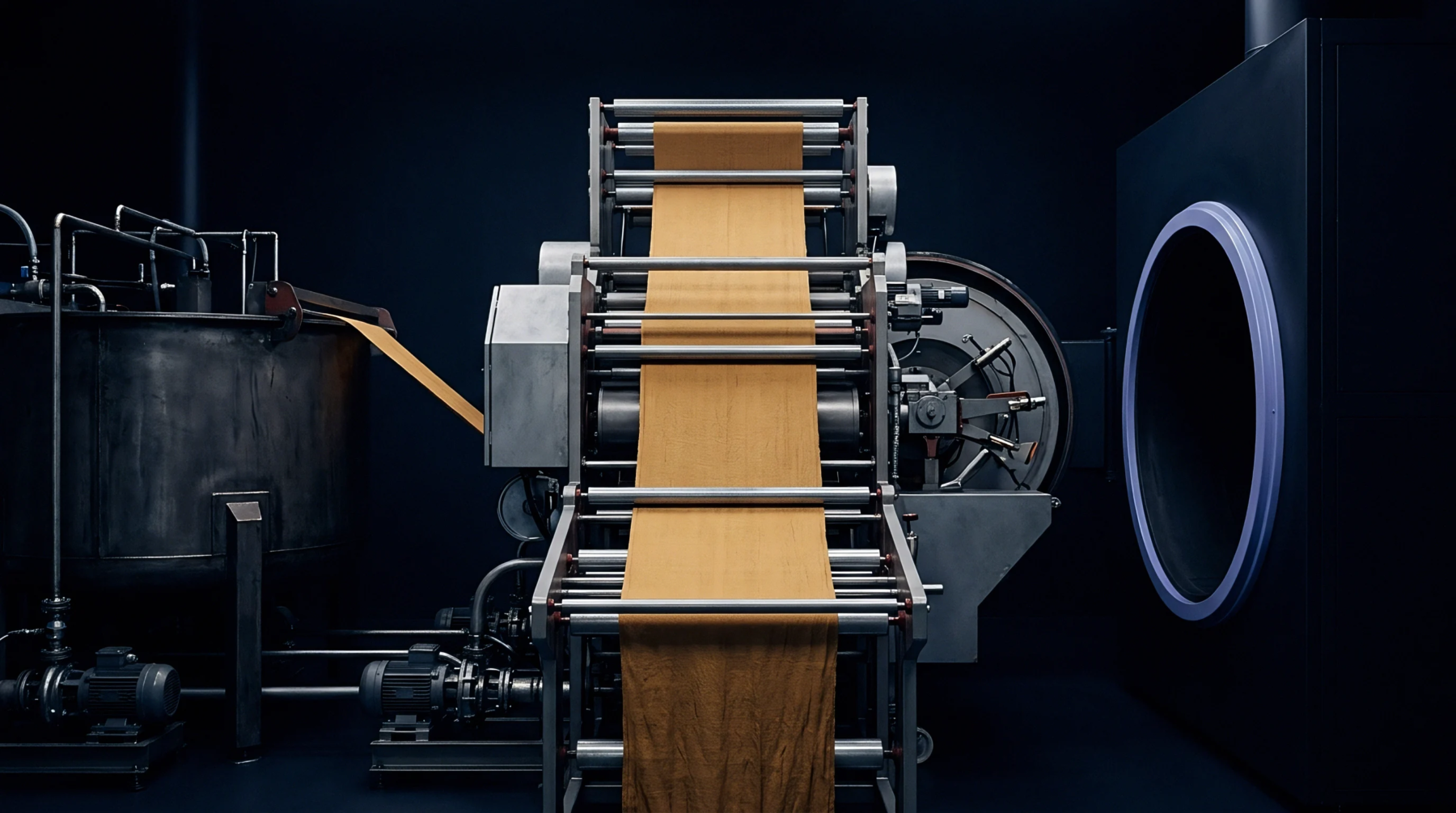
Inkjet Deposition
High precision fluid application onto textile substrates defines this technology, which utilizes micro-nozzles to eject controlled volumes of colorant onto a fabric surface without mechanical contact. Digital jet printing allows for exact pattern reproduction by translating computer-aided design data into individual pixel drops of dye or pigment. The process requires specific pretreatment of the textile to manage drop spread and fixation during the subsequent heating or steaming stages.
This method maintains high fidelity on synthetic fibres such as polyester through disperse dye sublimation or on natural fibres using reactive ink chemistries.
Colorant Accuracy
The system monitors drop frequency and satellite droplet formation to ensure uniform saturation levels across wide widths of fabric. Each nozzle array adjusts the firing rate based on the intended depth of shade required at any specific grid coordinate on the material. Uniformity depends upon the stability of the ink viscosity and the consistency of the pretreatment layer applied before printing.
Deviations in nozzle health lead to visible lines or banding that disqualify the fabric from luxury or high-end apparel orders.
Substrate Compatibility
Surface energy characteristics of the textile determine how well the droplets anchor during the initial impact phase of the application. Natural fibres often demand higher quantities of pretreatment to prevent bleeding, whereas polyester relies on the thermal properties of the fiber to accept the gaseous dye phase. Heavy textiles with high pile or irregular surface textures increase the risk of inconsistent distance between the print head and the fabric, which degrades the sharpness of the printed design.
Successful production balances the tension of the fabric transport system against the speed of the head carriage to avoid smearing or registration errors.
Operational Output
Throughput rates depend on the number of active nozzles and the resolution required to hit the desired aesthetic standard of the finished good. Manufacturers report output as square metres per hour under defined ink coverage densities. Production batches require constant calibration of the colour management software to compensate for small variations in the chemical composition of the base substrate.
This technology supports shorter production cycles because it eliminates the need for physical screens required in conventional rotary methods.