Covalent Bonding
Chemical reactions occurring between the reactive group of a dyestuff and the hydroxyl groups of cellulose fibers establish a permanent covalent bond that provides high wash fastness. The process of reactive dye fixation requires specific temperature and pH levels to initiate the chemical linkage. Without this activation, the dye remains loose and washes out during the subsequent rinsing stages.
This reaction is the defining step in the coloring of cotton garments.
Reaction Parameters
Alkaline conditions, typically achieved by adding soda ash, trigger the reaction by deprotonating the cellulose hydroxyl groups. This modification enables them to attack the reactive centers of the dye molecules. The rate of reactive dye fixation increases as the temperature rises, but excessive heat can cause dye hydrolysis where the dye reacts with water instead of the fiber.
Fixation Technique
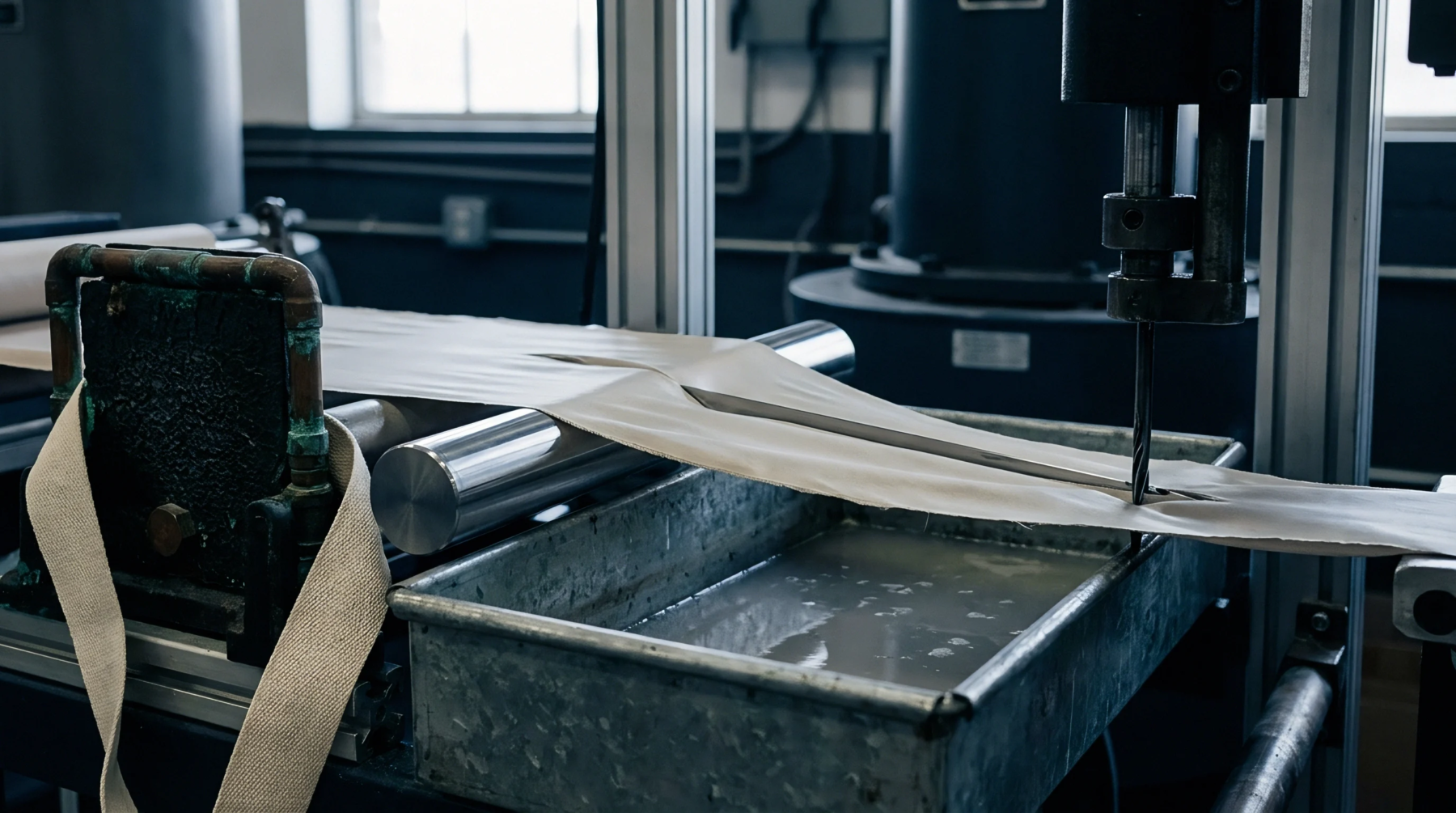
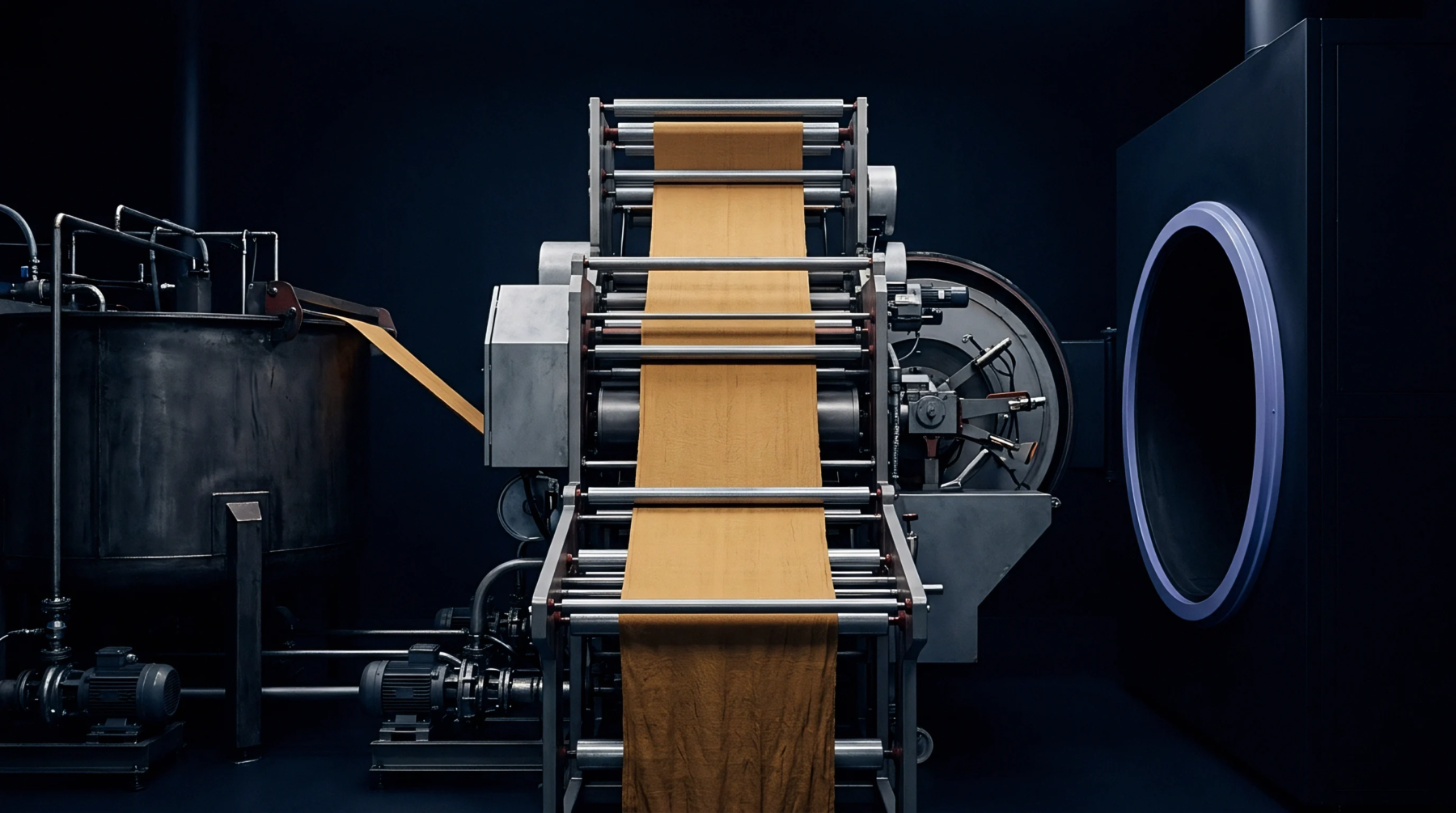
Pad-dry-cure and cold pad-batch represent the primary commercial methods for executing this reaction. In the pad-batch method, the padded fabric is wrapped in plastic film and rotated for several hours at room temperature to allow the chemical reaction to complete.
Process Verification
Wash tests and colorimetry confirm that the dye has locked into the fiber structure and will not bleed during laundering.