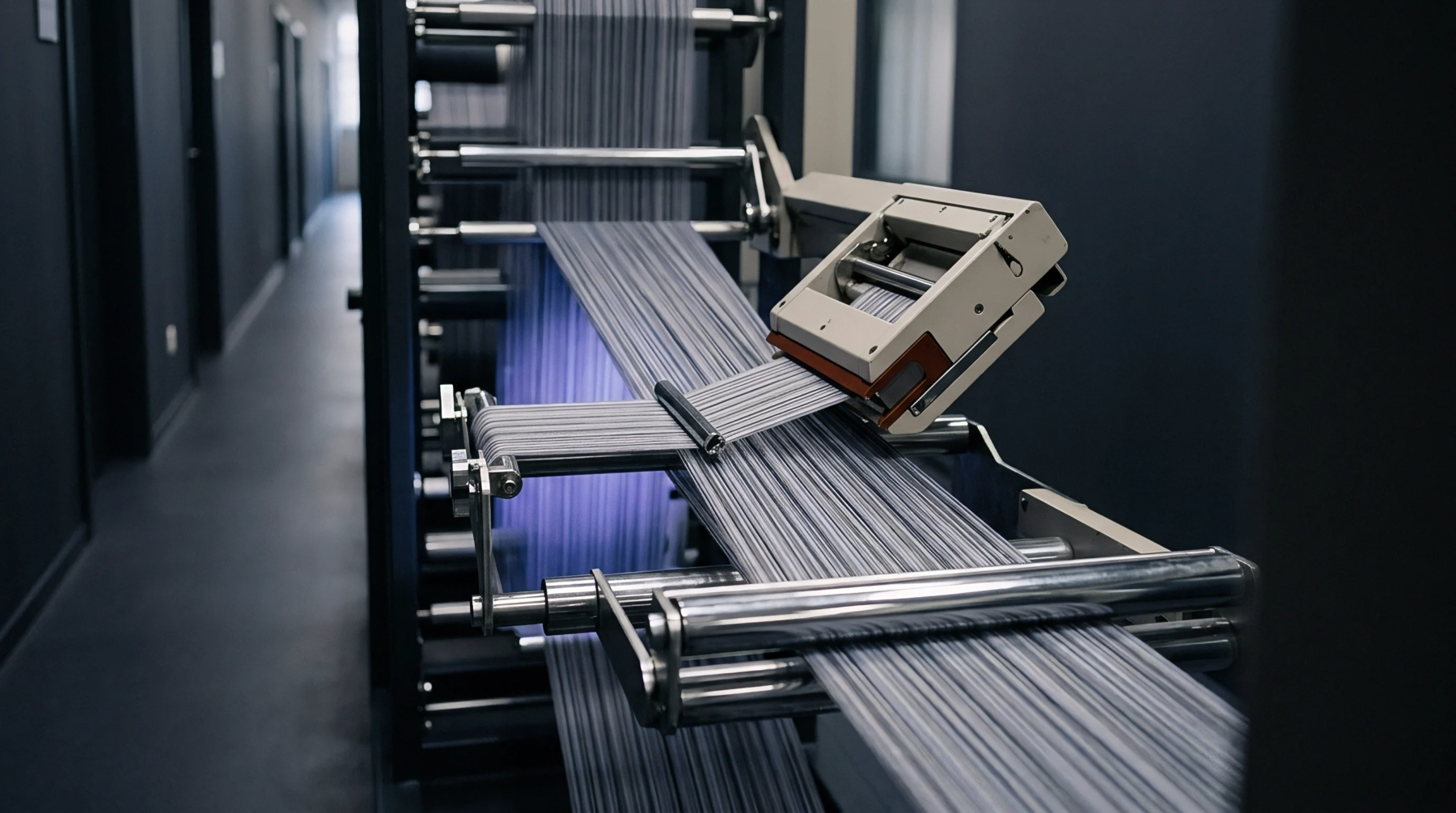
Warp Yarn Tension Uniformity in High Speed Sectional Warping
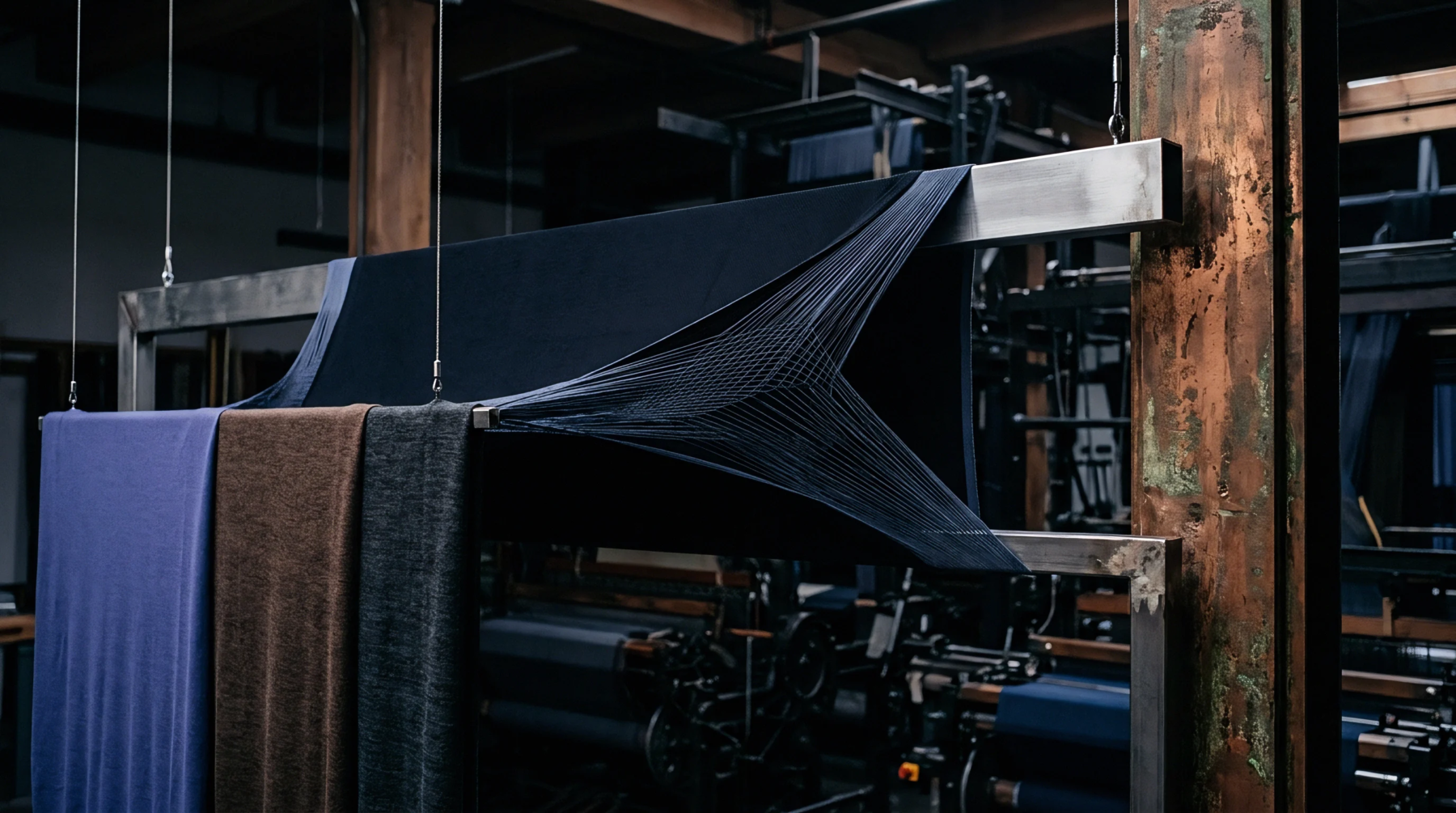
Maintain creel tension variance under eight percent to eliminate differential yarn elongation and prevent warp barre across high-speed sectional beaming runs.
Maintain creel tension variance under eight percent to eliminate differential yarn elongation and prevent warp barre across high-speed sectional beaming runs.

Core penetration in heavy twills demands submerged nip saturation and 180-second saturated steam dwell to prevent pale ring-dyeing faults and shade rejection.

Greige sett density determines yarn mobility and crimp capacity, directly establishing wet processing shrinkage and final finishing compaction limits.

Dense viscose ply yarns require controlled swelling alkali blends to eliminate core fixation gradients during dynamic steam fixation.
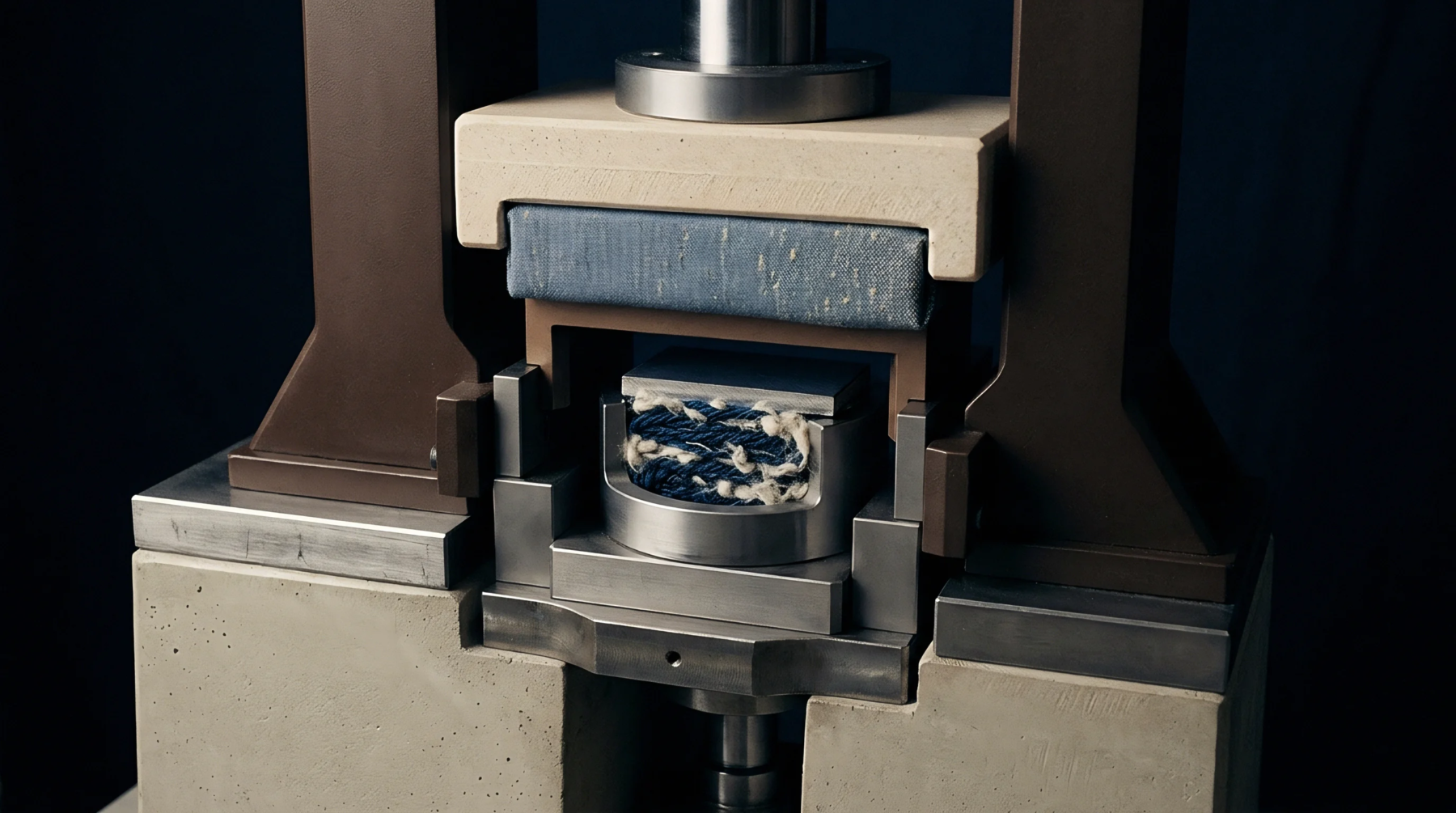
High warp cover factors restrict weft straightening, forcing non-linear widthwise contraction during wet relaxation, demanding engineered stenter overfeed.
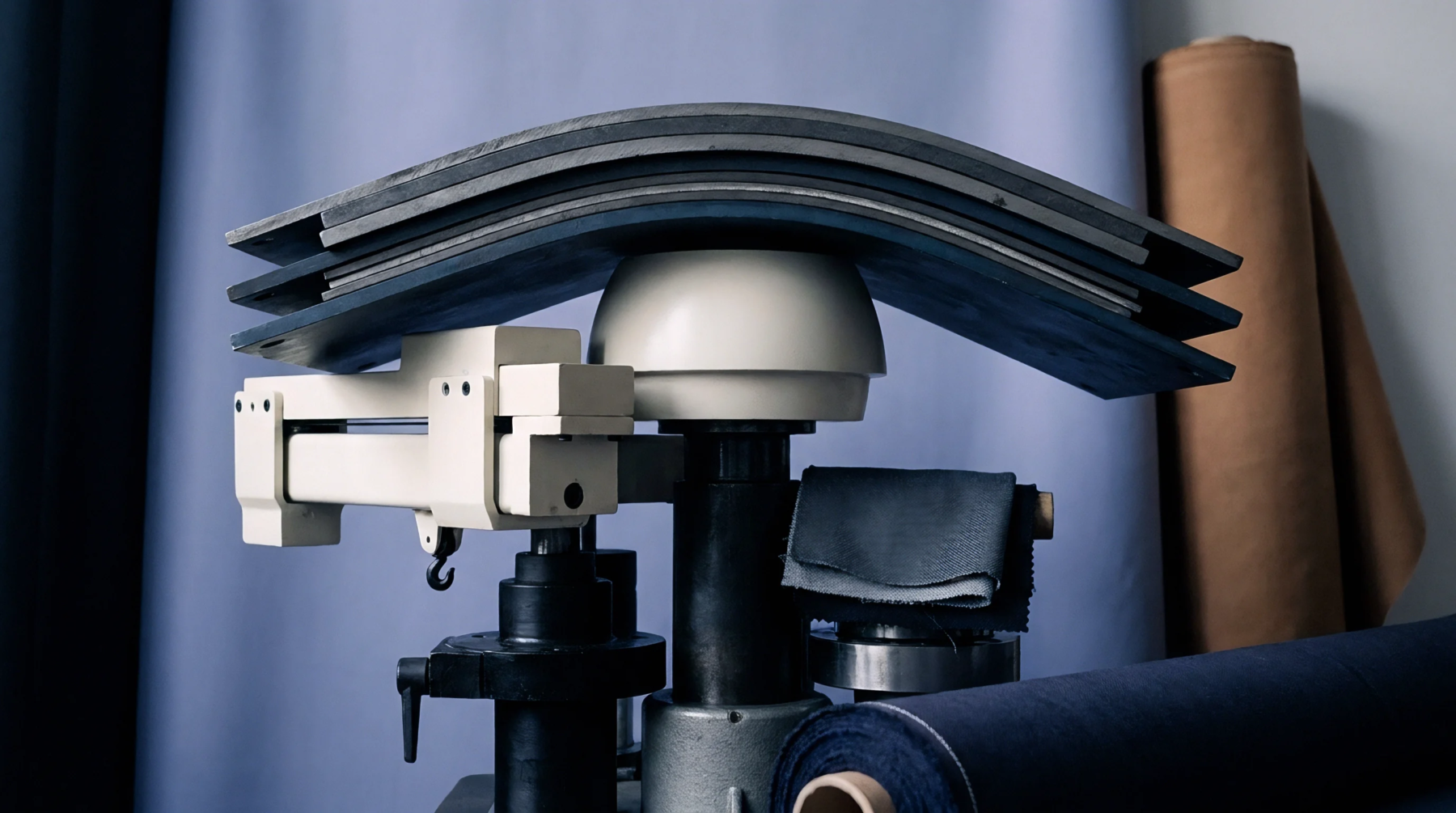
Parabolic sodium sulfate metering prevents surface ring dyeing in high cover factor cotton duck by maintaining constant dye exhaustion velocity across dense yarns.
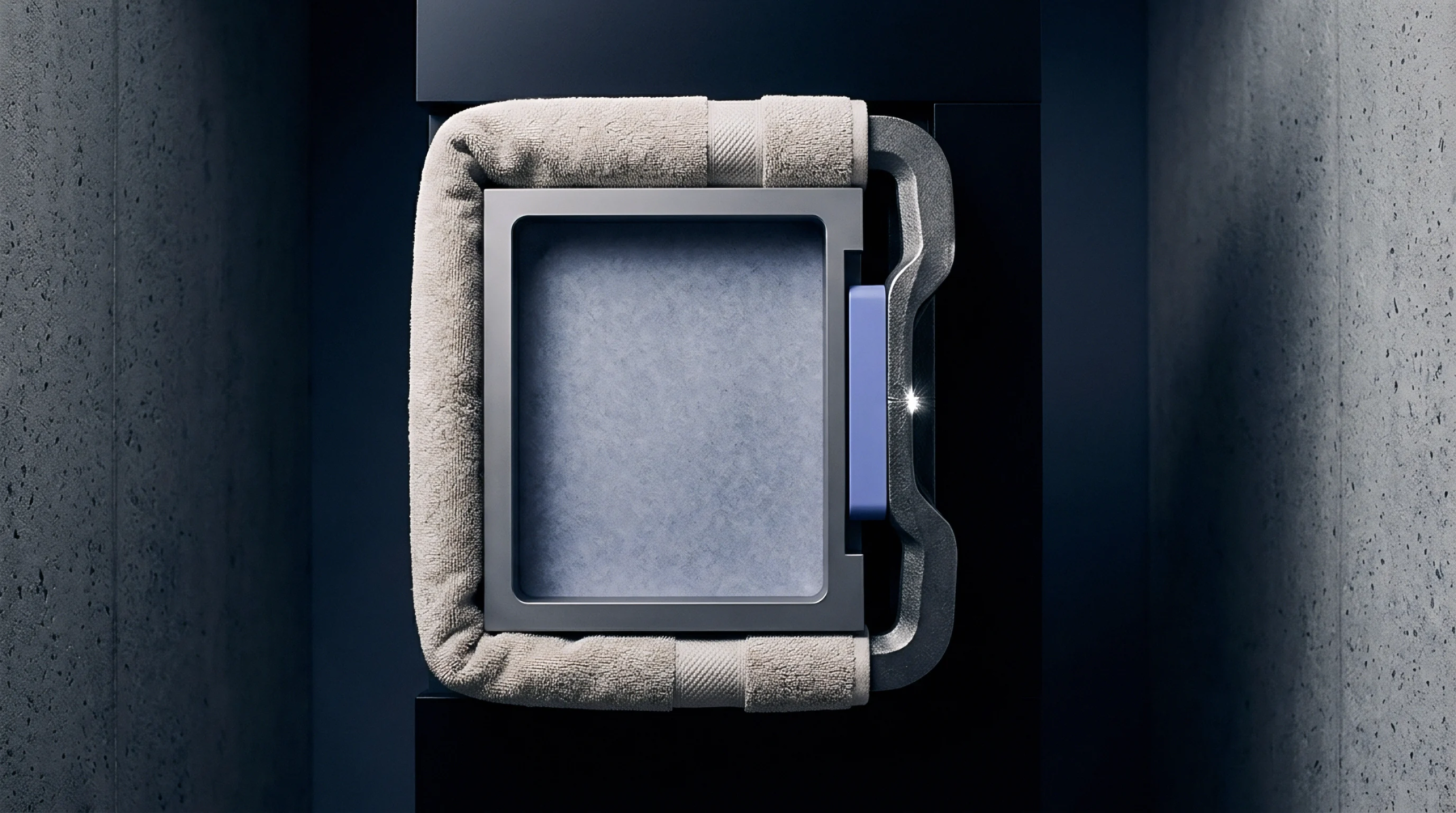
Localized cotton rope hydrolysis kinetics depend on core capillary ion concentration and localized temperature dynamics rather than bulk liquor pH.
Warp cover factor calculation requires precise yarn diameter, density, and count conversions to establish enforceable fabric specifications and prevent bulk weaving defects.
Expertise is a utility, not a secret. sentiention™ publishes its working knowledge as open reference: intelligence layer covering the materials it sources, the markets it enters, and the reference that serves both.