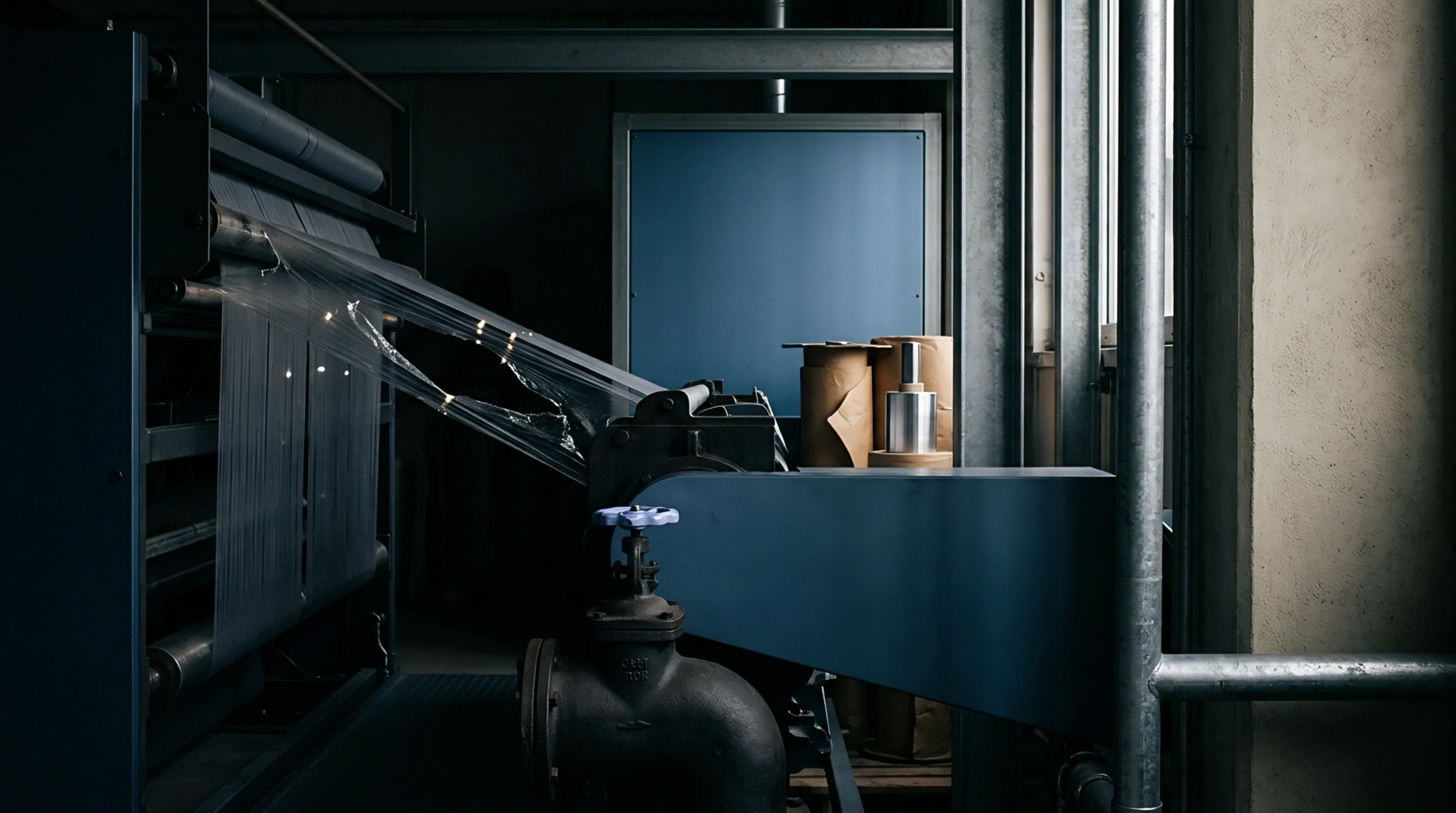
Processing Sequence
Industrial preparation of polyester or poly-cotton blends involves applying heat and chemicals to stabilize the fabric before the dye application. The pad thermosol preparation stage ensures that the substrate is clean, dry, neutralized and tensioned correctly for high-temperature pigment fixation. It establishes the physical state required for uniform colour uptake across thousands of metres of fabric.
Thermal Mechanism
Fabric passes through a padder where it absorbs a chemical solution and then enters a drying zone before moving into the high-heat thermosol chamber. Temperatures inside the unit reach two hundred degrees celsius to swell the polyester fibres and allow dye molecules to migrate into the polymer structure. Timing is controlled to prevent melting or yellowing of the textile.
Uniformity Control
Precise moisture management is required before the fabric enters the heat zone to avoid migration streaks. If the moisture content is uneven, the dye will concentrate in the wetter areas during drying. Operators monitor the nip pressure on the padder and the air velocity in the oven to maintain consistency.
Successful pad thermosol preparation results in a level shade that meets commercial fastness requirements.
Material Limitation
Natural fibres like wool or silk cannot withstand the intense heat of this specific method. It is reserved for synthetic materials or blends that require sublimation heat for dye penetration.