Origin Factor
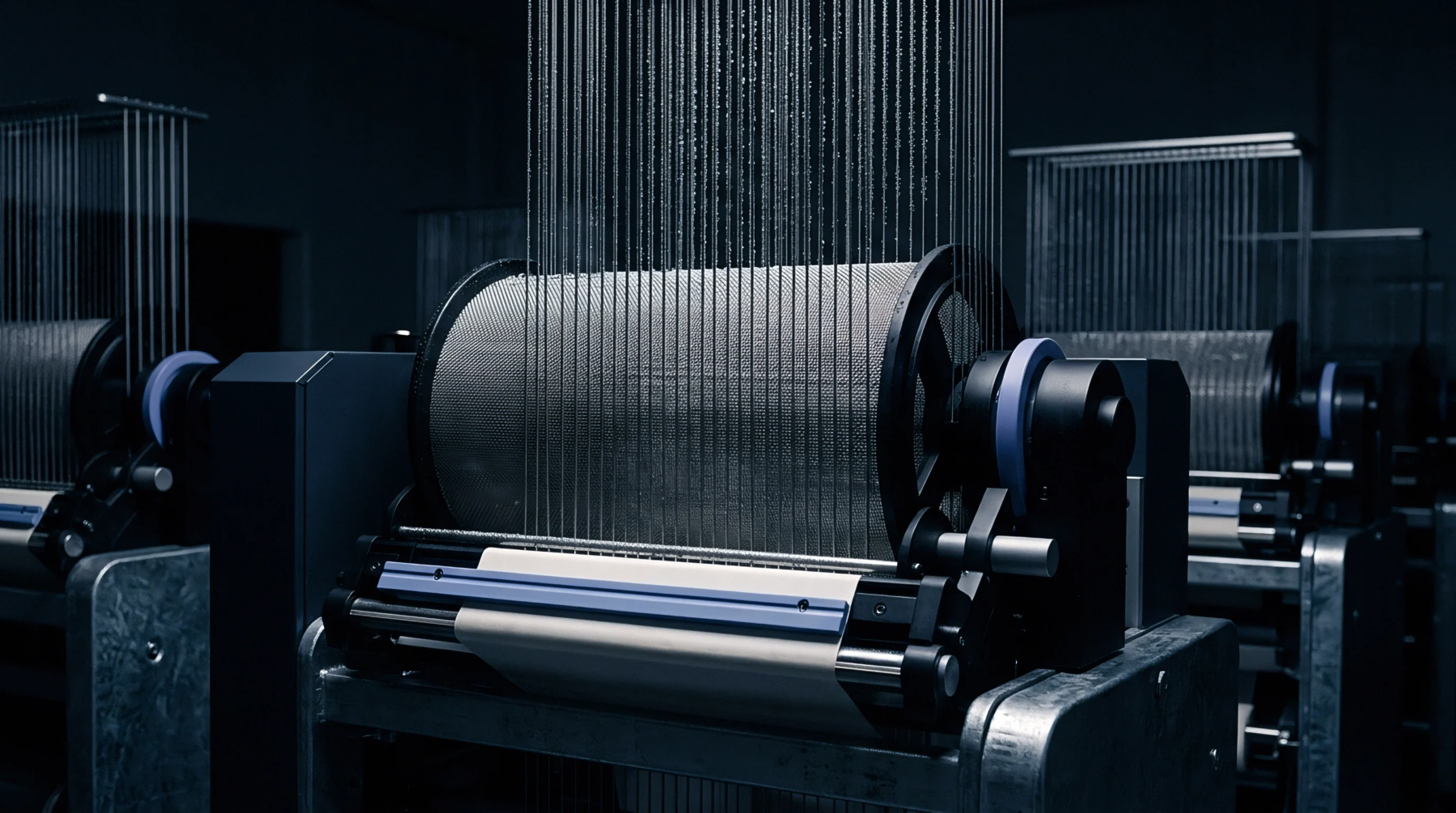
Visible bands running parallel to the selvedge of a fabric indicate inconsistencies in the preparation or properties of the longitudinal yarns. Warp stripiness often results from mixing different batches of yarn or from variations in the tension applied during the warping process. These vertical lines become especially apparent after the dyeing or finishing stages.
Visual Identification
Variations in the dye affinity of individual yarn lots create permanent color differences that appear as stripes. Structural warp stripiness occurs when some yarns are under higher tension than others, leading to differences in light reflection and crimp. Using yarns with different twist levels or moisture content in the same beam also contributes to this defect.
Prevention Method
Inspection under standard lighting reveals these bands as repeating or random vertical streaks across the fabric width. Some instances of warp stripiness are only visible when viewed from specific angles or under ultraviolet light. Contrast between the stripes and the base fabric determines the severity of the flaw.
Preparation Quality
Careful lot control and blending of yarn packages before warping minimize the risk of chemical or physical variations. Uniform tensioning across the entire width of the beam ensures consistent yarn behavior during weaving.