Visual Defect
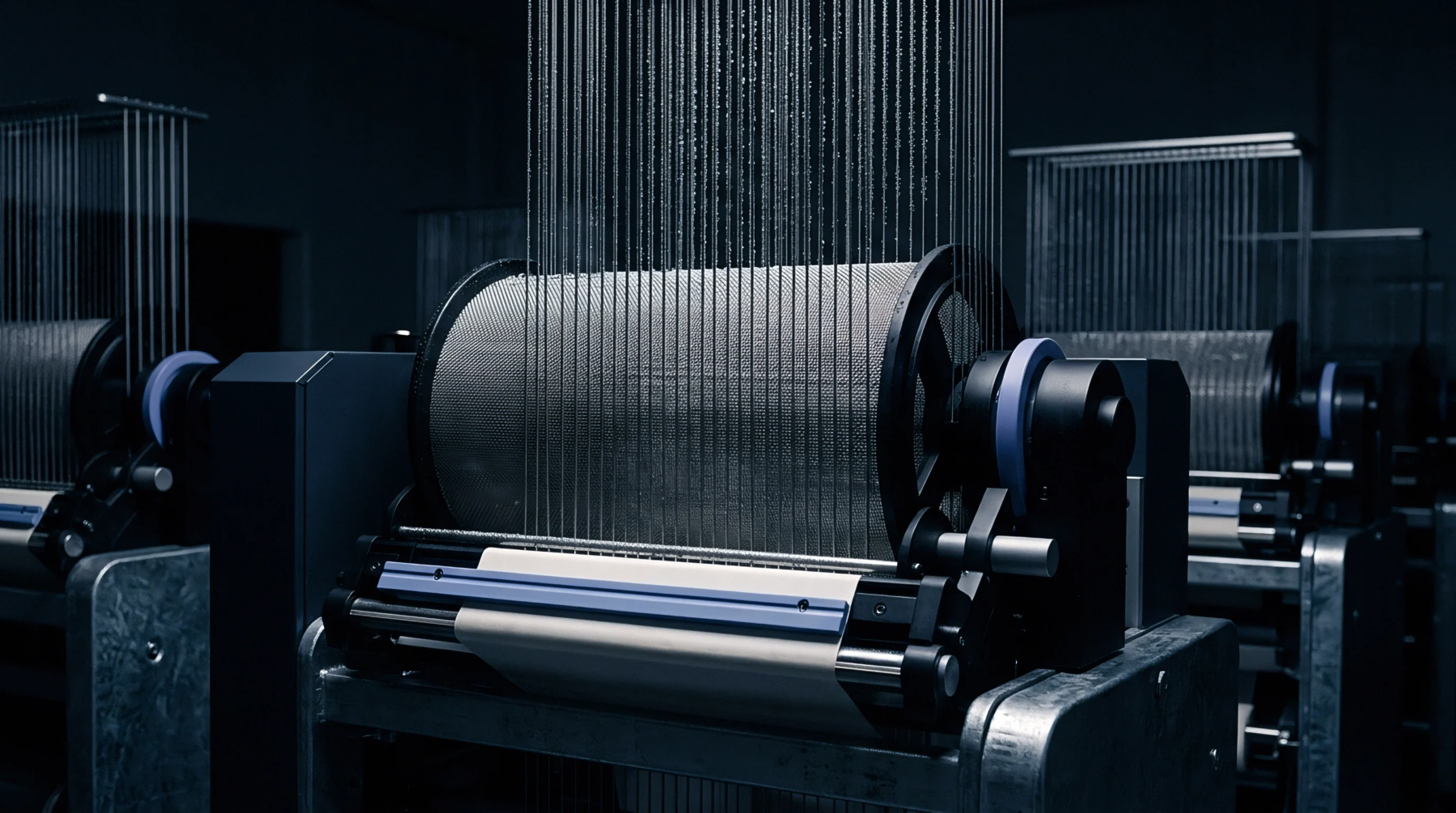
Continuous stripes or bands running parallel to the lengthwise yarn sheet in a woven fabric appear after dyeing or finishing. This defect, termed warp barre, arises from physical or chemical variations among the warp yarns. The variation alters the light reflection or dye absorption, making the defect visible.
Structural Origin
Discrepancies in tension during warping or sizing can create warp barre. If some yarns are stretched more than others during the process, they will have different dye uptake or different shrinkage behavior during finishing. Mixed yarn lots with slightly different denier or dye affinity can also cause this defect.
The resulting variation in yarn properties across the warp sheet shows up as distinct bands after the fabric is dyed.
Processing Impact
Fabric with this defect is often rejected or downgraded, which results in financial losses. The defect is usually impossible to correct after dyeing, meaning that preventive measures are necessary. It affects the aesthetic quality of the finished garment, making it unusable for high-end applications.
Prevention Strategy
Ensuring uniform tension across all warp yarns during warping and sizing reduces the risk of warp barre. Merging only yarn lots with matching dye affinity prevents these bands from forming.