Output Measurement
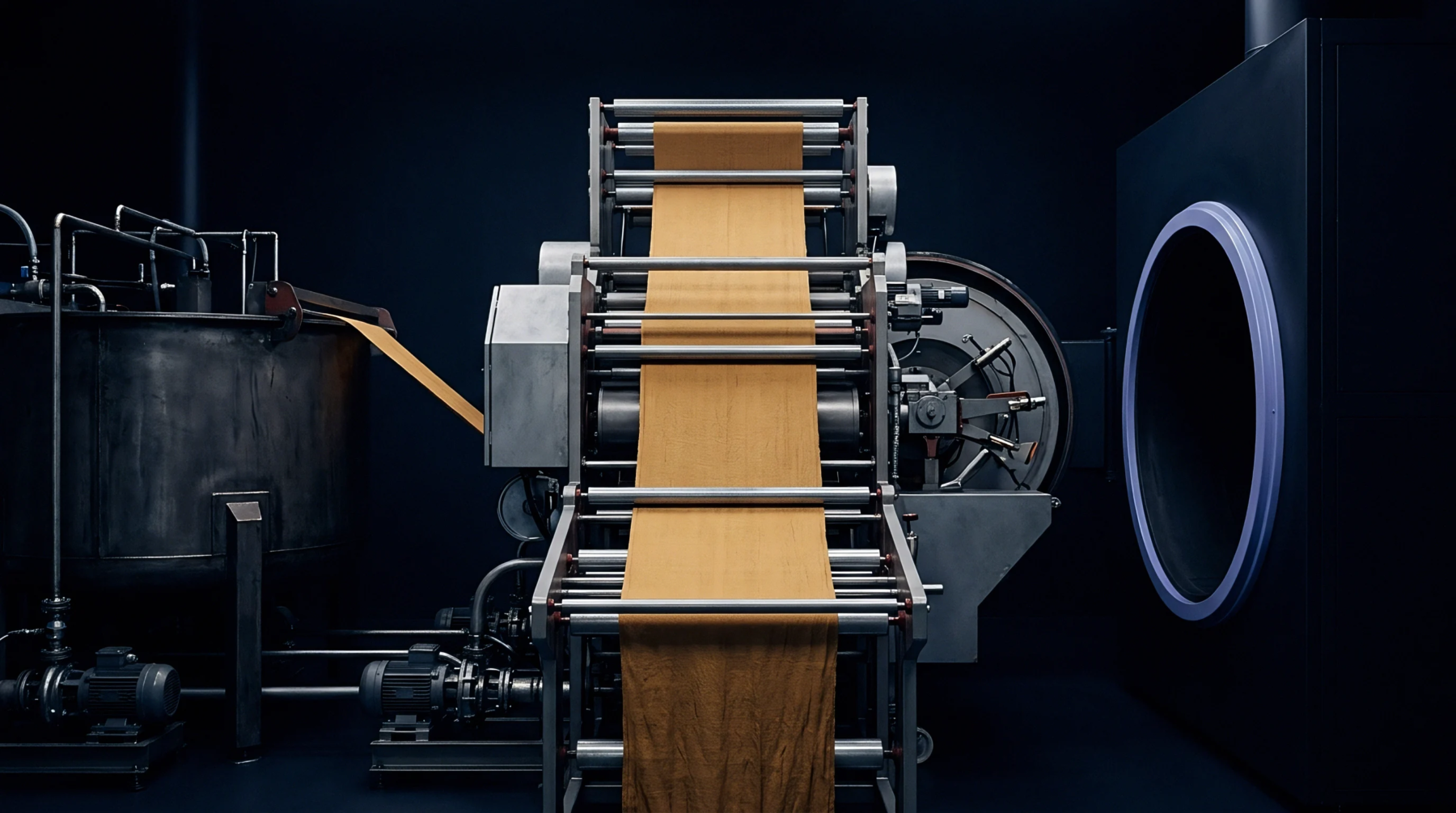
Industrial productivity metrics define the rate at which a continuous web of fabric moves through a specific processing stage. This linear throughput speed is usually measured in metres per minute or yards per hour.
Printing Velocity
Digital inkjet machines depend on the carriage travel speed and the number of passes required to reach the desired ink density. A single-pass machine reaches a much higher linear throughput speed than a multi-pass scanning system because the fabric moves continuously under fixed bars at a constant velocity that matches the firing rate of the nozzles. High resolution settings often reduce this value to allow for more precise droplet placement.
The relationship between head frequency and fabric movement determines the final dots per inch achieved on the substrate.
Drying Constraint
Post-processing equipment like stenters or infrared dryers often dictates the maximum velocity of the entire line. If the fabric moves too quickly, the moisture content remains too high for safe rolling or subsequent finishing. Heat settings must balance energy efficiency with the physical limits of the evaporation process.
Quality Boundary
Excessive movement rates sometimes cause mechanical vibration or skewing in the textile web. Maintaining a stable linear throughput speed ensures that tension remains constant throughout the batch. Quality control inspectors verify that the dwell time inside chemical baths stays within the required specification for dye fixation.