Asset Valuation
Systematic allocation of the cost of printing components occurs over their estimated productive life within a digital textile facility. This printhead depreciation reflects the physical wear and loss of jetting accuracy caused by high-volume industrial use.
Wear Mechanism
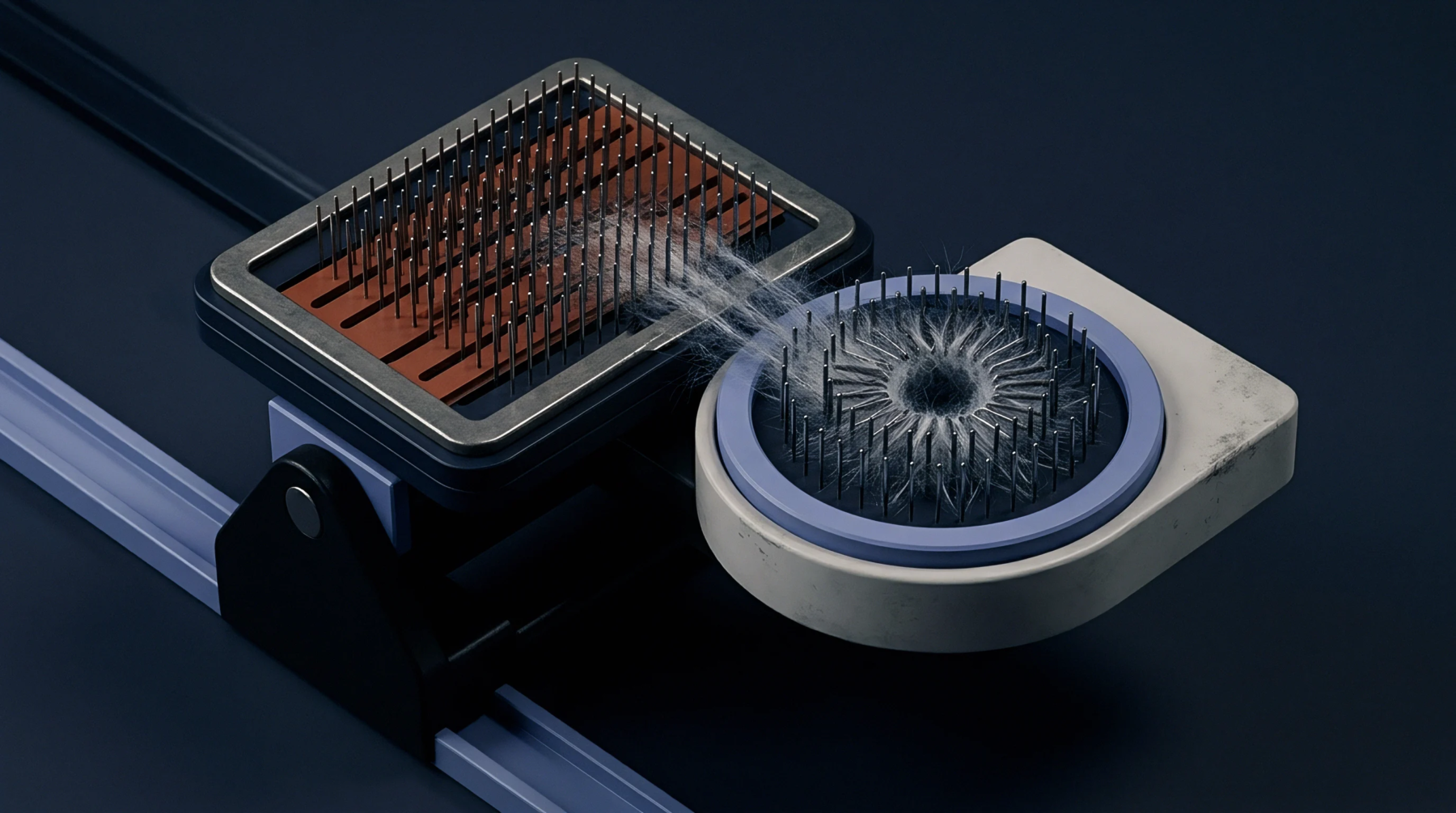
Mechanical fatigue in the piezoelectric actuators and chemical erosion of the nozzle plates lead to a gradual decline in performance. As a printhead ages, the drop placement becomes less precise and individual nozzles may fail entirely. Replacing these units is a substantial capital expense that must be recovered through the pricing of the printed goods.
Regular maintenance can extend the life of the component, but the eventual loss of precision makes replacement inevitable for high-quality production.
Useful Life
Operational hours and the volume of ink fired are the primary metrics used to estimate when a replacement will be necessary. Some mills choose a straight-line method based on months of service, while others use a units-of-production approach. Factors such as ink quality and maintenance frequency heavily influence the actual duration of the component.
Accounting Impact
Accurately tracking these costs allows a factory to set competitive prices while maintaining healthy profit margins. If the printhead depreciation is underestimated, the business may face unexpected cash flow challenges when the equipment fails. This calculation is a fundamental part of the overhead analysis for modern digital garment production.