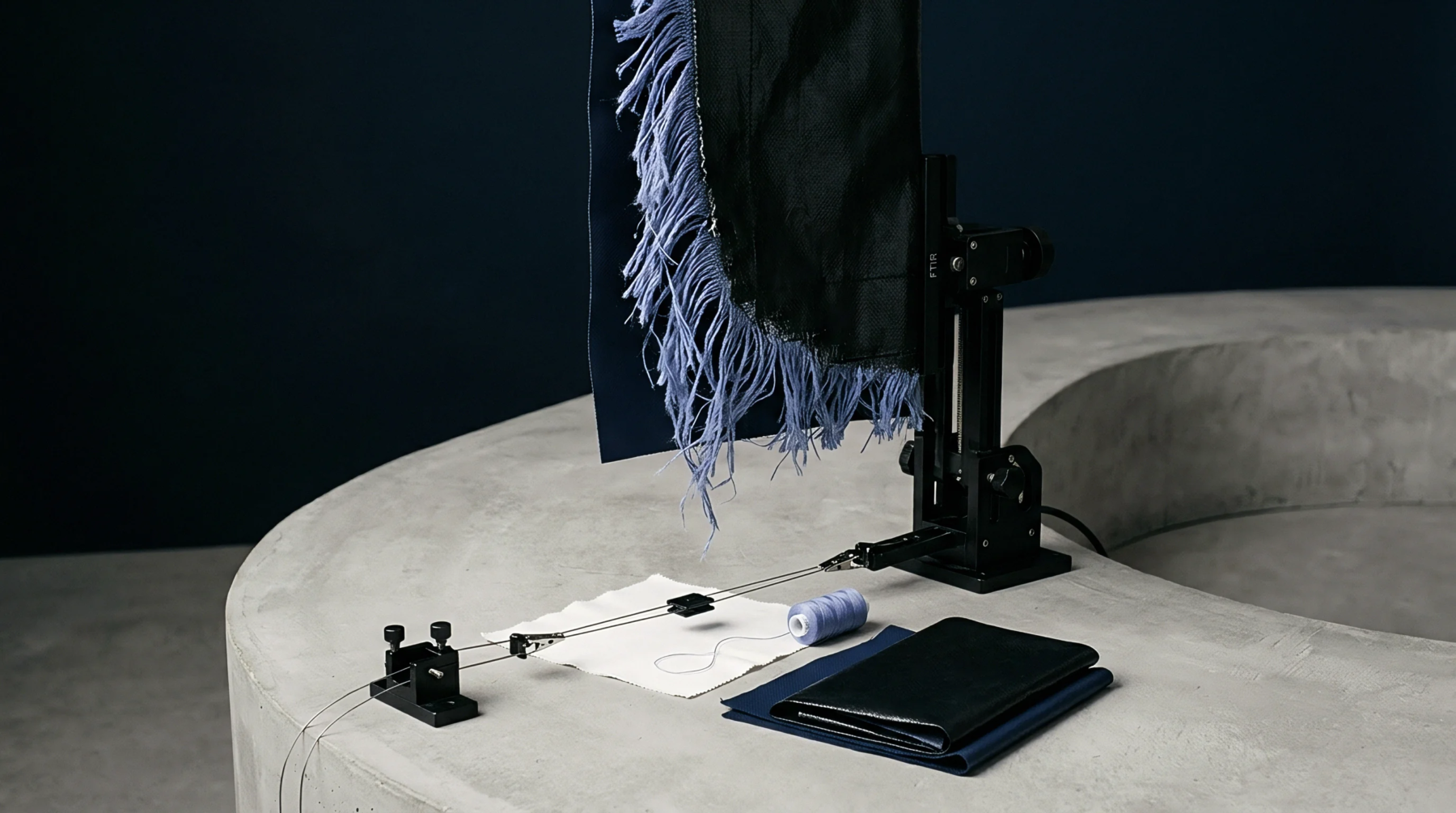
Soluble Separation
Isolation of water-soluble substances from textiles represents a foundational step in determining the chemical purity of processed fabrics. Distilled water extraction is the standard laboratory method used to leach out residual salts and finishing chemicals from a material sample. This process is a prerequisite for pH and conductivity testing.
Laboratory Procedure
Preparation of the mixture requires mechanical agitation of the cut fabric pieces in a specified volume of purified water for a set duration. During distilled water extraction, the liquid must be kept within a controlled temperature range to avoid altering the solubility of specific residues. The resulting extract is then filtered to remove lint and loose fibers before analysis.
Sensing Interference
Impurities in the extraction medium can skew the final conductivity and acidity readings of the textile sample. Using ordinary tap water introduces dissolved minerals that invalidate the test results.
Extraction Quality
Verification of the solvent purity is maintained by testing a blank control sample alongside the active specimens. Since distilled water extraction is highly sensitive to trace contaminants, the glassware used must be thoroughly rinsed with deionized water before each run. This discipline ensures that the subsequent findings reflect only the actual chemical remnants of the manufacturing process.