Assembling Chain of Custody Documents for Customs Textile Clearance
Assembling valid textile customs clearance files requires aligning invoice line weights with transaction certificate sequences and accredited laboratory test reports.


Bale
Cotton lint and synthetic fiber tow entering global commerce carry physical and electronic markers established at harvest or chemical synthesis. Border control authorities enforce strict origin verification protocols to intercept forced labor inputs, illegal agricultural commodities, and misdeclared fiber blends. Verifying raw material inputs at the warehouse receiving dock forms the foundation of every customs compliance file.
When a container lands at a destination port, customs auditors examine the initial fiber creation records long before reviewing garment construction details.
Agricultural fiber origin verification relies on matching farm-level production records with ginning outputs and shipping manifests. Cotton grown in restricted territories frequently moves through intermediary processing hubs where raw fibers are blended, re-packed, and mislabeled to obscure origin. Customs authorities analyze physical bale tags, ginning weight logs, phytosanitary certificates, and warehouse entry slips to build unbroken evidentiary links.
Raw fiber inputs define customs origin. Failure to produce continuous physical handling records between the farm cooperative and the merchant warehouse leads to immediate shipment detention under regional trade enforcement acts.

Raw Fiber Auditing and Farm Identification
Auditing raw fiber claims starts with farm cooperatives, seed purchase receipts, and land acreage verification. Agricultural authorities establish regional yield maximums per hectare, creating baseline metrics that identify anomalous production volumes. A cooperative claiming high lint yields without matching irrigation records, fertilizer purchase orders, or acreage deeds triggers regulatory scrutiny.
Ginning facilities receive raw seed cotton and generate numbered lint records that track net fiber weight after seed and trash separation.
Ginning output certificates capture critical batch parameters, including saw-gin identification codes, press mark numbers, and net lint weights. These documents record short fiber content, trash percentage, and moisture levels measured during baling operations. When seed cotton moves from farm gate to ginning facility, weight slips must balance against regional transport weigh-scale receipts.
Discrepancies stall clearance. Customs investigators cross-examine these weight slips against agricultural transport manifests to confirm that raw fibers originated strictly within approved geographic boundaries.
Wool, hemp, and synthetic staple fibers adhere to parallel raw material tracking frameworks. Wool origin documentation relies on shearing shed slips, greasy wool auction catalog records, and scouring facility yield sheets. Hemp fiber traceability links farm cultivation permits directly to decortication batch logs and degumming output receipts.
Synthetic staple fibers rely on petrochemical feedstocks, requiring monomer purchase orders, polymerization batch logs, and spinneret extrusion records to substantiate country-of-origin assertions at border entry points.

Mass Balance Accounting across Ginning Stages
Processing raw seed cotton into dense lint packages involves predictable physical mass losses during cleaning, ginning, and baling operations. Seed cotton yields approximately 35 to 42 percent lint by weight, while cottonseeds account for 55 to 60 percent, and plant trash or moisture loss accounts for the remaining fraction. Ginning facilities maintain detailed mass balance ledgers showing incoming seed cotton tonnages against outgoing lint press outputs and cottonseed sales invoices.
Verifying these ratios allows auditors to spot unverified fiber injections into the supply chain.
Mass balance accounting identifies inventory inflations where processing facilities claim higher output volumes than incoming raw materials justify. If a ginning plant records 1,000 metric tons of seed cotton input, its processed output cannot exceed 420 metric tons of lint without raising immediate auditing red flags. Customs enforcement agencies utilize mass balance auditing software to detect instances where illegal raw fibers are commingled with certified stocks during primary processing.
Clean documentation prevents border detention.
Raw cotton lots exceeding three percent short fiber trash variation trigger mandatory origin re-testing under regional customs verification guidelines.
Discrepancies in ginning output ratios frequently indicate unverified material inputs added to artificially pad export volumes. Auditing teams perform physical reconciliations between raw material receipts and processed inventory balances every month. When processing facilities fail to provide verified waste logs or byproduct disposition receipts, customs inspectors reject the entire chain of custody submission.
Maintaining rigorous mass balance ledgers prevents regulatory holds and protects international trading permits.

Physical Sampling and Cotton Classing Evidence
Isotopic and DNA testing methods provide empirical verification of raw fiber origin, complementing paper documentation chains. High-volume instrument classing measures fiber length, strength, micronaire, color grade, and trash content, establishing a physical profile unique to specific growing regions. Soil chemistry, water isotopes, and climatic conditions leave trace chemical signatures within organic cotton cell walls.
Customs laboratories extract stable isotopes of carbon, hydrogen, oxygen, and nitrogen from fiber samples to verify geographic origin assertions.
Isotopic analytical testing compares imported fiber signatures against global soil and rainwater reference maps. Stable isotope ratio mass spectrometry identifies whether cotton originated from target enforcement zones, regardless of intermediary processing locations. When paper documents indicate compliant origin but isotopic testing reveals soil chemistry matching restricted regions, border control authorities impound the cargo immediately.
Importers retain certified lab swatches from origin shipments to defend against isotopic classification disputes.
| Tariff Regime | Primary Origin Document | Mass Balance Verification | Physical Testing Protocol | Retention Mandate |
|---|---|---|---|---|
| United States UFLPA Enforcement | Farm-level harvest receipts and ginning weight slips | Monthly input-output ledger with waste logs | Isotopic ratio mass spectrometry and DNA tracing | 5 years from entry date |
| EU Supply Chain Due Diligence | Cooperative purchase orders and land registry records | Annual mass balance summary by facility | ISO 17751 microscopic fiber identification | 10 years from clearance |
| Japan Customs Preferential Rules | Certificate of Origin with ginning press marks | Batch-level weight reconciliation sheet | ISO 10306 cotton micronaire and length classing | 3 years from import date |
Sampling procedures for raw fiber imports demand strict adherence to standardized lot selection rules. ISO 139 standard atmosphere conditioning applies to all fiber testing specimens prior to physical evaluation. Sample gatherers extract representative fiber tufts from at least ten percent of incoming fiber packages across distinct lot production runs.
Testing laboratories verify that physical classing parameters match the technical specifications listed on associated phytosanitary certificates and commercial sales contracts.
Documentation files carry full testing panel results alongside physical classing certificates issued by recognized cotton associations. Independent laboratories verify that fiber length uniformity, trash code ratings, and color grades remain consistent across consecutive lot shipments. When classing metrics show sudden variations within a single lot shipment, customs officials suspect material substitution during transit.
Comprehensive physical sampling documentation shields buyers from costly border delays and customs seizure actions.
Supplier representatives frequently argue during customs audits that regional rainfall variations caused missing ginning weigh scale records and mass balance discrepancies across rural harvest collection points.


Traceability
Chain of custody verification relies on mapping lot numbers across sequential industrial transformations. Moving raw fibers from ginning plants into yarn spinning, fabric weaving, wet dyeing, and finished garment assembly generates hundreds of transactional records. Every manufacturing stage modifies material form, weight, and chemical composition, complicating paper trails.
Importers construct detailed traceability maps to link raw material certificates directly to entry summary line items.
Scope certificates confirm that a manufacturing facility possesses the technical operational capacity to process certified textile materials. Transaction certificates verify that a specific quantity of material moved between two commercial entities under accredited audit standards. Scope certificates validate facility eligibility, while transaction certificates record physical material movements.
A valid chain of custody file requires uninterrupted sequences of both certificate types spanning every processing node in the supply chain.

Scope Certificate Mapping to Batch Numbers
Scope certificates carry specific expiration dates, facility addresses, processing categories, and approved product classes. Verifying a scope certificate requires checking that every sub-contractor and processing site operated under valid certification during material processing. If a dyehouse processes fabric while its scope certificate is expired or suspended, the entire material lot loses certified compliance status.
Scope records require unbroken audit links.
Scope certificate mapping involves cross-referencing facility identification numbers against central accreditation databases. Industry standards organizations maintain live public directories listing active, suspended, and withdrawn scope certificates. Compliance managers check scope documentation against purchase order dates, spinning dates, and fabric finishing schedules.
Operating outside scope validity dates invalidates subsequent transaction certificate issuance, destroying the chain of custody file.
Product categories listed on scope certificates define exact material processing approvals. A facility approved for spinning 100 percent organic cotton yarn cannot process organic wool blends without expanding its scope category. Auditors verify that product descriptions on commercial invoice lines match the exact scope categories granted to the processing facility.
Discrepancies between certified scope definitions and actual commercial descriptions trigger border clearance rejections.
Transaction Certificate Sequence Integrity
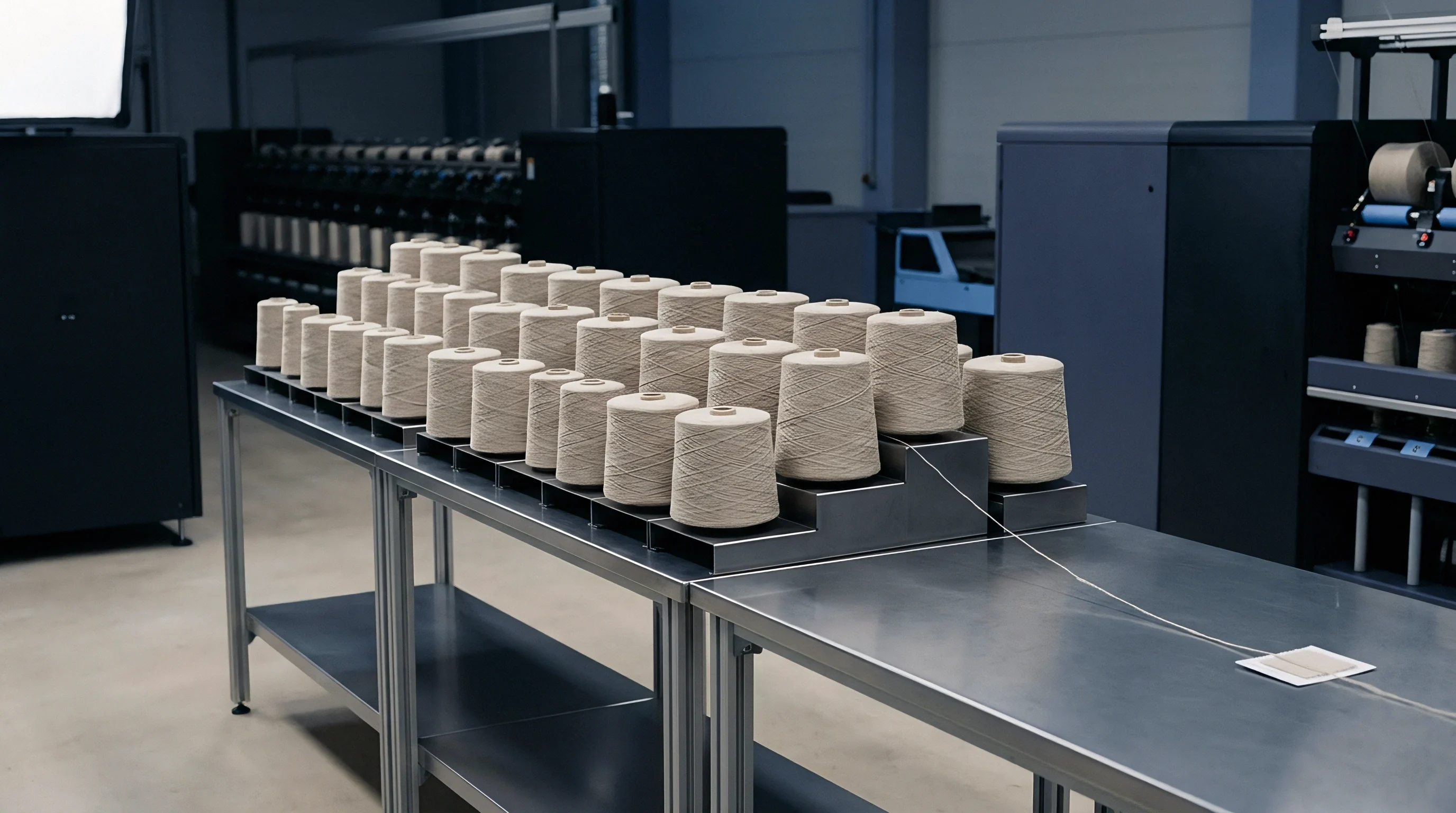
Transaction certificates serve as official legal proof of compliant material transfers between supply chain partners. Certification bodies issue transaction certificates only after reviewing seller commercial invoices, shipping documents, physical weigh slips, and raw material input records. Each transaction certificate specifies net weight, gross weight, commercial reference numbers, buyer details, and seller facility codes.
GOTS transaction certificates verify mass balance.
Sequential integrity demands that every transaction certificate references the input transaction certificates that preceded it. The spinning mill’s transaction certificate lists the ginning facility’s transaction certificate numbers as raw material inputs. The weaving mill’s transaction certificate lists the spinning mill’s yarn transaction certificates, forming a transparent ledger.
Breaking this sequence at any intermediate manufacturing node invalidates all downstream compliance declarations.
| Processing Stage | Input Material | Output Material | Standard Yield Ratio | Max Permissible Variance |
|---|---|---|---|---|
| Blowroom and Carding | Raw Cotton Lint | Carded Silver | 0.94 – 0.96 | +/- 1.5% |
| Combing Stage | Carded Sliver | Combed Sliver | 0.82 – 0.88 | +/- 2.0% |
| Ring Spinning | Combed Sliver | Single Yarn | 0.97 – 0.98 | +/- 1.0% |
| Weaving Preparation | Single Yarn | Woven Grey Fabric | 0.96 – 0.98 | +/- 1.2% |
| Wet Dyeing & Finishing | Grey Fabric | Finished Fabric | 0.92 – 1.05 | +/- 3.0% |
Transaction certificates carry strict issuance deadlines relative to physical shipping dates. Certification bodies mandate that transaction certificate applications occur within ninety days of physical shipment transport. Applying for transaction certificates months after physical entry creates immediate auditing suspicion during customs border reviews.
We track lot numbers across five transactional records before approving tariff preference declarations.
Material quantities recorded on transaction certificates must match physical commercial manifests within strict tolerances. If a transaction certificate covers 5,000 kilograms of yarn, the receiving weaving mill cannot issue fabric transaction certificates covering 6,000 kilograms of yarn equivalent. Mass balance auditing software flags positive yield deviations, prompting immediate certification body investigations.
Maintaining pristine transaction certificate sequences prevents container holds and preserves trade preference benefits.

Yarn Spinning and Weaving Yield Calculations
Converting raw staple fiber into carded, combed, and spun yarn incurs measurable material losses at every mechanical step. Blowroom cleaning and carding eliminate short fibers, leaf trash, and dust, reducing total mass by four to six percent. Combing operations extract noils to enhance yarn strength, resulting in additional mass reductions of twelve to eighteen percent.
Spinning mills account for these losses when calculating raw fiber input requirements for specific yarn order weights.
A transaction certificate issued after the transport bill date creates immediate suspicion during border document review.
Weaving and knitting operations transform spun yarn into grey fabric rolls through high-speed mechanical interlacing. Yarn sizing application adds temporary weight to warp yarns, which is subsequently washed away during wet processing desizing operations. Fabric weight calculations must account for warp and weft crimp contraction, sizing add-on percentages, and selvedge waste trimming losses.
Customs auditors verify that grey fabric production records reflect true physical yarn consumption metrics.
Dyeing, bleaching, printing, and chemical finishing alter final fabric weight through chemical uptake and mechanical shrinkage. Scouring and desizing operations remove natural waxes, oils, and sizing agents, decreasing fabric weight by three to eight percent. Conversely, heavy chemical coatings, resin treatments, and heavy dye applications add net mass to finished fabric rolls.
Compliance engineers construct detailed wet processing yield ledgers to justify final product weight variations during border customs reviews.
Textile Exchange Content Claim Standard Section 4.2 mandates that certified entities notify their certification body within five business days of any scope certificate suspension or withdrawal affecting active material shipments.


Paperwork
Customs officials at container ports cross-examine commercial invoices, packing lists, and transport manifests against certification documents. Discrepancies between shipping records and chain of custody documentation stall container clearance and accumulate expensive demurrage penalties. Importers compile comprehensive compliance dossiers to present clean, verifiable documentation packets to customs authorities prior to vessel entry.
Assembling precise document sets ensures rapid release at border inspection points.
Document assembly requires strict structural consistency across all commercial and regulatory paperwork. Every document within the clearance file must reference identical commercial invoice numbers, bill of lading codes, and product line item definitions. Mismatched description codes or conflicting net weight figures create immediate regulatory holds.
Customs audits review weight logs. Establishing rigorous document verification protocols protects importers from unexpected border detentions.

Customs Invoice Line Item Alignment
Commercial invoices serve as the central financial anchor for customs tariff classification and valuation assessment. Each invoice line item details the exact item description, Harmonized Tariff Schedule classification code, quantity, unit price, net weight, and country of origin. Customs officers check whether invoice product descriptions match the physical goods inside the container and the supporting compliance certificates.
Invoices state exact fiber contents.
Harmonized Tariff Schedule codes classify textiles based on fiber blend percentages, fabric construction, and finish type. A fabric composed of 85 percent cotton and 15 percent polyester falls under a completely different tariff classification code than a 50/50 blend. Inaccurate classification codes lead to incorrect duty payments, customs penalties, and mandatory entry re-filings.
Importers match laboratory fiber content test reports directly to invoice tariff line declarations.
Net weight declarations on commercial invoice lines must align precisely with packing lists and transaction certificates. Customs entry declarations tolerate minor moisture weight fluctuations, but systematic weight discrepancies signal document falsification. If an invoice declares 10,000 kilograms net fabric weight, supporting packing lists must break down that total weight roll by roll.
Precise invoice line alignment accelerates customs clearance and eliminates tariff dispute holds.

Commercial Transport Records and Bills of Lading
Bills of lading document physical carriage of goods from port of loading to destination entry points. Master bills of lading cover ocean vessel transport, while house bills of lading detail freight forwarder consolidation arrangements. Transport manifests capture container numbers, seal numbers, gross package weights, cubic measurements, and cargo vessel identification metrics.
Customs authorities verify transport details to confirm physical transit routes.
Sanctions enforcement programs require strict verification of vessel movements, transshipment ports, and feeder ship handoffs. Automatic Identification System tracking logs trace container vessel routes to detect unauthorized port stops in restricted territories. If a cargo ship anchors in a restricted port prior to destination arrival, customs authorities flag the shipment for mandatory physical inspection.
Comprehensive transport records prove uninterrupted cargo movement outside restricted geopolitical zones.
Packing slips record detailed container loading schemas, specifying individual carton numbers, roll IDs, piece lengths, and net weights. Roll-level packing lists enable customs inspectors to pull specific fabric rolls from container doors for immediate laboratory verification sampling. When packing lists omit roll identification tags or piece length breakdowns, customs officers order full container unpacks at importer expense.
Unbroken transport documentation protects freight schedules and minimizes port handling fees.

What Evidence Releases Detained Goods at Port?
Releasing detained textile goods at border ports requires submitting verified documentary proof answering specific customs red flags. When customs enforcement issues a detention notice, importers provide complete chain of custody dossiers within strict statutory deadlines. Detention holds typically stem from suspected origin misdeclaration, forced labor inputs, or incomplete chemical compliance testing files.
Customs detentions accumulate demurrage charges daily.
Documentation traps that trigger border holds on textile shipments include common filing mistakes:
- Mismatched Net Weights across commercial invoices, packing lists, and transaction certificates exceeding permissible two percent variance tolerances.
- Expired Scope Certificates on the date of physical yarn spinning, weaving, or wet dyeing operations.
- Missing Intermediate Transaction Certificates breaking the sequential audit link between raw fiber suppliers and fabric converters.
- Inconsistent Harmonized Tariff Schedule Codes declaring different fiber compositions on entry paperwork versus laboratory analysis reports.
- Omitted Roll Identification Codes on packing manifests preventing customs inspectors from matching physical swatches to certified test reports.
Step-by-step procedures for compiling a customs clearance file for multi-component dyed woven fabric shipments follow a structured progression:
- Gather farm-level harvest receipts, ginning weigh scale tickets, and phytosanitary certificates for all raw fiber lots.
- Obtain spinning mill scope certificates and transaction certificates matching raw cotton input lot allocations.
- Collect weaving mill output logs, grey fabric inspection reports, and yarn purchase invoices.
- Verify wet processing facility scope certificates and secure transaction certificates for finished dyed fabric.
- Obtain independent laboratory test reports confirming chemical residue compliance under destination market regulations.
- Cross-check commercial invoice line item descriptions, tariff classification codes, and net weights against all supporting certificates.
- Compile transport manifests, bills of lading, container seal certificates, and vessel tracking logs into a unified digital entry folder.
Customs clearance protocols under HTS Chapter 52 hold shipments indefinitely when the bill of lading net weight diverges by more than two percent from the transaction certificate.
Submitting incomplete detention response packets extends container holds and increases demurrage liabilities significantly. Customs officers review response evidence sequentially; a single unverified document line invalidates the entire submission. Importers utilize standardized clearance verification sheets to audit document packets before formal submission to port authorities.
Detailed, verified documentary proof provides the only legal path to releasing detained port cargo.
Gaps in records cause fines. Misdeclaring country of origin on customs entry paperwork results in cargo forfeiture, monetary penalties up to four times the shipment value, and permanent loss of import declaration privileges.


Validation
Analytical chemistry test reports confirm whether chemical residues remain below statutory regulatory thresholds. Customs authorities enforce chemical safety regulations to protect consumers from hazardous substances, toxic dyestuffs, and environmental pollutants. Wet processing operations introduce complex chemical formulations, including dyes, fixatives, water repellents, and flame retardants into fabric matrix structures.
Importers validate testing documentation to guarantee full regulatory compliance at border entry.
Laboratory test report validation involves scrutinizing analytical test methods, limits of detection, laboratory accreditation credentials, and sample sampling dates. Test reports must originate from independent laboratories accredited under ISO/IEC 17025 standards for specific textile testing methods. Reports issued by unaccredited facility labs or missing ISO accreditation seals are rejected by customs authorities.
Laboratory scopes require annual renewal.

Laboratory Test Report Verification against Scope
Verifying testing report validity requires confirming that testing scope covers exact destination market chemical restrictions. European Union REACH Annex XVII restrictions prohibit specific hazardous chemical compounds, including banned azo colorants, phthalates, and organotin compounds. United States Consumer Product Safety Improvement Act regulations mandate strict lead and phthalate limits for children’s textile products.
Test reports match chemical analyte lists against destination regulatory mandates.
Test report dates must align with physical production schedules to ensure valid sample representation. A chemical test report dated six months prior to fabric dyeing operations fails to prove compliance for the shipped fabric lot. Testing laboratories collect representative swatches from actual production rolls rather than lab-prepared hand samples.
We inspect grey cloth weighments to catch inventory yield distortions early.
Laboratory scope documentation specifies exact analytical instrumentation used for chemical quantification. Gas chromatography-mass spectrometry (GC-MS) and high-performance liquid chromatography with diode-array detection (HPLC-DAD) represent standard testing equipment for aromatic amine detection. Inductively coupled plasma mass spectrometry (ICP-MS) quantifies extractable heavy metal concentrations within textile fiber structures.
Valid reports detail instrument parameters and calibration curves.

Chemical Residue Limits and Method Sensitivities
Restricted substance lists define maximum allowable concentration limits for hazardous chemicals in finished textile products. REACH Annex XVII Entry 43 restricts twenty-two carcinogenic aromatic amines derived from azo dyes to thirty milligrams per kilogram. OEKO-TEX Standard 100 Class I imposes even stricter threshold limits for infant textile products, requiring aromatic amines to remain below twenty milligrams per kilogram.
Chemical test methods measure residue concentrations down to parts per million levels.
PFAS chemical restrictions present evolving compliance challenges for water-repellent performance textiles. California Assembly Bill 1817 bans intentionally added perfluoroalkyl and polyfluoroalkyl substances in textiles, setting an initial total fluorine threshold limit of 100 milligrams per kilogram, dropping to 50 milligrams per kilogram. Analytical testing under EN 16535 or total fluorine combustion ion chromatography measures fluorinated organic compounds in treated fabrics.
Test reports quantify total fluorine content accurately.
| Restricted Substance Class | Regulatory Reference | Accredited Test Method | Regulatory Threshold Limit | Customs Action Limit |
|---|---|---|---|---|
| Aromatic Amines (Azo Dyes) | REACH Annex XVII Entry 43 | EN ISO 14362-1 / EN ISO 14362-3 | 30 mg/kg (ppm) per amine | Detection above 20 mg/kg |
| Chromium VI (Leather/Trims) | REACH Annex XVII Entry 42 | EN ISO 17075-2 (Colorimetric) | 3 mg/kg (dry leather weight) | Detection above 3 mg/kg |
| Per- and Polyfluoroalkyl (PFAS) | California AB 1817 / EU POPs | EN 17681 / Combustion IC | 50 mg/kg total fluorine | Detection above 50 mg/kg |
| Extractable Heavy Metals (Lead/Cadmium) | US CPSIA / REACH Annex XVII | EN 16711-1 (ICP-MS) | 0.2 mg/kg Cadmium / 1.0 mg/kg Lead | Detection above 0.2 mg/kg |
| Free & Hydrolyzed Formaldehyde | EU REACH / Japan Law 112 | EN ISO 14184-1 (Water Extraction) | 16 mg/kg (Infant) / 75 mg/kg (Adult) | Detection above 16 mg/kg |
Chromium VI testing in leather components demands strict sample preparation to prevent false positive chemical oxidation. EN ISO 17075-2 specifies colorimetric determination of Hexavalent Chromium in leather items following phosphate buffer extraction. Leather tanning operations utilizing trivalent chromium salts can inadvertently generate hexavalent chromium under high heat or oxidative storage conditions.
Valid test reports confirm non-detectable Chromium VI levels prior to import entry.
Formaldehyde content testing follows EN ISO 14184-1 water extraction protocols to quantify free and hydrolyzed formaldehyde levels. Japanese Law 112 sets zero-detectable formaldehyde limits for infant garments under two years of age, defined as absorbance differences below 0.05 under spectrophotometric evaluation. Test reports specify exact age classification standards applied during analytical testing.
Clean chemical reports prevent costly product recalls and customs rejections.

Sampling Protocols for Containerized Rolls
Containerized fabric roll sampling demands randomized selection across multiple production batches to guarantee statistical representation. ISO 2859-1 acceptance sampling rules dictate sample sizes based on total lot container roll counts. Inspectors cut swatches across full usable fabric widths, excluding outer roll wrapper wraps and selvedge edges.
Test swatches undergo immediate vacuum sealing to prevent environmental cross-contamination during transit to analytical testing facilities.
Verifying testing swatch integrity involves checking physical roll heat-seal stamps and laboratory chain-of-custody seals. Testing laboratories record sample weight, color description, weave structure, and roll identification numbers upon specimen arrival. Discrepancies between sampled roll specifications and bulk shipment packing list descriptions invalidate testing report coverage.
Disputed classifications trigger border retests.
Laboratory test reports dated prior to the final wet processing run fail to prove compliance for finished fabric lots.
Decision checklists for validating chemical test documentation files include essential verification points:
- ISO 17025 Laboratory Accreditation verified directly through accreditation body live public search portals.
- Specific Test Method Alignment matching target destination regulatory standards exactly.
- Detection Limit Limits sitting significantly below statutory regulatory action thresholds.
- Production Lot Batch Codes listed explicitly on the test report matching commercial invoice line items.
- Complete Analyte Coverage testing for all restricted chemical compounds specified under regional import rules.
Maintaining comprehensive testing documentation files ensures rapid container release and protects consumer safety. Compliance desks store digital copies of all analytical test reports, sampling certificates, and lab scope accreditations in secure compliance archives. Automated document auditing tools scan incoming test reports for missing analytes or outdated method references.
Rigorous testing verification protocols form an essential defense against customs holds and regulatory fines.
What specific analytical re-testing protocol releases cargo when customs laboratories detect trace chemical residues near statutory action limits using non-standardized extraction methods?


Arbitration
Financial exposure stemming from detained shipments creates immediate friction between international buyers and wet processing mills. Border holds, container detention fees, re-testing expenses, and missed retail delivery windows incur massive financial penalties. Commercial purchase agreements establish explicit risk allocation rules governing non-compliant cargo liabilities.
Drafting robust compliance indemnity clauses protects buyers from supplier documentation failures.
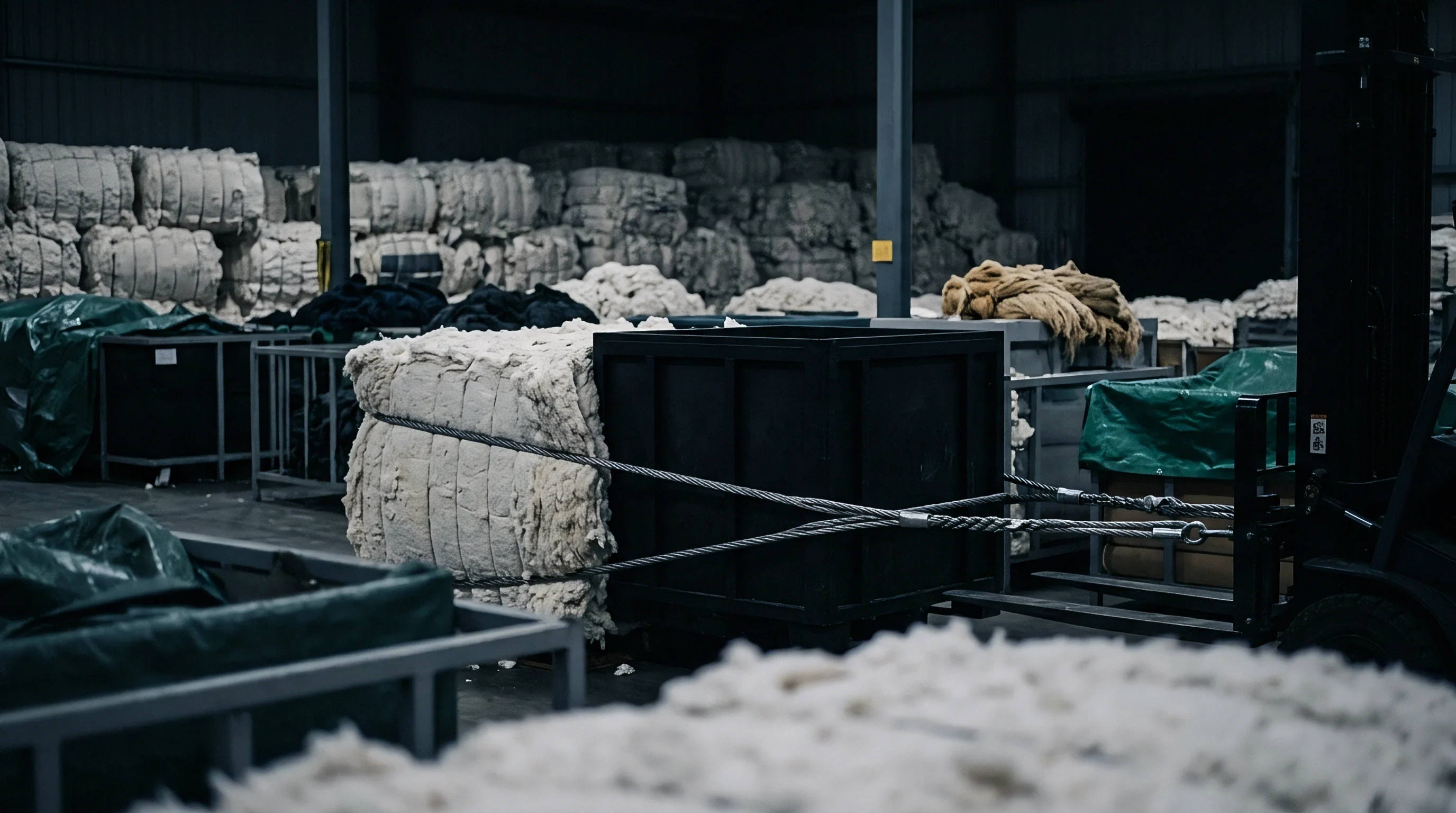
Demurrage charges compound rapidly while detained containers sit at port terminals awaiting customs clearance decisions. Shipping lines grant standard free time windows ranging from three to seven days after container discharge. Once free time expires, daily demurrage and port storage fees escalate exponentially, reaching hundreds of dollars per day per container.
Commercial contracts assign demurrage financial responsibility directly to the party causing documentation delays.
Commercial Detention Risk and Demurrage Allocation
Allocating container detention risks demands clear contractual terms defining when risk transfers between trading partners. Incoterms 2020 definitions specify delivery responsibilities, but compliance document obligations require supplemental contractual terms. Delivered Duty Paid (DDP) terms place import clearance duties and detention costs on the seller, whereas Free on Board (FOB) terms shift import clearance responsibilities onto the buyer.
Contracts clarify specific document delivery deadlines regardless of selected Incoterms.
Missing or inaccurate chain of custody paperwork provided by the supplier constitutes a material breach of commercial supply contracts. Indemnity agreements mandate that suppliers reimburse buyers for all port demurrage, customs storage fees, administrative penalties, and legal expenses incurred due to documentation defects. Purchase orders specify daily liquidated damage assessments for clearance delays caused by supplier paperwork errors.
Clear claims protect trade margins.
Bonded warehouse storage offers a temporary mechanism to minimize demurrage accumulation during extended customs documentation disputes. Moving detained containers from primary port terminals into bonded storage facilities halts port demurrage rates, replacing them with lower warehouse storage fees. Importers request customs approval to transfer held goods under bond while assembling supplemental chain of custody evidence.
Proactive bonded storage transfers mitigate mounting financial losses during clearance disputes.

Contractual Indemnity Clauses for Non-Compliant Lots
Contractual indemnity clauses protect textile buyers from downstream product liability, customs seizures, and regulatory recall costs. Standard purchase agreements include express warranties confirming that delivered goods comply fully with all destination market laws, environmental regulations, and chemical safety standards. Warranties specify that material non-compliance results in immediate lot rejection at supplier expense.
Demurrage charges at major container terminals increase by one hundred fifty percent after the fifth day of customs hold.
Remediation clauses define precise corrective action sequences when customs authorities detain non-compliant textile shipments. Options include returning non-compliant cargo to origin under customs supervision, re-exporting goods to secondary non-regulated markets, or executing authorized thermal destruction. Contracts mandate that suppliers cover all freight, customs supervision fees, and destruction expenses for rejected shipments.
We observe a 14-day hold when bill of lading descriptions omit yarn-dye lot markers.
Commercial dispute resolution mechanisms establish binding arbitration rules for resolving compliance cost allocations without full court litigation. Industry arbitration panels evaluate documentary evidence, mass balance ledgers, and laboratory test reports to determine financial liability. Purchase contracts designate specific arbitration venues, governing law choices, and fee allocation rules.
Rigorous contractual indemnity frameworks safeguard trade margins and enforce accountability across international textile supply chains.
Customs documentation clearance costs remain manageable only when every transaction certificate net weight matches physical transport records exactly prior to vessel port arrival.