Chemical Detection
Assay compounds that react with formaldehyde produce a colored complex to enable quantitative colorimetric measurement. The nash reagent is a mixture of ammonium acetate, acetylacetone, and acetic acid used for this detection. When this solution is exposed to formaldehyde, it undergoes a Hantzsch reaction to form a yellow compound called diacetyldihydrolutidine.
This chemical test is the standard method for verifying formaldehyde safety in apparel finishing.
Colorimetric Reaction
Spectrophotometric evaluation measures the intensity of the yellow color to determine the formaldehyde concentration. Using the nash reagent requires incubation at a specific temperature to ensure complete reaction of the chemicals. The absorbance of the solution is measured at four hundred and twelve nanometers to determine the concentration.
High absorbance values indicate a higher concentration of the restricted chemical on the fabric.
Laboratory Protocol
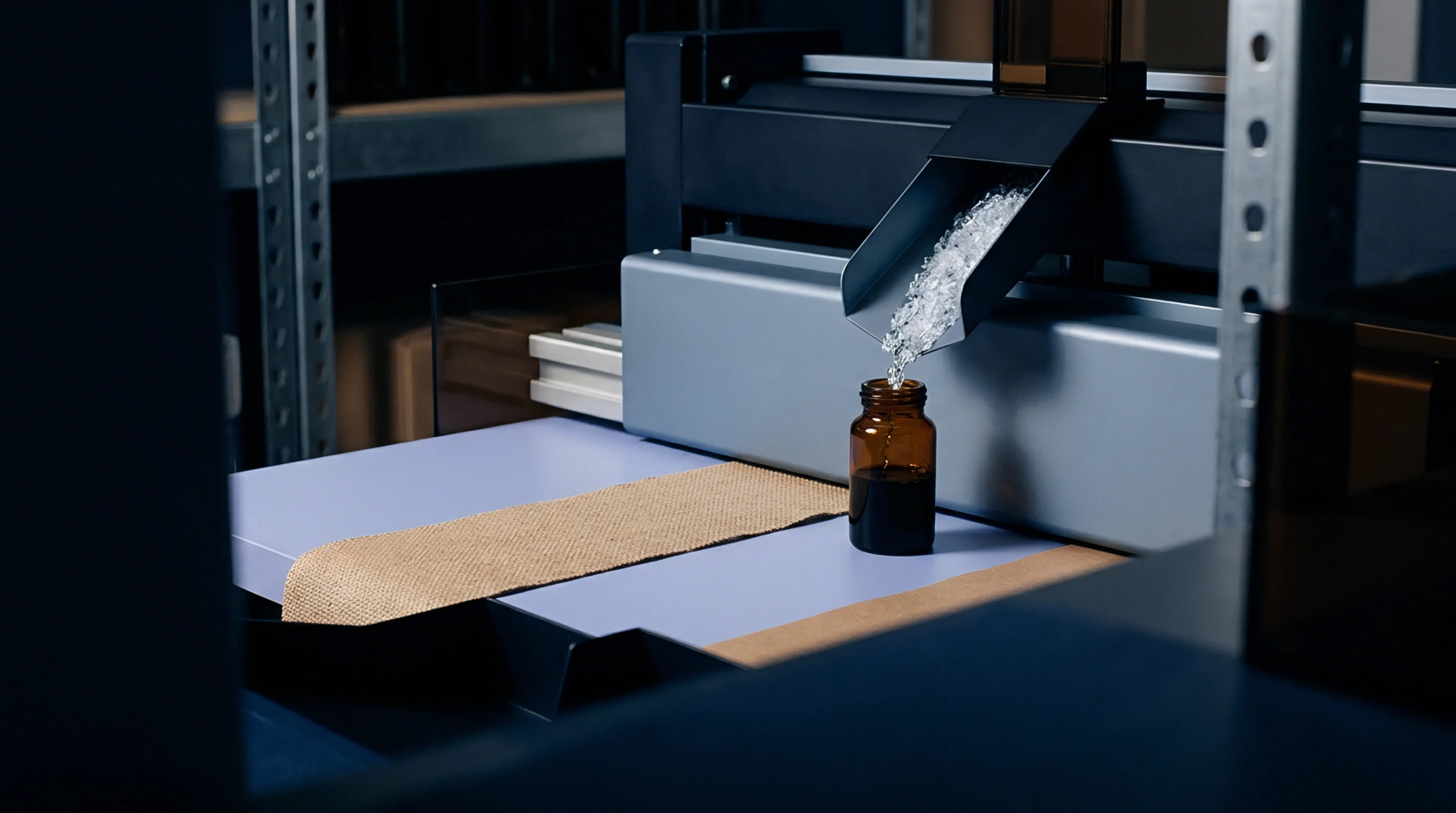
Solution preparation must follow precise chemical ratios to maintain the sensitivity of the assay. Because the nash reagent is light-sensitive, it must be stored in dark glass bottles to prevent degradation. Fresh chemical batches are prepared regularly to avoid loss of activity during the testing cycle.
The preparation must occur in a chemical fume hood to prevent exposure to vapor.
Test Selectivity
Specificity remains high when analyzing extracts from synthetic or natural fibers because the reagent does not react with other common finish chemicals. The use of nash reagent is preferred over other chemical assays due to its stability and low toxicity. By selecting this method, laboratories reduce the risk of false positives from non-formaldehyde sources.
The finished testing report is used by buyers to accept or reject garment shipments. This chemical selectivity is crucial when testing blended fabrics that may contain multiple finishes and trace chemicals from spinning.