Measurement Protocol
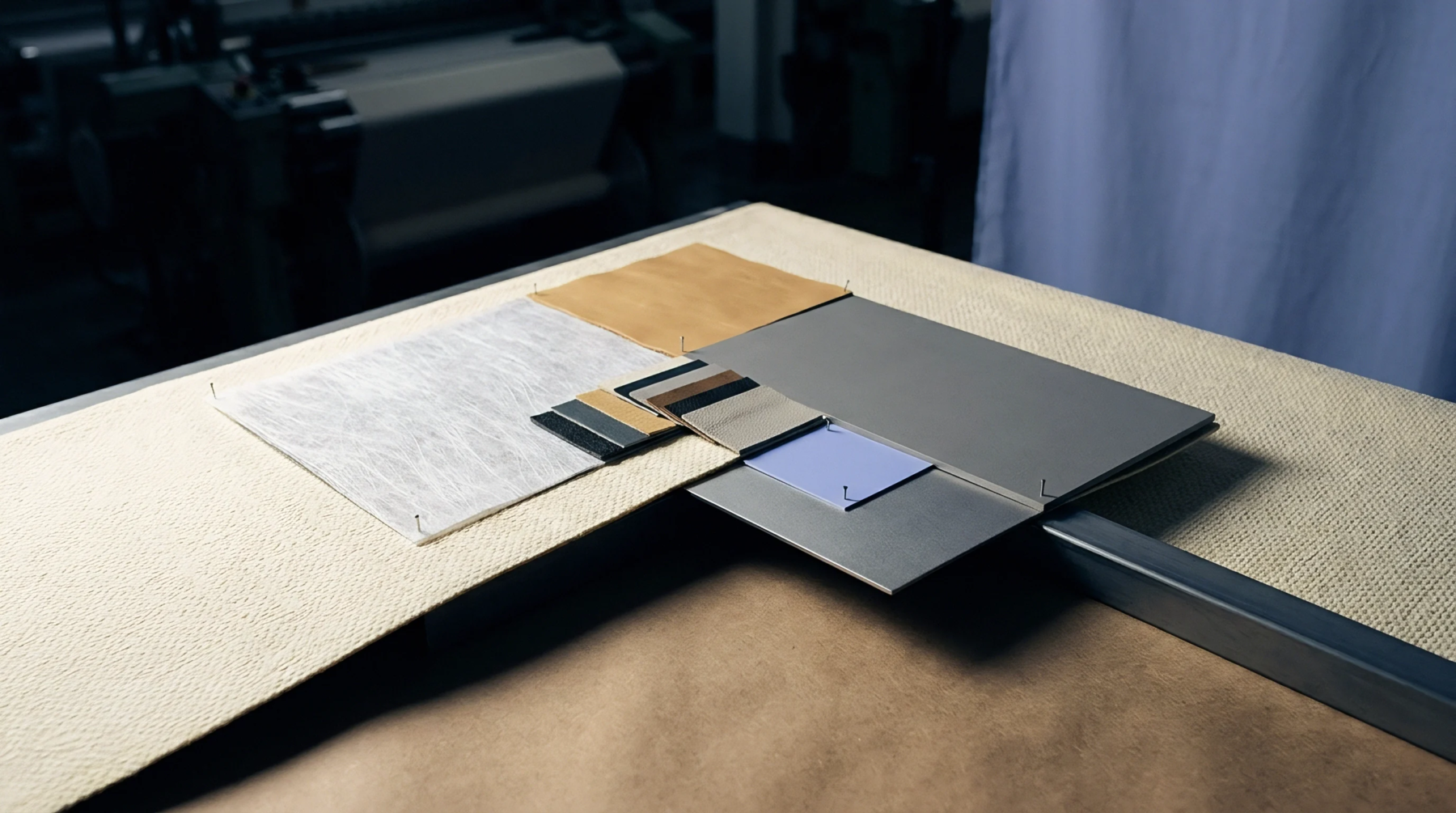
Standard test methods for water vapor transmission evaluate the rate at which moisture passes through planar materials under controlled atmospheric conditions. The protocol defined in ASTM E96 measures this movement using either the water cup method or the desiccant cup method to determine the breathable performance of coated or laminated textile fabrics. This evaluation is performed in a laboratory setting to provide reproducible data for technical outerwear and sportswear manufacturers.
Operational Procedure
Testing according to these guidelines requires sealing a fabric specimen over the mouth of a dish containing either distilled water or a dry desiccant. The assembled test dish is then placed in a climate-controlled chamber where the temperature and relative humidity are held constant to generate a specific vapor pressure gradient. Periodic weighing of the assembly indicates the mass of water that has evaporated through the fabric or been absorbed by the desiccant over a set period.
Physical Comparison
Results are calculated as water vapor transmission rate in grams per square meter per twenty-four hours. This rate helps product developers compare the breathability of different membrane technologies and polyurethane coatings.
Performance Boundary
While this standard provides consistent benchmarking data, the results cannot always predict real-world comfort during high-exertion outdoor activities because the testing environment remains static. The test does not simulate the forced airflow, compression, or temperature fluctuations that occur when an athlete moves. Therefore, designers must interpret ASTM E96 values alongside dynamic hot plate tests to build a complete picture of fabric breathability during active wear.