Contaminant Analysis
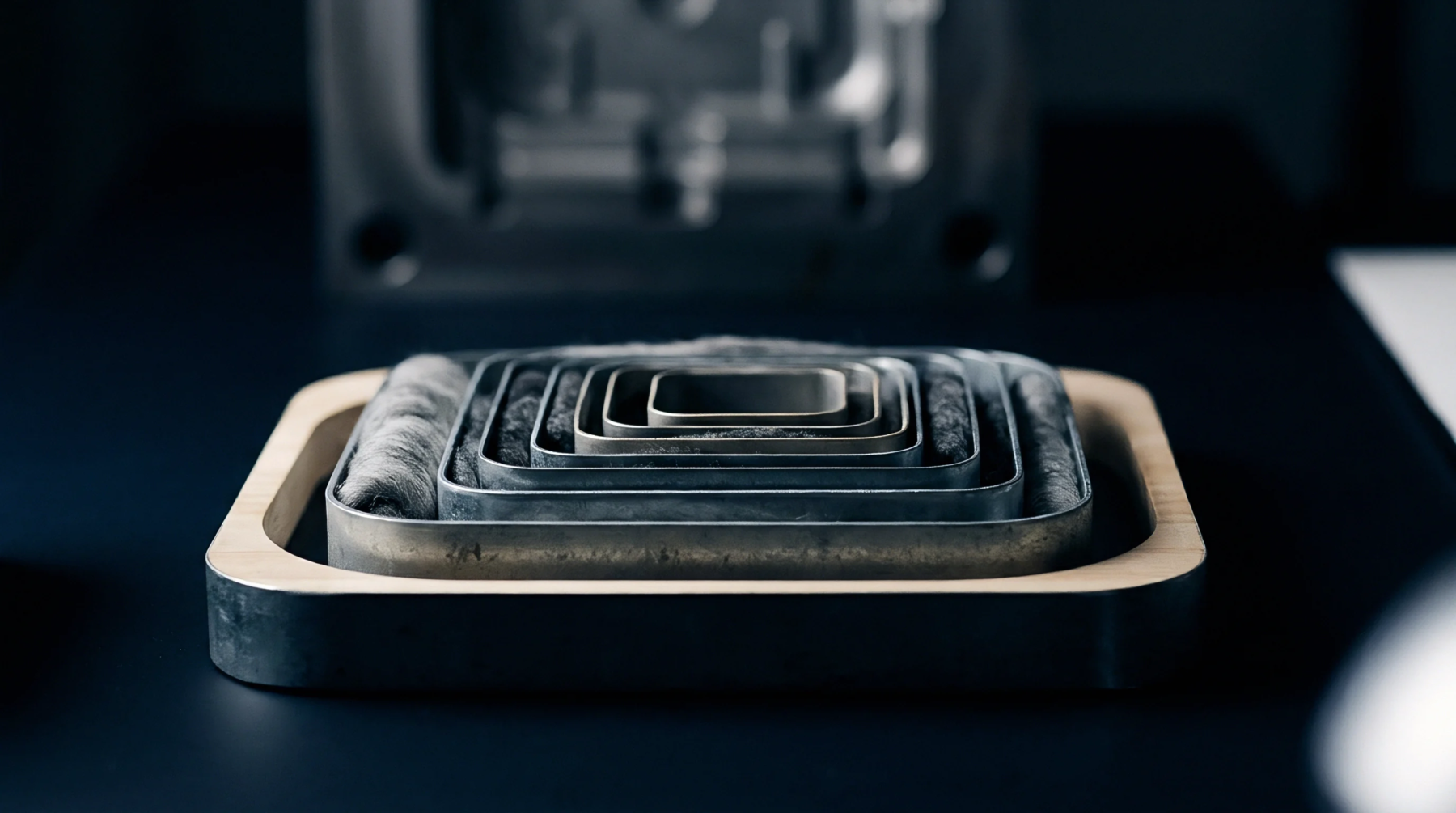
Residual matter comprising oils, waxes, finish agents, or synthetic additives persists on textile substrates after the scouring phase of production. Non fibrous extractables represent foreign chemical species that do not share the physical morphology of the base substrate. Laboratory analysts determine the presence of these substances through gravimetric testing by applying solvents to a weighed sample of fabric.
Solvent Interaction
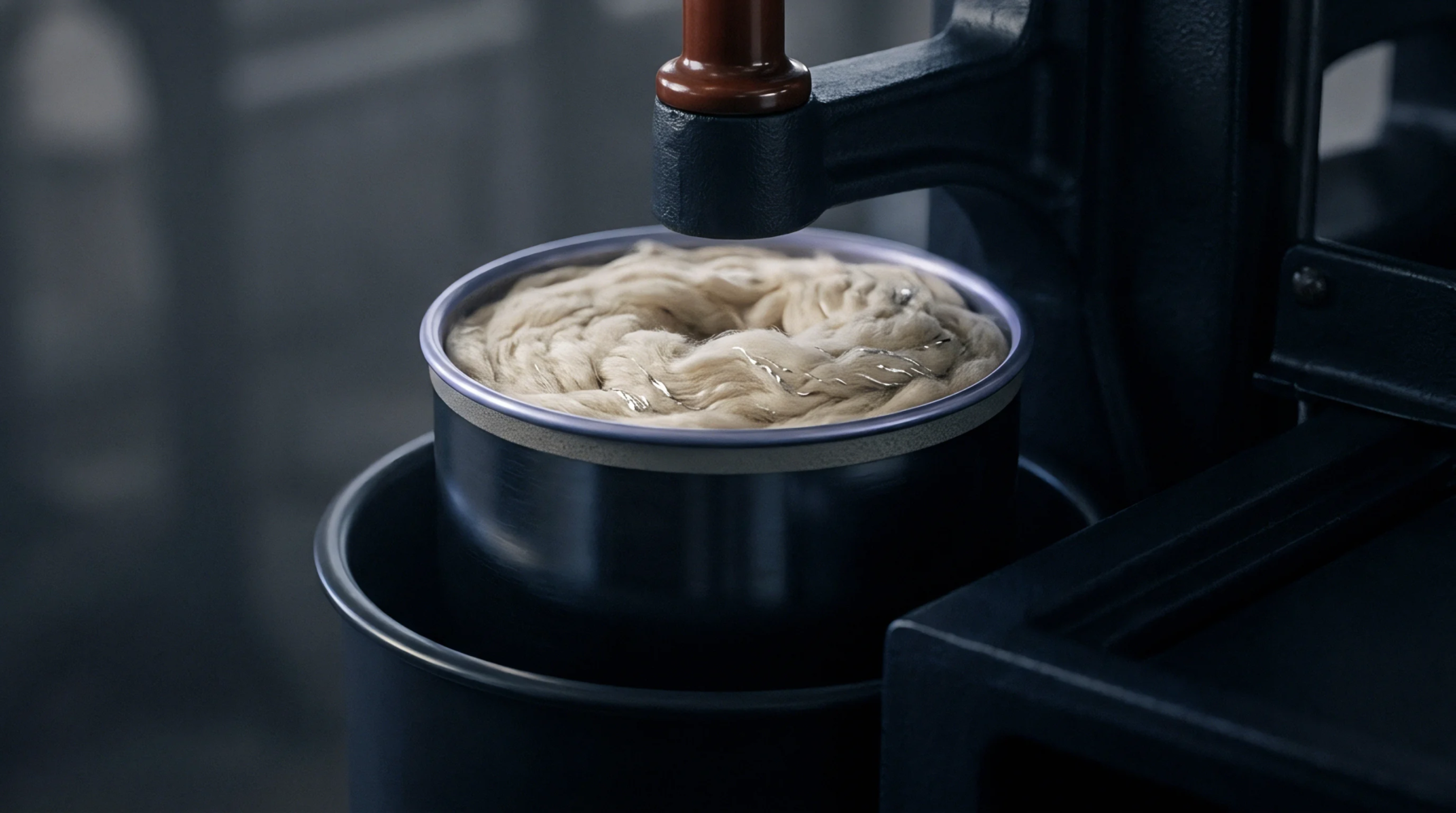
Organic fluids serve to isolate these substances from the textile matrix to quantify the total mass lost by the material. A standard procedure utilizes ether or hexane to dissolve surface finishes and process lubricants while leaving the polymer structure intact. Technicians boil the solvent in a specialized flask to cycle the liquid through the textile sample until total extraction occurs.
Process Verification
Textile mills track these measurements to ensure the effectiveness of cleaning stages after high speed spinning or knitting operations. Excess residual matter indicates incomplete removal of processing oils, which causes downstream unevenness during dyeing or printing. Manufacturers establish upper limits for these residues to maintain compliance with safety standards and functional performance requirements.
Measurement Boundary
Quantitative results confirm whether a lot meets specifications regarding purity and finishing quality before the conversion of fabric into apparel. Variations in the concentration of non fibrous extractables lead to inconsistent color fastness and surface hand feel in finished goods. Final batch approval rests upon the verified concentration falling within defined industry tolerances.