Verification Metric
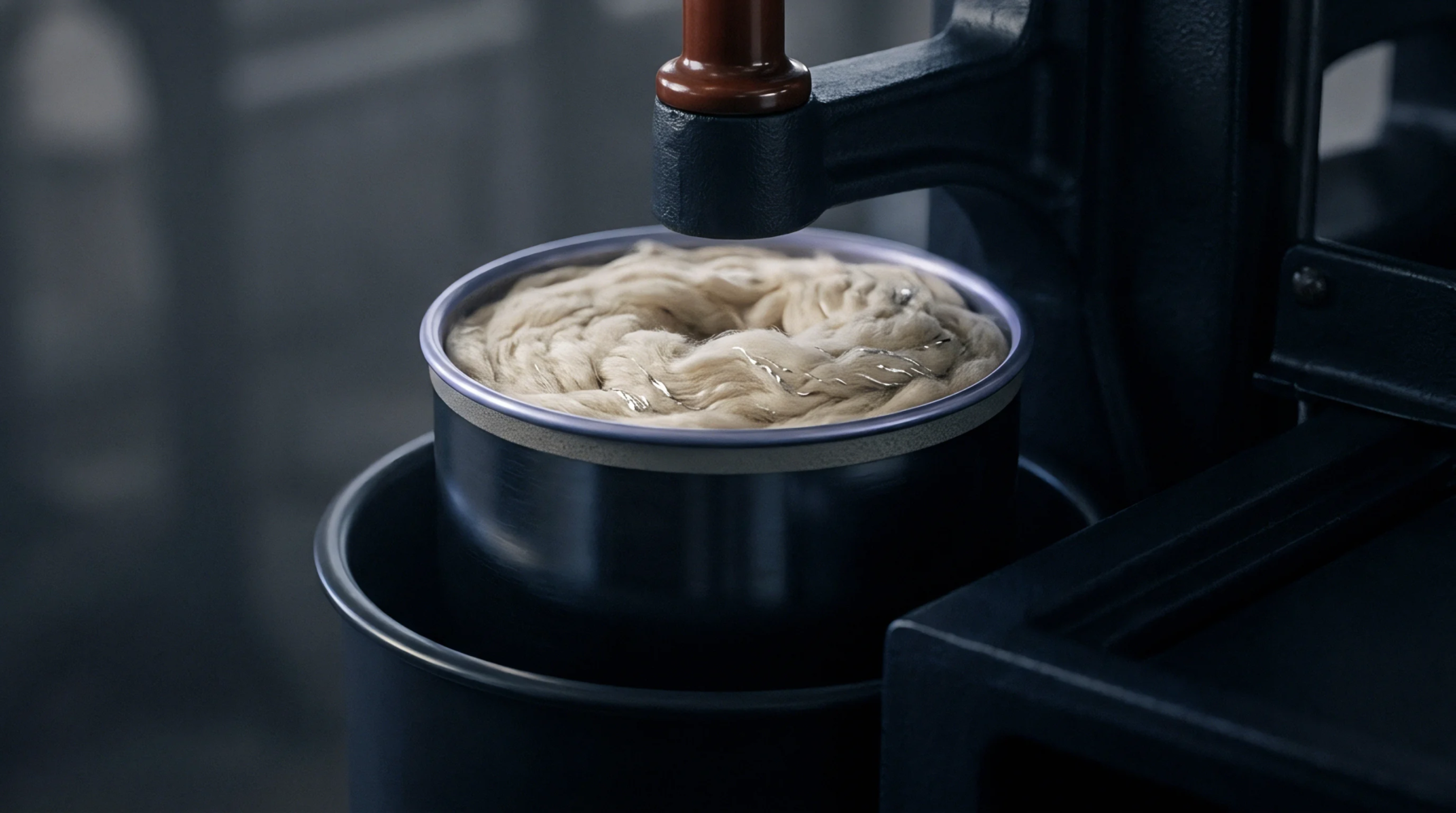
Ensuring the uniform drying of large yarn cones involves measuring the humidity level at the very centre of the spun material after it leaves the autoclave. Determining the package core moisture identifies the risk of mildew growth or weight inconsistency that could occur if water is trapped deep inside the dense layers of thread. This state is checked by inserting a digital probe directly into the centre of the package or by using electrical resistance meters that bypass the outer dry skin.
The result shows whether the heat cycle was long enough to penetrate to the hub of the cone or if deeper moisture remains higher than the allowable average. Every batch of dyed yarn requires this validation to ensure that shipments do not arrive at the knitting mill with damp internal cores.
Moisture Profile
Distribution of water inside a package usually shows a significant gradient between the air exposed exterior and the protected interior sections. Evaluation of package core moisture focuses on the deepest five centimetres where air circulation is naturally restricted by the pressure of the winding machine. If the core remains saturated while the exterior is dry, the entire yarn package develops uneven tension that leads to horizontal barring in the final knitted fabric.
This trapped water also causes chemical changes in certain types of reactive dyes which shift the colour only in the centre of the roll. Accurate testing at the core helps standardise the net commercial weight of the item to ensure buyers are not paying for hidden water contents. Technicians monitor this indicator closely during monsoon seasons when high atmospheric humidity makes complete drying more difficult.
Equipment Handling
Measurement occurs through non destructive capacitive sensors or by physically opening a representative set of samples from each batch to ensure compliance. Inside package core moisture testing, the focus must remain on calibration against the specific fibre blend being handled since cotton holds moisture differently than wool or acrylic. Sensors are pushed between the yarn layers to get a direct contact reading from the dense fibrous matrix without snagging the single threads.
This allows for a quick pass or fail assessment at the factory gate before packing into sealed plastic sleeves for international transport. If a core is wet, the batch is returned to the drying oven for another pass to prevent the formation of permanent odours. Maintaining these limits protects the investment in raw yarn by ensuring the material remains stable during the entire transit phase to the garment factory.
Commercial Risk
Failure to monitor internal dampness leads to fiscal losses when yarn lots are rejected by customers for poor quality or structural inconsistencies. Controlling package core moisture prevents the hidden decay of synthetic fibres that can be weakened by long term exposure to internal heat and trapped water. Each batch report documents the core state to prove the items left the mill in a standard conditioned state suitable for use on automated machinery.
Mill managers look at these figures to judge the efficiency of their drying equipment and to decide if steam temperatures need to be increased. Consistency in this figure ensures that the mill continues to meet the quality specifications required for high end fashion contracts. Total dryness at the core remains the standard check for reliable yarn shipments.