Micro Shed Dusting Accumulation Dynamics inside Air Jet Relay Nozzles under High Humidity
Humid air plasticizes sizing dust into sticky cakes inside relay nozzle bores, distorting airflow profiles and causing costly pick insertion stops.

Profile
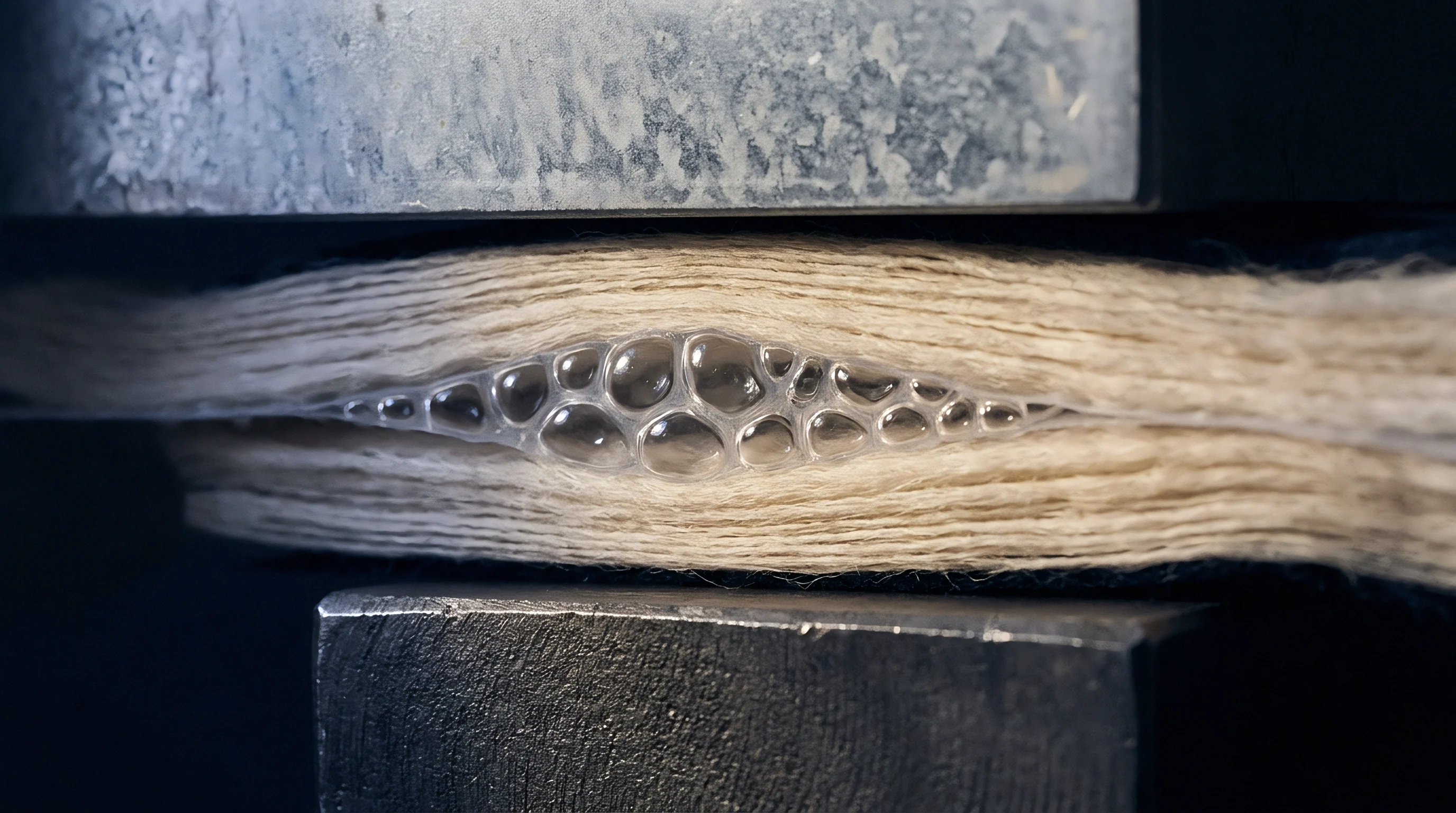
Air jet insertion relies on high-velocity compressed gas pulses traversing an enclosed reed guide to carry spun filling yarns across the loom width. When the warp shed opens and closes at speeds exceeding eight hundred cycles per minute, sheet friction strips microscopic fibrils and binder fragments from the sizing coat. These airborne particles enter the profiled reed tunnel immediately adjacent to the relay nozzle discharge tips.
Ambient moisture levels maintained above sixty-five percent relative humidity alter the aerodynamic behavior of this suspended dust. The particulate mass shifts from free-floating dry debris into cohesive microscopic aggregates that respond to localized pressure drops near the jet stream boundary layer.
Velocity Decay across Fouled Relay Guide Channels
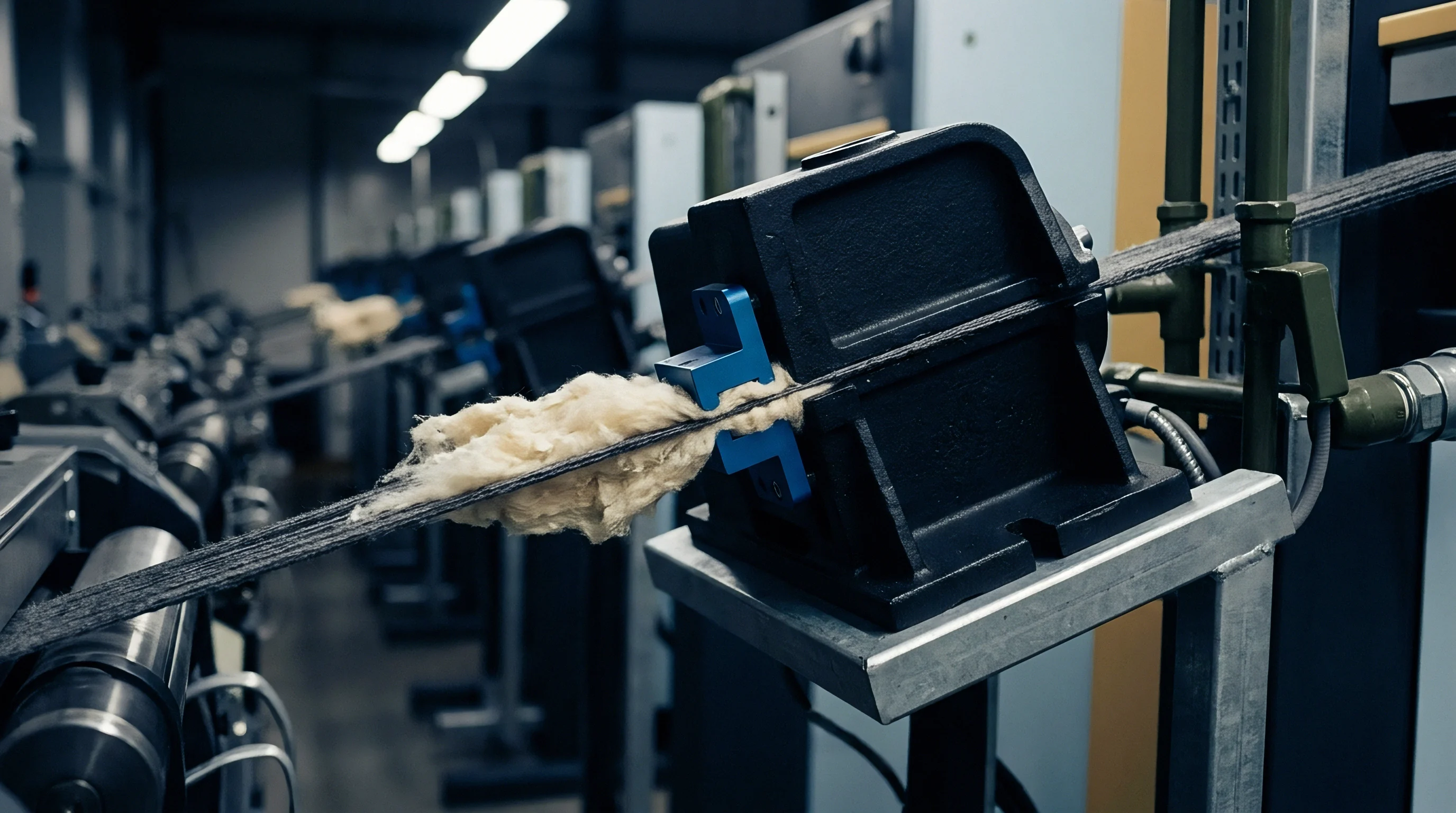
Main pneumatic valves launch the pick, while twenty intermediate sub-nozzles maintain flight energy over distances exceeding two meters. Each sub-nozzle delivers discrete pulses lasting fifteen to thirty milliseconds. Nozzle orifice geometry dictates exit velocity.
When sizing dust accumulates around the exterior discharge lips, the designed jet core undergoes premature turbulence, widening the jet dispersion angle from the standard nine degrees to twelve degrees or more. This expanded jet plume impinges directly against the upper and lower ribs of the reed tunnel rather than remaining centered along the yarn flight axis.
Relay nozzles positioned closest to the right-hand receiving selvage accumulate sizing sludge faster than nozzles beside the main injection cluster.
Air stream deceleration occurs progressively as the filling tip advances toward the receiving side. Under clean operating conditions, a nozzle supply pressure of 0.45 megapascals produces an initial insertion velocity around thirty-five meters per second for a 20 tex carded cotton yarn. As nozzle exits foul, stagnation zones form behind the tip lip, bleeding pneumatic pressure into localized eddies.
Air velocity drops below critical thresholds. The yarn tip decelerates prematurely, falling out of the main aerodynamic vector and snagging against protruding warp ends inside the shed crossing.
Static line pressure drops five percent. Plant air systems consume substantial electrical wattage maintaining line pressure against partially restricted orifices. Relay nozzle bores choke with residue.
The resulting thrust deficit forces loom controllers to advance nozzle firing timing, lengthening valve open cycles and compounding air consumption across the entire weaving floor without restoring original insertion velocities.
Paste
Formulations containing potato starch, carboxymethyl cellulose, and polyvinyl alcohol coat warp ends to survive mechanical abrasion during shed formation. These film-forming polymers exhibit strong hygroscopic properties that depend directly on environmental relative humidity. When conditioning equipment drives weave room humidity toward seventy-five or eighty percent to prevent cotton static and brittleness, the sizing film absorbs airborne water vapor, depressing its glass transition temperature below ambient shed temperatures.

Moisture Absorption Mechanics in Desized Sizing Polymers
Ambient relative humidity above seventy percent drives rapid water uptake into hydrophilic binder films. Water molecules disrupt intermolecular hydrogen bonding between polymer chains, turning glassy, brittle sizing flakes into sticky, viscoelastic gels. Starch film absorbs water rapidly.
Humidity shifts the adhesive glass transition. Once plasticized, the sizing debris develops high surface tack, adhering instantly upon contact with cold metallic surfaces inside the relay nozzle assembly.
| Sizing Polymer Base | Equilibrium Regain at 65% RH (%) | Equilibrium Regain at 85% RH (%) | Glass Transition at 85% RH (C) | Adhesion Force to Brass (mN/mm2) |
|---|---|---|---|---|
| Modified Corn Starch | 12.8 | 19.4 | 31 | 142 |
| Partially Hydrolyzed PVA | 5.2 | 14.1 | 18 | 285 |
| Carboxymethyl Cellulose | 14.5 | 23.6 | 24 | 198 |
| Polyacrylate Copolymer | 3.8 | 9.6 | 12 | 340 |
Adhesion force measurements indicate that acrylic binders and partially hydrolyzed polyvinyl alcohol generate severe tackiness under humid conditions. Wet size forms tenacious surface films. The high tack creates an anchor layer along the nozzle discharge bevel.
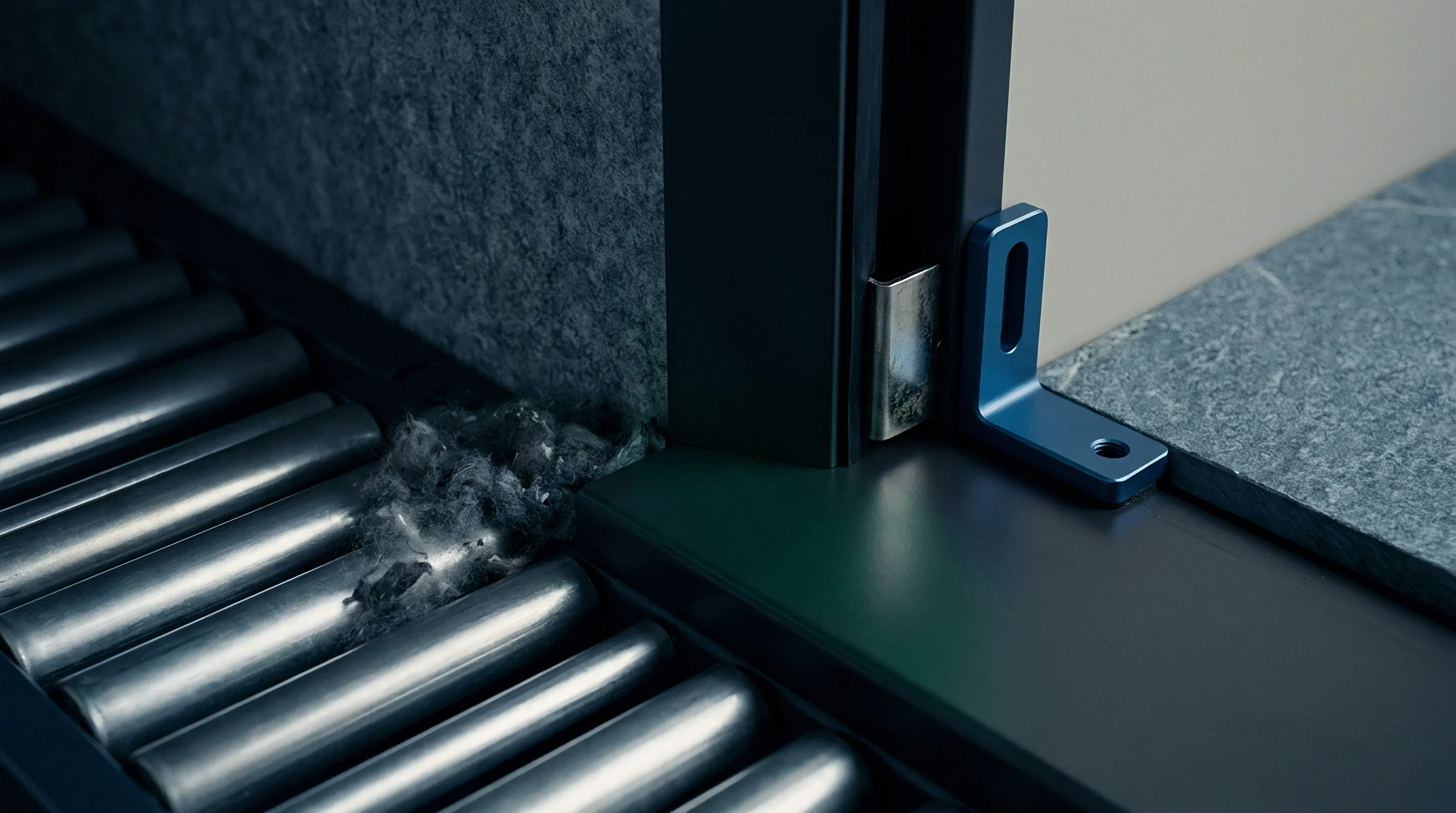
Microscopic cotton lint fragments, separated by reed vibration and harness split friction, embed directly into this viscous substrate. Successive loom cycles compress this blend into a dense composite cake that resists displacement by short compressed air blasts.
What Drives Agglomeration Rates in Sizing Residue?
Short cotton fibers shed from open yarn structures become trapped within airborne aerosol droplets. Viscoelastic tack peaks near saturation limits. The interaction between airborne sizing particles and metallic surfaces follows a defined mechanical succession during long production runs.
At eighty percent relative humidity, hydrolyzed polyvinyl alcohol film reaches twenty-two percent equilibrium moisture content at twenty-four degrees Celsius.
- Aerosol Impingement occurs as high-speed jet exhaust creates an exterior low-pressure wake, drawing humid lint-laden ambient air inward toward the nozzle tip face.
- Capillary Condensation develops within the microscopic interstitial gaps between the metallic nozzle orifice and deposited sizing particles, locking the dust against the alloy surface.
- Polymer Sintering proceeds as recurring thermal cycles from compressed air expansion and ambient warmth cause adjacent plasticized sizing fragments to merge into a smooth continuous mass.
- Fiber Matrix Reinforcement finishes the agglomeration cycle when loose cellulosic fibrils crosslink through the sticky polymer layer, creating a durable composite structure that defies line pressure.
Chemical suppliers frequently maintain that sizing formulas remain stable across standard humidity bands, attributing loom deposits to improper air filter maintenance or insufficient desizing in previous warp prep steps.

Bore
Relay nozzles feature internal convergence angles tapering down to exit diameters between 1.2 and 1.6 millimeters. Machining tolerances on high-performance brass or stainless steel nozzles hold internal radii within two micrometers to ensure symmetric laminar flow. When agglomerated sizing paste encroaches upon this internal passage, fluid dynamic behavior inside the nozzle bore departs sharply from theoretical models.
Orifice Constriction and Flow Separation Geometry
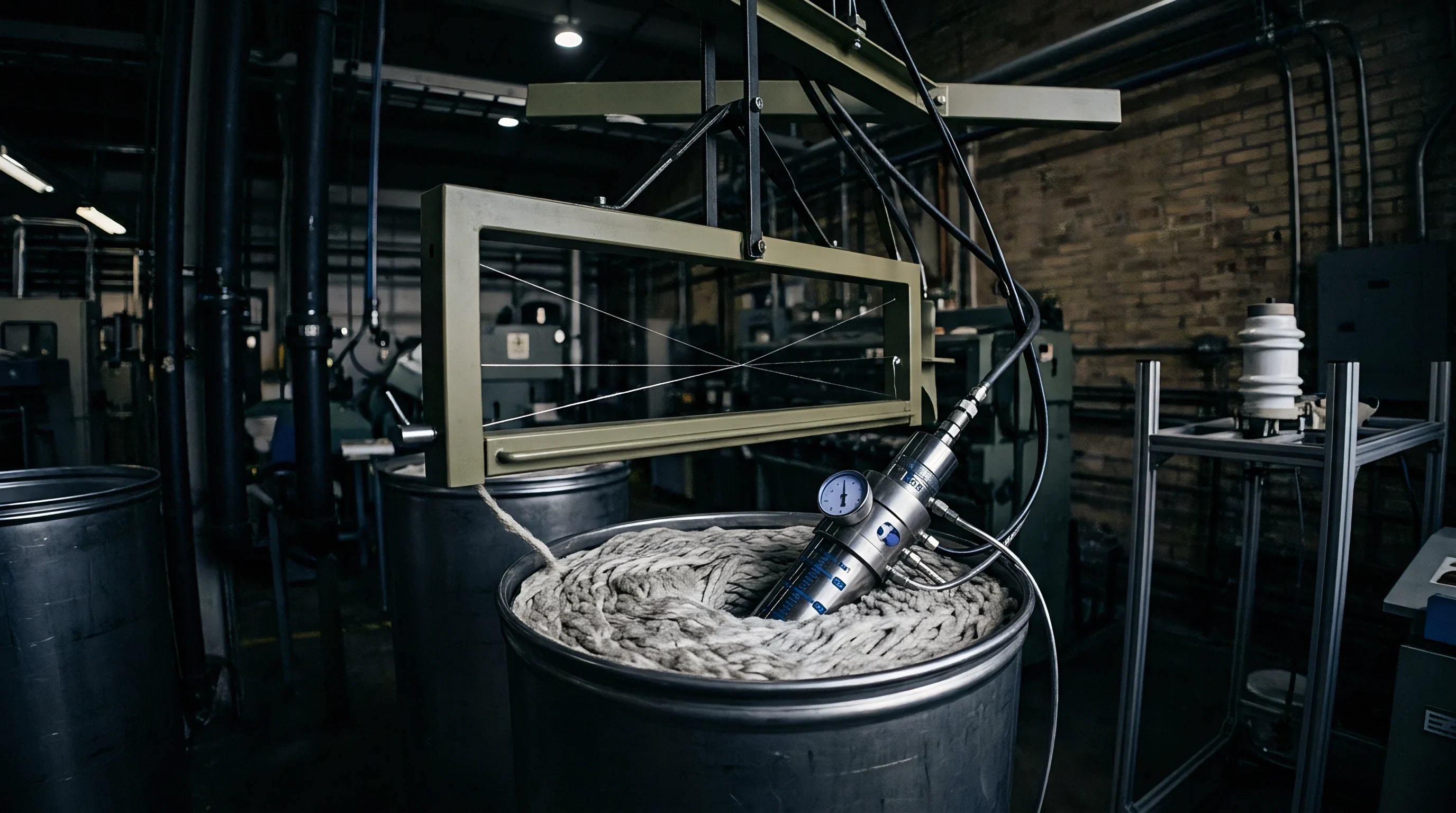
High-speed air jets exiting small tips create localized boundary layer recirculation zones behind the outer discharge lips. Contaminants settle preferentially along the downstream edge of the nozzle hole. Orifice deposits alter jet trajectory angles.
Even a fractional reduction in cross-sectional discharge area generates substantial flow restriction, displacing the core sonic line upstream into the nozzle conduit.
| Orifice Reduction (%) | Effective Diameter (mm) | Discharge Coefficient Cd | Exit Mach Number | Thrust Deflection (deg) |
|---|---|---|---|---|
| 0.0 | 1.40 | 0.94 | 1.00 | 0.0 |
| 5.0 | 1.36 | 0.89 | 0.96 | 1.8 |
| 10.0 | 1.33 | 0.82 | 0.91 | 3.4 |
| 20.0 | 1.25 | 0.71 | 0.82 | 6.7 |
| Test conditions: Supply line pressure 0.50 MPa absolute, ambient temperature 22 C, nozzle pitch angle 14 degrees relative to reed axis. | ||||
As the effective diameter drops, internal shear stresses strip loosely bound particles from the deposit, expelling them down the reed profile. Choked orifices deflect the filling yarn. The deflected air vector fails to keep the weft yarn centered within the reed profile, directing the yarn tip into reed dents where mechanical abrasion damages fine filaments and causes warp breakages.
Does High Moisture Alter Choked Flow Velocity?
Compressible fluid dynamics dictate sonic speed limits at nozzle throats under standard operating pressures of five to six bar. When relative humidity in the air supply line pairs with wet ambient conditions, water droplet condensation forms during the rapid pressure drop across the nozzle orifice. This isentropic expansion cools the gas stream, precipitating moisture out of the compressed supply air itself and wetting the internal bore wall.
Airborne size dust forms hard glassy agglomerates inside hot compressed air pathways during weekend plant shutdowns.
Internal moisture turns passing micro-dust into immediate wall crust. Loom air pressure reaches six bar. Flow turbulence escalates exponentially, degrading the uniform momentum profile across the reed width.
Several critical production failures stem directly from this internal constriction:
- Short Pick Insertion Stops occur when the dragging yarn tail loses aerodynamic support, tripping the optical filling detector before the pick reaches the right-hand cutter.
- Filling Snarl Defects form as asymmetric jet thrust imparts uncontrolled twist liveliness to the pick, causing the yarn to loop back upon itself before shed closure.
- Reed Dent Erosion accelerates where diverted air streams propel hard abrasive starch-fiber agglomerates into the reed wires at high velocity, abrading expensive profiled steel dents.
- Solenoid Valve Thermal Overload develops when technicians extend firing angles to compensate for pressure drops, overheating the electric driver coils and causing early valve failure.
When weaving operations ignore progressive bore fouling, filling stop rates climb above three stops per hundred thousand picks, devastating machine efficiency, generating continuous visual stop marks across finished greige goods, and raising scrap volume on premium apparel constructions.

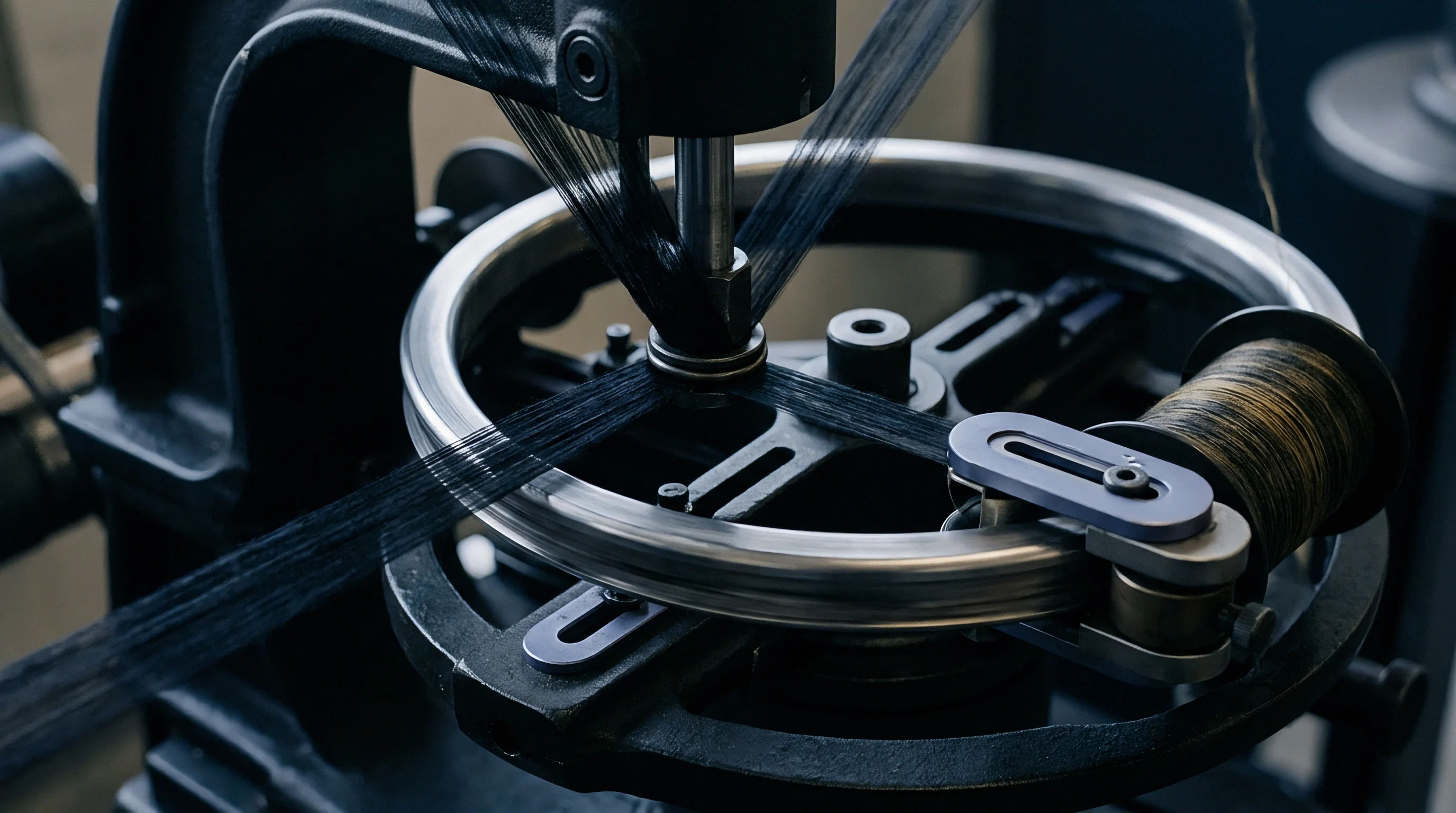
Purge
Maintenance crews inspect relay banks during planned style changes to restore pneumatic precision across the reed width. Relying on simple compressed air blowing through an external gun fails to dislodge densified size-fiber cakes. The polymer composite bonds tenaciously to metallic bore substrates, resisting dry mechanical disruption.
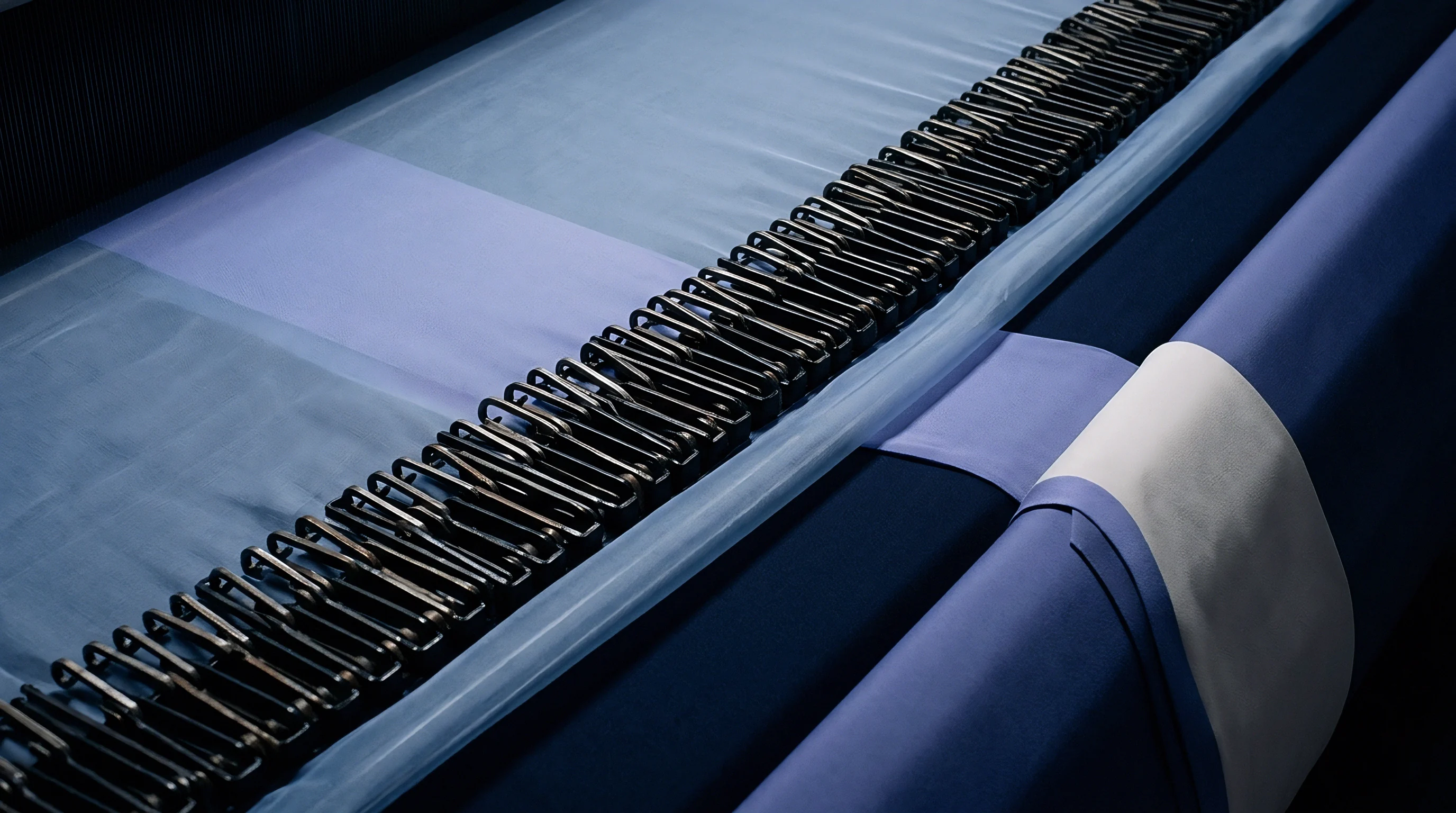
Mechanical Flushing and Ultrasonic Solvation Schedules
Submerging dismantled nozzle manifolds in heated alkaline baths breaks down crosslinked polymeric resins. Unsized filament warps shed less lint. For spun yarns coated with starch-PVA combinations, an aqueous wash containing three grams per liter of sodium hydroxide held at sixty degrees Celsius dissolves the adhesive matrix within fifteen minutes.
Solvent baths dissolve stubborn polymer coats. Immersion in an ultrasonic tank operating at forty kilohertz accelerates chemical penetration into restricted nozzle bores, breaking mechanical adhesion at the metal interface.
- Weekly Alcohol Swab Cycles remove tacky surface paste from the outer discharge lip before the sizing polymer undergoes sintering into an insoluble glaze.
- Dedicated Air Supply Dehumidification keeps delivery dew points below minus forty degrees Celsius, halting internal condensation during nozzle expansion phases.
- Differential Pressure Transducer Audits verify clean bore flow rates across individual relay blocks, spotting restricted sub-nozzles before warp mounts begin.
- Controlled Humidification Mist Directivity points aerosol discharge away from the immediate harness-to-reed insertion zone, maintaining humidity without soaking the dry yarn path.
Clean relay nozzles always display a uniform, mirror-bright internal surface free of visible discoloration along the discharge lip.


Outlay
Compressed air generation accounts for up to sixty-five percent of electrical consumption across modern industrial weaving facilities. A plant operating two hundred air jet looms consumes massive pneumatic volume. When relay nozzles foul, managers commonly increase compressor manifold pressure rather than halting machines for cleaning, initiating an escalating cycle of electrical and mechanical overhead.

Compressed Air Energy Losses and Stop Frequencies
Mill supervisors raise line regulator settings to offset thrust losses when nozzle exits narrow. Take a weave shed running two hundred air jet machines at nine hundred picks per minute on a plain weave 30/1 cotton print cloth. Nominal air consumption averages thirty-two normal cubic meters per hour per machine at 0.50 megapascals line pressure.
As nozzle bores constrict ten percent, maintaining adequate yarn tension across the reed requires raising supply pressure to 0.62 megapascals.
Generating compressed air at 0.62 megapascals rather than 0.50 megapascals demands an extra eight percent in compressor electrical draw. Assuming a continuous compressor rating of seven kilowatts per loom and an industrial power tariff of 0.11 dollars per kilowatt-hour, this pressure hike adds over one hundred thirty thousand kilowatt-hours annually per hundred looms. The mill absorbs this power surcharge.
Pick arrivals stall before right selvages. Total machine downtime scales with stops.
Yarn purchase specifications specifying a maximum dust generation threshold under standard test parameters shift pneumatic maintenance liabilities directly back to the sizing shed.
Beyond electrical bills, fabric downgrades extract heavy financial penalties. Humid sizing dust accumulation elevates insertion stop rates from 0.4 stops per hundred thousand picks to 2.8 stops. Each loom halt produces a pick-start mark visible in finished poplin or twill fabrics after dyeing.
If a plant produces fifty thousand meters per day, a two-percent downgrade from first-quality to second-quality cloth across thirty operating days destroys over twenty-five thousand dollars in finished inventory value.
Standard procurement agreements incorporating the International Chamber of Commerce commercial arbitration framework enforce explicit warranty terms on yarn hairiness, obligating sizing subcontractors to reimburse documented loom stoppage penalties whenever sizing fat content exceeds agreed limits.