Compaction Property
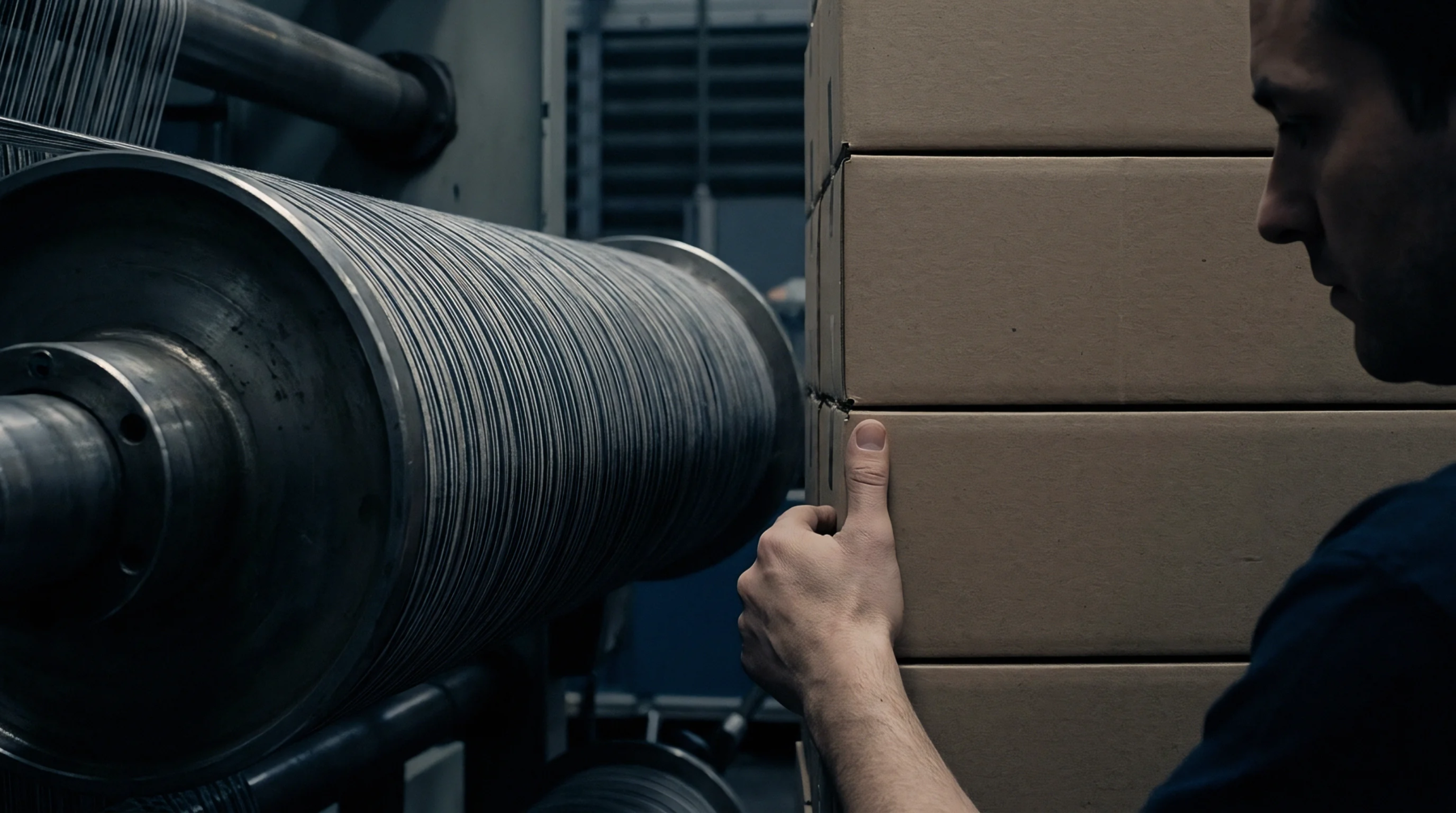
The mass of yarn wound per unit volume on a weaver’s or warper’s beam determines the structural integrity of the supply package. Proper beam density ensures that the yarn layers do not sink into one another during high-tension unwinding.
Warping Parameter
Pressure rolls apply a constant force against the surface of the beam as it grows in diameter to maintain a uniform hardness. If the beam density is too low, the yarn becomes soft and prone to tangling, while excessive density can crush the inner layers or damage the beam flanges. This property is measured in grams per cubic centimeter to provide a standard comparison between different machines.
Dyeing Uniformity
Liquid penetration in yarn dyeing depends entirely on the permeability of the wound package. Consistent beam density allows the dye liquor to flow evenly through all layers, preventing the core from remaining lighter than the exterior. A beam that is wound too tightly creates high resistance to flow and leads to shaded fabric.
Measurement Method
Mill technicians verify the hardness using a durometer or by calculating the weight of the yarn against the volume of the cylinder. Achieving the correct beam density is a prerequisite for high-speed weaving.