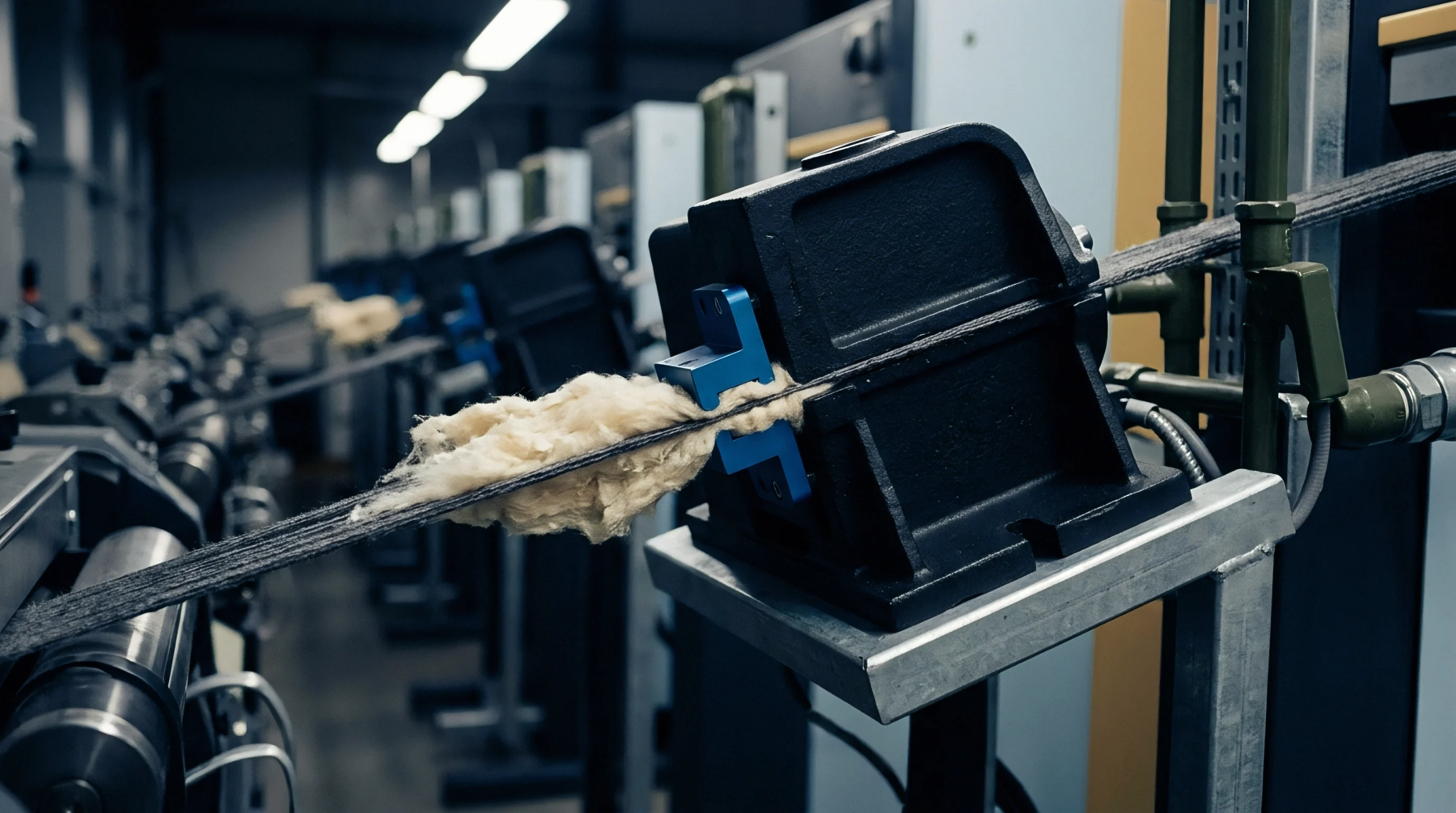
Short Fiber Content Thresholds in Combed Cotton Rotor Spinning
Exceeding twelve percent short fiber content by number in combed cotton sliver accelerates rotor accumulation, increases wrapper fibers, and drops yarn tenacity.
Exceeding twelve percent short fiber content by number in combed cotton sliver accelerates rotor accumulation, increases wrapper fibers, and drops yarn tenacity.
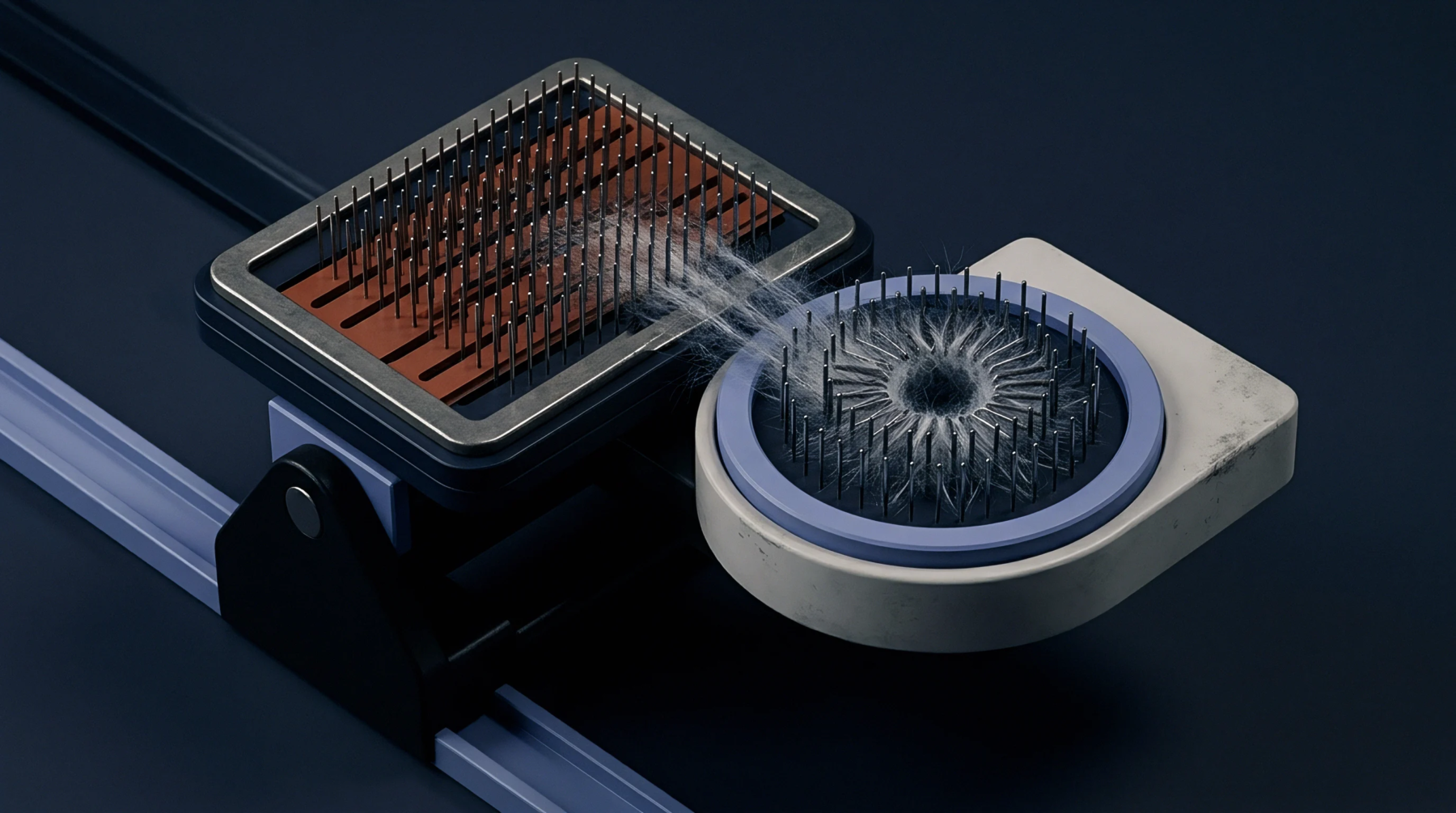
Tight card cylinder gauges and high licker-in speeds increase fiber breakage, elevating short fiber content by up to four percent and reducing yarn tenacity.

HVI span metrics quantify cotton length through optical beard scanning, where 2.5 percent span length dictates drafting gauges and uniformity governs noil extraction.

Verify high volume raw fibre shipments using ISO 3951 variable sampling to enforce statistical bundle strength and micronaire limits before mill laydown.

Air jet spinning waste ranges from three to nine percent, driven by short fiber index and nozzle pressure, directly shifting yarn yield and blend ratios.

Combing long-staple cotton to eighteen percent noil suppresses short fibers below six percent, locking ends into yarn cores to secure Grade 4 pilling life.
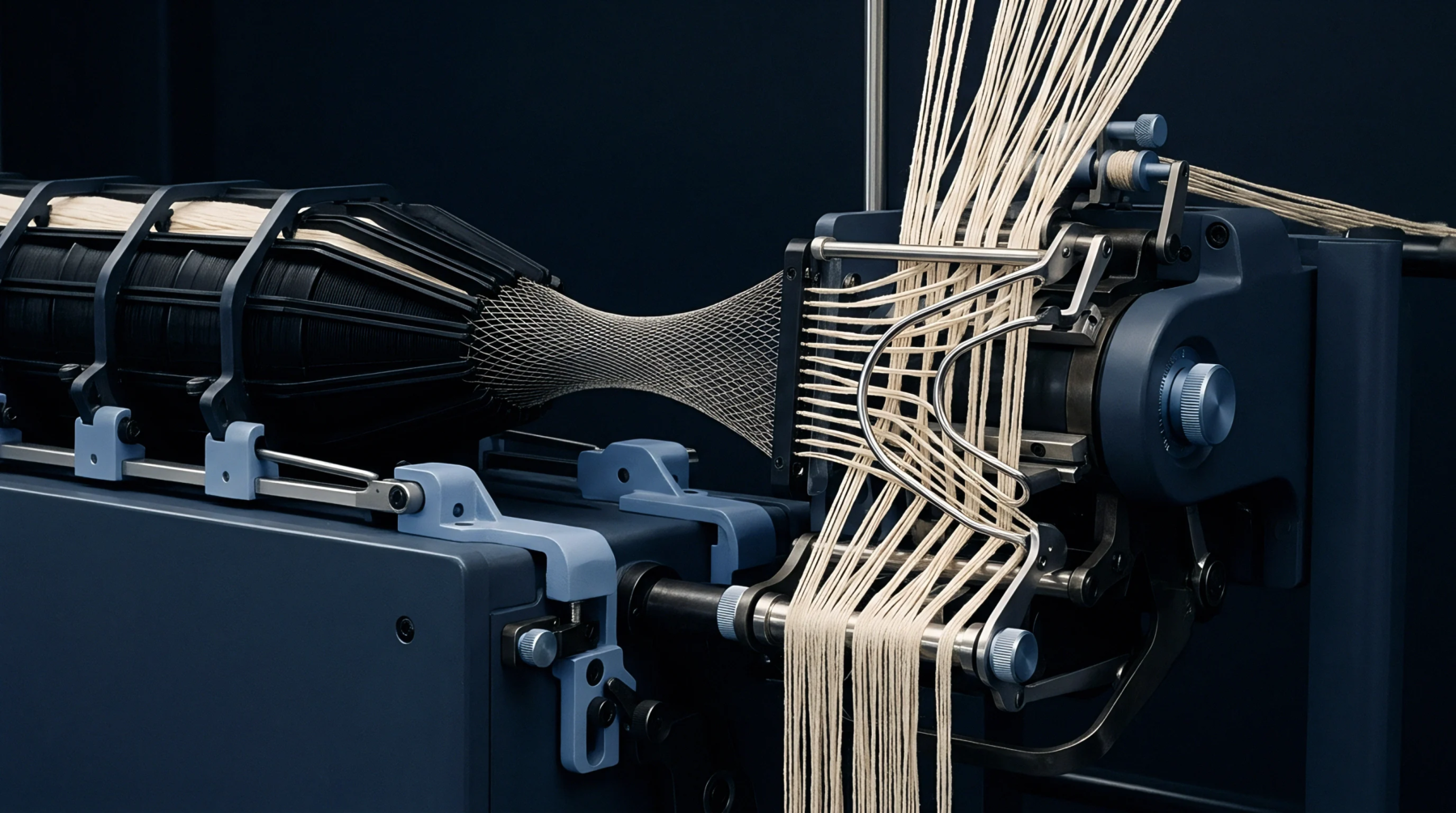
Standard core sampling extracts representative full-depth fibers across compressed bales to verify moisture, micronaire, and net scoured commercial mass.

AFIS short fiber content by weight in raw cotton must remain below 8.5 percent to prevent severe mass variance and tenacity drop in carded yarn spinning.

Core sampling raw cotton requires deep core extraction, standard atmosphere conditioning, and calibrated instrument verification to secure commercial payment accuracy.

Optimize cotton staple selection by matching upper half mean length and short fiber index to target yarn counts to prevent drafting defects and lower landed yarn costs.
Expertise is a utility, not a secret. sentiention™ publishes its working knowledge as open reference: intelligence layer covering the materials it sources, the markets it enters, and the reference that serves both.