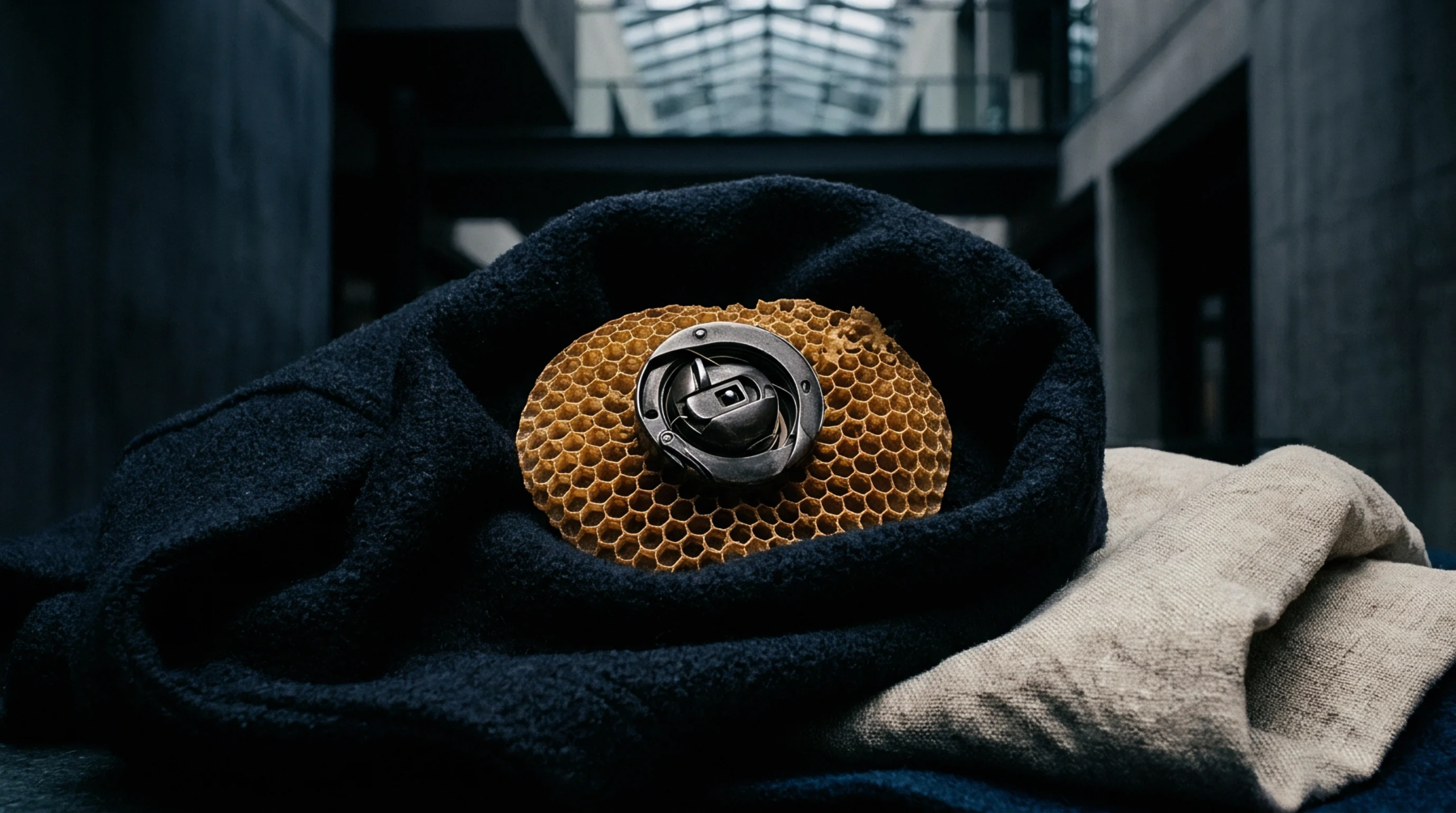
Boring Instrument
Mechanical boring tools equipped with a rotating cutting head extract cylindrical samples from densely packed textile raw materials. In the warehouse or the laboratory, the rotary coring auger functions to penetrate deep into bales of wool or cotton to retrieve a specimen that represents the average quality of the lot. This tool uses a combination of rotation and forward pressure to cut through the interlaced fibers without causing thermal damage.
Mechanical Action
Helical grooves on the outside of the bit carry the loose material away from the cutting edge to prevent the tool from jamming. As the rotary coring auger descends, the internal hollow chamber collects a continuous core of the material for inspection. The speed of the motor must be adjusted to match the density of the bale to ensure a clean cut and to prevent the melting of synthetic fibers.
Sample Depth
Reach and diameter of the bit define the volume of the sample that can be retrieved in a single pass. Using a rotary coring auger allows the inspector to verify the consistency of the fiber from the surface to the very center of the bale. This thoroughness is necessary to detect any internal moisture or contaminants that may have been hidden during the initial packing process.
Tool Maintenance
Sharpening of the leading edge is the most frequent requirement for ensuring the longevity and accuracy of the device. If the rotary coring auger becomes dull, it will tear the fibers and produce a distorted sample that does not meet the standards for micronaire or length testing. Storage in a dry environment prevents the development of rust on the polished surfaces of the tube.
Correct alignment of the drive shaft prevents vibrations that could damage the delicate internal components of the sampling mechanism.