Surface Projection
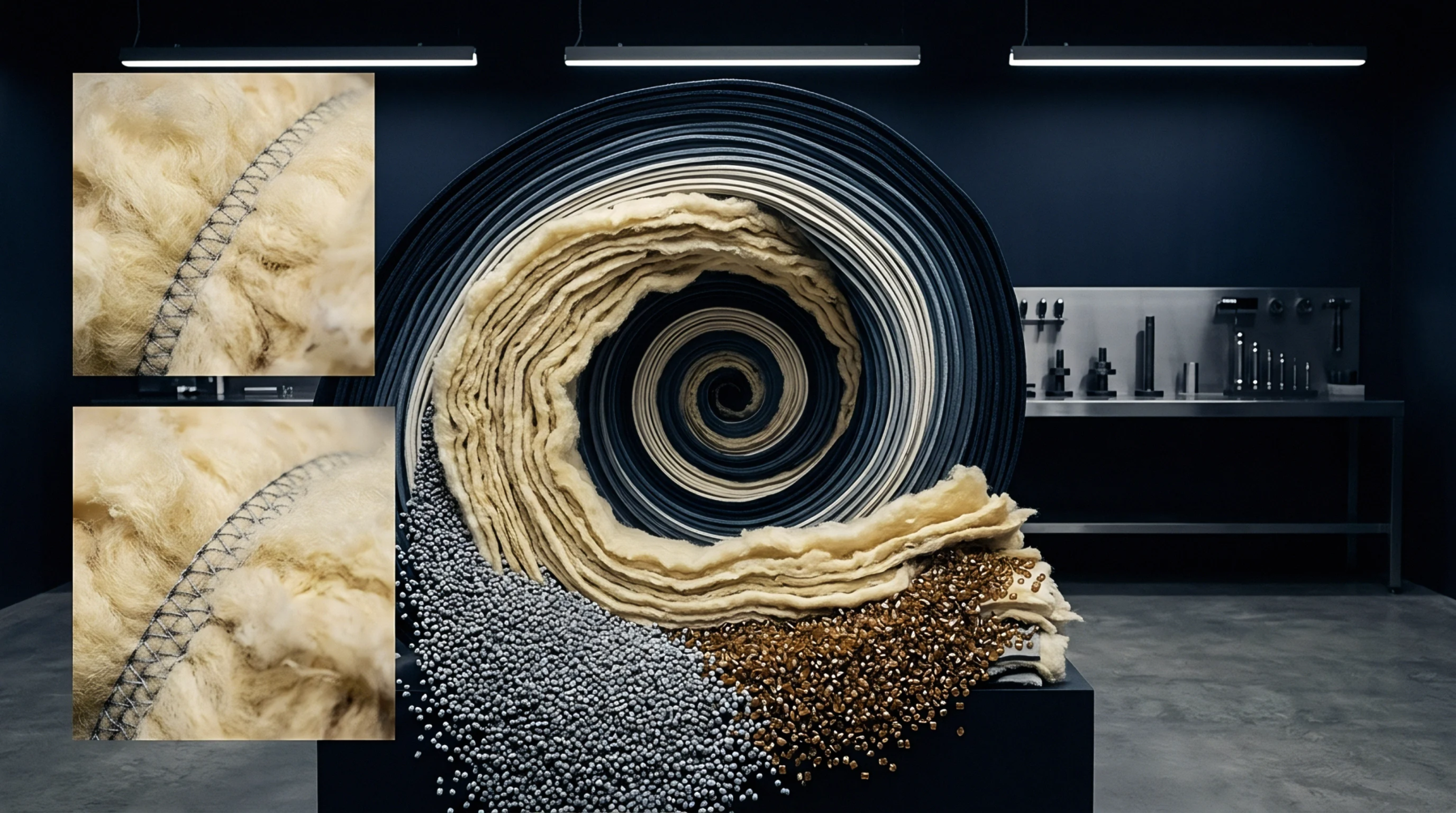
Protruding fibre segments extending from the main body of a linear textile structure constitute the physical reality of yarn hairiness. This phenomenon occurs when fibre ends or loops fail to tuck into the core during the spinning process. Length and frequency of these deviations dictate the overall visual appearance and physical performance of the material.
Variations emerge depending on the fibre type, mechanical twisting speeds, and the settings of the drafting system used in the mill.
Measurement Protocol
Opto-electronic sensors quantify the total length of these protrusions per unit of length during a standardized test run. These devices employ laser beams to cast shadows of the linear material as it passes through the sensing field at controlled speeds. High counts of these protrusions increase friction during weaving, which leads to frequent breaks on the loom.
Lower readings correlate with a cleaner finish in the final garment.
Production Influence
Spinning technology dictates the intensity of this feature through rotor, ring, or air-jet configurations. Ring spinning creates a different profile of extension compared to air-jet methods due to the mechanics of centripetal force and air drag during formation. Adjusting the twist levels and the suction settings at the drafting stage controls how many fibre ends migrate to the surface.
Higher suction forces draw loose material toward the centre, whereas lower air pressure leaves more material on the exterior.
Material Outcome
Surface resistance in finished fabrics depends heavily on the initial density of these protruding filaments. Increased quantities of surface fibre increase the likelihood of pilling during consumer wear. Heavy occurrences make the final surface appear dull, while minimal amounts provide the smooth hand required for high-grade shirting.
Reducing the protrusion count improves the clarity of printed patterns and increases the structural integrity of the fabric surface.