Optimizing Gin Cleaner Sequences to Minimize Fiber Shortening and Neps
Maintain lint moisture at 6.5 to 7.5 percent and bypass secondary saw cleaners to prevent fiber breakage and suppress nep formation during cotton ginning.


Saw
An intake moisture level of 5.2 percent entering a standard saw-type lint cleaner breaks mature cotton fibres at the grid bars and doubles the nep count. A lot arriving at the gin stand with that dry reading will drop mean length by 1.6 millimetres between the feeder apron and the bale press. Lint cleaners rely on mechanical combing, centrifugal separation, and sharp directional changes over grid bars to fling botanical trash out of the fibre batt.
When fibres lack sufficient plasticizing moisture, tensile elasticity drops below 5.5 percent elongation at break, causing whole fibres to fracture against the bar edges into short fragments.
Ginners routinely run two saw stages in series to force grade improvements from Strict Low Middling to Strict Middling. That jump clears leaf particles, yet it strips the spinner of usable yarn yield. The first saw cylinder inflicts the initial damage, and the second doubles down on the mechanical fracture.
Fiber length uniformity drops from 82.5 percent down to 78.8 percent across two stages of saw cleaning under low moisture conditions. High-speed saws rotate between 800 and 1200 revolutions per minute, combing through a dense batt held tightly by feed rollers. The aggressive teeth snag entangled locks, converting immature, thin-walled fibres into tangled knots.
A saw lint cleaner operating on cotton below six percent moisture increases the nep content by more than eighty knots per gram.
Gin machinery arrangements that combine cylinder cleaners, stick machines, extractor-feeders, and tandem saw cleaners extract roughly 98 percent of foreign matter present in seed cotton. The mechanical penalty lands directly on the spinning mill. Slower combing speeds and reduced saw cylinder rotations curb impact forces, mitigating fiber shortening.
Every grid bar collision strips a layer of natural wax and stresses the crystalline fibrils within the secondary cell wall. When ginners prioritize lint grade over fibre architecture, the invoice reflects clean cotton while the blowroom waste records high unspinnable fragments.
Grid Bar Clearance Mechanics
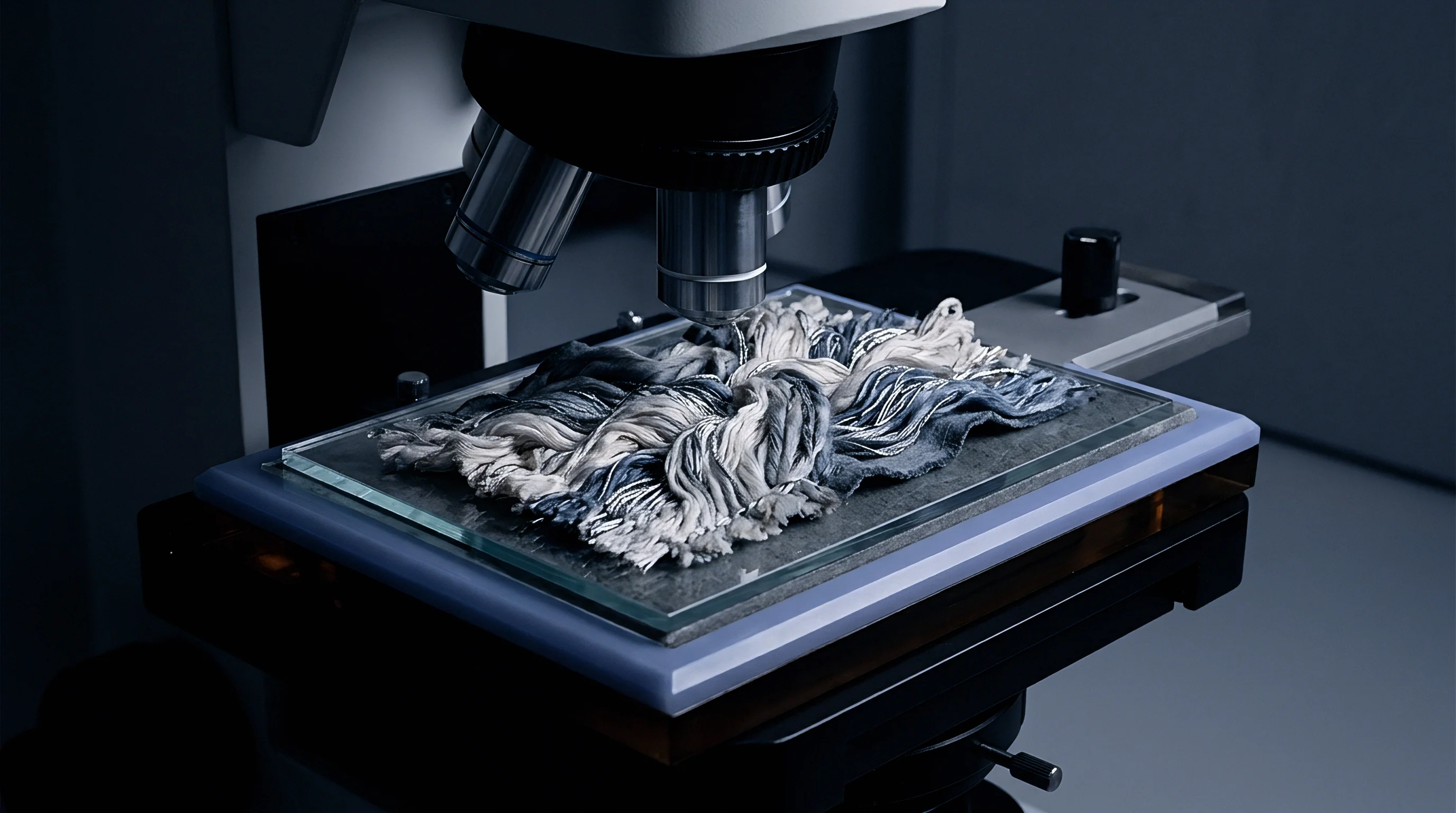
Precise mechanical alignment between the saw cylinder and the toe of the cleaning grid bar controls trash extraction efficiency and fiber integrity. A tight clearance below 0.79 millimetres pinches the leading edge of the fiber batt, shearing the fibers instead of sliding them over the bar. Setting the clearance wider than 1.58 millimetres allows foreign matter to bypass centrifugal ejection, circulating coarse leaf into the condenser drum.
Technicians verify these clearances across the full 3.05-metre width of the cylinder using calibrated feeler gauges before every run.
Batt thickness governs the actual clearance required at operational gin speeds. Heavy feed rates choke the saw teeth, wedging dense cotton bundles against the grid bar radius. The resulting friction elevates localized surface temperatures, degrading natural waxes and promoting fiber breakage.
Balanced batt delivery depends on variable-speed feed rollers synchronized directly to saw cylinder motor amperage. A surge in saw drive current triggers an immediate reduction in feed-roller velocity, keeping the fiber batt uniform and preserving the delicate staple structure.
The operational cost that follows improper clearance calibration surfaces on the mill floor as comb sorter short-fiber content exceeding twelve percent by weight.


Air
Coupled aerodynamic separators eliminate mechanical grid impact by floating individualized fibres across high-velocity air streams. Pneumatic lint cleaners utilize centrifugal throw combined with boundary-layer air skimming to strip particulate without mechanical saw impact. Fiber tufts enter an expansion chamber where an adjustable air knife shears dirt particles away from the trailing fibers.
Trash particles possess higher mass and inertia than cotton fibers, crossing the split-stream threshold into the waste duct while aerodynamic forces carry the lint to the condenser screen. This pneumatic separation suppresses nep formation entirely because no mechanical metal edges scrape the fragile fiber bundle.
Spinning mills purchasing mechanically picked upland cotton experience high yarn break rates when relying exclusively on air-cleaned lots containing embedded bark. Seed coat fragments bonded to the lint through chalazal tissues resist pure pneumatic separation. While air cleaners prevent fiber degradation, their cleaning efficiency runs between 15 and 25 percent, compared to 55 to 70 percent for a single saw cylinder cleaner.
Processors combine an initial low-velocity air cleaner with an optional, bypass-capable controlled-batt saw cleaner to manage variable field contamination.
| Cleaning Sequence | Upper Half Mean Length (mm) | Length Uniformity Index (Percent) | Short Fiber Content (Percent by Weight) | Nep Count (Neps per Gram) | Visible Foreign Matter (Percent) |
|---|---|---|---|---|---|
| No Lint Cleaning | 28.9 | 83.2 | 6.8 | 142 | 4.6 |
| Single Air-Jet Unit | 28.7 | 82.8 | 7.3 | 158 | 3.8 |
| One Saw Cleaner | 28.1 | 80.9 | 9.8 | 226 | 2.1 |
| Two Saw Cleaners | 27.3 | 78.4 | 13.4 | 318 | 1.2 |
| Air-Jet Plus One Saw | 27.9 | 81.2 | 9.1 | 240 | 1.7 |
Air-jet velocity calibration demands micro-manometer monitoring of duct static pressures. Velocity profiles dropping below 22 metres per second permit heavy fibers to settle into the trash hopper, creating excessive lint loss in gin waste streams. Exceeding 32 metres per second generates intense turbulence that tangles low-micronaire fibers into tight aerodynamic knots.
Operating technicians lock duct velocities at 26 metres per second using variable-frequency blower drives, balancing trash shedding against fiber retention.

Does Cylinder Peripheral Velocity Determine Fiber Fracture?
Linear tip speeds of saw teeth dictate the kinetic transfer delivered to the cotton batt at initial contact. Saws turning at 1000 revolutions per minute on a 406-millimetre diameter mandrel generate a peripheral speed of 21.2 metres per second. Striking a stationary or slow-moving fiber batt at that velocity exerts instantaneous tensile forces exceeding the single-fiber breaking load of upland cotton.
Lowering saw shaft speeds down to 650 revolutions per minute reduces peripheral velocity to 13.8 metres per second, softening the combing impact and maintaining staple integrity.
Reducing saw rotational speed shifts trash extraction dynamics across the grid assembly. Slower tip velocities weaken the centrifugal acceleration that flings trash particles away from the saw drum. To counteract this loss in cleaning power, gin operators close grid clearances slightly and narrow the batt thickness via feed-roller gearing.
Controlled batt presentation allows lower saw speeds to isolate foreign matter effectively without shearing mature fibers.
Machinery operates efficiently only when moisture inputs, saw speeds, and feed sequences match raw bale classing parameters.
The machinery supplier will argue that high saw velocities remain essential to prevent drum wrap and maintain fifty-bale-per-hour line capacity during peak harvest windows.

Moisture
Cellulose polymers exhibit a direct mechanical dependence on internal water regain, shifting breaking elongation and shear toughness with ambient equilibrium. Dry cotton fibers fed to lint cleaners fracture internally under shear stress because hydrogen bonding within the crystalline fibrils cannot flex without interstitial water. Bringing seed cotton into a relative humidity chamber to lift lint moisture from 4.5 percent up to 7.5 percent doubles fiber impact resistance.
This equilibrium moisture regain acts as an internal lubricant, allowing twisted ribbon convolutions to untangle and slide over grid bars without snapping.
Moisture conditioning units apply directional steam vapor and conditioned air through perforated conveyor aprons ahead of the gin stand. Restoring water to lint requires distinct thermal and atmospheric controls, described in precise mechanical operations:
- Humidified air generation mixes low-pressure steam with heated ambient airflow inside an insulated combustion-free vaporization chamber.
- Counterflow air penetration forces warm, saturated air directly down through the tumbled seed-cotton mass resting on the wire mesh distribution belt.
- Infrared resistance monitoring measures moisture content continuously at the gin stand feeder apron using surface electrodes calibrated to cotton dielectric properties.
- Modulated steam regulation adjusts boiler output valves automatically within three seconds to prevent lint moisture from sliding below seven percent.
- Lint slide reconditioning sprays atomized, droplet-free aqueous humectant mists over the clean fiber batt immediately prior to bale press hydraulic compression.
Excessive moisture introduces alternative processing problems within saw lint cleaners. Lint arriving above 8.5 percent moisture sticks to the circular saws, wrapping cylinders and blinding cleaning grids with damp lint wads. Sticky deposits collect dirt, increasing drag forces that shear trailing fibers.
Damp trash loses its brittle nature, resisting clean detachment from surrounding fibers and bending around the saw teeth instead of discharging through the trash chute.

Equilibrium Regain and Fiber Plasticity
Fiber toughness correlates directly with moisture regain percentages across all standard trade classifications. Cotton tested at standard atmosphere conditions of 65 percent relative humidity and 21 degrees Celsius demonstrates an equilibrium moisture content near 7.5 to 8.0 percent. In hot harvest climates, seed cotton arriving at the gin routinely measures four percent water by weight.
At this level, breaking tenacity plummets from 31 centinewtons per tex down to 24 centinewtons per tex, yielding immediate fiber shatter upon saw wire impact.
Conditioning systems inject up to 1.5 percentage points of water into the seed cotton within a fifteen-second contact window inside humidified augers. This rapid water absorption plasticizes the outer primary wall and softens the natural pectin matrix. Pectins and waxes flex under mechanical tension, dispersing kinetic energy along the entire fiber length rather than concentrating stress at the grid bar contact point.
The resultant fiber batt combs cleanly, suppressing both seed coat fragment separation and structural nep formation.
Under USDA Cotton Classification rules, excess moisture claims fail when lint moisture at the bale press registers between 6.5 and 7.5 percent.
The residual question rests on whether rapidly applied surface moisture penetrates the inner cellulose lumen uniformly or merely lubricates outer cuticle layers during high-speed ginning cycles.


Bypass
Pneumatic bypass valves positioned upstream of secondary saw cleaners provide the single most effective intervention for protecting fiber staple uniformity. Clean, hand-picked or clean-machine-picked cotton carrying leaf grades of 1 or 2 gains nothing from a second stage of mechanical saw beating. Diverting the lint stream directly from the first cleaner into the battery condenser protects upper half mean length and suppresses short-fiber spikes.
Automated diversion gates drop the second saw out of the pneumatic sequence whenever real-time video trash meters detect foreign matter levels below 1.5 percent area.
Gin managers resist bypassing secondary saw cleaners due to grade discounts on the spot cotton market. Spot buyers discount bales grading below Strict Low Middling far more aggressively than they reward high uniformity or low nep counts. The base contract specifies leaf and color grades plainly, whereas nep count and short fiber content require advanced high volume instrument testing that rarely factors into farm-gate lint settlement.
This commercial incentive forces ginners to run destructive cleaning sequences to strip visible plant matter, sacrificing fiber length to secure grade premiums.
- Rotary diverter drums shift the lint flow from primary cleaning chutes into bypass transport ducts via pneumatic pneumatic actuators within two seconds.
- High-speed optical sensors measure trash area and particle count across the lint slide to signal valve position adjustments before contaminants reach the press.
- Differential pressure gates equalize pneumatic duct balance during transitions, preventing fiber hang-ups and flash fire risks inside stagnant gin flues.
- Manual bypass dampers lock out secondary lint cleaners during specific customer contract runs prioritizing high-count combed yarn spinning requirements.
Spinning mills executing long-term agreements with forward-thinking gins mandate the installation of bypass flues directly in the sales memorandum. The specification sets maximum permissible lint cleaner stages, trading a slightly higher trash percentage for superior spinning consistency. Removing the second saw cleaner eliminates the primary point of nep generation within the ginning infrastructure.
The blowroom and carding engines at the spinning mill handle leaf fragments far more efficiently than they handle twisted fiber knots.
Automated Lint Diversion Architecture
Dynamic lint management relies on automated process controls linked to real-time optical foreign matter analyzers. Optical units scan the fast-moving lint ribbon behind the gin stand saw cylinder using calibrated charge-coupled device cameras. Images collected at thirty frames per second are processed to compute trash particle counts and percentage trash surface area.
The central programmable logic controller compares these readings against the target spinning specification entered for the production run.
If foreign matter content registers below the preset boundary, the controller sends a 24-volt direct current pulse to pneumatic solenoid valves on the cleaner bypass gate. Cylinders actuate the diverter baffle within 1.2 seconds, sweeping the entire cotton stream away from the secondary saw feed apron into a clean air conveyor duct. Diverted fiber bypasses eighty saw teeth per square inch and three grid bars, saving the lot from additional mechanical trauma.
The entire diversion cycle occurs seamlessly without interrupting material flow or dropping overall processing speed.
Failure to implement automated diverter controls when processing clean, dry cotton varieties locks in an immediate two percent loss in spinning mill ring-frame yarn strength.
Waste
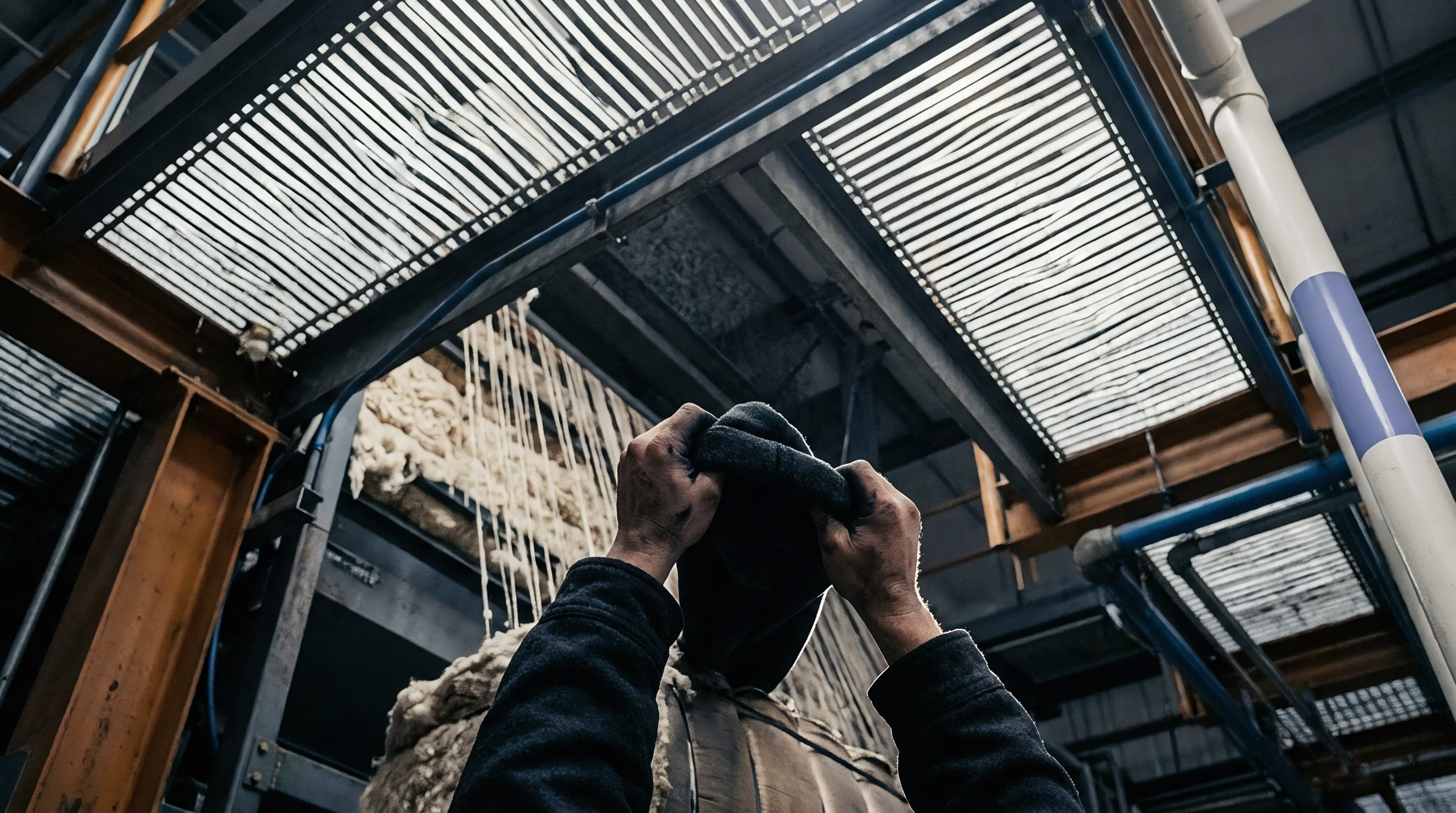
Waste streams exiting saw lint cleaners contain substantial percentages of fully spinnable cotton fibers thrown out alongside leaf particles. High-speed saw teeth pull fibers through grid clearances where centrifugal throw and aerodynamic peeling strip material away. In an aggressive two-saw cleaning sequence, gin waste totals roughly 4.5 percent of gross bale weight, with spinnable fibers accounting for more than 60 percent of that discarded mass.
Analyzing lint cleaner waste collectors reveals white, undamaged fibers wrapped tightly around small bark fragments, ejected simply because the assembly cannot separate mechanical entanglement from plant waste.
Carding machinery at the spinning mill isolates trash with higher mechanical precision than high-throughput gin machinery. Modern blowroom lines and cards use controlled airflow, revolving flats, and stationary carding segments with micro-gauge clearances to separate short fragments from valuable staple. Discarding long cotton fibers into gin waste pits burns gin operating capital while simultaneously degrading the quality of the remaining lint.
Balancing gin extraction requires minimizing waste volume while retaining leaf levels within commercial classing tolerances.
| Extraction Point | Total Waste Mass (kg) | Spinnable Fiber (Percent Mass) | Short Fiber Fragments (Percent Mass) | Botanical Trash (Percent Mass) | Seed Coat Neps (Percent Mass) |
|---|---|---|---|---|---|
| Cylinder Cleaner and Stick Machine | 3,850 | 4.2 | 12.1 | 82.4 | 1.3 |
| First Stage Saw Lint Cleaner | 460 | 58.5 | 18.2 | 21.1 | 2.2 |
| Second Stage Saw Lint Cleaner | 310 | 68.2 | 19.4 | 8.8 | 3.6 |
| Air-Jet Lint Cleaner Tailings | 185 | 41.0 | 24.3 | 33.2 | 1.5 |
The numbers demonstrate the diminishing returns of progressive mechanical cleaning. The second saw cleaner extracts only 310 kilograms of total waste from the entire run, yet 68.2 percent of that waste consists of high-grade lint. The machine removes a negligible 27 kilograms of pure botanical trash at the cost of sacrificing 211 kilograms of prime spinning stock.
Every additional kilogram of lint pulled into the waste collection chamber represents commercial loss for the grower and fiber shortening for the buyer.
Fiber Recovery System Economics
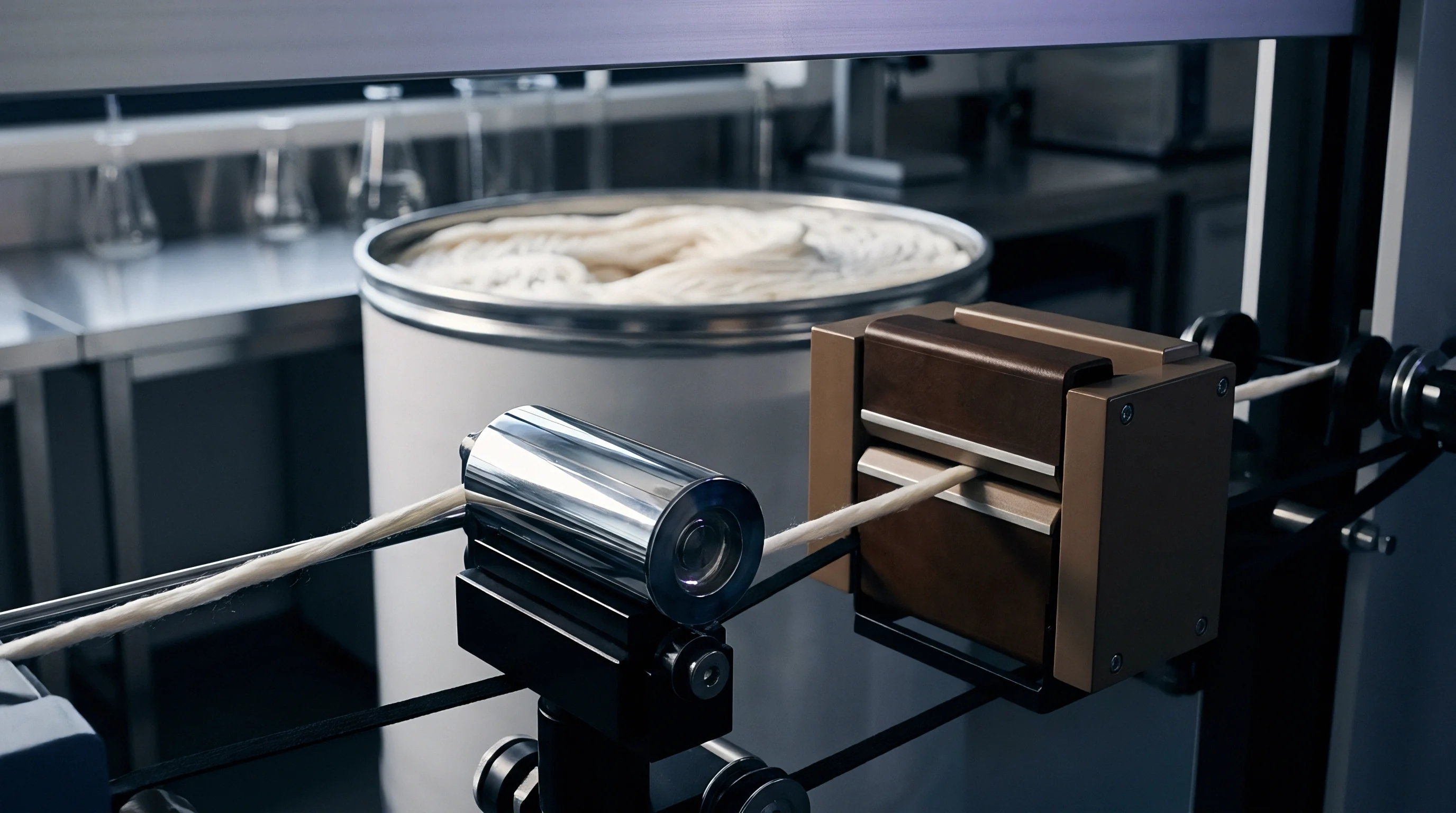
Lint retrieval systems installed behind saw cleaners process expelled waste through secondary reclaiming cylinders to recover lost fibers. Reclaimers employ coarse wire cylinders rotating over vibrating screens to capture airborne fibers while allowing leaf trash to fall through exhaust ducts. Reclaimed fiber is typically fed directly into secondary gin waste bales rather than reinjected into the primary lint stream.
Returning reclaimed gin-waste lint to the main bale lowers the overall length uniformity index and introduces severe nep spikes.
Operating a closed-loop lint cleaner recovery that recirculates reclaimer lint into the primary press ruins the spinning value of the finished lot. The reclaimer subjects the already fractured fibers to an additional mechanical beating, escalating the nep count above 400 knots per gram. Reclaimed fibers lack length uniformity, displaying short fiber contents above twenty percent.
Savvy spinning procurement desks insert explicit contract language banning the blending of gin motes or reclaimer lint into merchantable export bales.
Standard ginning agreements mandate that lint cleaner motes remain physically segregated in dedicated waste houses, preventing contamination of first-line spinning deliveries.
Control
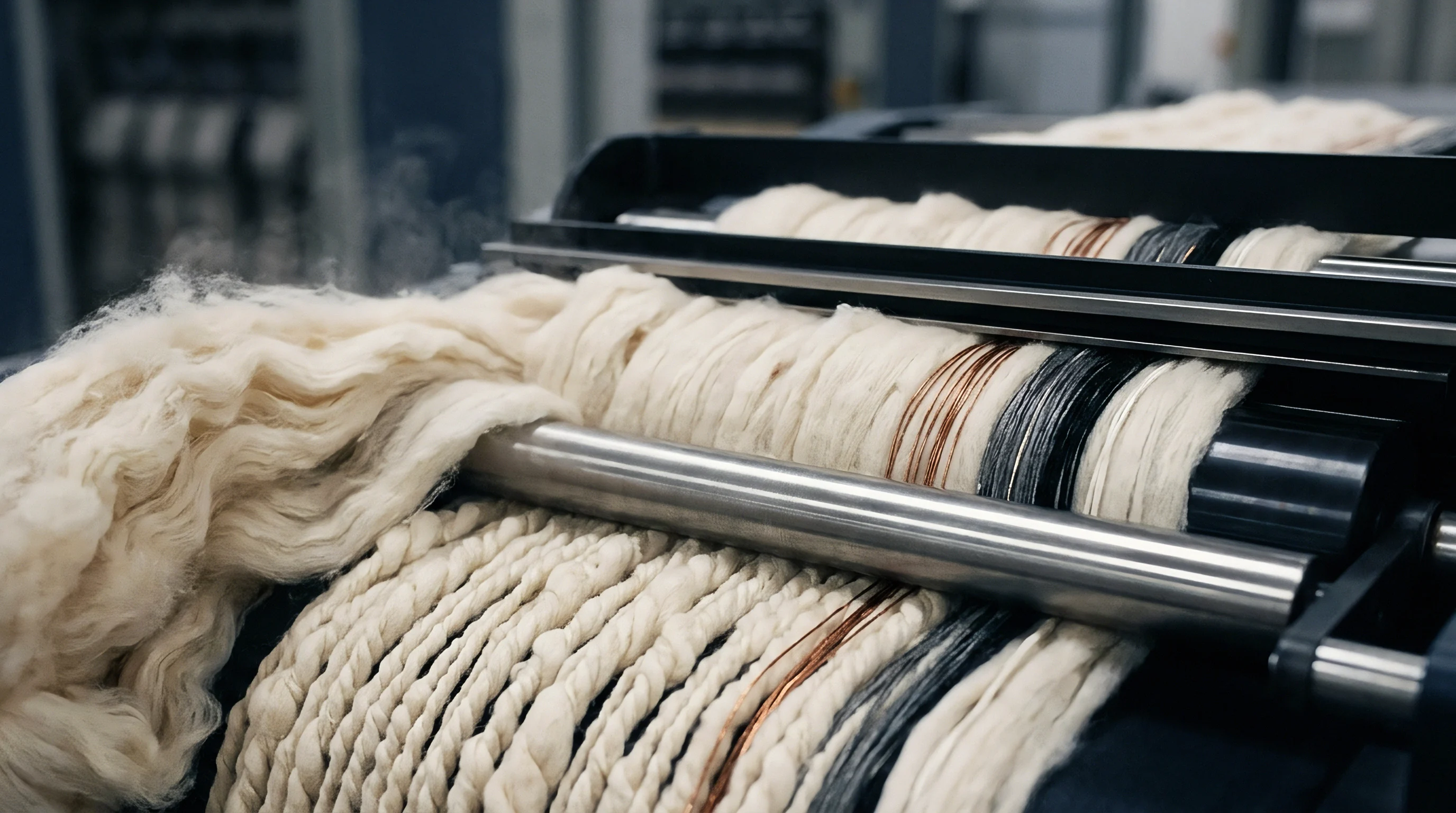
Operational control across gin cleaning sequences balances lint grade realization against fiber physical architecture through calibrated equipment parameters. Ginners must manage three interdependent variables: lint moisture content at the cleaning stand, the total number of active mechanical stages, and the rotational tip speed of the saw assemblies. Raising moisture by two percentage points permits the safe application of a single saw cleaner without truncating length distribution.
The process requires continuous monitoring of gin stand motor loads, atmospheric psychrometric conditions, and lint slide trash surface areas.
The spinning mill evaluates raw material performance based on combed yarn appearance, end-break frequency on the spinning frame, and ring-spun yarn hairiness. High nep contents formed during gin cleaning persist through the blowroom and card, resisting extraction in the combing room. Neps that escape combing slip into the yarn structure, emerging as unsightly specks in dyed single jersey knit goods.
Fiber fragments generated by aggressive grid-bar shearing float out as fly during high-speed spinning, forcing drafting stops and elevating yarn unevenness coefficients.
Setting optimal sequences hinges on raw harvest conditions. Hand-harvested or carefully picked cotton requires minimal processing, functioning best with an air-jet cleaner or a single bypassed saw stage. Brush-harvested or stripper-picked cotton containing heavy burrs, sticks, and green leaf mandates thorough pre-cleaning through cylinder separators and stick extractors before reaching the lint cleaners.
Removing botanical debris while the seed remains attached provides mechanical support, preventing fiber deformation during coarse foreign matter separation.
Modern gin designs prioritize pre-cleaning systems to lighten the burden placed on lint cleaners downstream. Removing sticks, burrs, and leaf before the fibers are separated from the seed kernel reduces the trash loading entering the lint cleaner feed apron. A light foreign-matter load enables the ginner to slow the lint saw cylinders, open grid bar clearances, and bypass the secondary cleaner entirely without risking low-grade market penalties.
Preserving the natural staple geometry and avoiding nep creation in the gin ensures maximum yarn tenacity and smooth processing throughout the downstream mill.
The field remains divided over whether real-time single-fiber testing instrumentation will soon advance sufficiently to control gin saw clearances dynamically on high-speed production floors.