Optimizing Hydraulic Penetration and Electrolyte Exhaustion Kinetics in Multi-Ply Duck Canvas Jet Dyeing
Balance venturi differential pressure with exponential salt dosing to force dye through dense multi-ply cotton plies, preventing ring dyeing and crock failures.
Plies
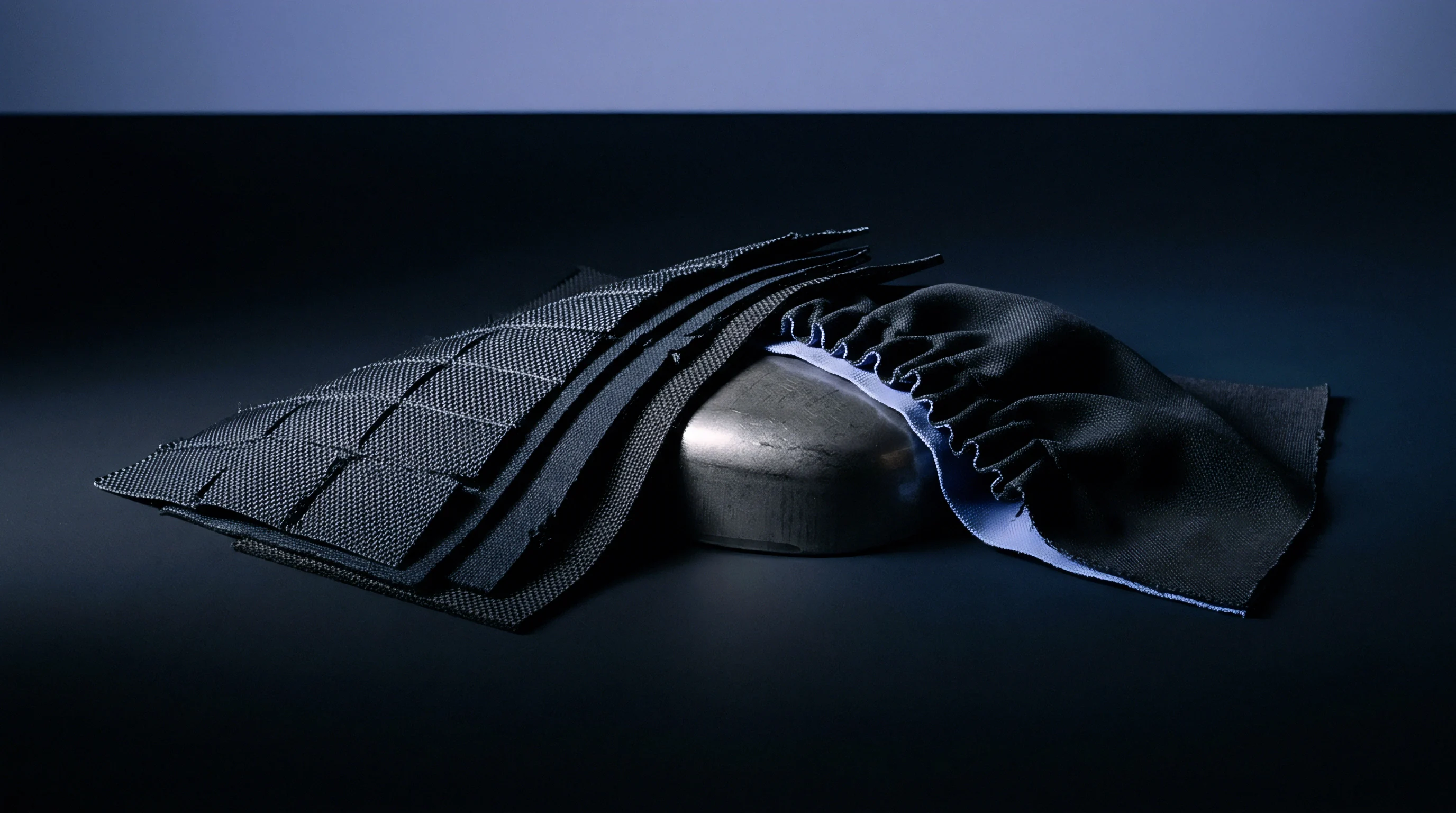
Heavy cotton duck constructions specified for luggage, technical workwear, and military equipage present a stubborn fluid barrier inside a jet dyeing machine. When two or more yarn ends are folded and cabled into plied yarns, such as 10/2, 10/3, or 12/4 count structures, mechanical twist locks individual staple fibres into high-density cylinders. Weaving these yarns into a plain weave Number Duck produces an areal density exceeding 400 grams per square metre, reaching past 600 grams per square metre in Number 4 and Number 6 constructions.
The primary barrier to wet processing lives inside these tightly jammed intersections. Inter-yarn porosity drops sharply, leaving tiny interstitial voids that resist liquor displacement under normal atmospheric wetting.
Dyeing such heavy goods on an aerodynamic or soft-flow hydraulic jet requires balancing mechanical liquor impact against fabric distortion. If the nozzle pressure climbs too high to force bath liquor into the core of the yarn plies, the canvas develops surface rope marks, stitch displacement, and fiber abrasion. Conversely, insufficient hydrodynamic impulse leaves the core of the multi-ply assembly dry or un-dyed, a failure mode known as white core or ring dyeing.
When the dyed goods undergo abrasive wear during field use, the un-dyed interior fibres break through the thin, dyed annular ring, causing severe premature color fading along crease lines.
A multi-ply duck dyed with inadequate liquor impact exhibits a core-to-surface color difference exceeding 2.5 Delta E units across the yarn radius.
Controlling hydraulic penetration demands a precise match between the machine venturi diameter and the fabric rope volume. The packing fraction of plied cotton yarns prevents passive capillary diffusion within the short contact time inside the jet transport nozzle. Fluid must be forced through the structural interstices by an applied pressure gradient.
At the same time, the chemistries dissolved in the liquor, specifically reactive dyes and inorganic salts, must disperse evenly across both the exterior faces and the innermost fibrils before fixation takes place.
Structural Packing and Interstitial Fluid Resistance
Duck canvas woven to ASTM D230 specifications uses plied yarns in both warp and weft to maximize tensile strength and tear resistance. The twist factor applied during folding packs thousands of cotton cellulose fibrils together. The mechanical twist multiplier, often exceeding 4.2 in warp yarns, generates high lateral compressive force toward the yarn axis.
When the greige cloth enters the wet processing line, natural waxes and pectins worsen this resistance. Even after scouring, the close spacing of individual yarns leaves little space for fluid movement. Fluid flow through these structures transitions from bulk convective flow around the yarn bundles to slow, tortuous diffusion through the sub-micron spaces between individual fibres.
During the brief transit time through a jet nozzle, typically between 0.8 and 1.5 seconds, the applied hydrodynamic field must overcome this flow resistance. The fabric bundle passes through the nozzle throat where dynamic fluid pressure peaks. If this fluid pulse fails to displace the air or stagnant liquor trapped inside the plied core, the dye molecules bypass the core cellulose entirely.
The outer fibrils absorb dye rapidly due to their immediate exposure to the moving bath. The inner fibrils remain starved of dyestuff. This gradient is the root cause of poor fastness and visible ring dyeing.
| Canvas Grade | Finished Weight (g/m²) | Yarn Count (Warp × Weft) | Yarn Plies | Sett (Ends × Picks / 10cm) | Calculated Porosity (%) |
|---|---|---|---|---|---|
| Number 1 Duck | 1015 | 7/5 cabled × 7/5 cabled | 5 × 5 | 110 × 85 | 18.4 |
| Number 4 Duck | 820 | 7/4 cabled × 7/4 cabled | 4 × 4 | 125 × 95 | 22.1 |
| Number 8 Duck | 610 | 10/3 plied × 10/3 plied | 3 × 3 | 170 × 110 | 27.8 |
| Number 10 Duck | 500 | 12/2 plied × 12/2 plied | 2 × 2 | 195 × 140 | 31.5 |
| Number 12 Duck | 390 | 14/2 plied × 14/2 plied | 2 × 2 | 220 × 165 | 35.2 |
As the ply count increases from two to five ends, calculated inter-yarn porosity drops by half. This structural tightening directly increases the hydraulic work required to achieve wet-through. Lower porosity increases the hydraulic resistance across the cloth profile.
When fluid cannot pass freely through the weave, it diverts around the edges of the rope, reducing energy transfer and allowing the interior to escape exposure to active chemicals.
Process engineers frequently miss this geometry when selecting processing equipment for heavy goods. Standard soft-flow jets, built to treat lightweight circular knits or open synthetic wovens, lack the pump head capacity to generate the necessary pressure drop. The result is uneven color development across the face and back, paired with patchy cross-sectional penetration that fails incoming inspection.
Hydraulics
Jet dyeing equipment applies fluid mechanics to accomplish two tasks simultaneously: circulating the fabric rope through the vessel without mechanical scuffing, and driving liquor exchange deep within the textile substrate. In heavy canvas processing, hydrodynamic shear replaces simple immersion. The machine pump delivers liquor through an annular orifice, accelerating the fluid past the moving fabric rope.
The velocity differential between fluid and textile creates a localized pressure field governed by the Bernoulli relationship and the Hagen-Poiseuille law for flow through porous channels. To treat heavy goods without generating surface hairiness or chafe marks, the jet nozzle must generate sufficient dynamic pressure without pushing fluid shear beyond the yield point of surface cotton fibres.
Modern short-liquor machines address this challenge through interchangeable nozzle geometries. Selecting an undersized nozzle restricts fabric transit, causing mechanical bruising, rope twisting, and pump cavitation. Selecting an oversized nozzle allows the liquor to bypass the canvas along channels of least resistance, dropping the core differential pressure to near zero.
For multi-ply duck canvas running between 500 and 800 grams per square metre, nozzle clearance must accommodate fabric swelling while maintaining an annular fluid velocity between 4.5 and 6.5 metres per second.
Dynamic differential pressure across the fabric rope must exceed 45 kilopascals inside the venturi throat to drive forced core wetting.
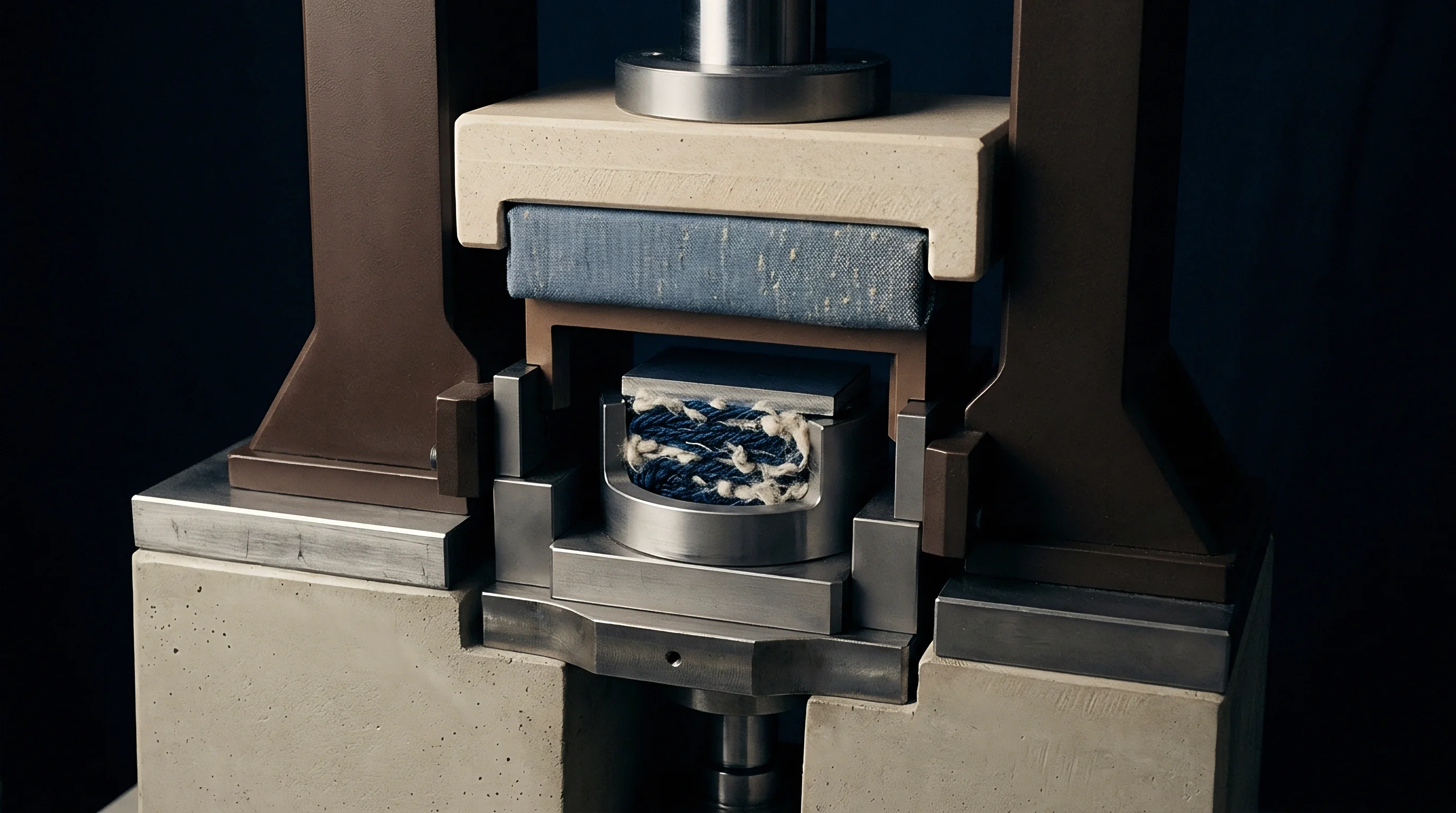
Hydraulic penetration relies on forced convection rather than passive diffusion. When the rope enters the converging section of the venturi, fluid accelerates, creating a high-pressure zone directly ahead of the constriction. As the fabric passes through this throat, the surrounding liquid experiences a sharp pressure drop, expanding through the yarn plies and carrying dissolved dyestuff molecules past the outer fibre perimeter.
This mechanical displacement strips away the stagnant boundary layer of spent bath surrounding each fibre, refreshing the concentration gradient needed for chemical diffusion.
Nozzle Velocity and Venturi Profiles
The profile of the venturi nozzle determines the pressure curve experienced by the canvas rope. Standard conical nozzles apply a gradual pressure rise followed by a broad constriction zone. While suitable for robust medium-weight goods, this shape fails to generate the sharp pressure drop needed to deform dense, plied yarns.
Step-tapered and dual-stage venturi profiles introduce multiple contraction zones. The rope undergoes alternating compression and expansion cycles during a single transit, forcing liquor into the central axis of multi-ply yarns like an uncoiling sponge.
Excessive liquor velocity damages cotton duck surfaces. Cotton yarns spun with low twist or open combed preparations abrade easily when exposed to fluid shear over 7.0 metres per second. Broken fibrils create localized fuzz, shifting the perceived depth of shade under standard illuminants and ruining surface clarity.
Maintaining a fluid velocity between 5.0 and 5.8 metres per second yields complete core penetration while keeping surface pilling within acceptable tolerances under ASTM D4970 Martindale testing.
| Canvas Weight Class | Nozzle Diameter (mm) | Annular Pump Pressure (bar) | Fabric Speed (m/min) | Cycle Time (s) | Differential Pressure (kPa) |
|---|---|---|---|---|---|
| 400 to 500 g/m² | 90 | 1.2 to 1.5 | 220 to 260 | 55 to 65 | 35 to 42 |
| 501 to 650 g/m² | 100 | 1.5 to 1.8 | 180 to 220 | 65 to 80 | 45 to 55 |
| 651 to 800 g/m² | 110 | 1.8 to 2.2 | 150 to 180 | 80 to 95 | 58 to 68 |
| 801 to 1050 g/m² | 125 | 2.2 to 2.6 | 120 to 140 | 100 to 120 | 70 to 85 |
Fabric cycle time, the duration required for a complete loop of cloth to circulate from the nozzle through the storage J-box and back, remains an important control parameter. In heavy duck dyeing, cycle times exceeding 90 seconds promote un-levelness, as the fabric rope rests too long in the compressed folds of the sump without liquor exchange. Keeping circulation speeds high enough to maintain cycle times below 80 seconds prevents temperature stratification and chemical settling across large batch loads.
Maintaining high fabric transit speeds while managing high pump pressures demands careful monitoring of the lifter reel. The winch reel must sync with the hydraulic pull of the nozzle. Slippage between the reel and wet canvas creates transverse abrasion lines, known as winch burn.
Setting the reel overfeed to match the fluid velocity within a 2 to 4 percent band protects the canvas structure from both tension stretching and surface abrasion.
If the nozzle geometry and fluid velocity drift outside these targeted bands during bulk operations, the dyer inevitably faces rejected rolls showing cloudy shading along the rope folds and dry, untreated yarn cores.

Exhaustion
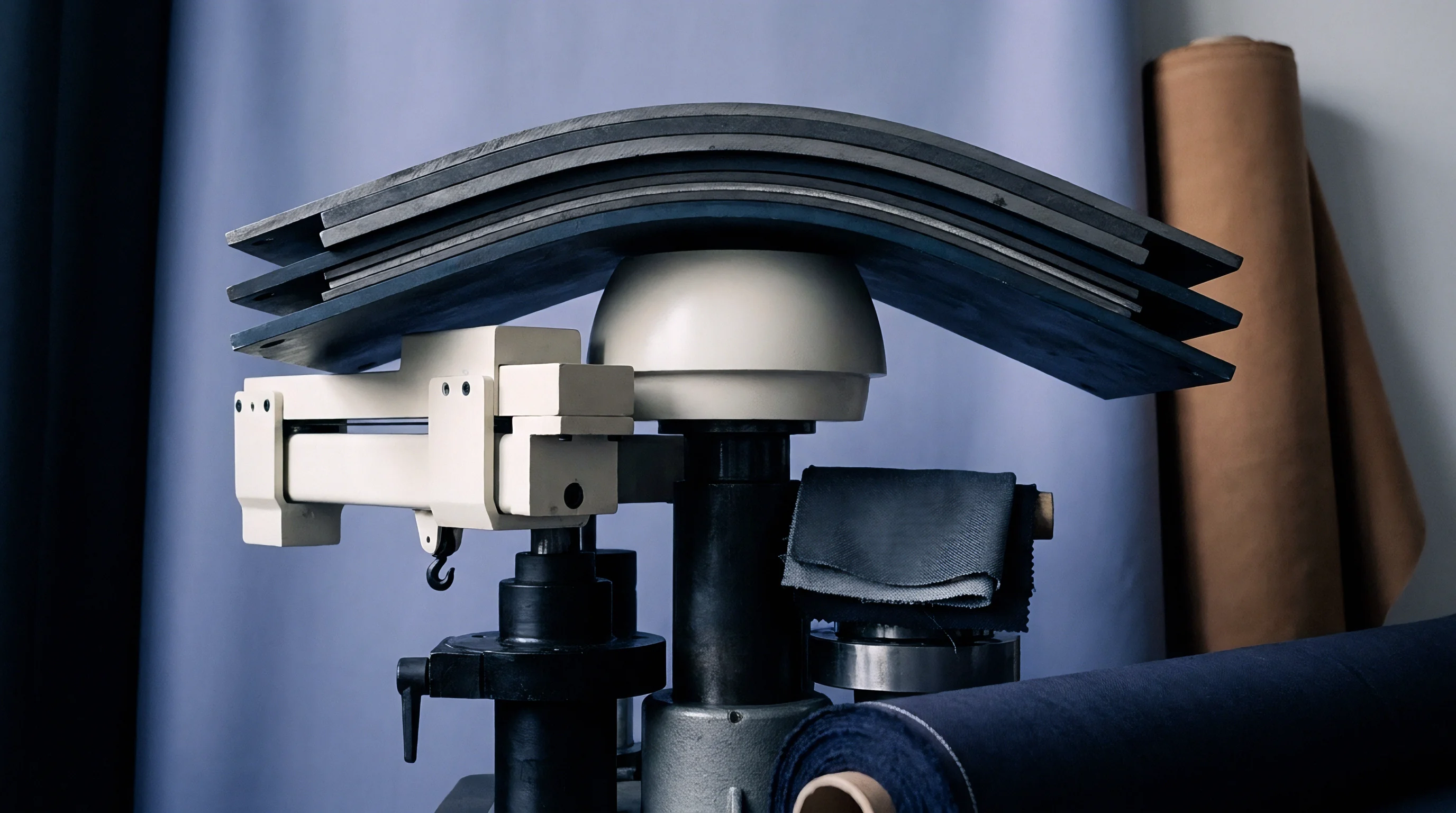
Applying reactive dyes to cellulose relies on manipulating chemical affinity through temperature, time, and electrolyte concentration. Cellulosic fibres suspended in water develop an intrinsic negative surface potential, the electrical double layer or zeta potential, which repels the negatively charged sulfonate groups characteristic of reactive dyes. Adding neutral electrolytes, such as sodium sulfate or sodium chloride, screens this charge barrier, allowing the dyestuff to approach the fibre surface and enter the amorphous zones of the cellulose matrix.
In low-porosity duck canvas, uncontrolled electrolyte dosing causes immediate dye strike on the accessible yarn sheath, blocking penetration into the inner core.
Electrolyte exhaustion kinetics determine whether the dyestuff distributes evenly before chemical fixation begins. When salt is added too rapidly, dye aggregation occurs in the bulk solution, dropping the diffusion coefficient and binding the molecules to the outer fibre walls. For heavy plied canvas, exhaustion must progress linearly or exponentially over an extended window, maintaining low bath exhaustion rates until uniform structural penetration is reached.
The exhaustion phase establishes the physical distribution of dye throughout the substrate, while the subsequent alkali fixation phase locks that distribution permanently through covalent bond formation.
Under ISO 105-X12, wet crockfastness drops below Grade 3 when core exhaustion lag exceeds twenty percent of surface exhaustion.
Controlling this balance demands precise dosage profiles. Automated dosing pumps meter concentrated electrolyte solutions over programmed gradients rather than relying on manual batch additions. In multi-ply dyeing, progressive dosing curves match the slow convective mass transfer within the compressed yarn cores, avoiding surface saturation and promoting uniform dye migration.

Zeta Potential Shielding and Salt Dosage Gradients
Unmodified cotton cellulose in a neutral aqueous bath presents a negative zeta potential ranging between negative 15 and negative 30 millivolts. Reactive dyestuffs contain multiple solubilizing sulfonate groups, each carrying a formal negative charge. Electrostatic repulsion prevents these molecules from approaching within the range of short-range van der Waals forces and hydrogen bonds.
Dissolved sodium ions neutralize the negative surface charge, compressing the electrical double layer and lowering the activation energy barrier for sorption.
When dyeing heavy duck, linear salt dosing causes uneven dye uptake. Early salt additions produce excessive dye strike on the exterior plies because the local liquor ratio around the outer fibrils is higher than inside the core. A progressive salt profile addresses this problem.
In this dosing mode, salt delivery begins with small additions that expand exponentially over 40 to 60 minutes, ensuring electrolyte concentration rises steadily as diffusion progresses deeper into the plied bundle.
Common failures during the exhaustion phase trace back to specific chemical and operational oversights:
- Premature alkali introduction before the exhaustion phase finishes causes reactive dye hydrolysis and traps dyestuff on the outer ply perimeter through early covalent fixation.
- Linear salt metering applied to high-affinity dyes causes rapid strike rates that overwhelm convective flow within tight yarn intersections.
- High bath temperatures during initial exhaustion increase strike rates beyond the diffusion capacity of dense multi-ply bundles, producing un-levelness across the fabric rope.
- Low liquor ratios below five to one decrease dye solubility and encourage salt precipitation inside the inner folds of the canvas substrate.
Controlling the exhaustion profile requires careful monitoring of electrolyte concentration alongside dyestuff affinity. Dyes with high substantivity require lower overall salt concentrations and slower dosing ramps. Dyes with low substantivity require higher salt charges, up to 80 grams per litre of anhydrous sodium sulfate, but tolerate steeper initial dosing curves.
Matching salt addition to the specific kinetic parameters of the dye formula avoids surface crowding and ensures penetration across the yarn cross-section.

How Does Liquor Ratio Alter Mass Transfer?
Liquor ratio directly dictates the concentration gradient that drives reactive dye sorption into dense cellulose. Operating at ultra-short liquor ratios, such as 4:1 or 5:1, reduces water and thermal energy consumption, yet it compresses the chemical volume available to dissolve high salt loads. At a 4:1 ratio, an electrolyte concentration of 80 grams per litre approaches the physical solubility limit of Glauber’s salt in the presence of reactive dyes, raising the risk of precipitation inside the tight inter-yarn channels of the canvas.
Increasing the liquor ratio to 8:1 or 10:1 widens the distance between fabric layers, lowering mechanical drag and facilitating deeper penetration of the moving bath into the yarn core. However, higher dilution reduces dye exhaustion efficiency, leaving more unreacted dye in the bath and increasing chemical consumption. For heavy duck constructions between 600 and 1000 grams per square metre, an operational liquor ratio of 6:1 to 7:1 offers the best balance between mass transfer mechanics and production costs.
Failing to control the bath volume leads to severe shade variations between the front and back of the dye rope, leaving processors to write off off-shade bulk lots as scrap.
Fixation
Fixation converts physically absorbed, diffusible reactive dye into a permanent, covalently bound component of the cellulose structure. Alkali addition, usually utilizing sodium carbonate, sodium hydroxide, or combinations with sodium silicate, shifts bath pH from neutral to the alkaline range of 10.8 to 11.5. This pH shift deprotonates the hydroxyl groups on the cellulose polymer, forming nucleophilic cellulosate anions.
These anions attack the electrophilic centers of the dye molecules via nucleophilic substitution, as seen in monochlorotriazine dyes, or nucleophilic addition, characteristic of vinyl sulfone dyes. In heavy duck canvas, uneven alkali distribution causes rapid surface fixation, locking dye molecules in place before they reach the inner fibrils of the plied yarn.
Once covalent bonds form, dyestuff migration ends completely. If fixation initiates while a concentration gradient still exists between the surface and the core, that shade difference is permanently fixed into the cloth. The fixation process competes directly with an undesirable side reaction: dye hydrolysis.
Hydroxide ions present in the alkaline bath attack the reactive groups of the dye, generating hydrolyzed dyestuff that lacks affinity for cellulose and cannot form covalent bonds. This hydrolyzed dye must be removed during subsequent washing stages. In dense canvas, clearing hydrolyzed dye from the inner yarn plies requires extended scouring, adding cycle time and water volume to the finishing route.
Hydrolyzed reactive dye trapped in dense plied canvas yarn cores requires four boiling wash stages to avoid crockfastness failure.
To prevent premature surface fixation, modern dyehouse procedures employ progressive alkali dosing, often called smart dosing. Instead of adding soda ash in two or three discrete batches, automated dosing systems introduce dilute alkali along an exponential curve over 30 to 45 minutes. This slow pH elevation ensures that the inner yarn fibrils undergo chemical activation at the same rate as the surface fibres, achieving a uniform cross-sectional reaction profile.
Nucleophilic Substitution and Vinyl Sulfone Dynamics
Commercial dyeing of cotton duck commonly uses bifunctional reactive dyes that combine vinyl sulfone and monochlorotriazine chemistries. Each reactive group responds to different fixation conditions. Vinyl sulfone precursors undergo base-catalyzed beta-elimination of a sulfate ester group to generate the active vinyl sulfone intermediate at pH 9.0 to 9.5.
Monochlorotriazine groups require higher alkalinity, around pH 10.8 to 11.2, and elevated temperatures between 60 and 80 degrees Celsius to drive nucleophilic substitution with the cellulosate anion.
If alkali metering increases too fast, the vinyl sulfone fraction reacts rapidly at the yarn surface, creating a chemical barrier that restricts further dye diffusion. The inner plies of the canvas receive less active dye, while unreacted dye trapped inside hydrolyzes without fixing. Using combined alkali systems, such as soda ash paired with metered additions of sodium hydroxide, stabilizes the bath pH across the critical fixation window, allowing both reactive groups to bond evenly across all cellulose surfaces.
| Dye Chemical Class | Fixation Temp (°C) | Target pH Range | Alkali Dosing Profile | Fixation Efficiency (%) | Wash-Off Ease Index |
|---|---|---|---|---|---|
| Bis-Monochlorotriazine | 80 to 85 | 10.8 to 11.2 | Linear, 40 min | 72 to 78 | Moderate |
| Bifunctional (VS / MCT) | 60 to 65 | 11.0 to 11.4 | Progressive, 45 min | 82 to 88 | High |
| Polyfunctional Vinyl Sulfone | 50 to 60 | 11.2 to 11.6 | Progressive, 50 min | 84 to 90 | Low |
| Monofluorotriazine | 40 to 50 | 9.5 to 10.2 | Stepwise, 30 min | 76 to 82 | Very High |
Bifunctional dye systems deliver the highest fixation yields on heavy cotton duck, provided the alkali ramp accommodates the activation rates of both reactive groups. Their high fixation efficiency reduces the residual hydrolyzed dye load that must be stripped from the core during post-wash processes. Conversely, while monofluorotriazine dyes fix at lower temperatures and milder pH levels, their rapid reaction kinetics can cause uneven surface strike on plied yarns unless dosing cycles are extended.
Selecting dye chemistries with high wash-off indices helps reduce finishing costs. In dense duck canvas, removing hydrolyzed dye out of tightly plied yarns requires heavy water and energy inputs during clearing stages. If hydrolyzed dye stays trapped inside the yarn core, finished canvas goods quickly fail wet rub testing under customer qualification trials.
A supplier will typically blame yarn lot variations or natural cellulose immaturity when confronted with poor core fixation and low crockfastness results.
Wash
Clearing hydrolyzed dyestuff from the core of heavy duck canvas requires systematic batch washing. Because dense multi-ply yarns restrict passive diffusion, unfixed and hydrolyzed dye molecules become trapped in the micro-capillaries between twisted fibres. Relying on simple dilution rinses wastes substantial time and water without clearing these interior voids.
Effective clearing requires alternating thermal expansion, chemical dispersion, and mechanical agitation to draw trapped dye out of the inner plies into the waste stream.
Standard washing cycles developed for lightweight wovens fail on 600 to 1000 g/m² canvas. Hydrolyzed dye retained within the interior fibres bleeds toward the surface during later drying stages, depositing a loose film of colorant that reduces crockfastness and laundering durability. Modern clearing programs use high-efficiency polymeric washing-off agents that encapsulate hydrolyzed dye molecules in solution, preventing their redeposition onto outer cotton fibres under high bath temperatures.
Stepwise Washing and Clearing Profiles
Effective clearing runs through a sequence of cold rinses, neutralizations, high-temperature soaping, and secondary clearing baths. The initial rinse uses cold water to flush residual surface electrolytes and alkali out of the machine. Removing electrolytes early is essential, as residual salt in the bath decreases the solubility of hydrolyzed reactive dye, causing it to linger inside the substrate.
The sequence progresses through distinct operational steps:
- Run a cold overflow rinse at 30 to 40 degrees Celsius for 10 minutes to clear surface salt, bath alkali, and free dyestuff.
- Introduce organic acid, such as acetic or citric acid, neutralizing the bath to pH 6.0 to 6.5 to stop all fixation reactions.
- Heat the bath to 95 degrees Celsius with 1 to 2 grams per litre of an acrylic acid copolymer washing agent, maintaining temperature for 20 minutes to extract core impurities.
- Drop the hot bath immediately without cooling to avoid the redeposition of dispersed dye aggregates onto the outer yarn faces.
- Execute a secondary warm rinse at 60 degrees Celsius followed by a cold rinse to stabilize fabric dimensions and finish the cycle.
Maintaining a true 95 degree Celsius plateau during the soaping stage is essential for swelling the plied cotton structure and clearing trapped dyestuff. Dropping the bath while hot prevents hydrolyzed dye from precipitating onto the canvas as liquor cools. Once the clearing cycle concludes, lab technicians run AATCC 8 or ISO 105-X12 crockfastness evaluations on conditioned swatches.
Missing proper wash-off parameters leaves residual hydrolyzed dye within the canvas plies, guaranteeing fastness failures during consumer product use.
Cost
Specifying jet dyeing for heavy multi-ply duck canvas involves real commercial trade-offs. While jet processing delivers softer hand feel, reduced warp tension, and better seam strength than continuous pad-steam or atmospheric jig dyeing, it demands higher machine capacity, longer run times, and increased chemical consumption. Processing an 800 g/m² Number 4 Duck canvas in a jet requires larger venturi nozzles and reduced machine loading to avoid rope jamming.
A vessel rated for 300 kilograms of single jersey knit can safely handle only 180 to 210 kilograms of heavy duck canvas, increasing operational machine costs per linear metre.
Cycle times expand significantly when handling heavy plied goods. Extended salt and alkali dosing schedules, matched with five-stage wash-off sequences, push total processing duration to between eight and ten hours per batch, compared to five hours for standard medium-weight apparel fabrics. These extended cycles directly increase electrical, water, and thermal utility costs.
When factoring in the lower loading capacity and extended machine cycles, conversion costs for heavy duck canvas dyed in short-liquor jets run between 1.65 and 2.40 USD per linear metre, compared to 0.75 to 1.10 USD per linear metre for continuous processing.
Continuous versus Exhaust Processing Economics
Continuous pad-steam lines provide lower processing costs for large production volumes, yet they require substantial minimum order quantities. A pad-steam line running heavy duck canvas must maintain steady speeds to avoid shading variations, typically demanding minimum runs of 5,000 metres per colorway. Jet dyeing, by contrast, operates with batch minimums of 300 to 600 metres per port, offering valuable flexibility for small-batch technical programs, custom tactical apparel, or specialty industrial goods.
However, running heavy duck through continuous pad troughs often yields poor cross-sectional penetration. The rapid transit time through the dye padder, typically between one and two seconds, fails to drive liquor into the core of dense plied yarns, leading to immediate ring dyeing. Remediating this failure requires slower line speeds, adding double-dip double-nip padding configurations, and using expensive wetting agents, which rapidly erode the cost advantages of continuous processing.
| Production Route | Minimum Order Quantity (m) | Batch Cycle Time (hr) | Liquor Ratio | Water Consumption (L/kg) | Finishing Cost (USD/m) |
|---|---|---|---|---|---|
| Short-Liquor Jet (Airflow) | 300 | 7.5 to 8.5 | 4.5:1 to 5.5:1 | 45 to 60 | 1.95 to 2.40 |
| Hydraulic Jet (Soft-Flow) | 400 | 8.5 to 10.0 | 6.5:1 to 8.0:1 | 70 to 95 | 1.75 to 2.15 |
| Atmospheric Jig | 600 | 9.0 to 12.0 | 3.0:1 to 4.0:1 | 35 to 50 | 1.35 to 1.65 |
| Continuous Pad-Steam | 5000 | Continuous | N/A (Wet Pickup) | 25 to 40 | 0.85 to 1.15 |
Atmospheric jig dyeing offers a middle path on conversion cost, running at low liquor ratios with lower utility draw. However, jigs apply significant warp tension to the fabric during back-and-forth roll transit. On multi-ply duck canvas, this continuous tension flattens the yarn profile, stiffens fabric hand, and drops residual elongation, reducing tear resistance under ASTM D1424 Elmendorf testing.
Furthermore, jig processing struggles with side-to-center shading variations across wide canvas rolls, making it unsuitable for applications requiring strict color tolerances.
A buyer calculating total landed cost must weigh the conversion cost premium of jet dyeing against the scrap risk of failed field performance. Selecting an inappropriate, lower-cost dyeing route to save thirty cents per metre often yields bulk fabric shipments with un-dyed yarn cores, leading to end-use abrasive wear failures that result in full garment returns and factory financial chargebacks.
The contract line specifying core penetration depth as an explicit inspection metric governs whether a supplier or a buyer absorbs the cost of un-dyed yarn cores.