Warp Density
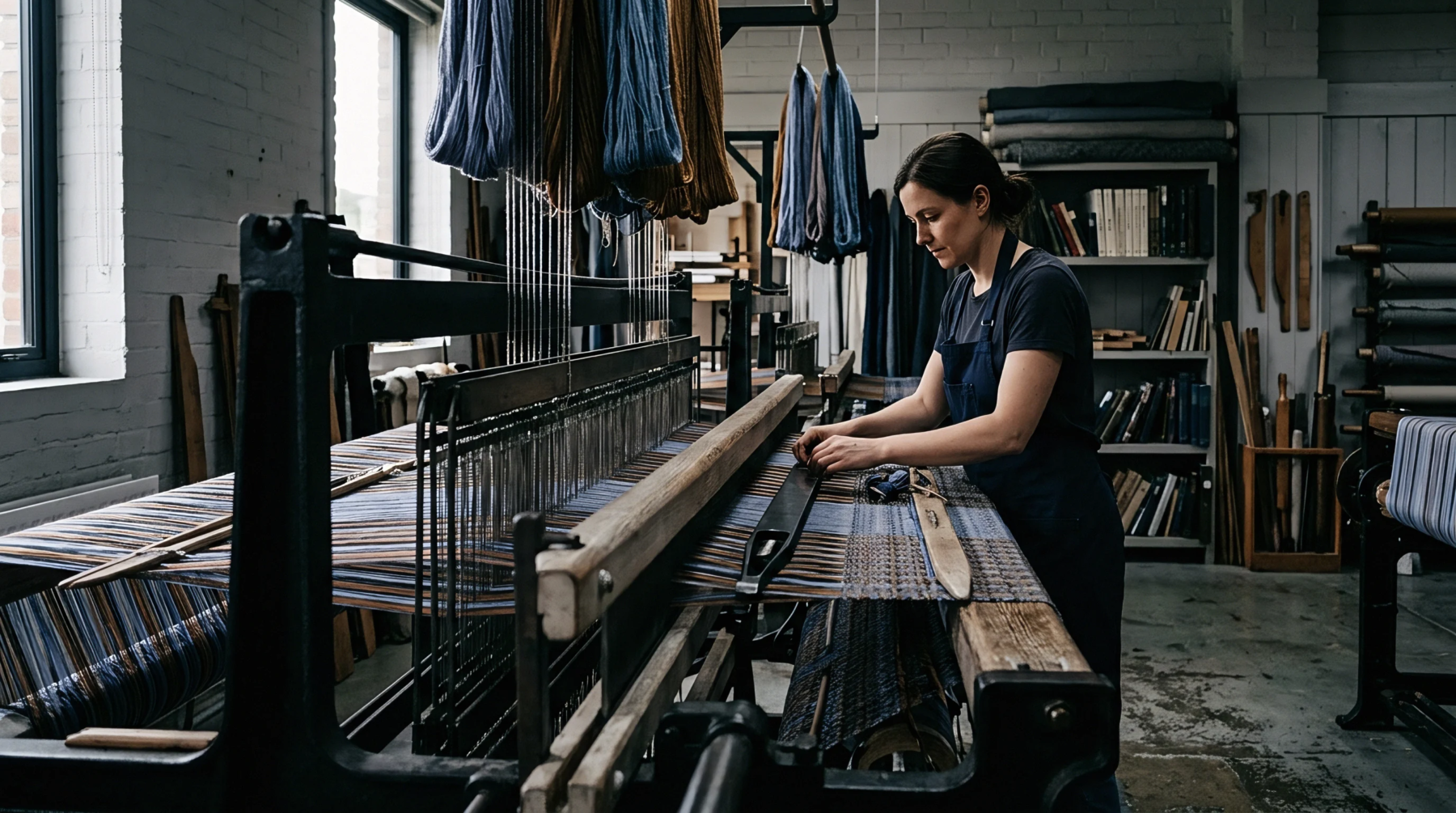
Plain-woven cotton textiles designated as heavy duck display structural resilience through tight warp packing. Heavy duck fabric utilizes high-plies yarns drawn through specific reed counts to achieve exceptional mass per unit area. Loom tension parameters establish the mechanical strength required for industrial apparel and structural soft goods.
Commercial buyers verify these constructions against rigid weight thresholds specified in purchasing contracts.
Tensile Strength
Breaking load metrics determine how well industrial cotton goods withstand severe mechanical stress during field deployment. Tensile strain evaluations measure maximum force applied along warp and filling directions before yarn rupture occurs. Garment factories test conditioned specimens using constant rate of extension testing machines.
Laboratory outcomes ensure that finished workwear withstands repetitive abrasion and high-load pulling without tearing.
Sizing Application
Starch formulations applied prior to loom insertion protect high-count yarns from abrasive friction during weaving operations. Liquid sizing agents coat individual fibres to improve rigidity and reduce yarn breakage on high-speed shuttleless looms. Scouring processes remove these protective polymers completely before garment dyeing takes place.
Fabric finishing technicians monitor pick-up percentages to guarantee consistent chemical absorption across commercial lots.
Shrinkage Control
Dimensional stability treatments govern how tightly industrial cotton textiles retain their original geometry after repeated laundering cycles. Mechanical compaction forces warp yarns closer together to pre-empt post-purchase relaxation shrinkage. Apparel manufacturers calculate exact cutting allowances based on standard wash test results obtained from mill samples.
Proper heat setting minimizes distortion during high-temperature industrial laundering.