Dimensional Variance
Dimensional variance is the linear contraction occurring when grey woven or knitted fabrics undergo high temperature aqueous preparation, scouring, and relaxation stages prior to dyeing. Wet processing shrinkage determines the exact compensation factor required during yarn spinning and loom setup to ensure finished apparel meets commercial tolerance limits after finishing. Mills calculate this metric during pre-production laboratory trials by measuring square samples before and after simulated desizing and boiling treatments.
Controlling the dimensional change prevents garment distortion during subsequent industrial laundry cycles and chemical treatments. Finishing plants establish allowable limits in purchase contracts to protect buyers against excessive fabric loss.
Aqueous Mechanics
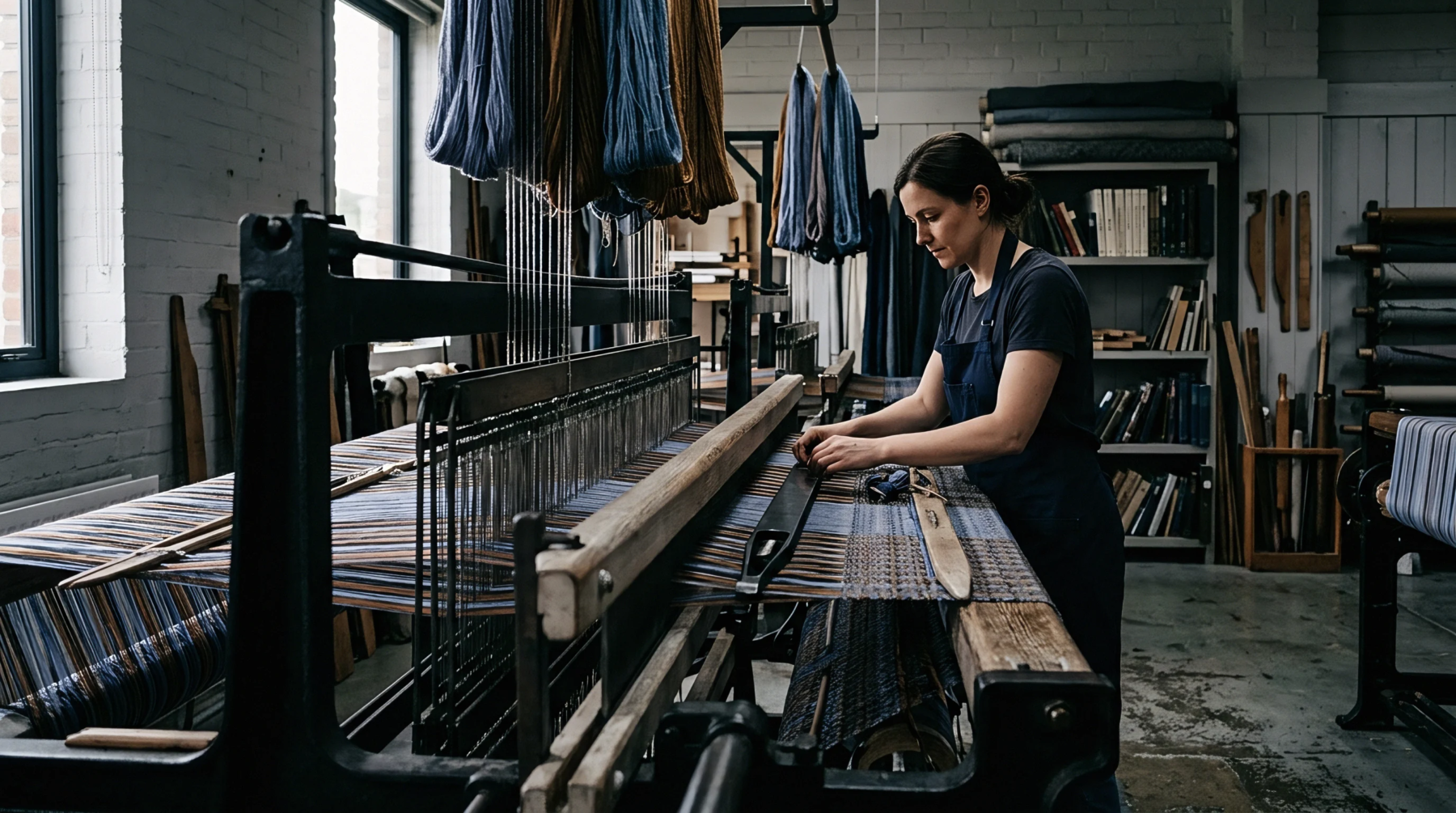
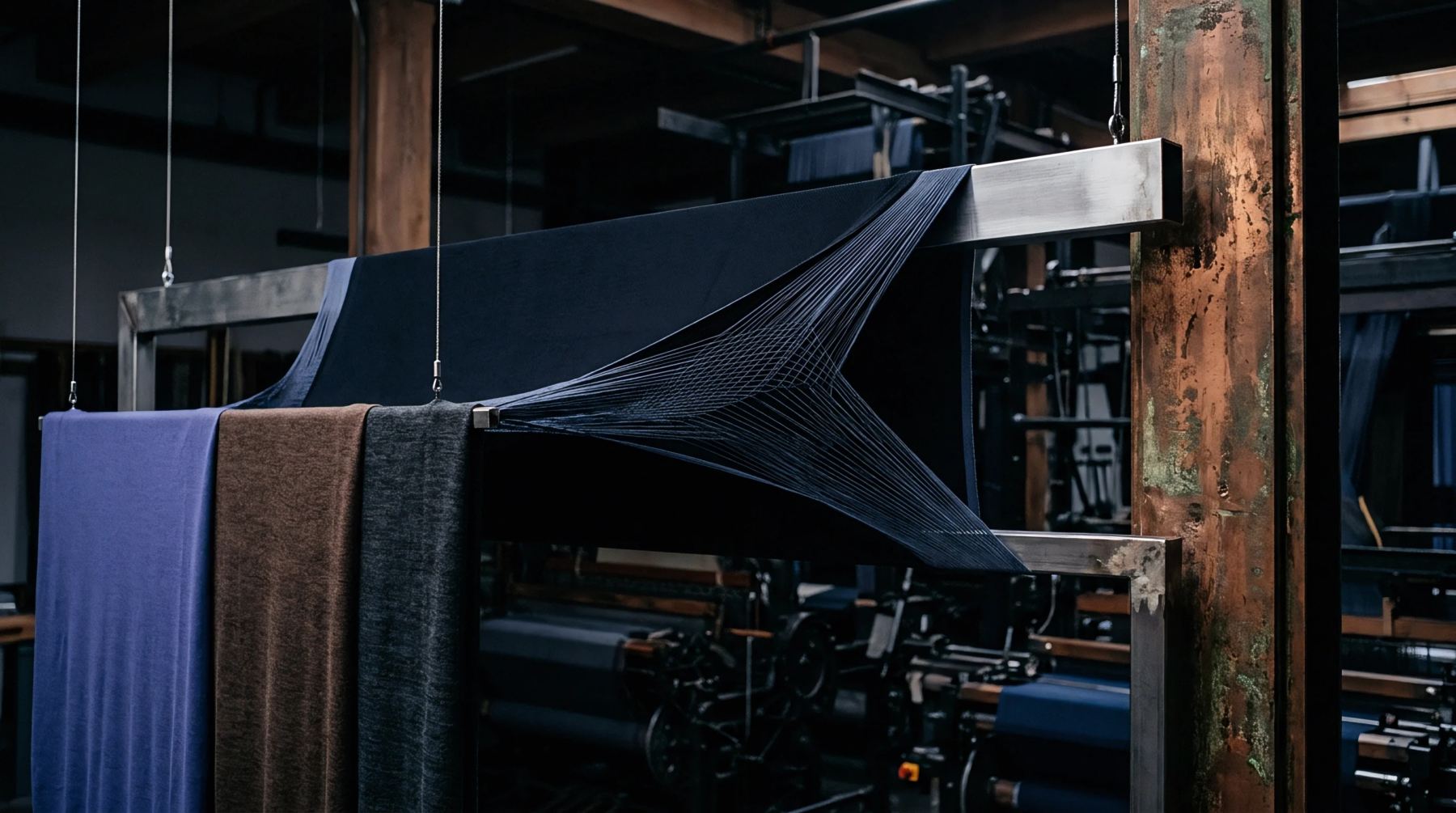
Hydrophilic fibres absorb moisture rapidly during liquid immersion, causing molecular chains to swell laterally and contract longitudinally as internal stresses accumulated during yarn sizing are suddenly released. Relaxation shrinkage dominates the initial wetting phase as yarns pulled tight on the loom spring back toward their natural coiled state. Subsequent thermal shrinkage occurs when elevated temperatures force polymer relaxation in synthetic constituents.
Yarn twist geometry and float length dictate how severely a fabric distorts under fluid action. Tightly interlaced structures restrict dimensional movement whereas loose constructions permit maximum contraction.
Commercial Verification
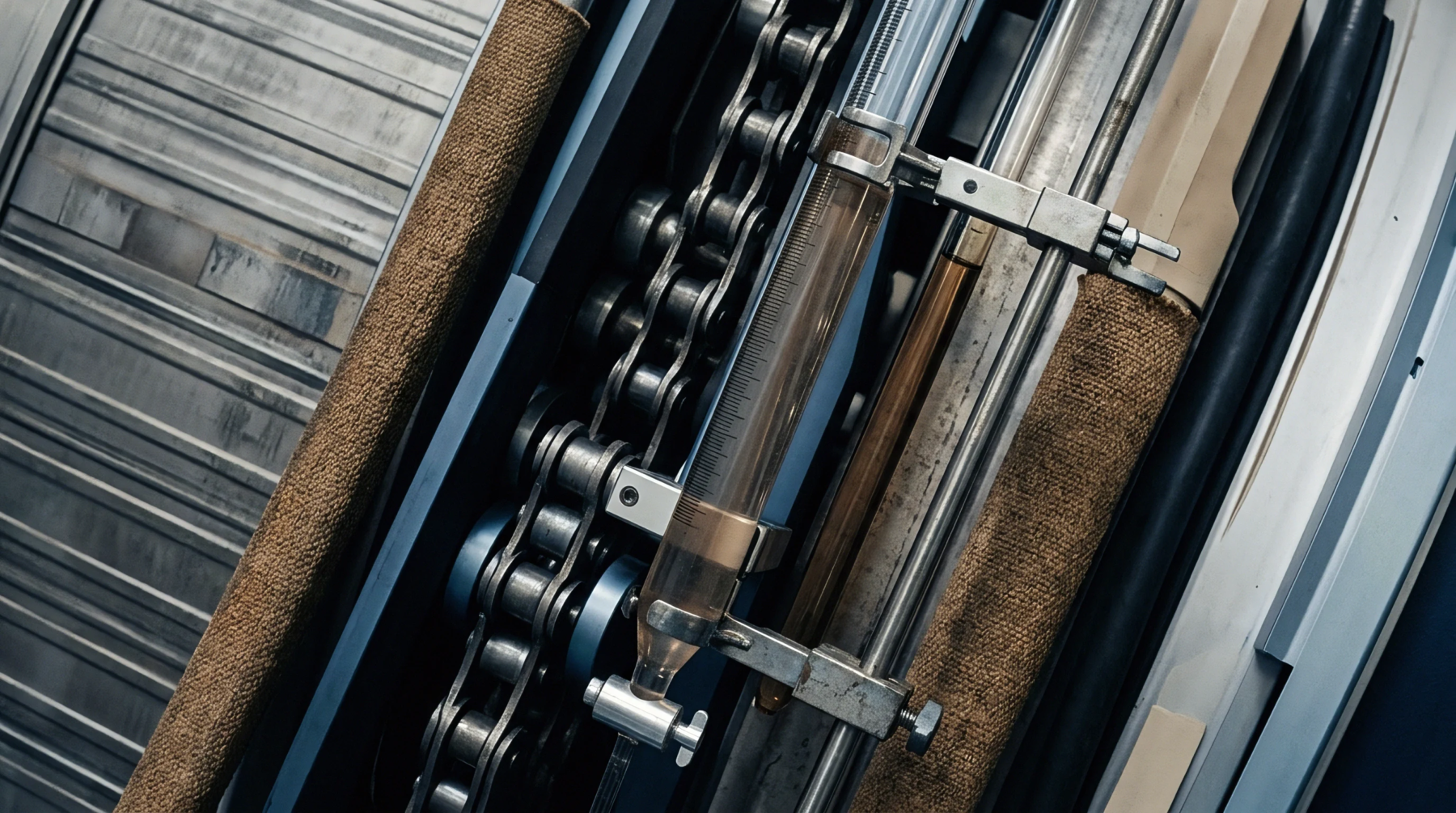
Garment manufacturers reject shipments exceeding agreed percentage thresholds during final quality auditing because uncompensated reduction ruins cut-and-sew yield calculations. Technicians stamp identification markers on raw cloth rolls before laboratory washing to measure exact warp and weft displacement. Testing laboratories follow standardized procedures using controlled water temperature and mechanical agitation.
Final inspection reports distinguish between temporary moisture regain and permanent dimensional alteration caused by structural collapse. Buyers verify these measurements against mill guarantees before cutting bulk yardage into production pieces.
Mitigation Tolerances
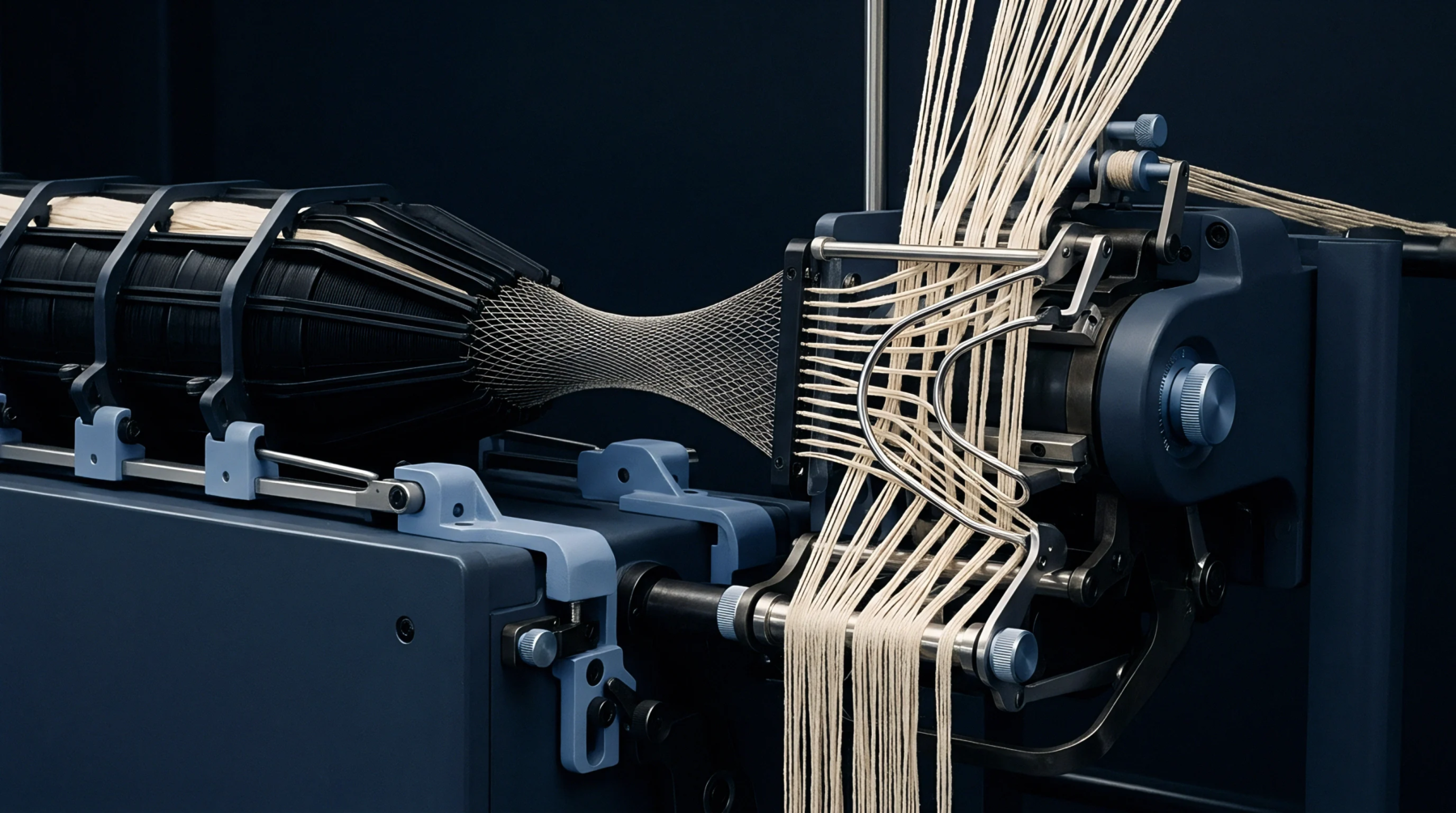
Pre-shrinking equipment applies mechanical overfeeding during finishing to force dimensional contraction before the fabric reaches the cutting table. Mechanical compaction stabilizes the loop structure in knitted goods by pushing courses closer together under controlled pressure and steam. Woven goods undergo liquid ammonia treatment or continuous relaxation ranges to eliminate residual tension.
Adjusting thermal stabilization parameters prevents excessive dimensional loss during subsequent garment dyeing. Finished goods delivered to apparel assemblers maintain strict dimensional stability within stated commercial limits.