Standard Testing
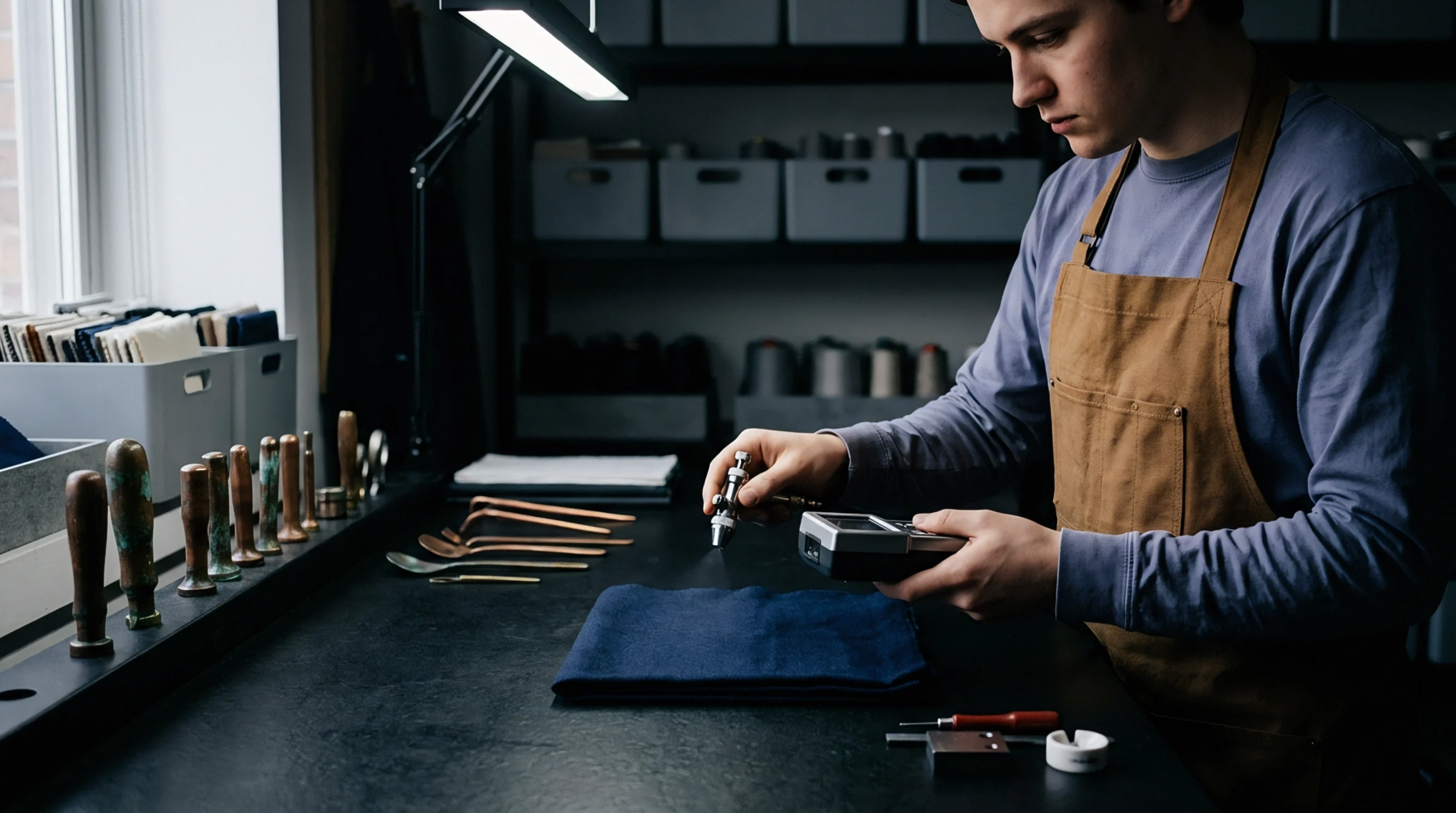
Standardized testing procedures for determining fabric tear propagation rely on the falling-pendulum method to establish the force required to continue a single-slit tear in woven textiles. Applying this procedure, designated as astm d1424, gives the mill a precise value representing how the material resists further damage once a small puncture or rip occurs during real-world garment wear. Technicians cut a precise notch into the specimen, which creates a point of stress concentration before the heavy pendulum is released to swing through the sample under gravity.
The recorded value depends on the energy lost by the pendulum, which is read from the gauge in millinewtons or grams of force to ensure that the fabric complies with international quality standards. This assessment represents a key metric for outerwear and rugged workwear that must withstand abrasion and accidental snags during use.
Pendulum Mechanism
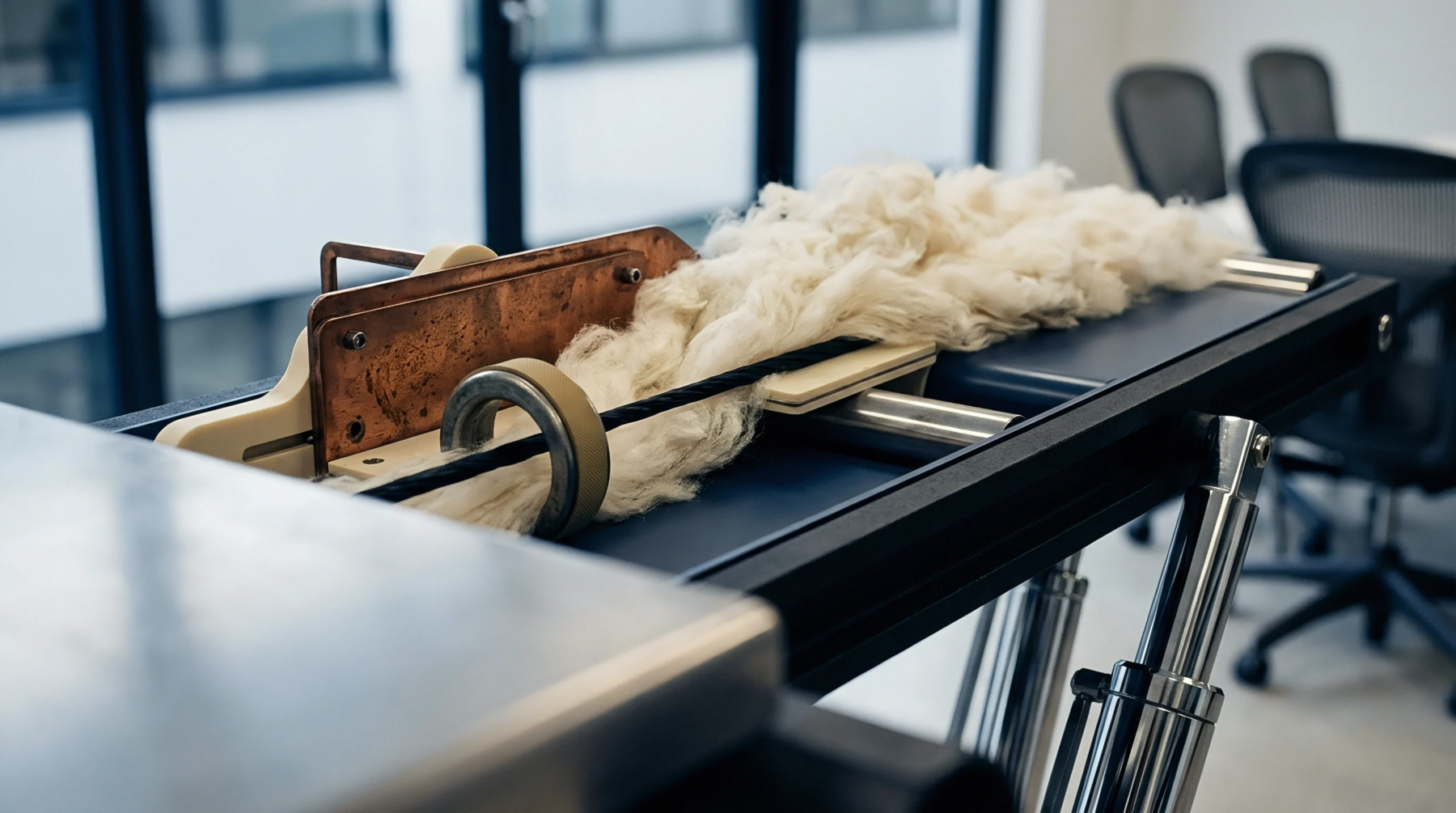
Mechanical energy from the falling arm acts directly upon the specimen to propagate the existing slit through a specified distance of the yarn grid. Technicians use different capacity weights to ensure that the tear is executed within the middle range of the apparatus scale for maximum accuracy. If the force needed to tear the fabric is too low or too high for the selected pendulum mass, the tester must adjust the setup using additional weights.
This ensures that the results remain reliable across a wide array of textile weights, from delicate blouse fabrics to rugged outdoor gear and heavy canvas. The swing must occur without friction or mechanical resistance to avoid artificial inflation of the final force measurement.
Specimen Geometry
Fabric samples are prepared using a precision cutting die that establishes the exact dimensions and creates the initial slit in the center of the specimen. Proper fiber alignment is critical, so laboratories must prepare sets of specimens cut parallel to both the warp and filling directions of the fabric to capture the directional variation of tear strength. Any deviation in the direction of the cut can cause the tear to run diagonally along the yarn paths rather than straight through the fabric.
If the tear departs from the central line by more than a specified distance, the specimen must be discarded and replaced with a fresh sample to maintain data integrity. This step prevents faulty measurements that do not accurately reflect the directional stability of the weave.
Quality Application
Quality assurance teams in garment manufacturing factories require these standard test reports to verify that bulk fabric shipments meet minimum tear strength criteria before cutting begins. Having this data allows the factory to prevent structural failure in garments that are subjected to high levels of localized stress during active use. The test provides a reliable standard for checking that wet finishing and dyeing processes have not degraded the yarn strength.
Buying teams use the results to draft clear material specifications that protect the brand from high returns due to split seams or fabric tearing. The test remains a standard for sourcing durable materials across the global textile supply chain.