Fluid Dynamic
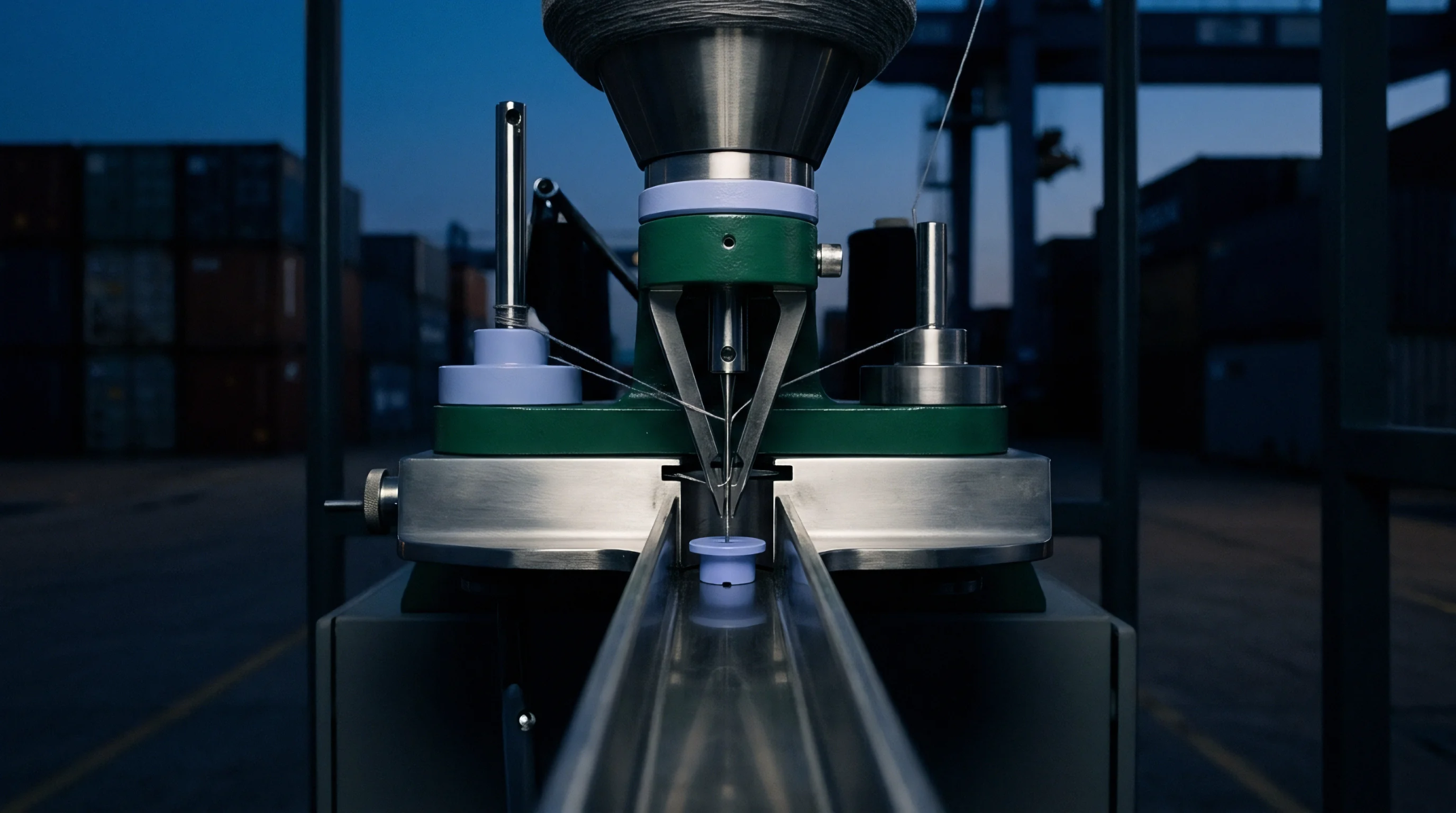
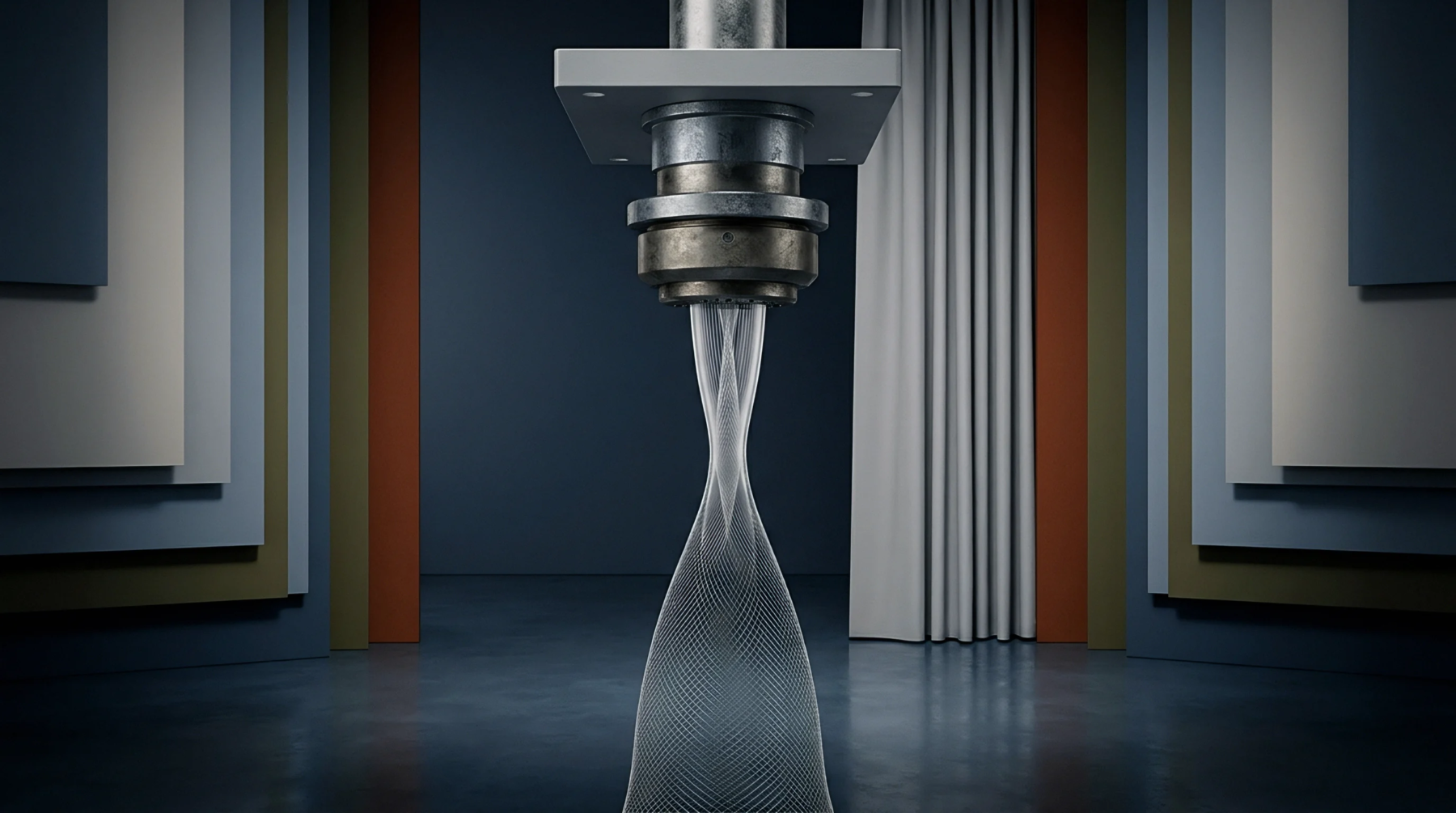
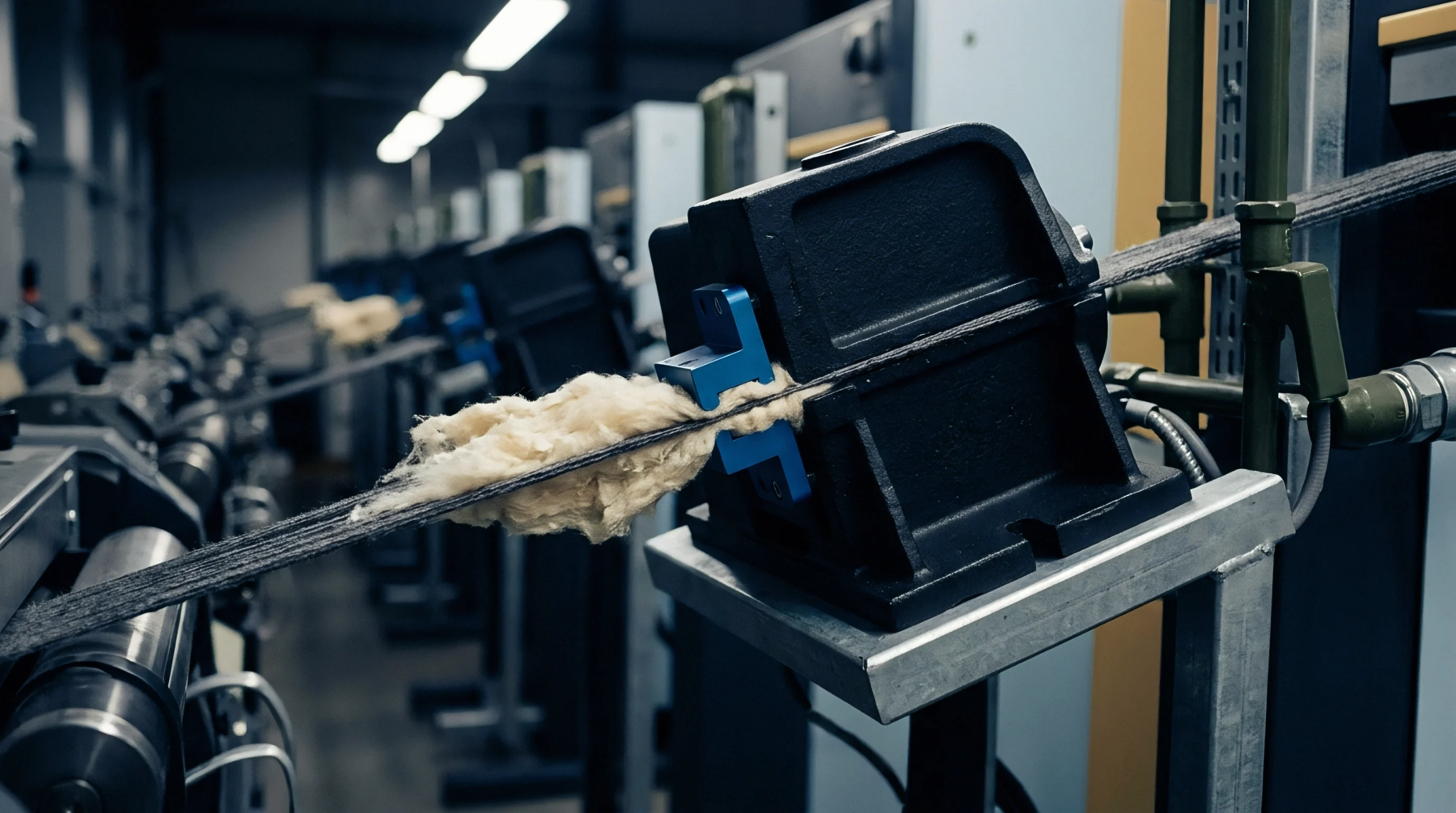
Precision components facilitate high speed air flow through a constricted passage to create local pressure drops useful for propelling or tangling textile yarns. Utilizing a venturi nozzle in air jet texturizing machines allows for the creation of soft bulky yarns from standard flat synthetic filaments. As the air passes through the narrowed section of the metal housing, it speeds up significantly while the pressure around it falls according to classic physics laws.
This effect pulls the yarn forward into the main stream and causes the individual strands to separate and form loops. Engineers adjust the size of the opening to control the degree of tangle and the final appearance of the textured strand. High velocity output is the goal for modern machines that produce thousands of meters of yarn every minute.
Transport Efficiency
Transferring light fibres between distant parts of a mill relies on these devices to create the suction needed to move the material through ductwork. Inside the venturi nozzle, the high speed jet of air acts as a primary mover that creates a vacuum at the inlet port. This suction draws in the cotton tufts or yarn ends automatically without the need for moving mechanical parts that could snag the material.
Because there are no internal rollers or gears, maintenance remains lower than traditional belt based transport systems. Precise calculation of the input air pressure ensures that the vacuum remains strong enough to lift the items but not so harsh that it tears them apart. This system allows for reliable high speed transfers in complex automated garment factory setups.
Interlacing Action
Continuous filament yarn needs to be held together by points of physical tangling to remain stable during subsequent weaving stages. The internal shape of the venturi nozzle creates specific vortex patterns in the air that swirl around the yarn as it travels through the tube. These vortices force some filaments to wrap around others, creating small invisible knots every few millimetres.
Technicians monitor the air pressure closely because any drop will result in a weak interlacing that falls apart under loom tension. Modern nozzles are manufactured from ceramic or hardened metal to resist the wear caused by fast moving synthetic fibres which can be highly abrasive. Regular cleaning prevents these small bores from being blocked by tiny flecks of fibre finish or dust.
Operational Boundary
Achieving the perfect pressure drop inside the unit requires a balance between the nozzle geometry and the supplied compressed air volume. If the air is too damp, moisture builds up inside the venturi nozzle and ruins the effect by creating drag instead of lift. Using high quality air filters at the source remains the best way to ensure consistent performance across the season.
Limits on top speed are usually set by the sound levels produced when the air reaches supersonic velocities inside the small chamber. Fabric manufacturers typically place these units inside sound proofed boxes to protect the factory workers. Correct usage results in a yarn that is much easier to weave and provides a superior hand feel in the finished garment.