Dynamic Loading
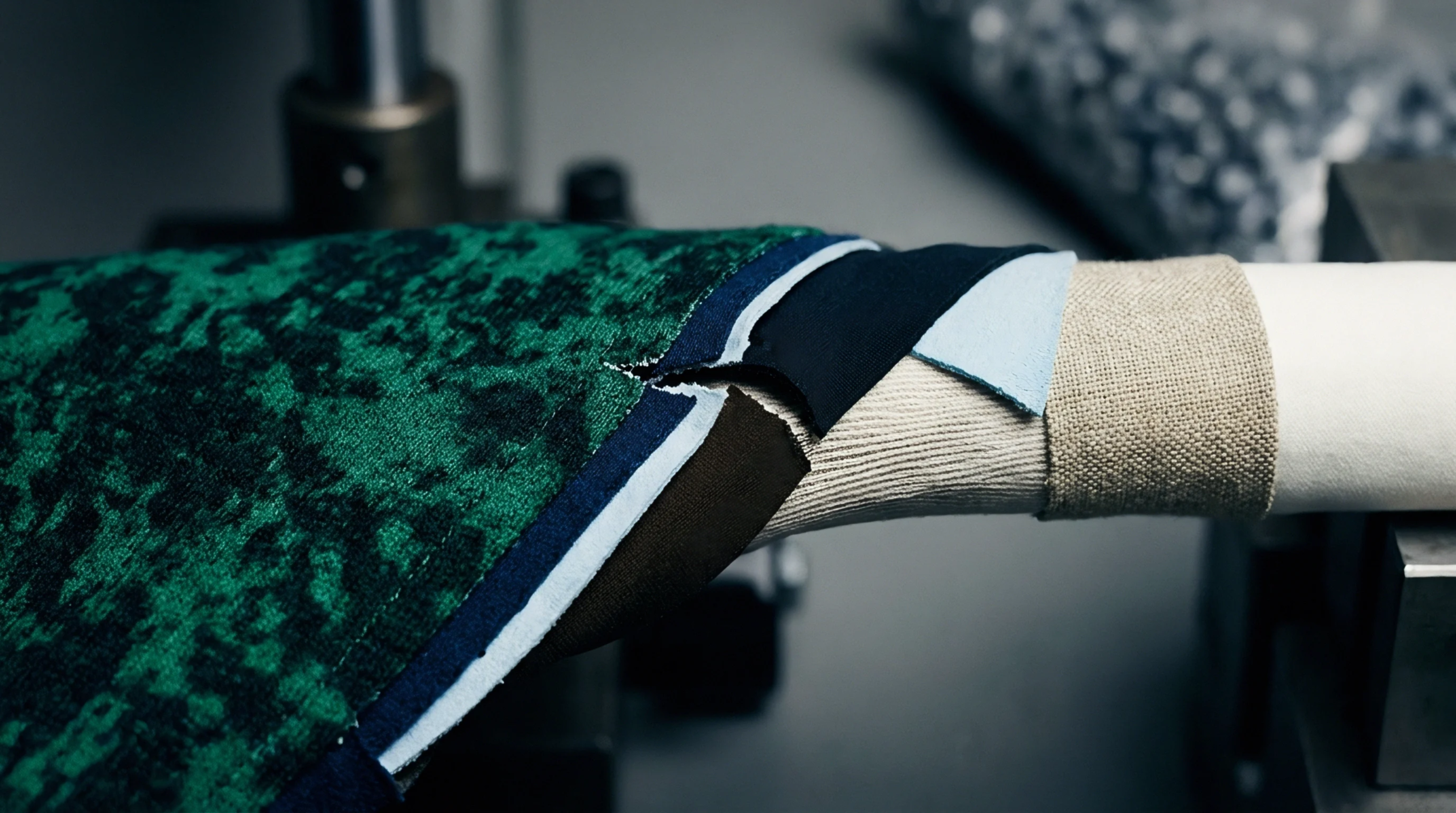
Progressive mechanical deterioration occurring when textiles experience repeated stress oscillations below their nominal single-cycle tensile limit defines long-term structural endurance. Laboratory assessments of cyclic fatigue expose technical yarns, woven webbing or knit composites to continuous tension-tension or flexural cycles until failure occurs or strain accumulation passes set thresholds. The process determines the working lifespan of load-bearing synthetic structures subjected to regular pulsation, walking motions or fluid turbulence.
Measurements track both the total cycles to catastrophic break and the intermediate loss of modulus. The boundary of this mechanical regime stops where instantaneous strain exceeds the static yield point, which initiates static rupture rather than fatigue.
Damage Accumulation
Repeated elongation and relaxation generate microscopic internal flaws through friction between adjacent filaments and cumulative shear along molecular chains. Progressive cyclic fatigue induces localized microcracks across individual synthetic filaments, which propagate inward from surface imperfections under oscillating stresses. Viscoelastic materials dissipate part of each deformation cycle as internal friction, elevating core yarn temperatures during high-frequency cycles.
Heat buildup softens thermoplastic matrices, accelerating molecular slip and permanently stretching amorphous polymer zones. In multifilament bundles, individual filaments break asynchronously, redistributing tensile stress onto surviving filaments until the structure reaches systemic failure. Transverse compression across guide pulleys compounds axial fatigue, creating complex biaxial stress profiles.
Testing Architecture
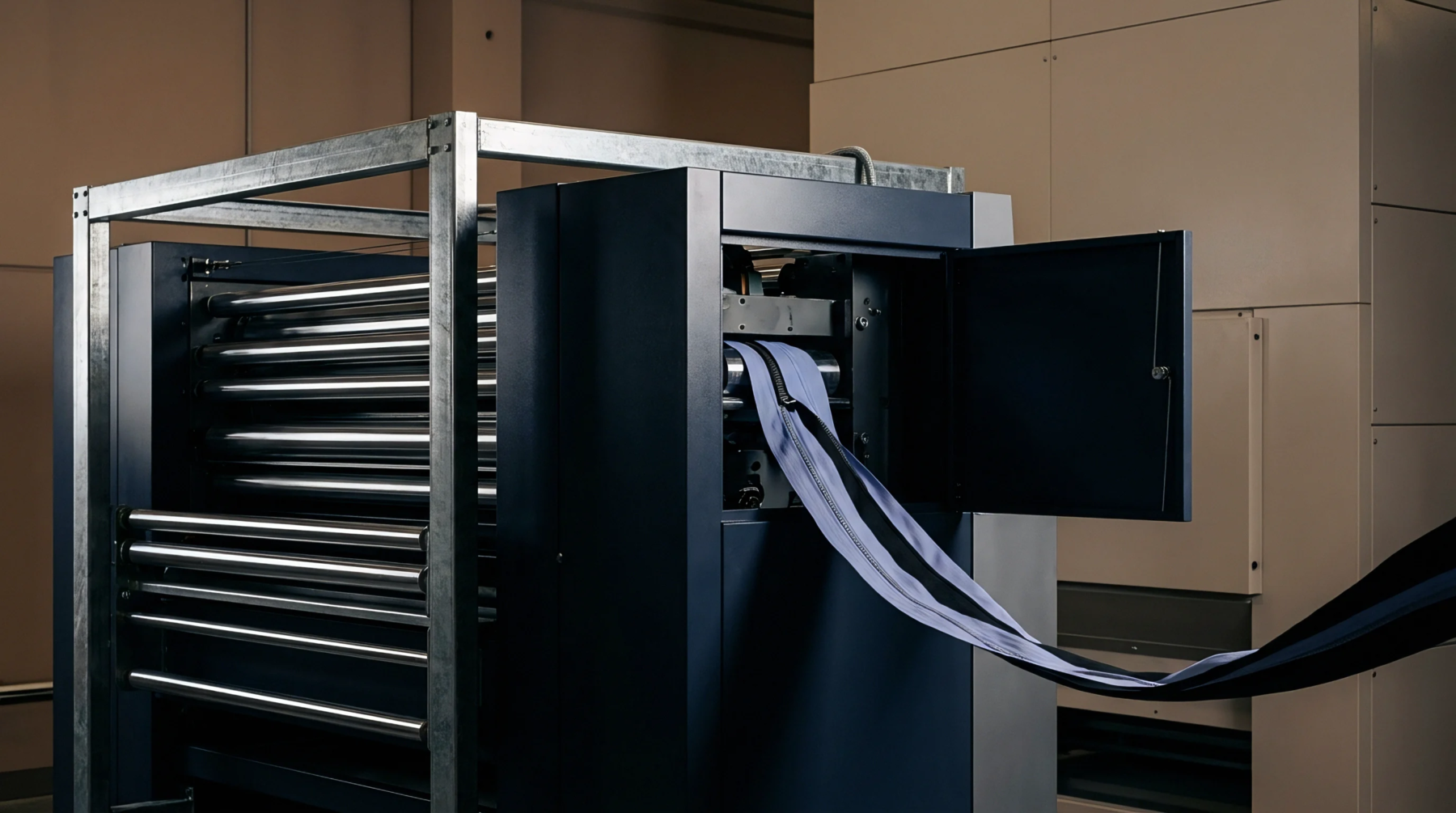
Standard commercial evaluation utilizes servo-hydraulic or pneumatic testing frames capable of maintaining sinusoidal or square-wave load patterns over millions of cycles. Apparatus configurations set minimum load, peak elongation and operating frequency, commonly between one and thirty hertz to minimize unrepresentative thermal melting. Acoustic emission sensors record individual fibre fractures throughout the trial run to map damage progression before structural collapse.
Dynamic mechanical analyzers measure storage modulus and loss tangent shifts across temperature sweeps. Data points generate stress-life curves that plot cyclic stress amplitude against the logarithm of cycles to failure.
Verification Protocol
Commercial acceptance of synthetic mooring ropes, automotive safety belts and industrial conveyor belts mandates rigorous cyclic preconditioning before final inspection. Technical datasheets define fatigue resistance through residual break strength retained after completion of a predetermined cycle count, often one hundred thousand iterations. Tensile testers measure load retention at ten percent intervals to identify premature yield zones.
Batch rejection occurs when early internal fibre fracturing reduces residual strength below contractually specified safety margins. Finished goods inspection confirms that post-cycle strand integrity conforms precisely to agreed commercial engineering drawings.