Heat Setting Methods for Micro Nylon Spandex Knits
Presetting micro nylon spandex knits at precise temperatures balances crystalline stabilization against elastomeric degradation to secure dimensional stability.

Phase
Polyamide filaments drawn below 1.0 denier per filament possess high specific surface area, accelerating radiant and convective energy absorption during thermal processing. The greige knit combines these microfilaments with bare or covered elastane yarns, generating unbalanced internal contraction stresses immediately after knock-over on circular knitting machines or warp knitting guide bars. Unset elastane maintains an elastic strain from knitting tension that pulls the nylon loops into irregular packing states.
Exposing this unstable geometry to scouring liquor causes severe edge curling, crow’s-feet creasing, and rope marks that remain permanently set during subsequent batch dyeing. Eliminating these defects requires stabilizing the two distinct synthetic polymers through heat setting.
Polyamide 6 softens near 165 degrees Celsius and melts between 215 and 220 degrees Celsius. Polyamide 6,6 displays higher thermal resistance, softening near 220 degrees Celsius and melting between 255 and 260 degrees Celsius. In contrast, segmented polyurethane-urea elastane contains polyether or polyester flexible soft segments with a glass transition temperature below minus 40 degrees Celsius, alongside rigid aromatic diisocyanate hard segments joined by urea linkages that dissociate between 175 and 200 degrees Celsius.
Thermal stabilization alters the crystalline morphology of both fibers simultaneously. Temperature levels above the elastane hard-segment dissociation point allow the crosslinks to break, slide, and reform into a stress-free matrix conforming to the newly established knit dimensions.
Setting at 190 degrees Celsius for 30 seconds reduces bare elastane retractive force by 28 percent while fixing stitch density.
Microfibers absorb heat significantly faster than conventional 3.0 denier yarns. Because the energy boundary layer collapses rapidly across small fiber diameters, core temperature reaches stenter chamber temperature within four seconds of zone entry. This rapid thermal uptake leaves no margin for uncontrolled dwell periods.
Excessive exposure degrades the elastane core before the nylon sheath achieves dimensional equilibrium.
Thermal Transition Dynamics in Polyamide Microfibers
Amorphous regions inside the nylon crystalline lattice undergo molecular chain realignment when energy levels exceed the secondary transition temperature. As yarn temperature approaches 180 degrees Celsius for nylon 6 or 195 degrees Celsius for nylon 6,6, hydrogen bonds linking adjacent carbonamide groups break systematically. Stenter chain tension forces the polymer chains into parallel alignment along the knitting axes.
Subsequent cooling below 120 degrees Celsius establishes new hydrogen bonds that preserve stitch geometry against laundering distortions.
Knitting oils must be managed alongside polymer morphology. Coning oils and needle lubricants contain mineral oils, fatty acid esters, and silicone emulsifiers applied at rates between 2.5 and 6.0 percent on weight of yarn. Direct dry heat exposure crosslinks these paraffinic hydrocarbons onto the high surface area of microdenier filaments.
Thermally baked lubricants form hydrophobic resinous skins that repel aqueous dyebaths, creating irreversible shade resist patches and cloudy barre streaks in jet dyeing machines.
Elastomeric Core Response under Elevated Temperatures
Polyurethane networks experience thermal reorganization and simultaneous oxidative scission inside heated air environments. The aromatic methane diphenyl diisocyanate hard domains provide elastic memory, while polytetramethylene ether glycol soft domains deliver reversible elongation up to 500 percent. Exposure above 185 degrees Celsius liberates free isocyanate radicals, initiating polymer chain cleavage that permanently drops fabric modulus and elastic recovery.
Warp knits and weft circular knits display divergent structural behavior under identical thermal treatments:
- Tricot Warp Knits experience severe lateral curling along slit edges when processed without aggressive chain overfeed. The two-bar construction locks the elastane in an extended zigzag under high runner tension that snaps back violently upon unpinning.
- Circular Jersey Knits exhibit spirality shifts as the unbalanced loop torque releases under heat. Torque relief causes wale skew angle changes up to 12 degrees if the stenter overfeed fails to match the natural course density.
- Interlock Double Knits resist edge curling through balanced opposing needle loops. Internal yarn displacement during thermal softening increases finished fabric thickness while suppressing crosswise contraction.
A rule of thumb dictates that higher elastane percentages demand lower thermal setting limits to preserve fabric rebound.

Pin
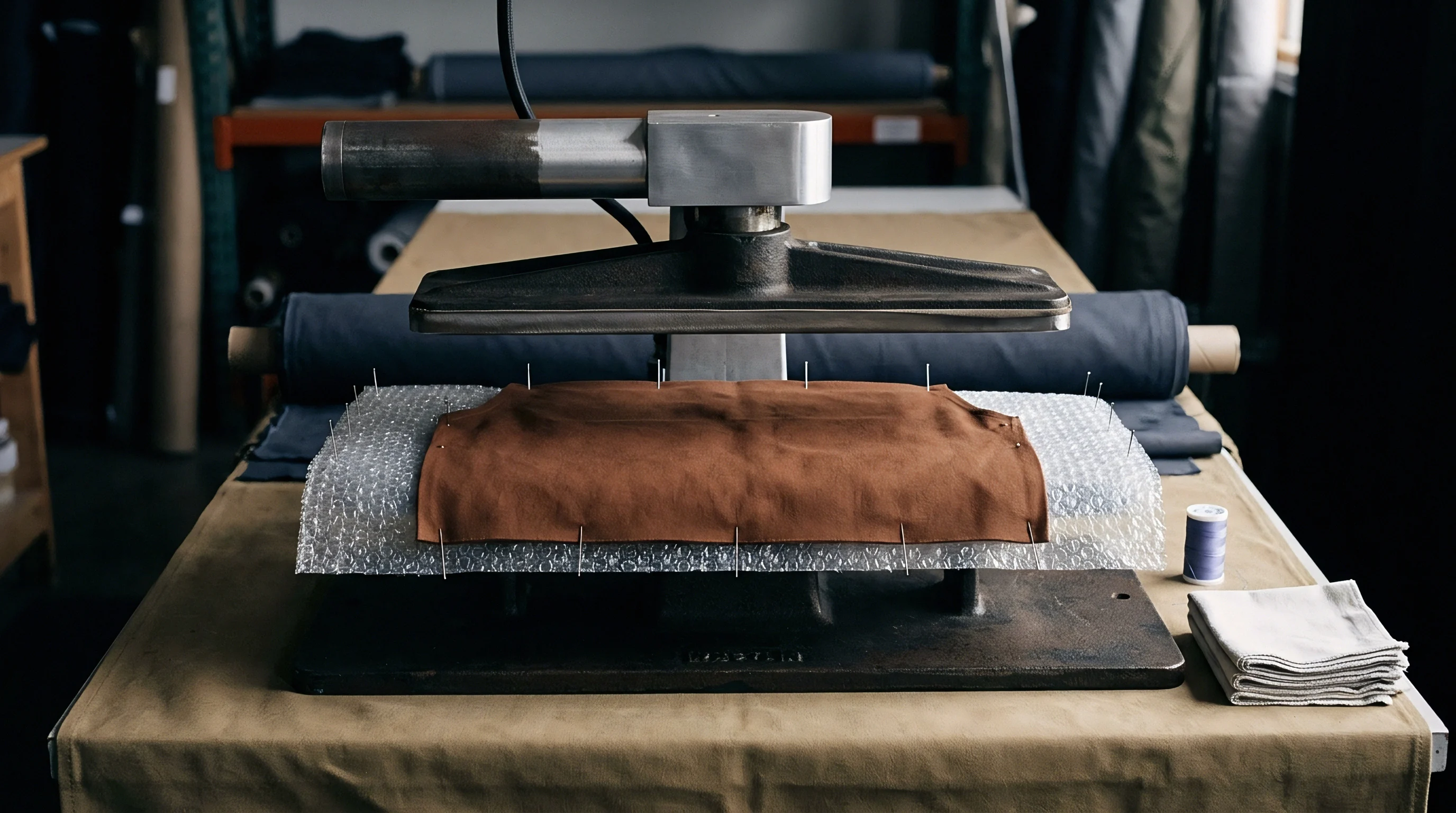
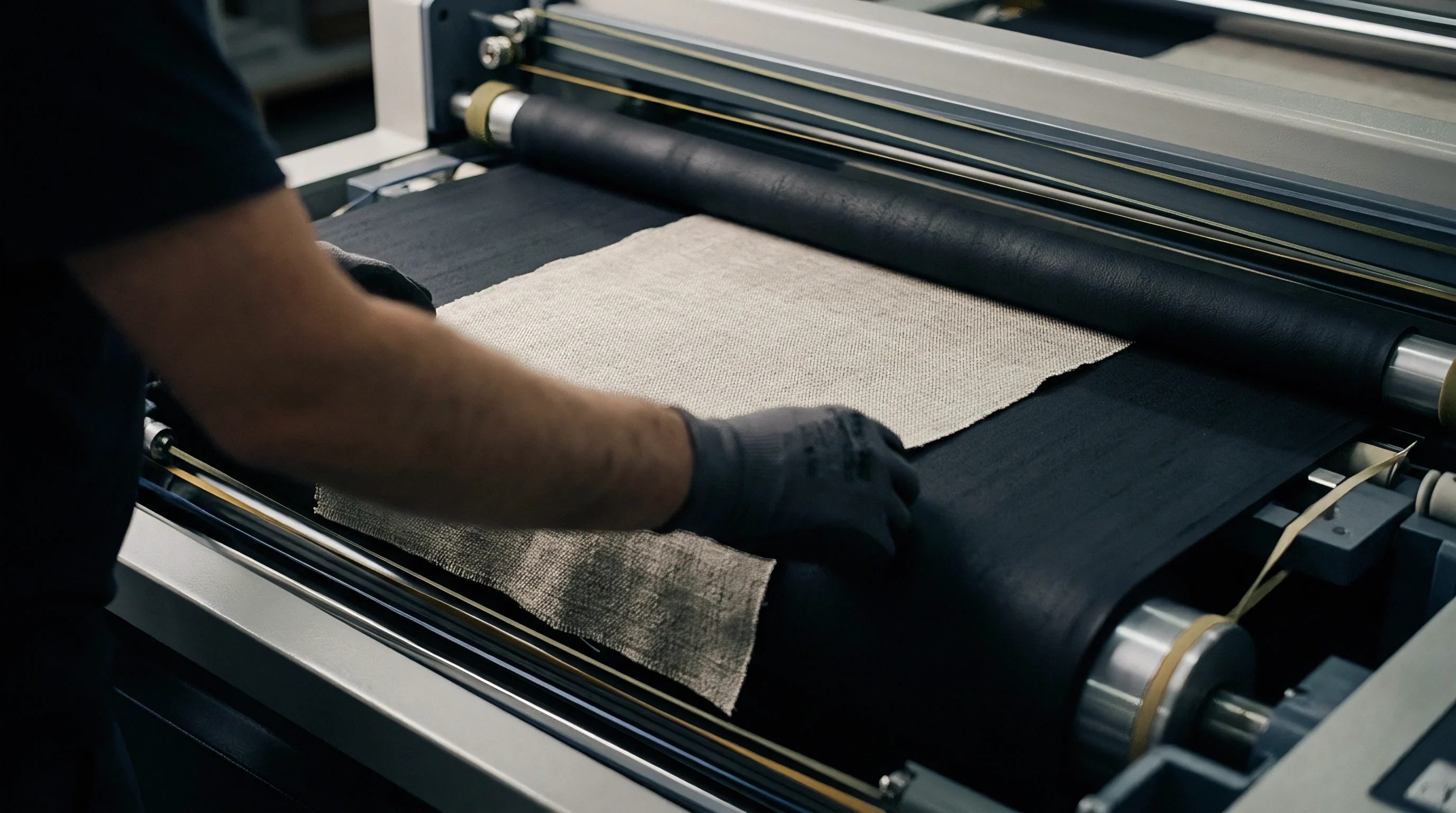
Stenter chains transport the open-width knit through heated chambers on stainless steel needle plates designed to resist deflection under high lateral tension. Micro nylon knits carry significant recovery force, pulling the selvedges inward against the pin line with loads exceeding 180 Newtons per linear meter. Stenter entry rails use mechanical uncurlers, motor-driven scroll rolls, and optical edge sensors to place the curled selvedge flat over the needle points.
Penetrating the pins precisely 5 millimeters inside the gummed selvedge edge avoids pin tear-outs that trigger catastrophic web drops inside the heating zone.
Chamber airflow design determines heat transfer efficiency across microfilament constructions. Dual-slot counterflow nozzles direct heated air onto both faces of the suspended textile at nozzle velocities between 20 and 35 meters per second. Uneven air velocity between top and bottom nozzles billows the lightweight knit, creating wave flutter that causes uneven thermal exposure across the width.
Calibrating bypass dampers maintains equal air pressure on both faces, holding the web in a stable neutral plane along the pin line track.
Fabric held flatter across the pin line delivers consistent cross-width shrinkage.
Tension governing units before the stenter entry regulate lengthwise draft. Feed wheels run slightly faster than the pin chain to introduce positive overfeed. Micro nylon elastane knits require positive overfeed rates from 15 percent to 35 percent depending on target grams per square meter and desired elongation values.
Starving the overfeed stretches the knit loops, yielding lightweight goods that shrink excessively when laundered. Excessive overfeed creates sagging scallops between pins, producing wavy edges and uneven finished width.
Chamber Temperature Profiles and Heat Transfer Velocity
Industrial stenters operate with multiple independent temperature zones, typically ranging from six to ten chambers. Entry zones heat the incoming damp or dry cloth, middle zones execute the molecular setting mechanism, and exit zones initiate structured cooling. Processing micro nylon 6,6 with 20 percent elastane on an eight-chamber gas-fired stenter requires graduated zone control.
Chambers 1 and 2 operate at 160 degrees Celsius to volatilize surface moisture and warm the substrate. Chambers 3, 4, 5, and 6 maintain 192 degrees Celsius for setting. Chambers 7 and 8 drop to 140 degrees Celsius to stabilize the morphology prior to exit cooling.
| Substrate Blend | Yarn Count (dpf) | Setting Zone (°C) | Dwell Time (s) | Overfeed Range (%) | Width Spread (%) |
|---|---|---|---|---|---|
| 80% PA6 / 20% Elastane Single Jersey | 0.85 dpf | 180 to 183 | 25 to 30 | +18 to +24 | +3 to +5 |
| 75% PA6,6 / 25% Elastane Interlock | 0.70 dpf | 192 to 195 | 30 to 35 | +22 to +28 | +2 to +4 |
| 85% PA6,6 / 15% Elastane Warp Tricot | 0.55 dpf | 190 to 193 | 20 to 25 | +12 to +16 | +4 to +6 |
| 70% PA6 / 30% Elastane Circular Rib | 0.80 dpf | 178 to 181 | 30 to 35 | +25 to +32 | +1 to +3 |
Processing speeds balance dwell time against factory output rates. Running a 30-meter stenter heating zone at 45 meters per minute provides an effective exposure time of 40 seconds. For micro nylon elastane knits, effective setting occurs when core temperature stays within the target setting window for 15 to 20 seconds.
The initial 15 to 20 seconds merely preheat the substrate and evaporate residual scouring moisture.
Where Occurs Filament Relaxation in Continuous Processing?
Loop restructuring initiates within the intermediate chambers as polymer chains soften and pin chain rails converge or diverge. Diverging the rails widens the knit to pull out knitting lines and fix finished cuttable width. Rail divergence must complete within the first third of the active setting zone.
Expanding fabric width in the final chambers stretches newly formed crystalline zones, imparting severe crosswise residual tension that induces high wash shrinkage along the course direction.
Mechanical operations at the pin chain delivery frame dictate downstream physical stability:
- Selvedge Gumming applies high-viscosity water-soluble polyvinyl alcohol or acrylic adhesive to the outer 15 millimeters of the knit edge to freeze uncurled yarns.
- Infrared Selvedge Drying uses focused electric quartz emitters to cure the liquid adhesive within two seconds without overheating the main body cloth.
- Rotary Slitting Knives sever the pinned edge immediately inside the dried glue line, eliminating pin holes and tension-damaged selvedge loops.
- Chilled Roller Quenching passes the freed textile around internal water-cooled steel cylinders at 18 degrees Celsius, instantly dropping substrate temperature below the nylon glass transition point.
Incorrect pin tensioning or uneven chamber airflow causes selvedge-to-center shading, irreversible width necking, and complete failure of finished garment panels during automatic cutting operations.
Degradation
Oxygen presence at elevated temperatures accelerates radical chain scission across aliphatic polyamide chains. The methylene groups adjacent to nitrogen atoms on the nylon backbone undergo hydrogen abstraction, forming unstable hydroperoxides. These intermediate peroxides dissociate into carbonyl groups, carboxylic acids, and volatile aldehydes.
In micro nylon yarns, the enormous surface-to-volume ratio increases exposure to atmospheric oxygen tenfold compared to coarse industrial yarns. This thermal oxidation creates visible yellow chromophores, quantified as an increase in yellowness index according to ASTM E313.
Elastane compounds experience parallel structural damage. Thermal energy degrades the polyurethane soft segments through ether bond scission, producing quinoid chromophores from the diisocyanate segments. The chemical breakdown manifests as yellowing and loss of structural elasticity.
High chamber temperatures simultaneously volatilize internal phenolic antioxidants incorporated during fiber spinning. Once the antioxidant protection threshold drops below effective levels, subsequent dyeing cycles cause catastrophic loss of elastomeric recovery.
Oxidation proceeds unimpeded once stenter exhaust rates drop below recommended air exchange volumes.
Yellowing presents acute difficulties for optical white and pastel colorways. Setting greige goods containing spin finish residues bakes the oily lubricants into the microdenier grooves. The crosslinked oils yellow severely, shifting baseline spectrophotometric reflectance curves.
Acid dyes applied to oxidized nylon exhibit poor strike rates, uneven migration, and reduced wet fastness ratings under ISO 105-C06 testing due to the destruction of primary amine end-groups.
Is Presetting Obligatory before Wet Processing Stages?
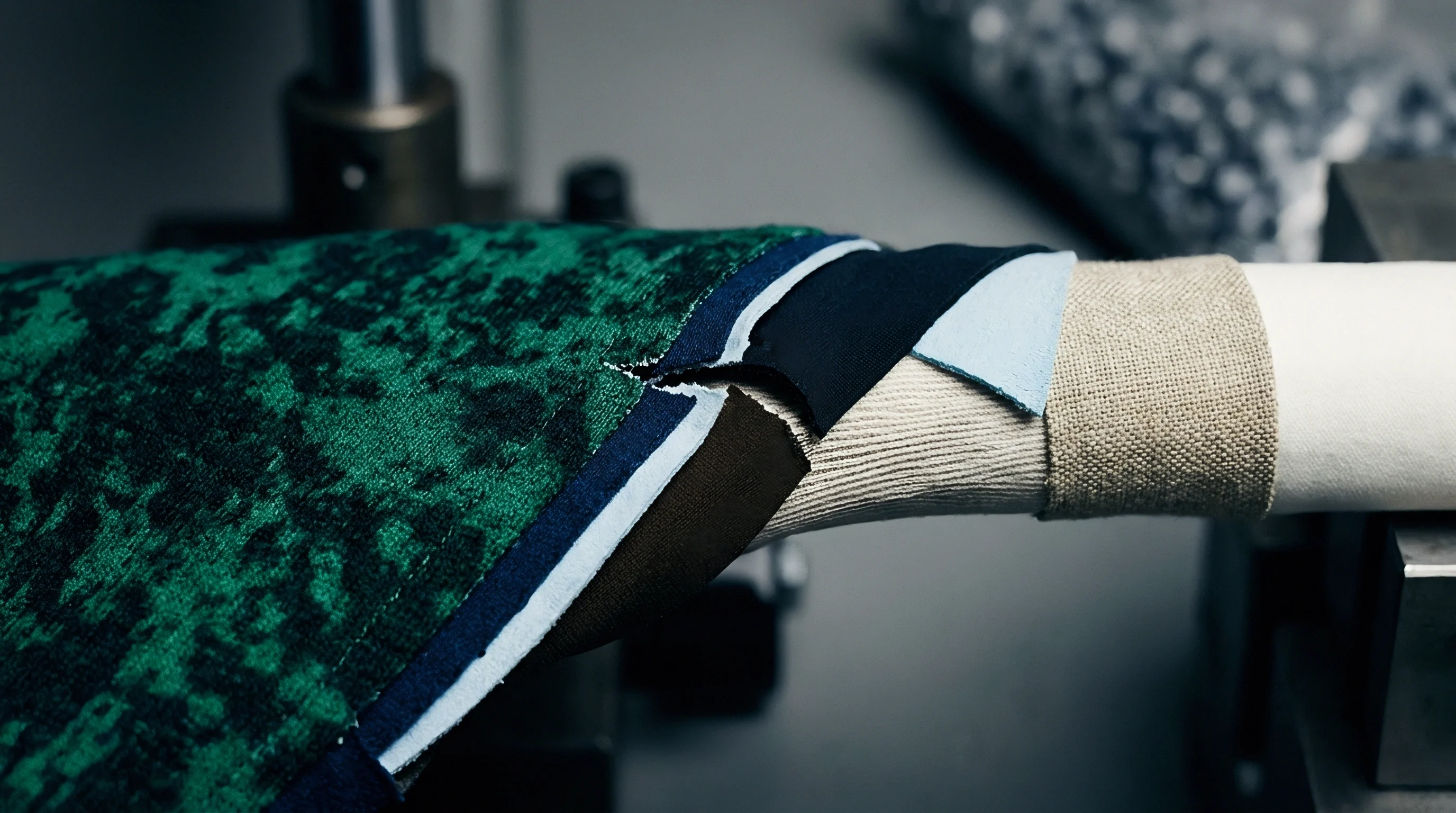
Omission of greige setting produces unmanageable creasing during rope dyeing in jet machines. As circular knits enter the jet nozzle at speeds of 250 meters per minute, wet thermal cycling above 95 degrees Celsius relaxes unrestrained elastane. The contracting elastane forces the nylon microfibers into tight rope folds that press together under hydrodynamic nozzle impact.
The resulting crease marks resist all subsequent post-finishing stenter attempts to level the surface, forcing goods to be downgraded to second quality.
Presetting stabilizes the knit structure, leveling loop torque and locking dimensional geometry before exposure to hot aqueous liquors. The alternative route scour and post-set operates successfully only on flat open-width processing ranges with continuous tensionless washing units. Scouring before setting removes coning oils, knitting waxes, and machine soil, preventing lubricant bake-in and smoke formation inside the stenter.
Direct greige setting without washing requires stenter electrostatic precipitators to capture volatilized oil emissions and avoid environmental air permit violations.
Thermal Discoloration and Antioxidant Exhaustion
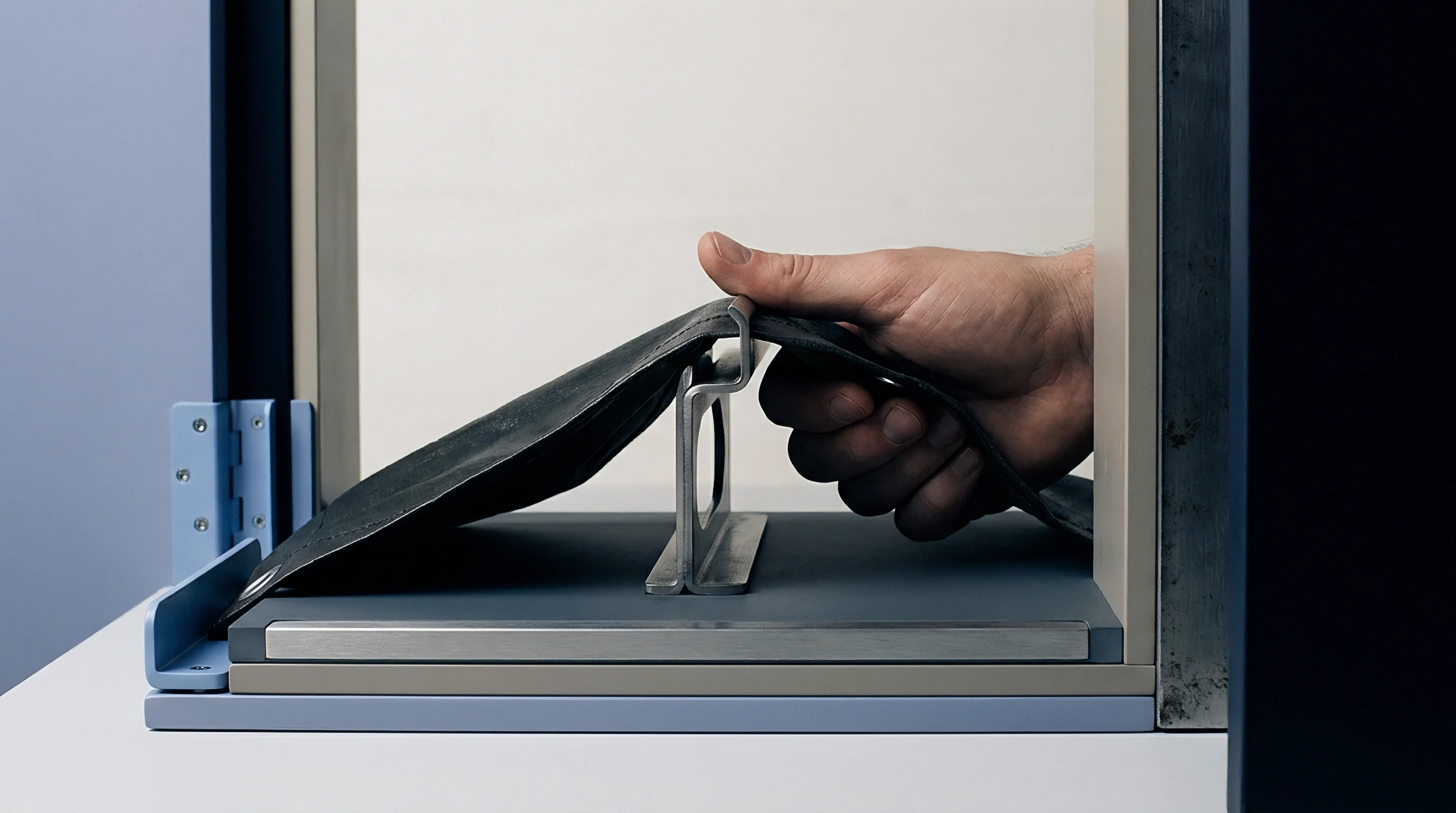
Direct gas-fired stenters generate combustion byproducts including nitrogen oxides, carbon monoxide, and water vapor that circulate directly across the open goods. Nitrogen dioxide reacts aggressively with micro nylon amine end-groups and elastane phenolic stabilizers, causing severe gas fading discoloration. Indirect heating systems using thermal oil heat exchangers protect sensitive pale shades by isolating combustion gases entirely from the process air circulation loops.
Mills frequently claim that thermal yellowing disappears inside the jet dyer under standard leveling acid dye formulas.
Recovery
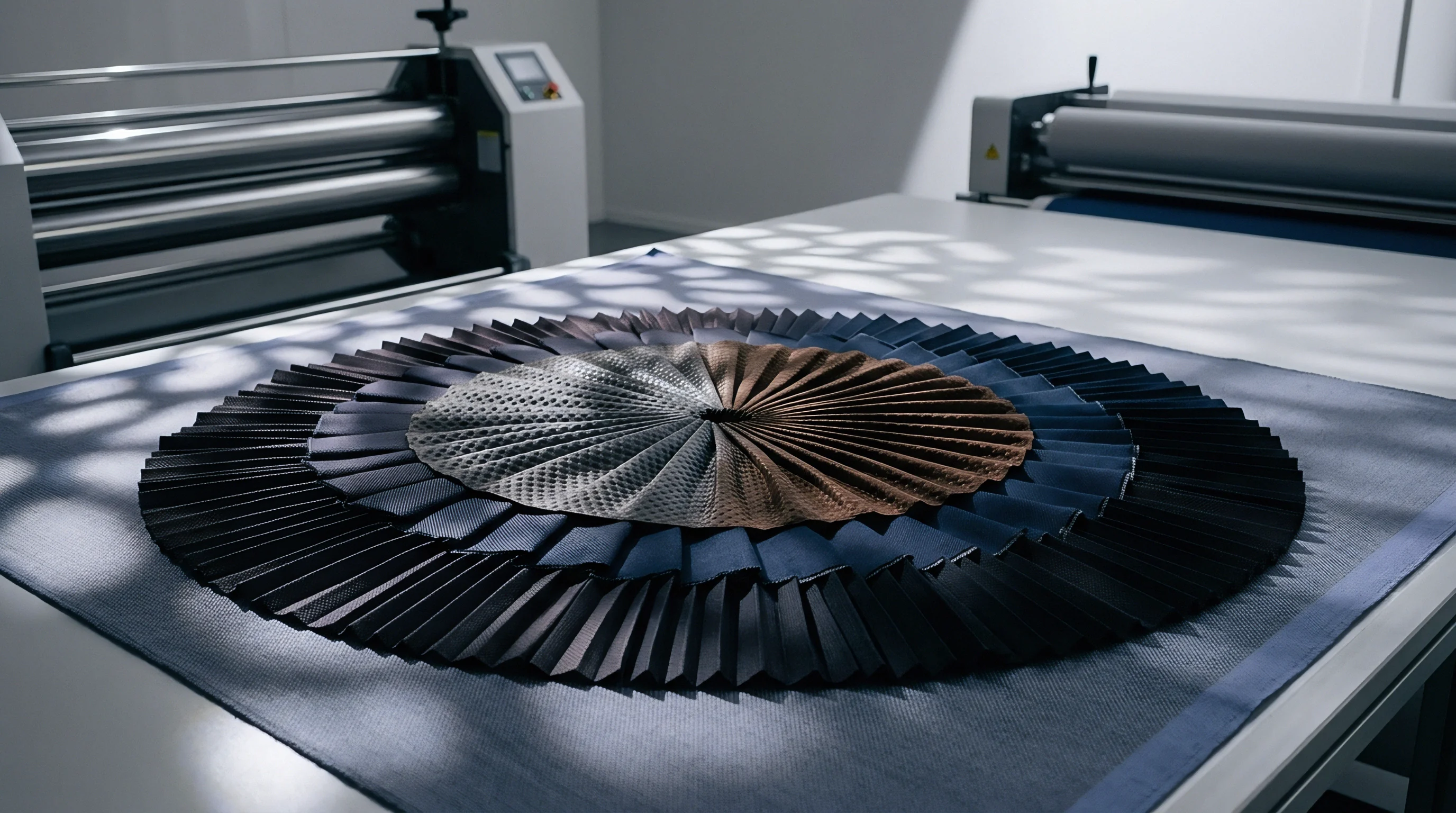
Elastic retention defines functional performance in activewear, swimwear, and intimate apparel. Elastane fibers stretched inside the knit structure lose tension over time under thermal influence, a process known as stress relaxation. When micro nylon elastane knits pass through the stenter at excessive temperatures, thermal setting permanently destroys a portion of the original fiber stretch.
The remaining elastic performance relies entirely on the undamaged core segments that survived heat exposure.
Modulus characterizes the force needed to extend the finished knit to a specific elongation percentage. High setting temperatures lower fabric modulus, making the material softer and easier to stretch while simultaneously degrading its ability to snap back firmly. Conversely, insufficient setting temperatures leave the modulus excessively high, causing extreme garment pressure and high residual shrinkage upon exposure to domestic laundering.
ISO 5077 laundering cycles prove that under-set goods shrink relentlessly across consecutive washes.
Balancing lengthwise and crosswise elastic performance demands precise stenter overfeed adjustments. Stretching width out on the pin rails lowers course-direction elongation while increasing wale-direction recovery. Operators adjust the differential stretch ratio to hit specific target values defined by activewear brand specifications.
Testing specimens under ASTM D4964 using constant-rate-of-extension tensile machines measures both tension modulus at 30 percent elongation and unrecovered elongation after repeated extension cycles.
Cyclic Tensile Fatigue and Elastic Retraction Limits
Repeated extension cycles reveal subtle thermal damage that single-pull tensile tests fail to register. Testing under ASTM D4964 involves cycling specimens five times between zero and eighty percent elongation at a crosshead speed of 500 millimeters per minute. Heat-damaged elastane fibers exhibit significant hysteresis loss, widening the loop between loading and unloading curves.
The difference represents mechanical energy converted into internal friction and permanent molecular displacement.
Unrecovered elongation reflects permanent deformation. Virgin micro nylon elastane blends exhibit unrecovered elongation below 5.0 percent after five loading cycles. Overheated lots display values exceeding 12.0 percent, causing bagging around knees and elbows in athletic garments.
The damaged elastane filaments fail to pull the micro nylon loops back into their contracted rest positions, leaving the textile visibly distorted and slack.
| Setting Temp (°C) | Dwell Time (s) | Recovery at 80% (ASTM D4964) | Length Shrinkage (ISO 5077) | Burst Strength (ISO 13938-2) | Yellowness Index (ASTM E313) |
|---|---|---|---|---|---|
| 175 | 30 | 96.8% | -8.2% | 460 kPa | 1.2 |
| 182 | 30 | 95.4% | -4.1% | 445 kPa | 1.8 |
| 188 | 30 | 92.1% | -2.0% | 410 kPa | 3.1 |
| 195 | 30 | 84.6% | -1.2% | 325 kPa | 6.4 |
| 202 | 30 | 68.2% | -0.8% | 210 kPa | 11.2 |
| Data gathered on 80% Polyamide 6,6 (0.8 dpf) / 20% Elastane 40D single jersey, dry heat pin stenter. | |||||
Bursting strength testing under ISO 13938-2 using pneumatic diaphragms highlights the drop in load-bearing capacity as temperature escalates. Elevating temperature from 182 to 202 degrees Celsius cuts bursting resistance by more than half. The strength collapse stems from combined microfilament surface oxidation and elastane matrix liquefaction under dry convective air streams.

Dimensional Stability Standards across Repeated Launderings
Dimensional equilibrium requires stable stitch geometry capable of resisting wet agitation and tumble drying. Testing under ISO 5077 with ISO 6330 wash procedures (Program 4N at 40 degrees Celsius, tumble dry low) evaluates dimensional changes after multiple home launderings. Heat set knits must achieve length and width dimensional change within plus or minus 3.0 percent after three complete cycles.
Finished knit properties require strict physical verification:
- Mass Per Unit Area measured according to ISO 3801 requires conditioned specimens cut with standard 100-square-centimeter circular dies across the left, center, and right web sections.
- Course and Wale Density counted under magnification must match technical specification targets within a tolerance of plus or minus two courses or wales per centimeter.
- Spirality Angle evaluated per ISO 16322 must remain below 3.0 degrees for circular single knits to avoid twisted garment side seams.
- Elastic Growth and Recovery tested under ASTM D2594 identifies fabric bagging limits for low-power stretch materials intended for loose-fitting apparel.
How fiber producers will formulate next-generation bio-based elastanes to survive elevated setting zones without sacrificing dynamic modulus remains unclarified across current commercial offerings.

Dossier
Commission finishing houses bill heat setting operations through distinct charging models that reflect energy usage and equipment depreciation. Operating an eight-chamber pin stenter consuming natural gas and high-voltage electricity costs between 120 and 220 US dollars per production hour. Running delicate micro nylon elastane knits at slow speeds to guarantee 35 seconds of dwell time increases line runtime, elevating processing costs per finished linear meter.
Slower speeds lower daily line capacity, pushing lead times out during peak manufacturing seasons.
Routing options dictate cost and physical risk across the supply chain. Fully vertical mills execute circular knitting, washing, presetting, jet dyeing, and final finishing on a single industrial site. In contrast, converter models purchase greige knits from commission knitters, trucking open-width rolls to independent dyehouses for wet processing.
Transferring unset greige knits across long distances risks edge crushing, pressure marking, and atmospheric contamination that complicates finishing outcomes.
Commercial Route Structures and Converter Margins
Production routing decisions involve stark commercial trade-offs between split processing lines and consolidated sequences. Scouring on continuous open-width ranges followed immediately by in-line presetting requires specialized machinery combinations found only in modern commission houses. When converters divide work between separate washing and setting mills, handling fees, freight transfers, and roll unpinning losses inflate landed costs by 0.25 to 0.55 US dollars per meter.
| Processing Sequence | Yield Loss (%) | Added Steps | Cost per Meter (USD) | Risk Profile |
|---|---|---|---|---|
| Greige Preset > Jet Dye > Final Dry | 8 to 12% | 1 Heat Set | $0.65 to $0.85 | Oil bake-in, smoke accumulation |
| Continuous Scour > Preset > Jet Dye > Finish | 10 to 14% | 1 Wash, 2 Dry/Set | $1.10 to $1.45 | Lowest defect rate, high energy |
| Rope Scour > Jet Dye > Post-Set Only | 5 to 8% | 1 Final Set | $0.45 to $0.60 | Severe creasing, width variation |
Yield loss represents a major concealed cost in heat setting micro nylon knits. Entering the stenter with curled, irregular greige goods requires aggressive selvedge gumming and rotary blade trimming. Trimming removes 20 to 50 millimeters of cloth from each selvedge edge, translating to a permanent fabric waste loss between 3.0 and 5.5 percent of total knit area.
Adding tension stretch and relaxation losses, gross greige-to-finished weight loss reaches 12 percent on complex high-gauge circular knits.
Contractual Yield Penalties and Specification Allowances
Purchase orders must specify finished mass per unit area and cuttable width under strict tolerance bands to protect commercial margins. A typical specification sheet allows plus or minus 5.0 percent on finished grams per square meter and plus or minus 2.0 centimeters on usable cuttable width. Mills hitting the low side of the weight tolerance save yarn mass but risk garment opacity failure, whereas delivering over-weight goods drains supplier margins through uncontrolled fiber consumption.
Under international sales master agreements, the standard ASTM D3774 cuttable width clause releases buyers from payment obligations on all yardage falling below minimum specified widths between the pin line punctures.