Thermal Stabilisation
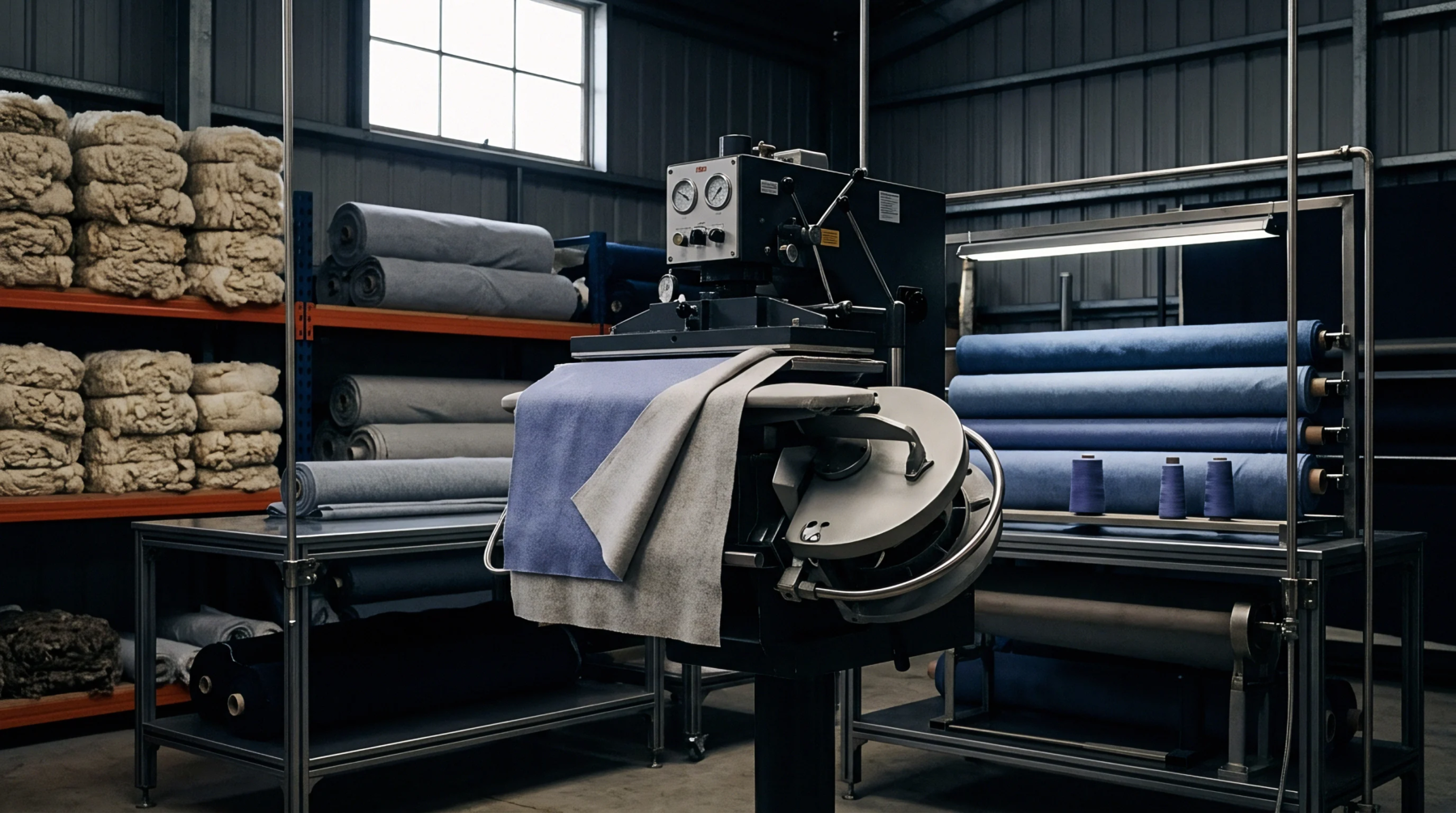
Thermal stabilisation defines the process of applying controlled high temperature to synthetic filaments or fabrics to fix their dimensions and physical properties. Heat setting involves passing the material through a heated chamber or over hot rollers under specific tension and duration. The operation prevents shrinkage and distortion in subsequent laundering or dyeing stages.
It applies strictly to thermoplastic polymers such as polyester, nylon and their various blends. Manufacturers monitor the temperature against the glass transition point of the fibre to ensure stability without melting or degradation. The result provides a memory to the polymer structure that resists future deformation under moderate heat conditions, ensuring uniform shape retention across the length of the production batch.
Dimension Control
Precise temperature calibration regulates the final crystallinity of the fibre. Heat setting determines how the molecular chains align, which directly influences the hand feel and dye affinity of the finished material. Mills operate stenters that blow hot air through the fabric while keeping the width constant to remove latent tensions from the spinning and knitting operations.
Improper duration causes yellowing or loss of strength, whereas insufficient exposure results in fabric that shrinks during later processing. Technicians verify the success of this operation by measuring the change in specimen dimensions after a standard wash cycle. The deviation from original size indicates the effectiveness of the treatment, provided the machine parameters remain consistent throughout the run.
Such data dictates whether a fabric roll meets the technical specifications for garment manufacture.
Physical Integrity
Tensile strength and elongation properties depend heavily on the molecular rearrangement achieved during this stage. Heat setting modifies the density of the fibre by shifting amorphous regions into ordered crystalline zones. This shift reduces the internal stress caused by mechanical stretching during the drawing process.
Fabrics with correct thermal memory withstand the agitation of industrial garment production without warping or losing their intended drape. A lack of consistency across the width of the machine leads to uneven dye uptake, creating streaks that reject the batch at inspection. High performance requirements demand strict adherence to the dwell time, as even minor variances alter the density of the filament structure.
The outcome dictates the durability of the final textile product under stress.
Performance Expectation
Finished goods maintain their geometry through the reliance on this calibrated thermal intervention. Heat setting allows for the production of wrinkle resistant apparel by locking the synthetic chains into a stable configuration. The process constitutes a final checkpoint for dimensional stability before shipment to the sewing facility.
Fabric that fails this test undergoes corrective stenter passes or ends up rejected to prevent manufacturing faults. Every synthetic textile requires specific thermal conditions to reach the intended state of physical permanence. Accurate records of temperature and speed confirm that the material meets the standard for intended end use.
Synthetic fibres lose their unpredictable behaviour through this application, ensuring that the dimensions remain fixed for the duration of the operational life of the garment.