Dimensional Stabilization
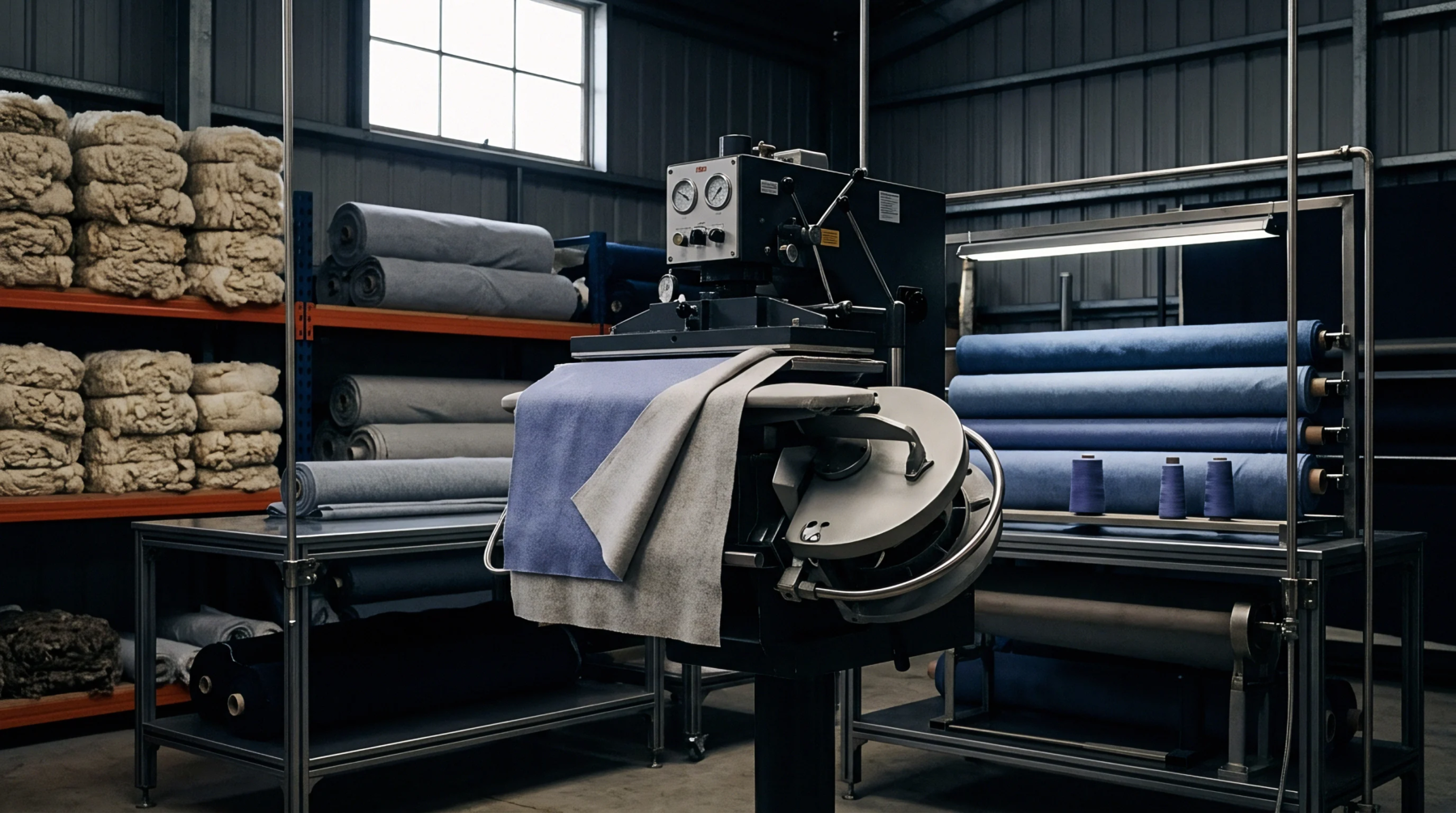
Dimensional stabilization represents the physical phase during textile production where fabric rests in a tension-free state to allow internal fibre stresses to release. Table relaxation acts as a specific method for this operation where pieces of fabric lie flat on a large surface for a defined duration. This process prevents unintended shrinkage or distortion after the garment manufacturing phase.
It serves to normalize the material state before final cutting occurs.
Operational Procedure
Gravity performs the work during this stage by permitting the yarns to return to their natural geometry after the stretching forced by high-speed loom tensions or finishing rollers. Workers lay the fabric layers across a long table without overlapping or pulling the edges. Air circulation around the material assists in reaching moisture equilibrium with the room environment.
Measurements taken before and after the wait period quantify the amount of retraction in both length and width.
Material Constraint
Natural fibres like cotton or wool show higher variability in their response to these conditions compared to synthetic filaments. The heat and moisture history of the cloth from earlier processing steps influences how much the fabric moves during this rest period. Factories use this measurement to adjust the cutting markers so the final garment matches the design specifications.
Proper execution of this protocol ensures that the sizing of the finished product remains consistent across a production batch.
Mechanical Requirement
Automated spreaders provide an alternative to manual tables by allowing the roll to unwind onto the cutting bed with minimal drag. These machines utilize sensors to detect and adjust the tension of the fabric as it feeds onto the surface. High-volume operations benefit from this technology because it maintains a uniform level of rest for every layer in the stack.
Accuracy in the cutting process depends entirely on the stability achieved during this final preparation phase.