Chemical Classification
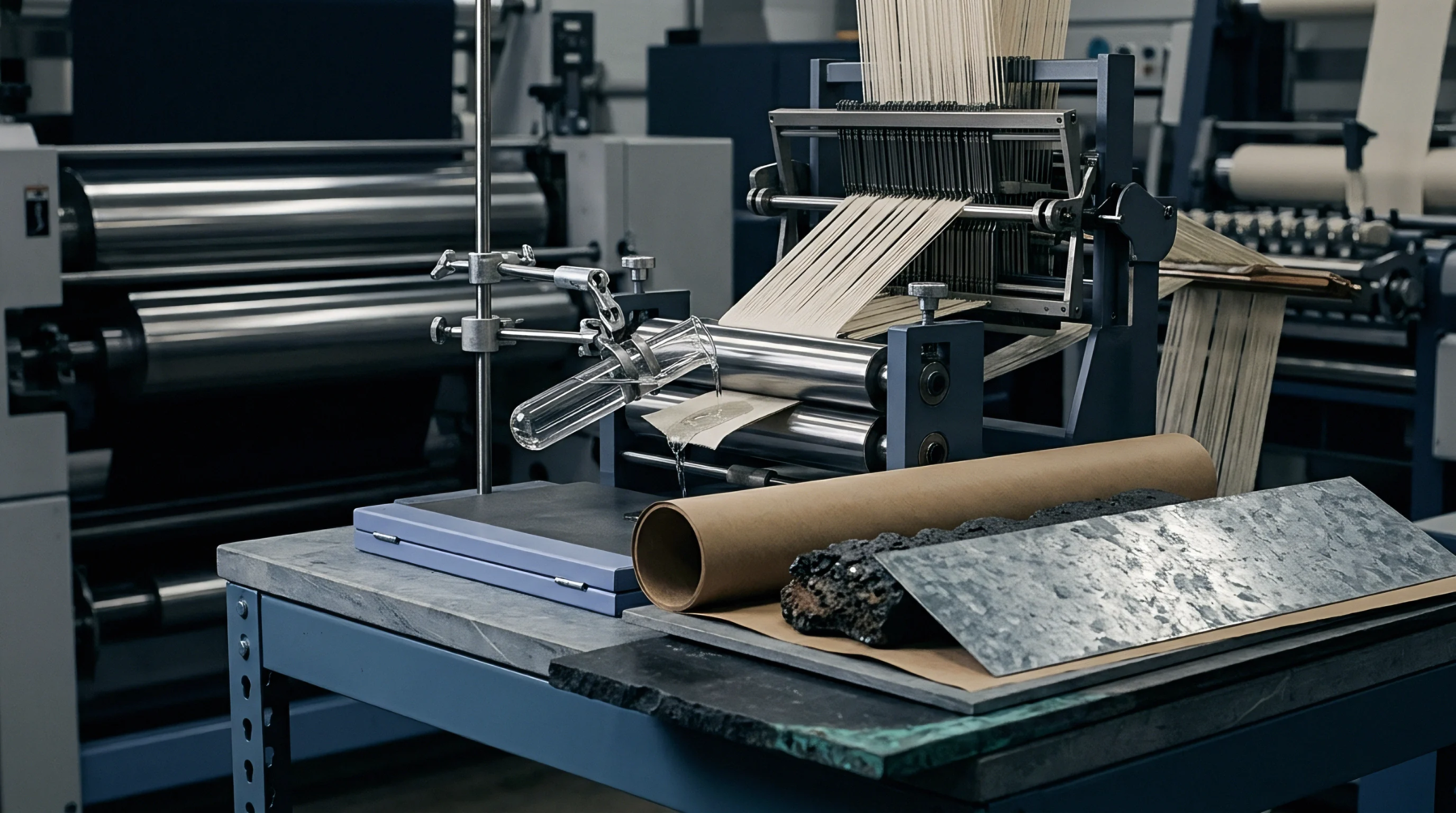
Methylene diphenyl diisocyanate functions as a primary isocyanate reagent for the production of high-performance polyurethanes. This aromatic compound facilitates polymerization when combined with polyols in the synthesis of foams, elastomers, and thermoplastic resins. The molecule exists in various isomeric forms, including 4,4, 2,4, and 2,2 variations, which determine the physical properties of the resulting polymer chain.
Manufacturers monitor the isomer distribution to control the rigidity or elasticity of finished textile coatings and synthetic fibre binders.
Production Mechanism
Chemical synthesis involves the phosgenation of diamine precursors to form the crude diisocyanate mixture. Distillation processes then separate specific grades for distinct commercial requirements, such as pure forms for medical applications or polymeric blends for industrial insulation. Solvent use remains restricted to closed-loop systems to prevent volatile leakage into the manufacturing environment.
High pressure reactor settings ensure the completion of the chemical transition while minimizing the presence of undesirable byproducts.
Material Performance
Rigid molecular structures within this chemical agent provide the necessary stability for industrial upholstery and flexible footwear soles. Polymers created through this reaction exhibit resistance to abrasion, oils, and chemical degradation under varying thermal conditions. Precise control of the isocyanate index determines the final density and durability of products destined for automotive interiors or protective equipment.
Verification Protocol
Analytical detection during quality audits identifies residual monomers within the polymer matrix to ensure compliance with occupational safety standards. Gas chromatography and high performance liquid chromatography serve as the standard procedures for quantifying concentrations in both raw material feedstock and finished textile products. Regulatory frameworks dictate the maximum permissible exposure limits for handling this reactive intermediate during the finishing phase of industrial production.