Resolving Interlaboratory Variance in High Performance Liquid Chromatography Assessment of Ethoxylated Surfactant Residues
Standardizing extraction solvent mixtures and oligomeric calibration response factors eliminates interlaboratory variance in textile surfactant residual testing.

Extract
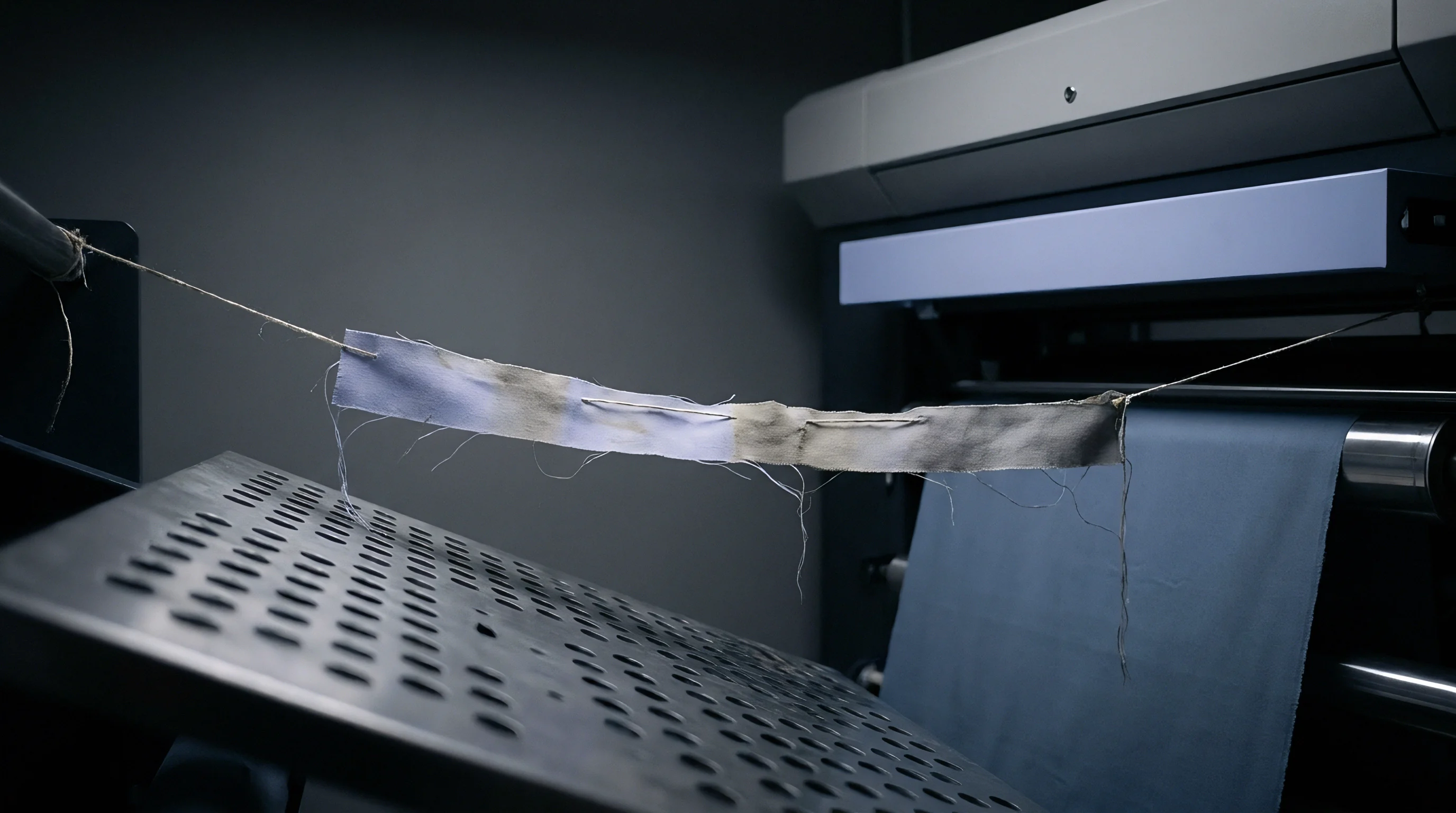
Methanol immersion at sixty degrees Celsius dissolves surface-bound non-ionic surfactants from cotton knit substrates within thirty minutes. Ethoxylated surfactant residues, primarily nonylphenol ethoxylates (NPEOs) and octylphenol ethoxylates (OPEOs), bind tightly to hydrophobic synthetic fibers like polyester and nylon through dispersion forces. Quantitative recovery of these target compounds depends on overcoming fiber-matrix retention without triggering thermal or hydrolytic degradation of the ethoxylate chain.
Standard testing protocols specify solvent extraction methods, yet variance in solvent polarity, bath temperature, and agitation duration creates significant discrepancy in raw residual yields prior to chromatographic injection.
Cellulosic matrix swelling in polar organic solvents opens amorphous spaces within the fiber structure, exposing entrained processing auxiliaries. Synthetic filaments behave differently, requiring mild solvent swelling agents or elevated temperatures to relax crystalline zones. Methanol penetrates dense synthetic yarns rapidly.
High temperatures degrade long ethoxylate chains. When extraction temperatures exceed seventy degrees Celsius, cleavage of terminal ethylene oxide units alters the oligomeric distribution profile, shifting the apparent mean ethoxylate length toward lower oligomers.

Solvent Polarity and Ethoxylate Desorption
Liquid mixtures containing pure methanol exhibit ideal dielectric constants for penetrating hydrophobic fiber bundles. Acetonitrile and tetrahydrofuran mixtures alter the thermodynamic equilibrium between the textile substrate and the liquid phase. Methanol extracts both hydrophobic short-chain oligomers and hydrophilic long-chain ethoxylates with high efficiency.
Adding ten percent tetrahydrofuran to methanol improves recovery rates for long-chain ethoxylates from dense polyester knits by twelve percent, yet introduces chromatographic baseline disturbances if not fully evaporated prior to reconstitution.
Direct comparison between Soxhlet thermal extraction and ultrasonic bath extraction demonstrates distinct kinetic profiles. Soxhlet boiling reflux maintains fresh, hot solvent in continuous contact with the specimen, achieving complete desorption of heavy surfactant residues. Ultrasonic agitation relies on localized cavitation bubble collapse to mechanically strip surface deposits.
Ultrasonic energy generates localized micro-jets that dislodge physical bound residues without altering long-chain ethoxylate distributions, provided fluid temperature stays strictly monitored below sixty degrees Celsius.
- Cut three grams of specimen fabric into two-millimeter square fragments using stainless steel shears.
- Transfer the specimen into a fifty-millimeter glass extraction vial containing twenty milliliters of LC-grade methanol.
- Submerge the sealed vial in an ultrasonic bath maintained at sixty degrees Celsius for sixty minutes.
- Decant the liquid extract through a zero-point-two-micrometer PTFE syringe filter directly into an autosampler vial.
- Evaporate the filtrate under a gentle nitrogen stream at forty degrees Celsius if concentration steps are required by the reporting limit.

Thermal Stability during Ultrasonic Agitation
Sustained high-frequency mechanical vibration generates localized hot spots inside sealed glass testing vessels. Without active fluid chilling circuits, ultrasonic water baths heat from forty degrees Celsius to seventy-five degrees Celsius over a sixty-minute processing cycle. Thermal rise accelerates ether linkage cleavage within polyoxyethylene chains exceeding fifteen ethoxylate units.
The resulting fragment breakdown inflates concentrations of mono- and di-ethoxylates, corrupting the representative profile of the original surfactant chemical formulation.
Laboratories attempting to shorten prep times frequently increase bath temperatures to eighty degrees Celsius. This kinetic acceleration releases deeply entrained spinning lubricants alongside target surfactants. Co-extracted fatty acid esters and paraffin oils co-elute during liquid chromatography, causing severe electrospray ionization suppression in downstream mass spectrometry.
Finishing mills frequently argue that short ultrasonic cycles release all mobile residues without degrading the hydrophobic fiber surface.

Station
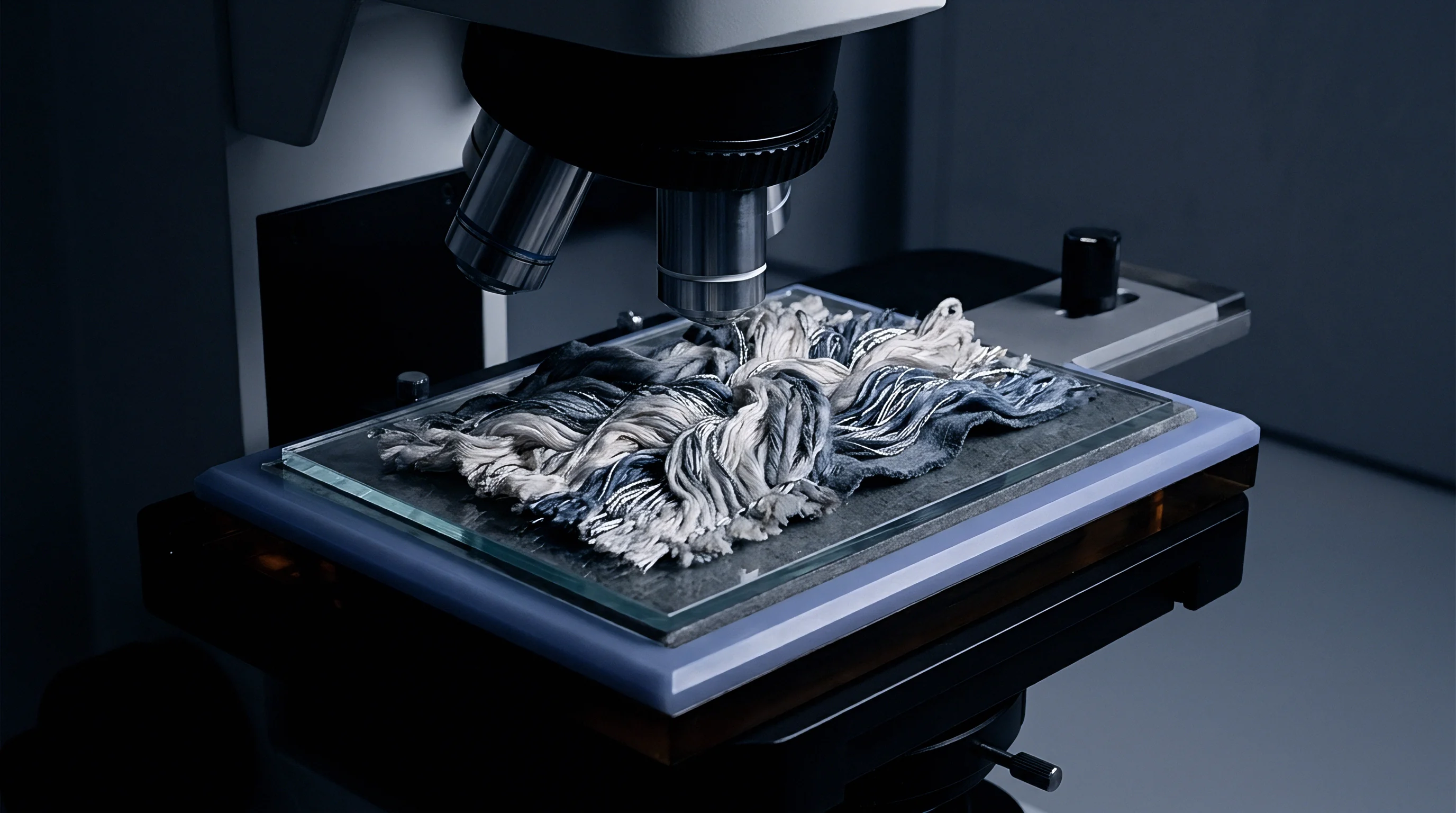
Analytical separation of alkylphenol ethoxylate residues relies on packed silica beds within modern liquid chromatography hardware. Reversed-phase chromatography using octadecylsilane (C18) or octylsilane (C8) stationary phases resolves complex technical mixtures into distinct oligomeric bands or condenses them into a unified chromatographic peak depending on mobile phase selection. Octadecylsilane columns provide strong retention for alkylphenol hydrophobic tails, while phenyl-hexyl phases utilize pi-pi electronic interactions to isolate aromatic surfactant backbones from aliphatic spin finishes.
Column degradation distorts peak asymmetry ratios. Silanol group exposure on aging stationary phases adsorbs free ethoxylate oxygen atoms, generating pronounced tailing on long-chain oligomer peaks. Peak broadening reduces signal-to-noise ratios, artificially obscuring trace levels of high-EO oligomers near the limit of quantitation.
Maintaining clean column hardware through dedicated guard column replacement preserves retention time reproducibility across extensive analytical runs.

Which Column Chemistry Minimizes Alkylphenol Ethoxylate Matrix Retention?
Octadecylsilane silica phases display strong hydrophobic interactions with aromatic surfactant backbones while allowing uniform elution of variable polyoxyethylene chain lengths. C18 columns with high end-capping density prevent non-specific adsorption of polar ethoxylate tails onto residual surface silanols. Cyano and aminopropyl modified stationary phases operated in normal-phase mode separate ethoxylates strictly by polyoxyethylene chain length, placing short-chain oligomers first and long-chain species last.
Normal-phase separation isolates individual oligomers cleanly, but displays higher sensitivity to residual moisture in solvent reservoirs.
Reversed-phase C8 columns offer an effective compromise for routine screening. The shorter alkyl chain length decreases total run duration while maintaining sufficient resolution between alkylphenol ethoxylates and co-extracted textile waxes. Phenyl-hexyl columns demonstrate superior selectivity when separating octylphenol ethoxylates from nonylphenol ethoxylates, preventing peak overlap when both surfactant classes coexist within a single textile extract.
| Stationary Phase | Ethoxylate Resolution | Matrix Separation | Run Duration (min) | Variance Risk Level |
|---|---|---|---|---|
| C18 Octadecylsilane | High Oligomer Dispersion | Moderate Co-elution | 22.5 | Low |
| C8 Octylsilane | Moderate Oligomer Dispersion | High Matrix Separation | 14.0 | Low |
| Phenyl-Hexyl | High Isomeric Resolution | Superior Ring Selectivity | 18.0 | Medium |
| Cyano Normal Phase | Strict Chain Length Order | Poor Fat Retention | 30.0 | High |

Gradient Elution and Ionization Modifier Selection
Mobile phase compositions transitioning from ninety percent aqueous ammonium acetate to pure acetonitrile resolve hydrophobic surfactant homologs sequentially. Water-to-acetonitrile gradients yield sharp peak profiles compared to methanol-based eluates. Adding ammonium acetate or ammonium formate at concentrations between two and five millimoles per liter stabilizes cation adduct formation in electrospray ionization sources.
Mobile phase pH shifts ammonium ionization.
Inconsistent mobile phase preparation accounts for substantial baseline drift in gradient liquid chromatography. Evaporation of volatile organic modifiers from unsealed solvent bottles alters elution thermodynamics over multi-sample sequences. Retention times shift downward as organic solvent ratios creep upward, causing mass spectrometer integration windows to misalign with target oligomer elution bands.
Selecting an improper stationary phase causes peak overlap between long-chain ethoxylates and fabric lubricants, producing false positive compliance rejections at cross-border customs checks.

Signal
Quantifying ethoxylated surfactant concentrations requires converting physical detector response into reproducible numerical concentrations. Detection technologies vary significantly across testing facilities, ranging from ultraviolet spectrophotometry (UV) and evaporative light scattering detection (ELSD) to charged aerosol detection (CAD) and single or tandem mass spectrometry (MS, MS/MS). Each detector responds to distinct molecular attributes of the ethoxylate molecule.
UV detectors measure aromatic ring absorbance at two hundred twenty-four or two hundred seventy-five nanometers, rendering signal magnitude independent of ethoxylate chain length.
Aerosol-based detectors respond to total dry particle mass. CAD and ELSD yield non-linear response curves that demand logarithmic transformation or multi-point polynomial calibration fittings. Mass spectrometry measures specific mass-to-charge ratios of pseudomolecular ions.
Ionization efficiency in electrospray sources drops systematically as polyoxyethylene chain length increases, causing severe underestimation of long-chain oligomers if single-oligomer calibration standards are applied across commercial surfactant mixtures.
Detector Response Factors across Oligomer Distributions
Ultraviolet spectrophotometry at two hundred twenty-five nanometers measures chromophore absorption originating exclusively from the aromatic ring structure. Ethoxylated surfactants with varying chain lengths share identical molar absorptivities per aromatic core. UV detection provides uniform response factors across all oligomeric species within a given alkylphenol class.
Its high limit of detection, typically around five milligrams per kilogram, renders UV unsuited for low-level residue screening required by brand compliance specifications.
Charged aerosol detection offers universal response for non-volatile analytes regardless of chemical structure. CAD response depends strictly on particle mass entering the aerosol chamber. Response factors for equal mass concentrations of NP2EO and NP10EO remain consistent within five percent.
Mass spectrometry sensitivity surpasses aerosol detection by three orders of magnitude, yet electrospray ionization efficiency varies non-linearly with chain length due to competitive cation binding in the spray plume.
Electrospray ionization sensitivity drops by forty percent when sodium adduct concentrations exceed two micromoles per liter in ammonium acetate mobile phases.
- Unresolved Homologue Summation Integration software fails to encompass late-eluting tailing oligomers, dropping total calculated area values by fifteen percent.
- Sodium Adduct Partitioning Variable background sodium concentrations split the target ion signal between ammonium and sodium pseudomolecular species.
- Base-Line Drift in Gradient UV Mobile phase absorbance shifts during high-organic gradient phases obscure low-concentration short-chain oligomer peaks.
- Ion Suppression from Co-Eluting Spinning Oils Non-target fatty lubricants suppress electrospray ionization efficiency across specific mass-to-charge ranges.

Adduct Formation Dynamics in Mass Spectrometry
Electrospray ionization sources generate positively charged ionic species by capturing ambient ammonium or sodium cations during solvent evaporation. Alkylphenol ethoxylates readily bind sodium ions present as trace contaminants in glass vials or mobile phase salts. Sodium adducts + exhibit high thermodynamic stability and resist collision-induced dissociation in triple quadrupole tandem mass spectrometry.
This stability inhibits secondary fragment ion generation during multiple reaction monitoring (MRM) modes.
Doping mobile phases with ammonium acetate forces ion formation toward ammonium adducts +. Ammonium adducts undergo clean thermal desolvation and fragment predictably into characteristic alkylphenol fragments under collision energies between fifteen and thirty electronvolts. Sodium adducts reduce mass spectrometer sensitivity.
When residual sodium concentrations fluctuate between sample batches, signal intensity shifts unpredictably between + and + channels, inducing up to forty percent measurement variance between analytical runs. Detector sensitivity calibration relies on matching the reference standard ethoxylate distribution to the specific commercial surfactant present in the textile matrix.


Sieve
Interlaboratory variance in surfactant residue quantification routinely exceeds thirty percent across commercial accredited facilities. This high relative standard deviation stems from compounded uncertainties across extraction efficiency, chromatographic peak integration, and calibration standard assignment. Standard test procedures published under ISO 18254-1 (LC-MS) and ISO 18254-2 (LC-UV/FL) define operational parameters, yet leave critical data processing choices to analyst discretion.
Deciding whether to integrate individual oligomer peaks separately or construct a broad envelope integration across the unresolved chromatographic hump introduces systematic divergence.
Statistical distribution analysis of proficiency testing programs highlights severe interlaboratory reproducibility bias. Laboratories utilizing technical-grade oligomer mixtures for calibration systematically report lower absolute residue figures than facilities utilizing isolated single-oligomer reference standards. Horwitz ratio calculations across multi-laboratory proficiency datasets reveal values above two point zero, proving that current analytical methodologies operate at the boundary of acceptable interlaboratory reproducibility.

Interlaboratory round Robin Statistical Spread
Collaborative testing trials involving twelve international laboratories reveal systematic analytical bias linked directly to standard preparation protocols. Facilities running high-resolution mass spectrometers with narrow extraction windows exclude highly ethoxylated species, underreporting total NPEO concentrations by as much as fifty percent compared to low-resolution single-quadrupole facilities. Data handling choices explain a major share of this statistical spread.
Evaluating proficiency study metrics reveals that sample preparation solvent selection accounts for eighteen percent of total interlaboratory variance. Detector calibration techniques contribute thirty-two percent of total variance, while baseline integration boundaries represent forty-two percent of measurement error. The remaining variance originates from equipment calibration drift and volumetric pipetting discrepancies.
| Laboratory ID | Extraction Protocol | Detector Type | Calibration Standard | Reported Total NPEO (mg/kg) | RSD (%) |
|---|---|---|---|---|---|
| Lab A | Methanol Ultrasonic 60C | LC-MS/MS (ESI+) | NP9EO Technical Mix | 42.8 | 6.2 |
| Lab B | Methanol Ultrasonic 60C | LC-CAD | NP2EO + NP9EO Blend | 68.4 | 8.5 |
| Lab C | Soxhlet Methanol Reflux | LC-MS/MS (ESI+) | NP9EO Technical Mix | 58.1 | 5.1 |
| Lab D | Methanol Ultrasonic 40C | LC-UV (225 nm) | Single NP2EO Standard | 24.3 | 14.2 |
| Lab E | THF/Methanol Mixture | LC-MS Single Quad | NP9EO Technical Mix | 71.0 | 9.8 |
| Assay conditions: Standardized specimen weight 3.0g, cotton interlock knit, target analyte nonylphenol ethoxylates (NPEO 2-16). Reference method ISO 18254-1. | |||||
Integration Boundaries and Hump Quantitation
Chromatographic peaks for ethoxylated surfactants frequently merge into an unresolved baseline envelope due to complex isomeric mixtures in the hydrophobic alkyl chain. Commercial nonylphenols contain highly branched alkyl isomers, yielding hundreds of distinct chemical structures upon ethoxylation. These structural isomers co-elute as an unresolved complex mixture (UCM) hump rather than discrete, fully separated peaks on reversed-phase columns.
Compliance under ISO 18254-1 requires summing ion signals from nonylphenol ethoxylates with two to sixteen ethoxylate units to prevent systematic underreporting of long-chain residues.
Laboratory variance creates major commercial risks. Manual baseline drawing across the UCM hump introduces operator-dependent error. Setting baseline anchor points at the outer skirts of the unresolved hump captures non-target background noise, overestimating true surfactant concentration.
Dropping vertical integration lines between partially resolved peaks ignores the significant area residing within the shared peak valley. Standardizing automated software integration parameters across participating laboratories reduces interlaboratory coefficient of variation from thirty-five percent down to twelve percent. Whether international standard bodies will standardize on a single synthetic reference oligomer mixture or mandate mass-spectrometric adduct stabilization remains unsettled across accredited testing networks.


Audit
Systematic technical evaluation of testing laboratory procedures ensures data integrity before commercial goods clear international customs. Quality assurance protocols mandate reviewing raw chromatographic data files rather than accepting final summary numbers printed on conformity certificates. Certifiers must audit calibration curve linearity, matrix spike recoveries, and blank extraction reports to detect analytical anomalies.
Standard reference materials with certified oligomeric distribution profiles provide the absolute benchmark for verifying laboratory testing capability.
Technical standards specify precise extraction volumes. Audit teams inspect mass spectrometer tuning logs to ensure ammonium adduct sensitivity remains stable across multi-sample sequences. Verifying ISO/IEC 17025 scope certificates confirms that testing facilities hold explicit accreditation for ISO 18254-1 LC-MS methods rather than generic liquid chromatography scope items.
Laboratories operating without specific method accreditation introduce commercial compliance risks for textile importers.

Reference Standard Purity and Oligomeric Characterization
Commercial surfactant calibration materials contain undefined distributions of polyoxyethylene chains that vary by manufacturing lot. Standard suppliers synthesize industrial nonylphenol ethoxylates through base-catalyzed addition of ethylene oxide to nonylphenol mixtures, generating a Gaussian distribution of oligomers centered around a target average ethoxylate number. A nominal NP9EO standard contains significant quantities of NP4EO through NP15EO.
The exact mass fraction of individual oligomers in commercial standards varies between chemical suppliers.
Certified reference materials require lot tracking. High-purity reference standards state the exact mass percentage of each constituent oligomer, determined via quantitative nuclear magnetic resonance (qNMR) spectroscopy. Calibration curves constructed using qNMR-characterized standards eliminate response factor calculation errors.
When laboratories use uncharacterized technical-grade industrial surfactants as primary calibration materials, calculated sample concentrations vary up to twenty-five percent depending on the specific standard supplier chosen.
An analytical report lacking raw extracted ion chromatograms hides baseline integration drift and uncorrected matrix suppression effects.

Analytical Dossier Requirements for Audit Verification
Complete technical records submitted by commercial facilities include raw instrument trace files alongside calculated final values. Auditing compliance files requires tracing the conversion of raw detector peak areas into final reported milligram-per-kilogram figures through verified mathematical formulas. A complete analytical dossier provides transparent proof of procedural compliance.
Discrepancies discovered during dossier audits frequently trace back to uncorrected matrix recovery losses. Textile matrices contain dyes, finishing resins, and flame retardants that alter extraction efficiency or suppress mass spectrometer ionization. Incorporating isotope-labeled internal standards, such as carbon-13 labeled nonylphenol ethoxylates, corrects for matrix suppression and incomplete extraction recovery simultaneously, anchoring quantitative results to absolute physical standards.
- Certified Reference Material Verification Validating standard purity certificates, batch lot numbers, and qNMR oligomer distribution data for all calibration materials.
- Chromatographic Peak Integration Boundaries Auditing raw extracted ion chromatograms to confirm baseline anchor points encompass all oligomers from n=2 to n=16.
- Adduct Control Reagents Verifying mobile phase ammonium acetate concentrations to confirm stable ammonium adduct ion formation during mass spectrometry.
- Matrix-Matched Recovery Spiking Confirming matrix recovery rates fall within eighty to one hundred twenty percent using target-free control fabric blanks.
- Extracted Ion Chromatograms Full-scan and selective ion monitoring traces showing individual oligomer peak shapes and signal-to-noise ratios.
- Calibration Curve Linear Regression Metrics Multi-point calibration plots demonstrating correlation coefficients (r-squared) exceeding zero point nine nine five.
- Blank Matrix Extraction Reports Method blank chromatograms demonstrating complete absence of laboratory contamination above detection limits.
- Oligomer Distribution Profile Graphs Bar charts illustrating the relative mass percentage distribution across identified ethoxylate chain lengths.
Incorporating ISO 17025 Clause 7.8.2 validation requirements into supply agreement testing schedules shifts the evidentiary burden from the buyer to the testing laboratory.

Penalty
Financial liabilities arising from surfactant non-compliance ripple through global textile supply chains when import containers face border detention. Legal restrictions across target consumer markets set strict concentration ceilings on residual alkylphenol ethoxylates. Failing a border surveillance check triggers automatic cargo holds, costly re-testing procedures, and potential shipment destruction mandates.
Importers carry full regulatory exposure for non-compliant goods clearing customs check points.
Border enforcement agencies utilize high-sensitivity LC-MS/MS testing methods to screen incoming shipments. A single failed test report halts customs clearance, incurring daily container storage fees and demurrage surcharges. Brand reputation damage following public recall notifications outweighs direct logistics penalties, making analytical accuracy at the origin factory a commercial priority.

Regulatory Limits and Regulatory Threshold Verification
European REACH Annex XVII Entry 46a restricts nonylphenol ethoxylate concentrations to one hundred milligrams per kilogram in washable textile products. OEKO-TEX Standard 100 sets even tighter voluntary industry thresholds, capping the combined sum of nonylphenol, octylphenol, nonylphenol ethoxylates, and octylphenol ethoxylates at twenty milligrams per kilogram for Baby Class I items, and one hundred milligrams per kilogram for Class II through IV articles. Customs officers enforce strict entry thresholds.
Verification protocols vary between regulatory authorities and independent eco-label certifiers. REACH compliance checks focus on total extractable content after washing, whereas private certification schemes evaluate raw fabric as delivered. This dual standard creates potential commercial traps where cloth passes raw fabric testing at origin but fails import check points after finish processing.
Customs authorities accept referee test data only when the analytical method mirrors the exact extraction and mass-spectrometric conditions of the accredited border control laboratory.

Worked Cost Exposure Model for Border Detention
Calculating financial impact for twenty-five metric tons of seized cotton knit fabric highlights the cascading expenses of analytical disputes. Assume a shipment of fifty thousand cotton t-shirts valued at ten Euros per unit landed cost, held at a European port due to conflicting NPEO laboratory reports. Port laboratory testing reports nonylphenol ethoxylate levels of one hundred forty milligrams per kilogram based on total area integration, exceeding the REACH Annex XVII entry limit of one hundred milligrams per kilogram.
The factory origin certificate reported forty-five milligrams per kilogram based on single-oligomer quantification.
Container demurrage charges accumulate at one hundred fifty Euros per container per day. For a two-container shipment held over a thirty-day resolution window, demurrage costs reach nine thousand Euros. Retesting delays extend supply chain holds.
Secondary referee testing by an accredited European laboratory utilizing ISO 18254-1 LC-MS/MS with matrix-matched calibration costs two thousand five hundred Euros per sample set. Port handling, custom broker administrative surcharges, and bonded warehouse storage add four thousand Euros to the hold expense.
If referee testing confirms non-compliance, cargo destruction costs average zero point forty Euros per kilogram, imposing a ten thousand Euro disposal fee on the importer. Total direct exposure reaches twenty-five thousand five hundred Euros, excluding the complete loss of the five hundred thousand Euro shipment inventory value. Writing binding laboratory arbitration clauses into purchase orders protects buyers from analytical method mismatch risks.
Commercial purchase contracts assign financial liability based on origin testing documentation. When purchase contracts specify compliance with ISO 18254-1 using certified reference standards, suppliers carry full financial indemnity for destination test failures resulting from method divergence. Standardizing analytical procedures across origin and destination laboratories removes technical ambiguity, securing international textile trade flows against expensive regulatory border detentions.