Material Movement
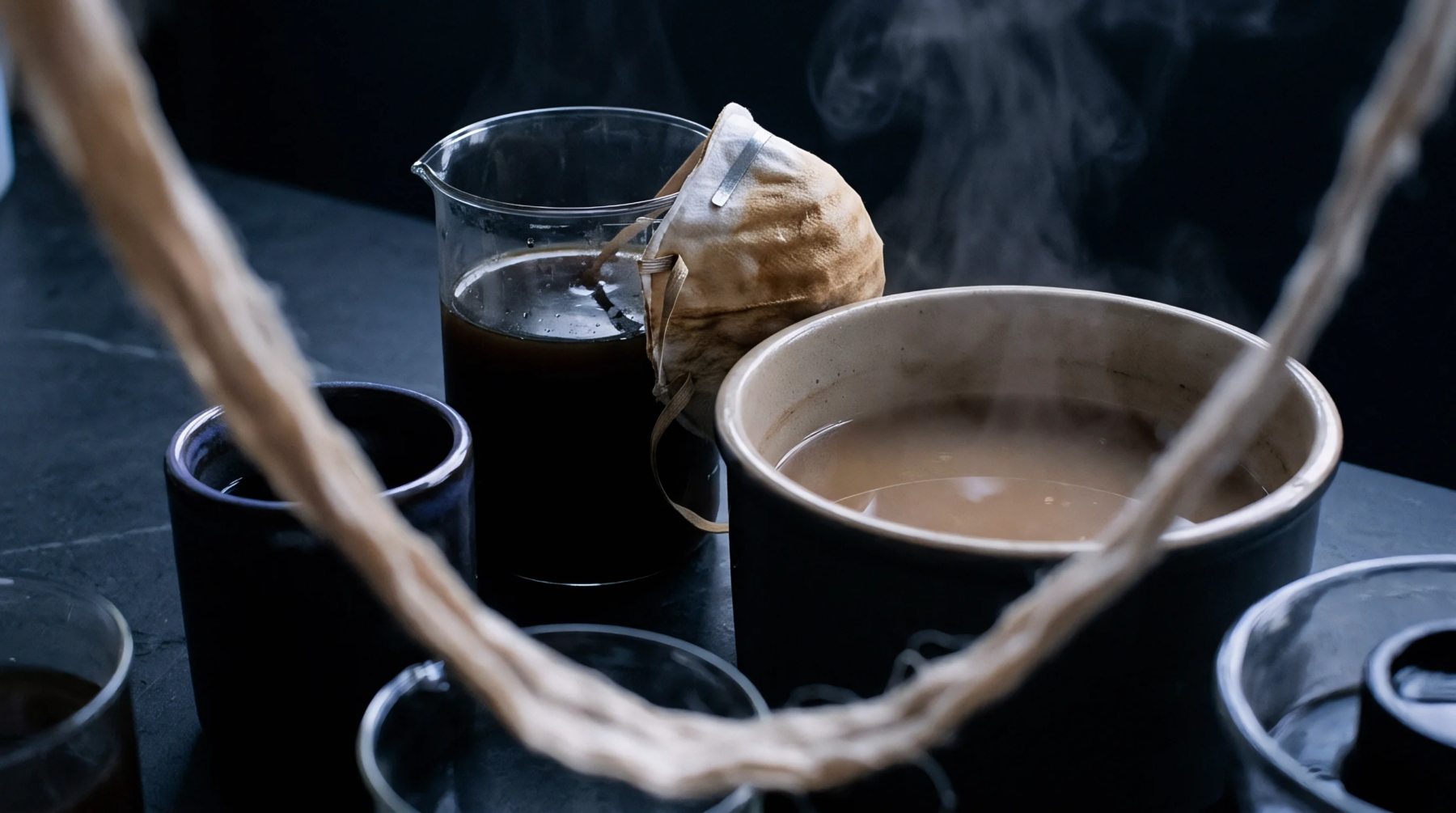
Continuous movement of fabric assembled in a gathered, cord-like bundle through wet processing ranges and jet dyeing machines constitutes the standard method of handling long runs of knitwear and lightweight woven fabrics. Efficient rope transport ensures that the fabric passes through scouring, bleaching, and dyeing stages without tangling or excessive stretching. This process relies on winches, nozzles, and transport tubes to guide the fabric.
Machine Operation
Jet dyeing machines use a high speed liquor jet to propel the fabric rope through the internal tube. During this rope transport, the fabric must remain untangled to prevent knots that would stop the machine and cause uneven dyeing. Modern machines incorporate detwisting devices to ensure smooth fabric flow.
Processing Advantages
Processing fabric in rope form is highly efficient because it uses less water and chemicals than open-width processing. The high surface area contact during rope transport promotes rapid dye uptake and uniform chemical action. This method is the preferred choice for cotton and synthetic blended knits.
Quality Hazards
Incorrect tension or high friction during fabric movement can cause permanent crease marks and surface hairiness. To prevent these defects, operators must monitor the speed of the rope transport and use lubricants in the processing bath. Ensuring that the winch speed is matched to the fabric speed reduces mechanical stress on the fabric.