
Standardized Headspace Extraction Protocol for Quantifying Dimethylformamide in Synthetic Coatings
Static headspace extraction quantifies residual dimethylformamide in synthetic coatings through controlled heating and matrix-matched GC-MS.
Static headspace extraction quantifies residual dimethylformamide in synthetic coatings through controlled heating and matrix-matched GC-MS.

Thermal desorption undercounts bound solvents in coated membranes compared to solvent digestion, creating audit failures when border surveillance applies total matrix solvation.

Verify restricted solvents in coated textiles using GC-MS in SIM mode following EN 17131 ultrasonic extraction to enforce batch-level regulatory compliance.

Residual solvent extraction in polyurethane fabrics demands complete matrix swelling to release trapped dipolar polar solvents for accurate quantitative chromatography.
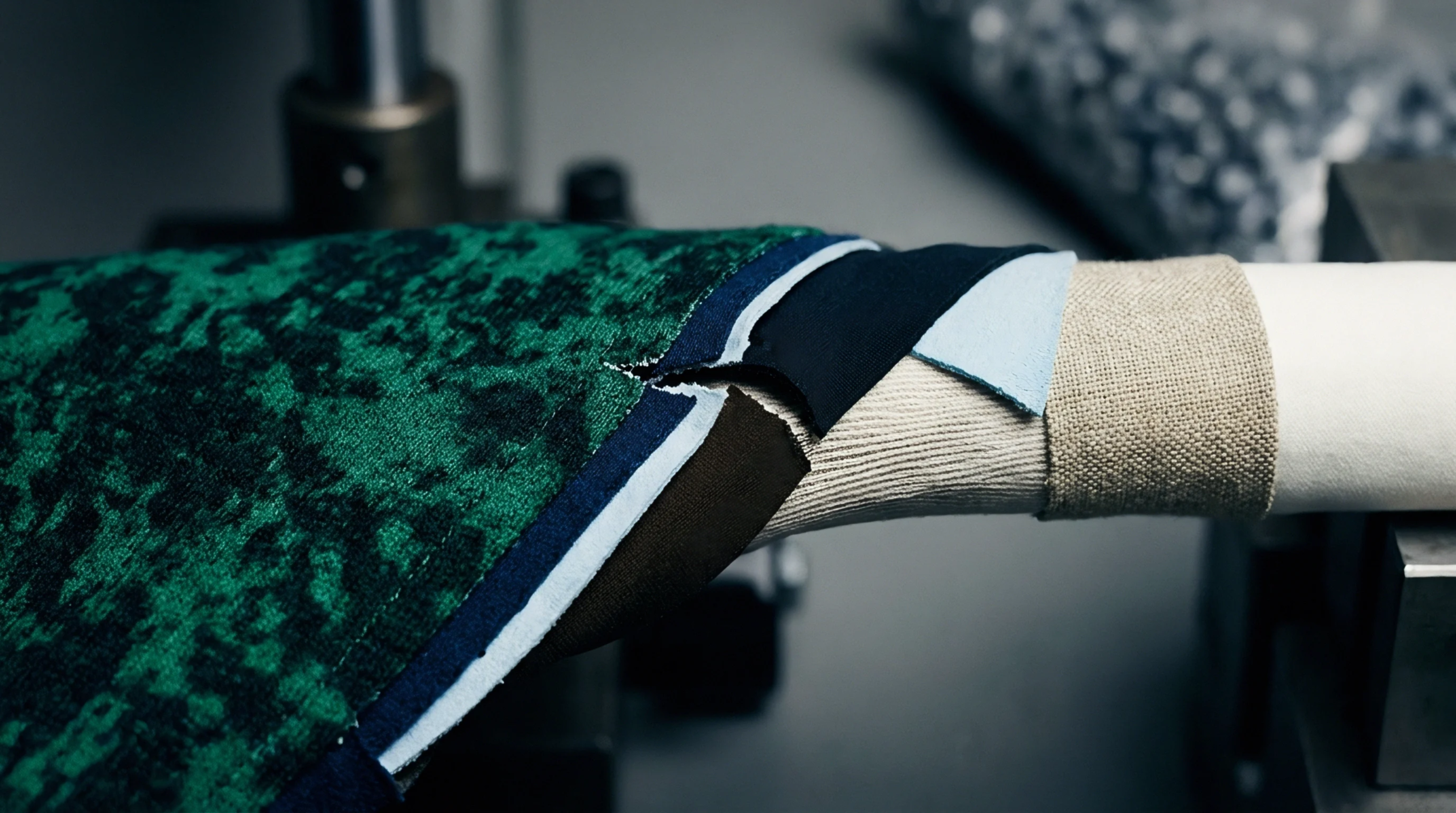
Polyurethane thermal breakdown creates false solvent signals, requiring extraction under 100°C or HRMS mass accuracy to verify REACH compliance.

Verifying residual solvent compliance in coated synthetic fabrics demands EN 17131 liquid extraction GC-MS to measure deeply entrapped coating carrier solvents.

Quantifying residual solvents in coated textiles requires liquid extraction or matrix-matched headspace GC-MS to verify compliance below statutory limits.

Selective solvent extraction quantifies synthetic yarn blend ratios by isolating insoluble fractions to establish clean dry mass and customs tariff classification.

Dense polyurethane solvent testing requires standardized methanol extraction at 70°C to capture latent NMP and DMFa before regulatory market surveillance audits.

Polyurethane membrane compliance requires ultrasonic methanol extraction under EN 17131 to liberate bound polar solvents trapped during wet coagulation.

Inter-laboratory reproducibility limits for elastane extraction in cellulosic blends require a 1.2 percent variance band to resolve lab discrepancies.

Establishing modified ISO 1833 extraction parameters requires acid pre-hydrolysis and calibrated d-values to ensure accurate gravimetric blend analysis.
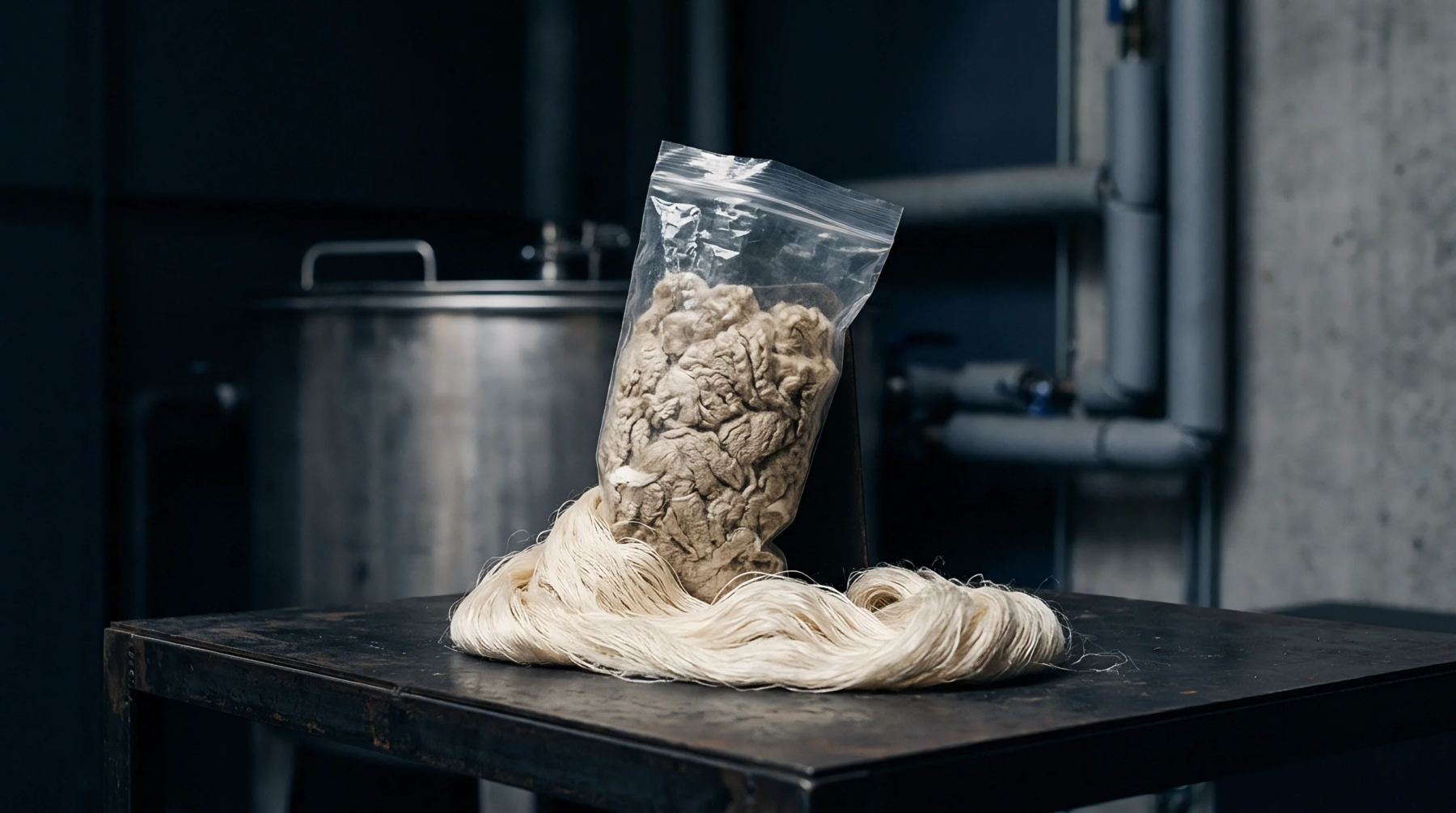
Binary synthetic separation demands selective thermodynamics: Hansen parameter distance, temperature control, and insolubility of the retained phase.

Accurate GC-MS quantitation of dimethylformamide in polyurethane roll goods demands complete polymer swelling in solvent to extract bound residual solvent prior to border testing.
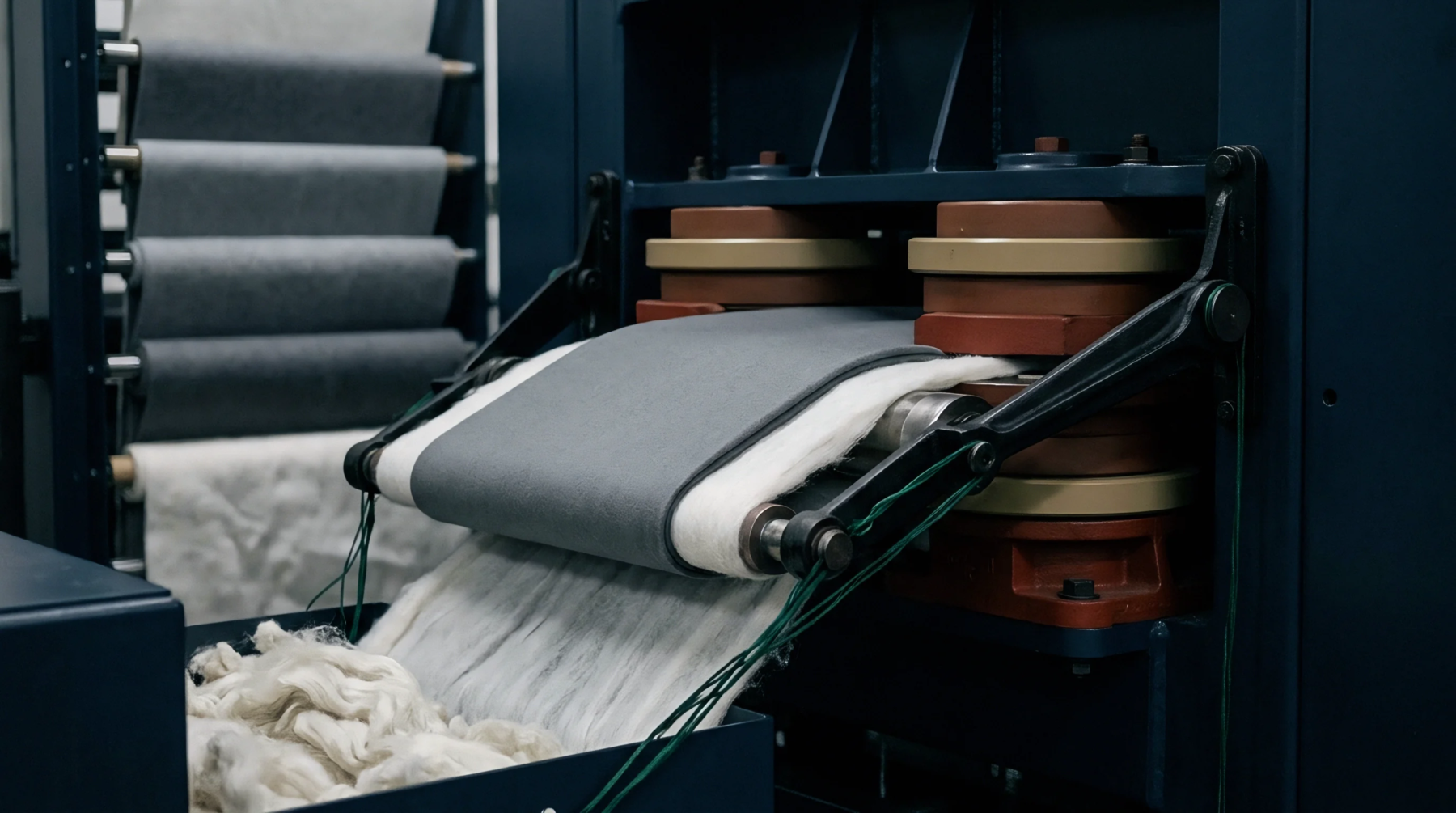
Commercial moisture regain calculations convert oven-dry clean mass into billable weight, preventing buyers from paying fiber prices for absorbed water.

Standard testing for residual solvents uses headspace gas chromatography mass spectrometry to quantify polar aprotic carrier residues below regulatory limits.

Non-reversible surface finishes suppress statutory moisture regain, requiring quantitative solvent extraction before dry mass determination for customs tariff classification.
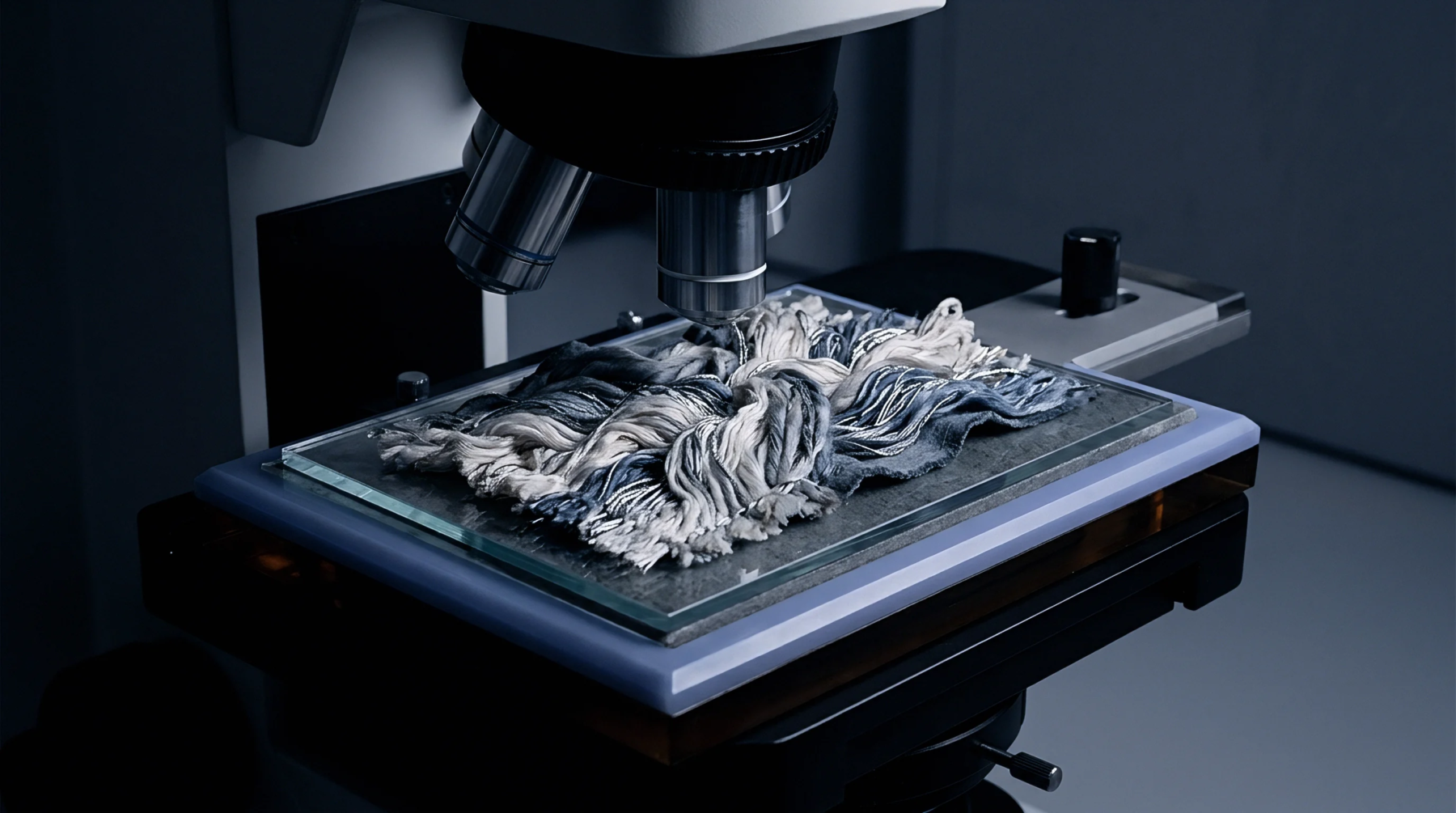
Bayesian headspace gas chromatography quantifies volatile solvent compliance by combining historical batch priors with chromatogram peak variance models.

Hermetic foil containment at the tenter exit coupled with calibrated static headspace gas chromatography prevents false negative solvent compliance results.

Nonparametric Bayesian inversion of depth-resolved micro-profiles pinpoints chemical origin in multilayer laminates, isolating supplier liability.

Thermal desorption gas chromatography screens residual coating solvents to ensure batch compliance with international restricted substance limits.
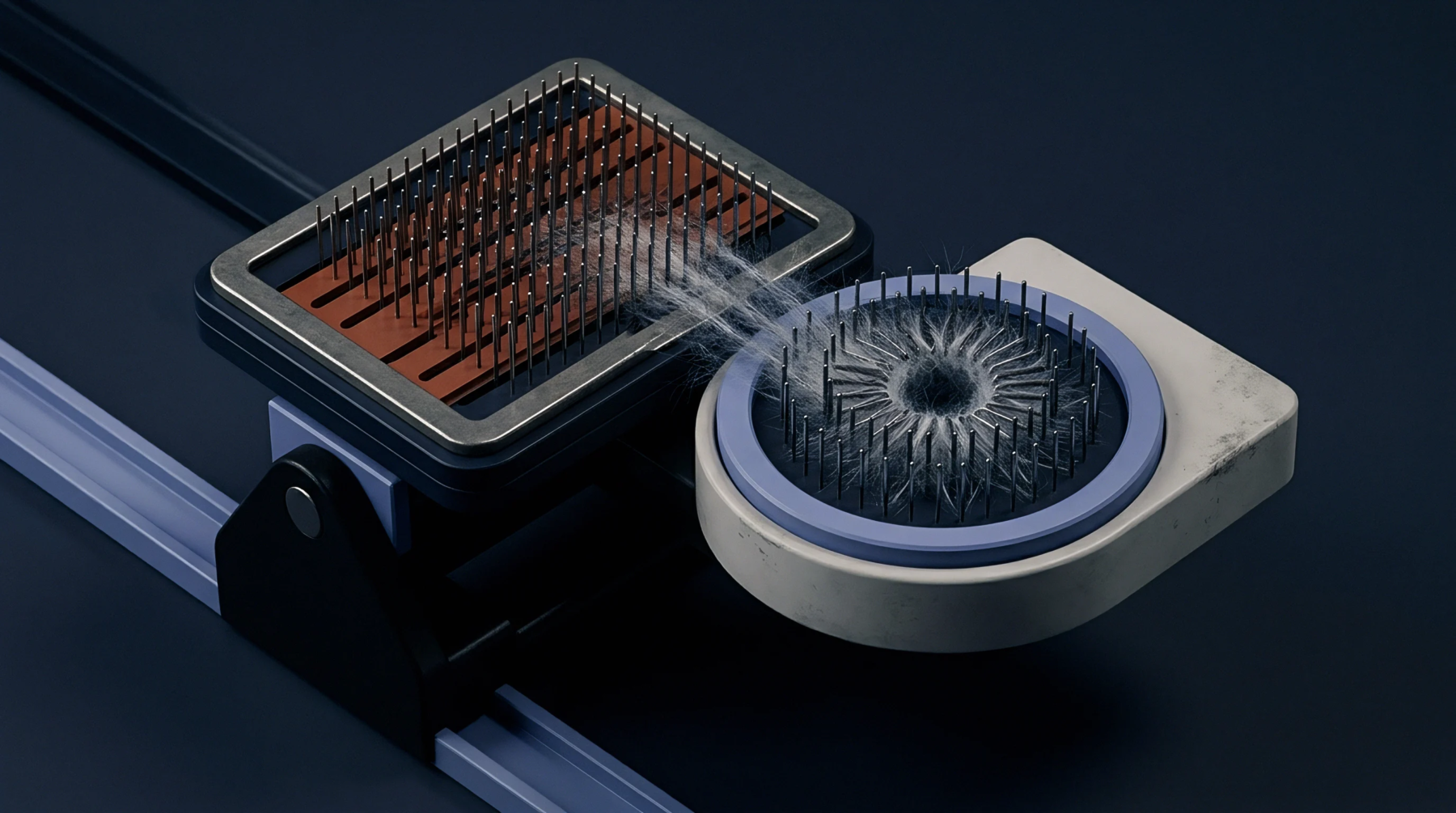
Non-linear thermal degradation in recycled synthetics shifts DTG peaks and solvent resistance, skewing blend ratios unless resolved by peak deconvolution.
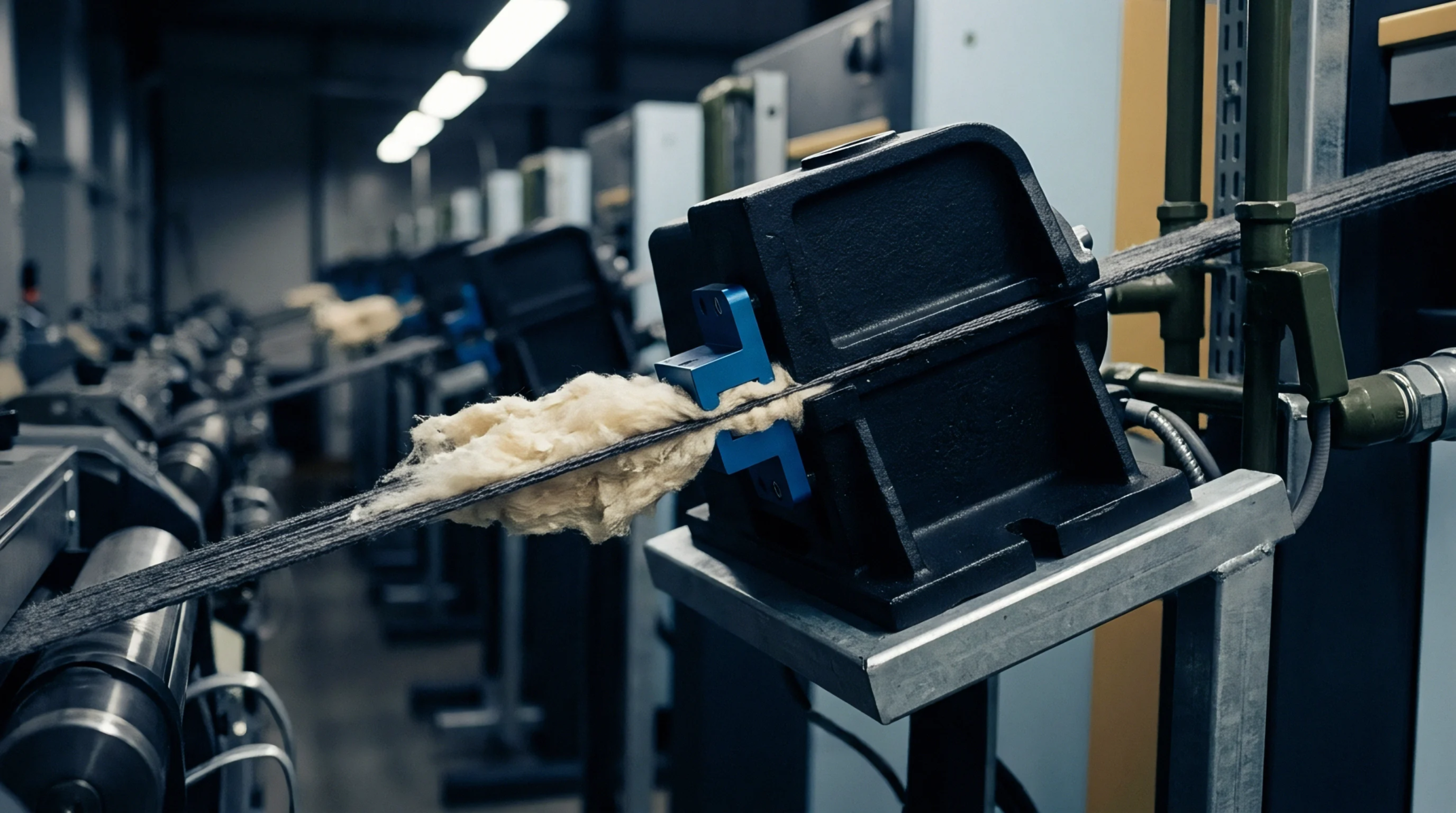
Chemical separation determines blend percentages by gravimetrically weighing insoluble residue after selective dissolution, requiring correction factors and moisture regains to match customs rules.
Cross-border textile retests succeed only when extraction solvents, vessel pressure, and clean-up phases match the precise standard cited in purchase terms.

Quantitative chemical separation dissolves target fibers selectively to yield dry gravimetric residues for precise commercial blend declarations.
Calculate coated broadcloth chemical retest intervals by weighting polymer risk tiers, curing oven stability, and lot volumes against customs detention costs.

Quantitative dissolution isolates fiber components through selective solvent digestion, gravimetric residue measurement, and official moisture regain adjustments.
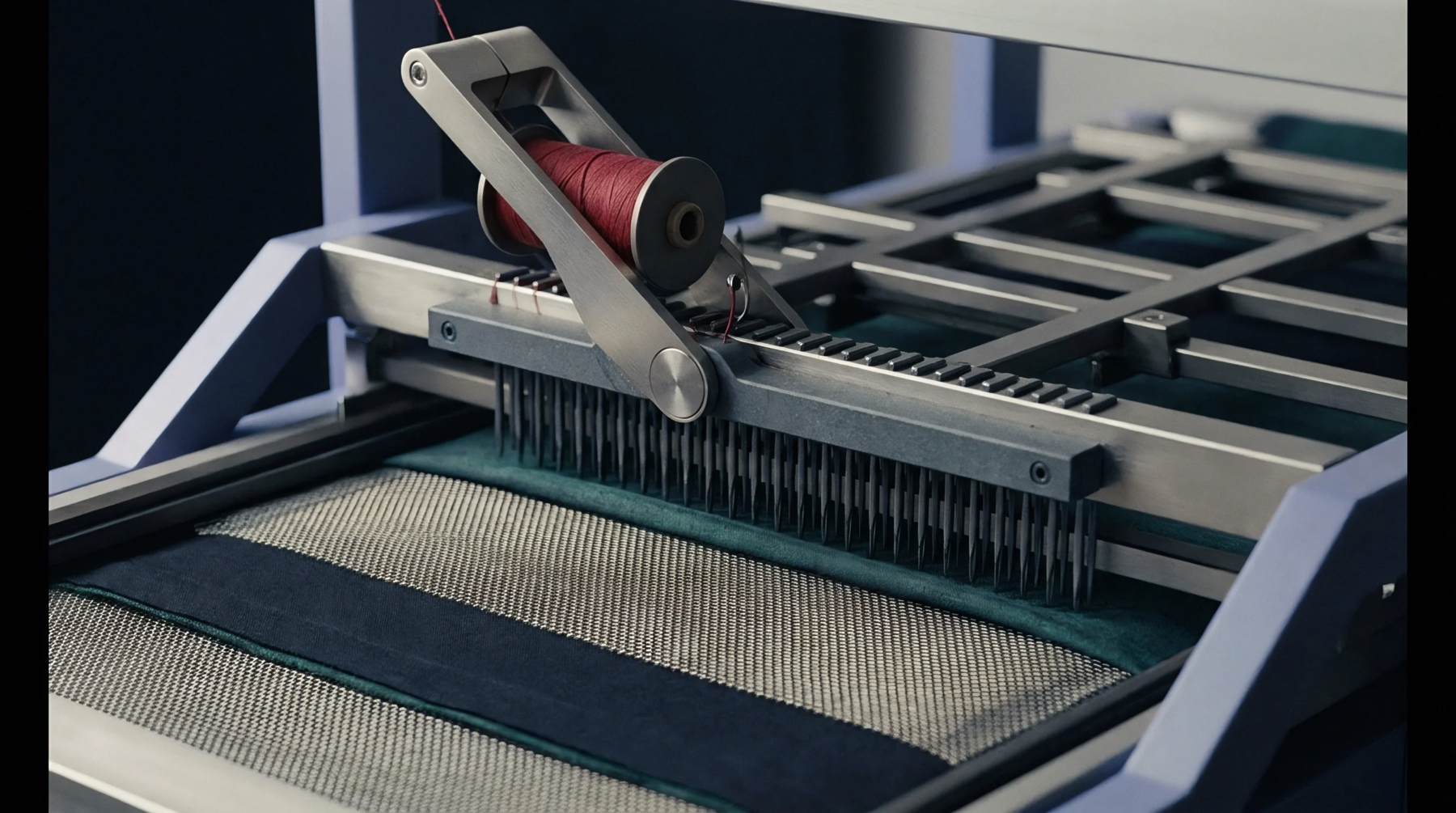
Correct systematic dissolution bias by establishing recycled-specific d-factors and dual-solvent extraction to secure true customs fiber weight classifications.

Quantitative fiber dissolution tolerances demand pairing empirical reagent mass-loss factors with statutory moisture regains to defend customs declarations.
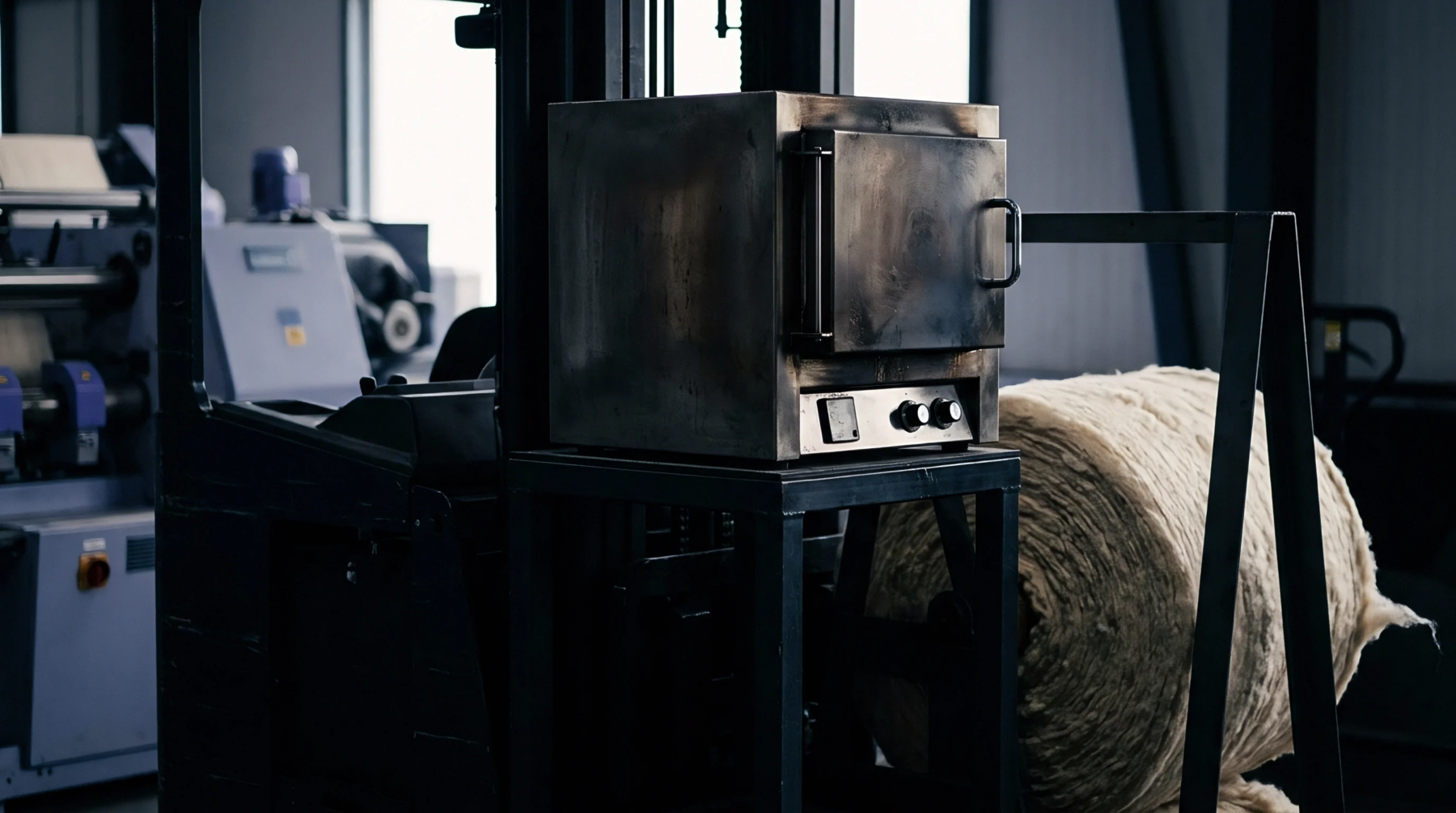
Solvent extraction of heat sensitive cellulosics requires empirical blank testing to correct thermal mass loss and prevent costly customs misclassification.
Expertise is a utility, not a secret. sentiention™ publishes its working knowledge as open reference: intelligence layer covering the materials it sources, the markets it enters, and the reference that serves both.