Integrating Mill Floor Lot Sampling with Headspace Gas Chromatography Verification
Hermetic foil containment at the tenter exit coupled with calibrated static headspace gas chromatography prevents false negative solvent compliance results.
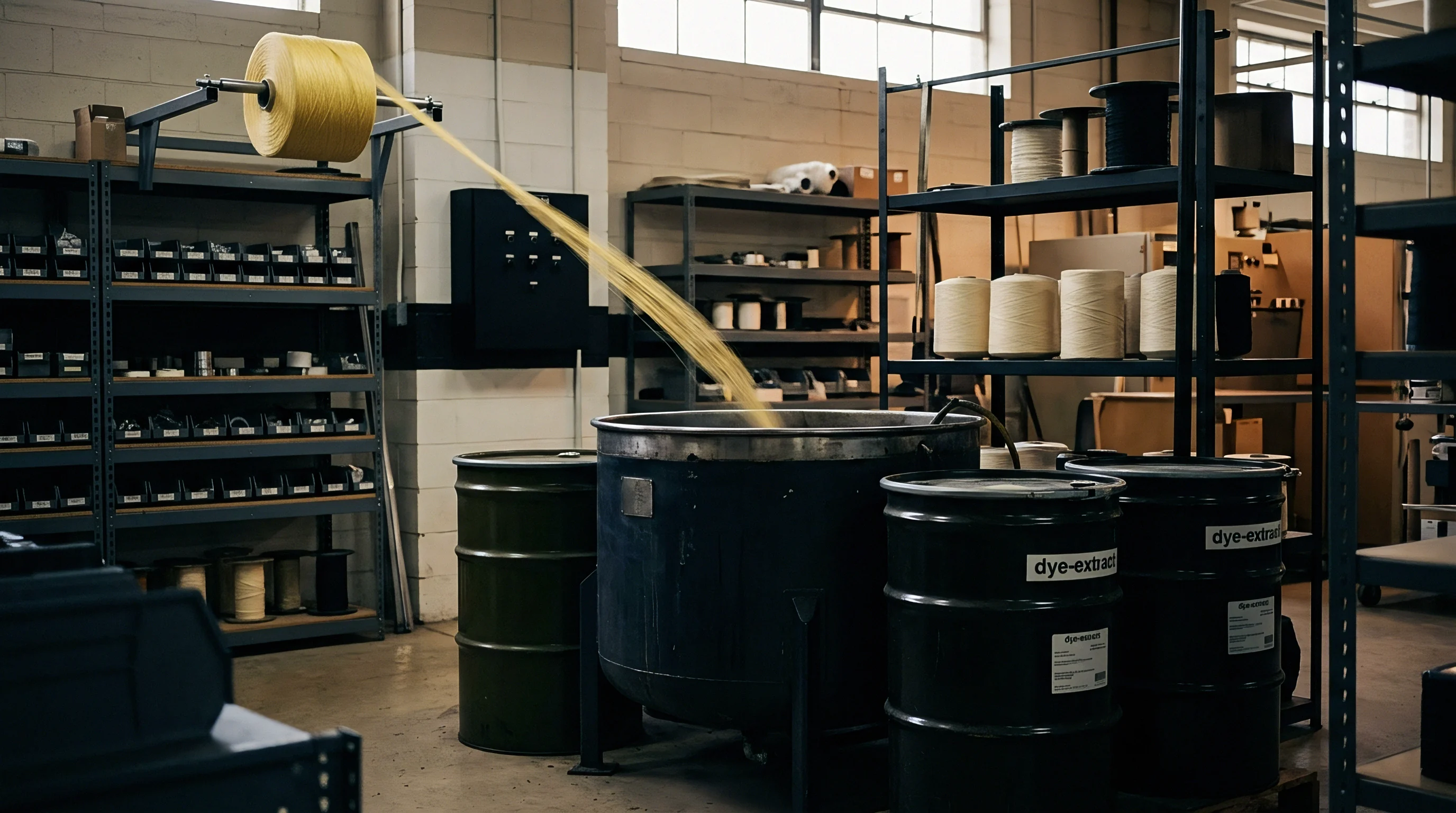
Roll
Analytical accuracy for volatile organic compounds begins at the inspection frame rather than the gas chromatograph injection port. Mill technicians routinely pull swatches from tensionless winding units without considering the rapid loss of low-boiling solvents to ambient plant air. Ambient temperatures between 28 and 36 degrees Celsius across finishing sheds drive off substantial fractions of trapped solvents before laboratory personnel receive the cut material.
A test report displaying compliant residual dimethylformamide levels often reflects poor collection discipline rather than clean chemical application. When an unsealed swatch travels across an open dyehouse floor, the volatile constituents escape continuously. The laboratory tests whatever remnant stayed inside the polymer matrix.
Customs laboratories operate under chilled equilibrium conditions, extracting goods retrieved directly from airtight shipping cartons. The disparity between mill-floor reports and import surveillance determinations originates at this specific physical interface.
Specimen Capture along the Processing Line
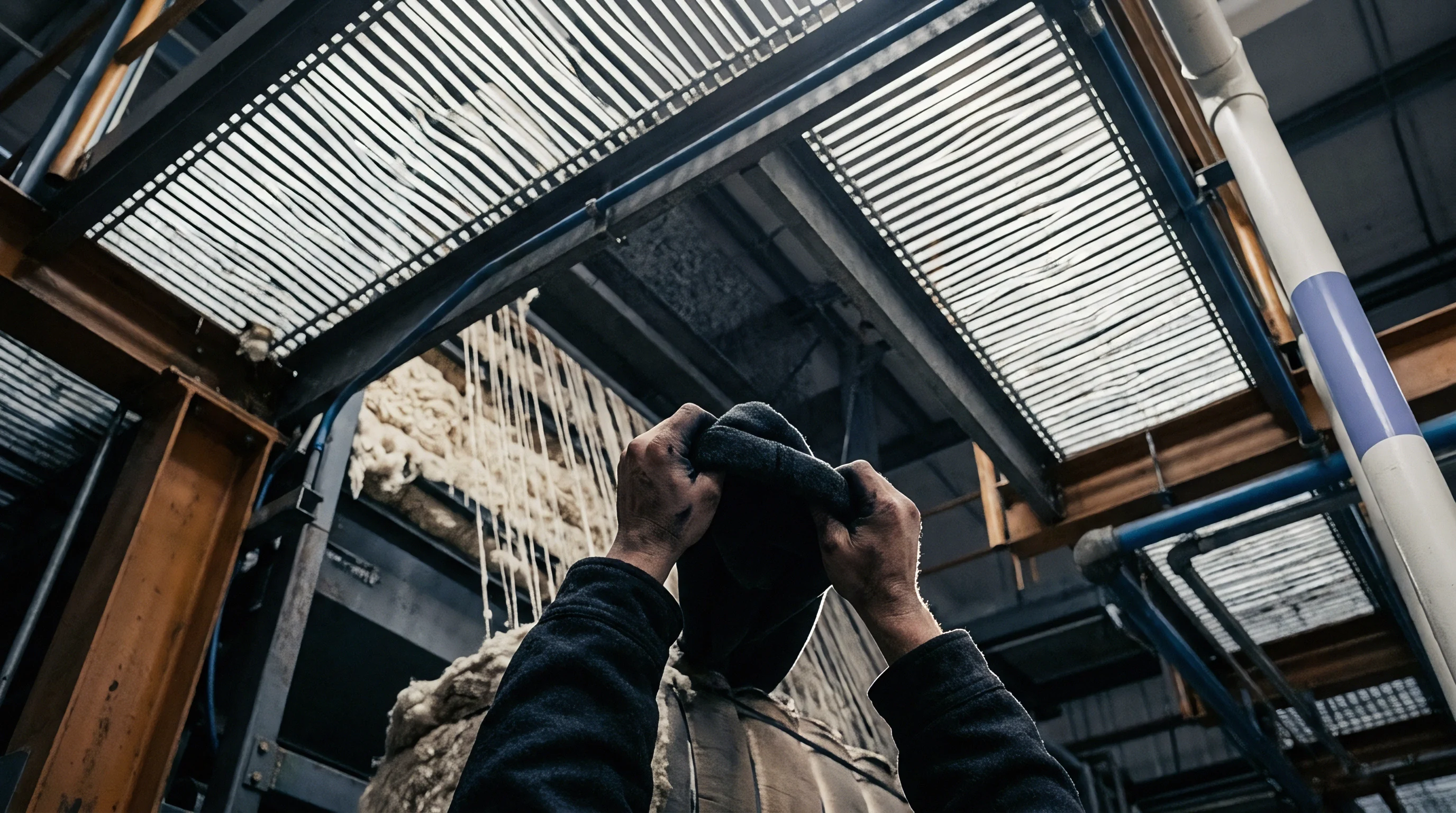
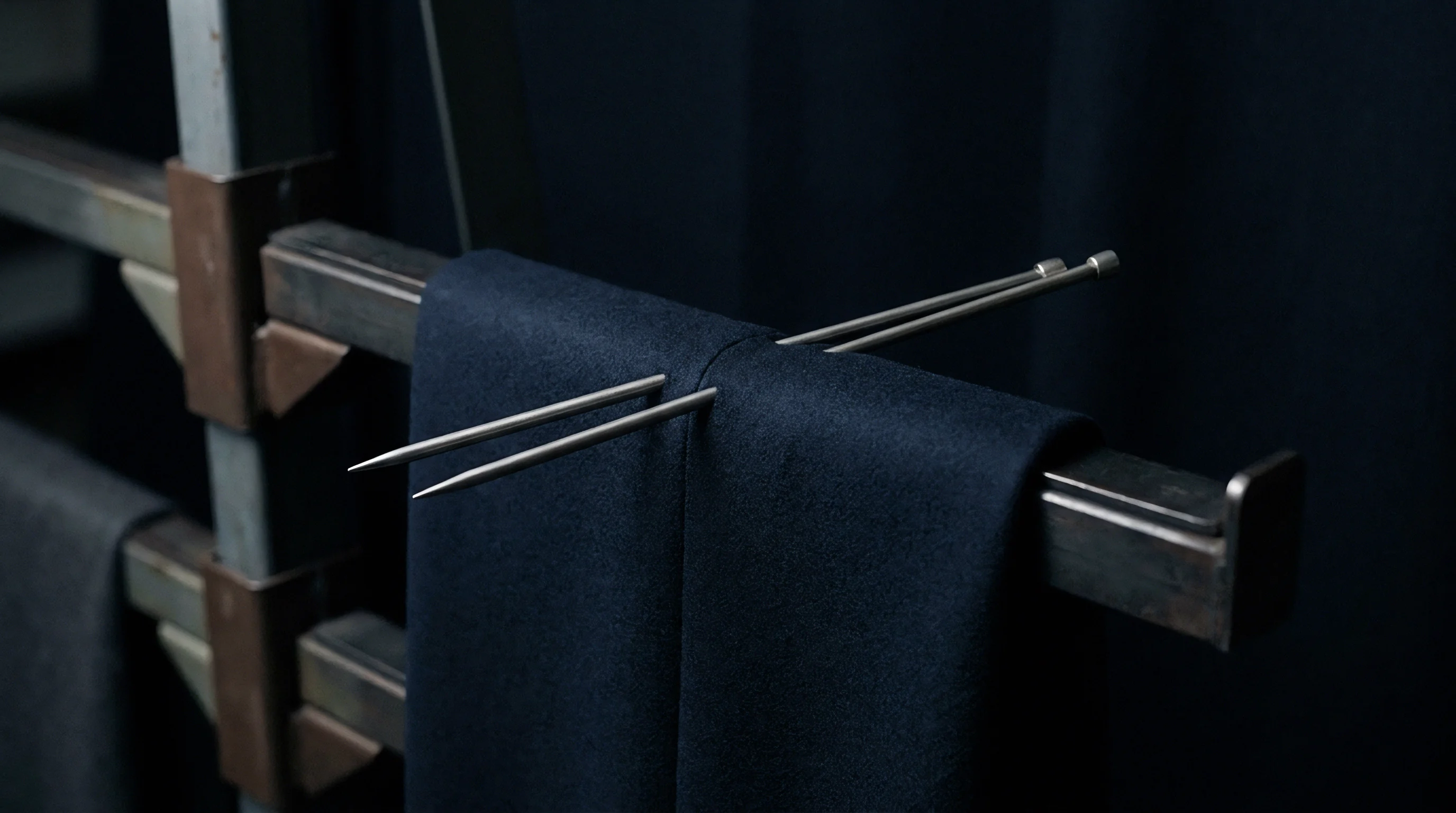
Technicians pull textile swatches across the full usable width immediately after the final cooling zone. Cutting shears must pass through three distinct zones: left selvedge, center line, and right selvedge. Each cut piece measures exactly ten centimeters by ten centimeters to ensure consistent mass-to-edge ratios.
Workers drop each cut piece into a laminated foil barrier pouch within five seconds of cutting. Any delay past fifteen seconds vents twenty to forty percent of low-boiling aromatics into the room. Heat drives solvent evaporation.
Polyurethane direct coatings and synthetic leather lines release dimethylformamide, toluene, and methyl ethyl ketone during polymer coagulation and drying. If line operators draw material exclusively from the trailing five meters of a jumbo package, the resulting data misrepresents the thermal history of the production lot. The initial three hundred meters passing through a cold stenter frame accumulate higher residual carrier concentrations than goods dried midway through a continuous shift.
Sampling schedules account for speed fluctuations, stop marks, and temperature dips across the curing chambers.
Fluoropolymer barrier pouches sealed within five seconds of cutting prevent fifty percent volatilization losses of residual spinning solvents at thirty degrees Celsius.
Moisture content inside the collected swatch alters analyte vaporization during headspace extraction. Wet or humid cloth introduces excess water vapor into the sealed collection pouch, elevating internal pressure and plasticizing hydrophilic polyurethane structures. Field collectors place an inert desiccant capsule outside the direct contact area of the swatch within secondary sleeves, keeping ambient water vapor from shifting subsequent laboratory weights.
Packaging technicians record line speed, chamber temperature setpoints, and ambient humidity on barcoded labels affixed to the barrier pouch exterior.

Containment Geometry and Volatilization Deficit
Storage materials dictate whether volatile chemicals remain inside the sample matrix during transit to the analytical bench. Low-density polyethylene sample bags fail because aromatic hydrocarbons and polar solvents diffuse straight through the olefin wall. Multi-layer laminate packaging composed of polyethylene terephthalate, aluminum foil, and cast polypropylene provides an absolute transmission barrier for organic vapors.
Technicians evacuate excess air with a manual vacuum nozzle prior to thermal impulse sealing. A pouch containing excess air allows analytes to vaporize into the internal void space before lab testing begins.
- Low density polyethylene permeability allows toluene, acetone, and volatile amines to migrate across the polyolefin film within two hours of sampling.
- Thermal impulse heating irregularities produce weak perimeter seams that rupture under shipping pressure variations during air courier transfer.
- Excessive internal headspace volume permits volatile organic analytes to equilibrate into pouch air and vent outward during laboratory bag puncture.
- Inadequate thermal insulation exposes bagged swatches to direct sunlight on loading docks, accelerating desorption through microscopic barrier pinholes.
Chilling collected pouches arrests volatile losses while samples await physical testing. Field logistics procedures move sealed foil envelopes into insulated cold boxes held between two and six degrees Celsius within ten minutes of collection. Cold transport preserves volatile fractions.
Holding specimens at elevated ambient temperatures shifts volatile organic distribution toward irrecoverable headspace losses during initial unbagging. Once a specimen envelope warms inside an inspection office, opening that envelope releases the most toxic fractions directly into the room. Analytical accuracy demands immediate thermal stabilization.
A swatch kept below six degrees Celsius retains its volatile distribution until the lab cuts the final analytical specimen.

Vial
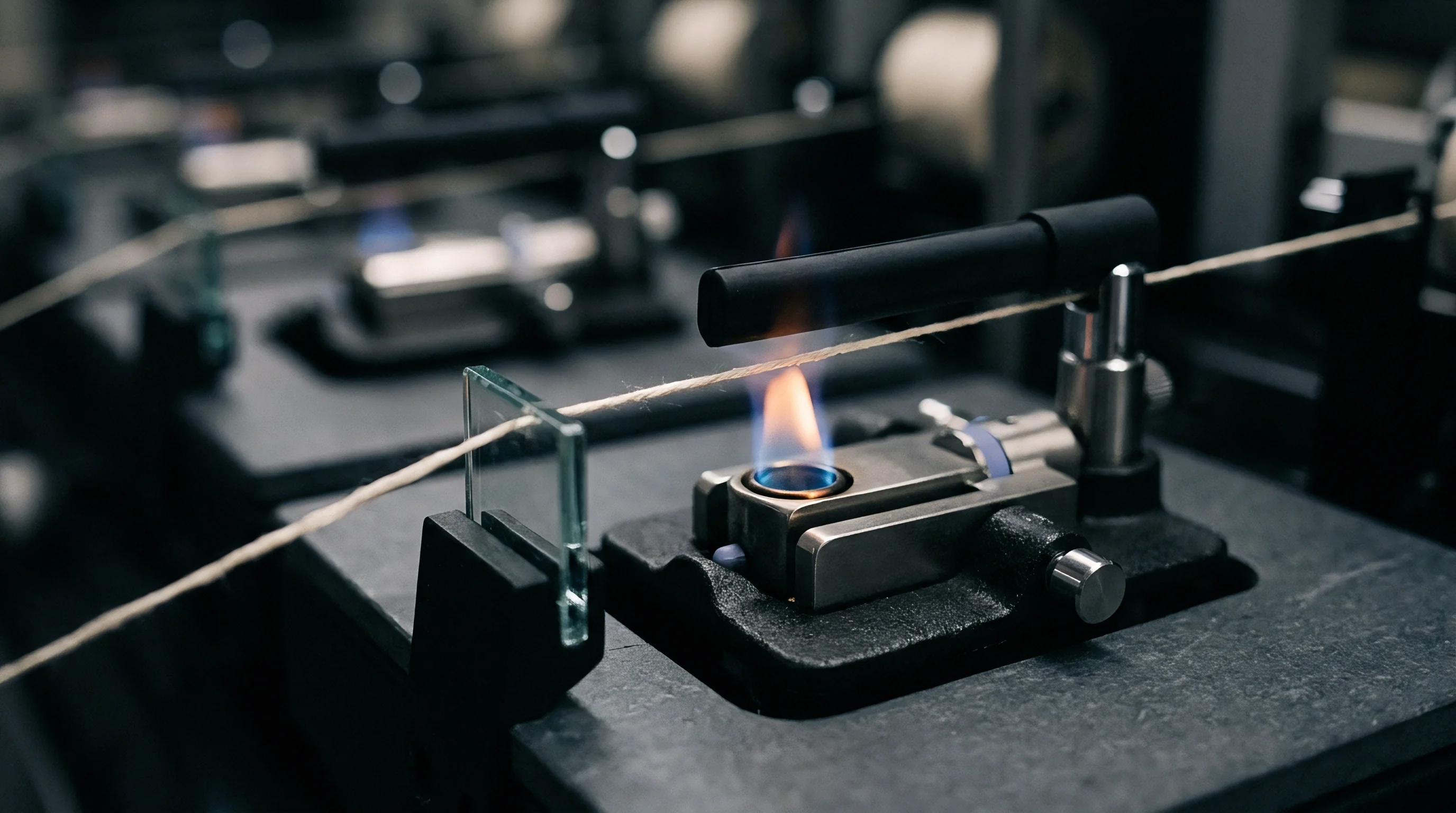
Preparation of the analytical specimen requires micro-scale precision to establish equilibrium inside the extraction vessel. Analysts slice the conditioned textile into uniform squares measuring five millimeters on each side, avoiding fraying and fiber shedding that skew sample mass. A calibrated four-decimal analytical balance captures precisely 1.0000 gram of cut material, transferring the fibers into a twenty-milliliter borosilicate glass container within twenty seconds.
Minimizing atmospheric exposure during cutting halts volatile compound loss. The glass vessel must withstand three bar of internal pressure generated during thermal incubation without leaking vapor through the neck closure.
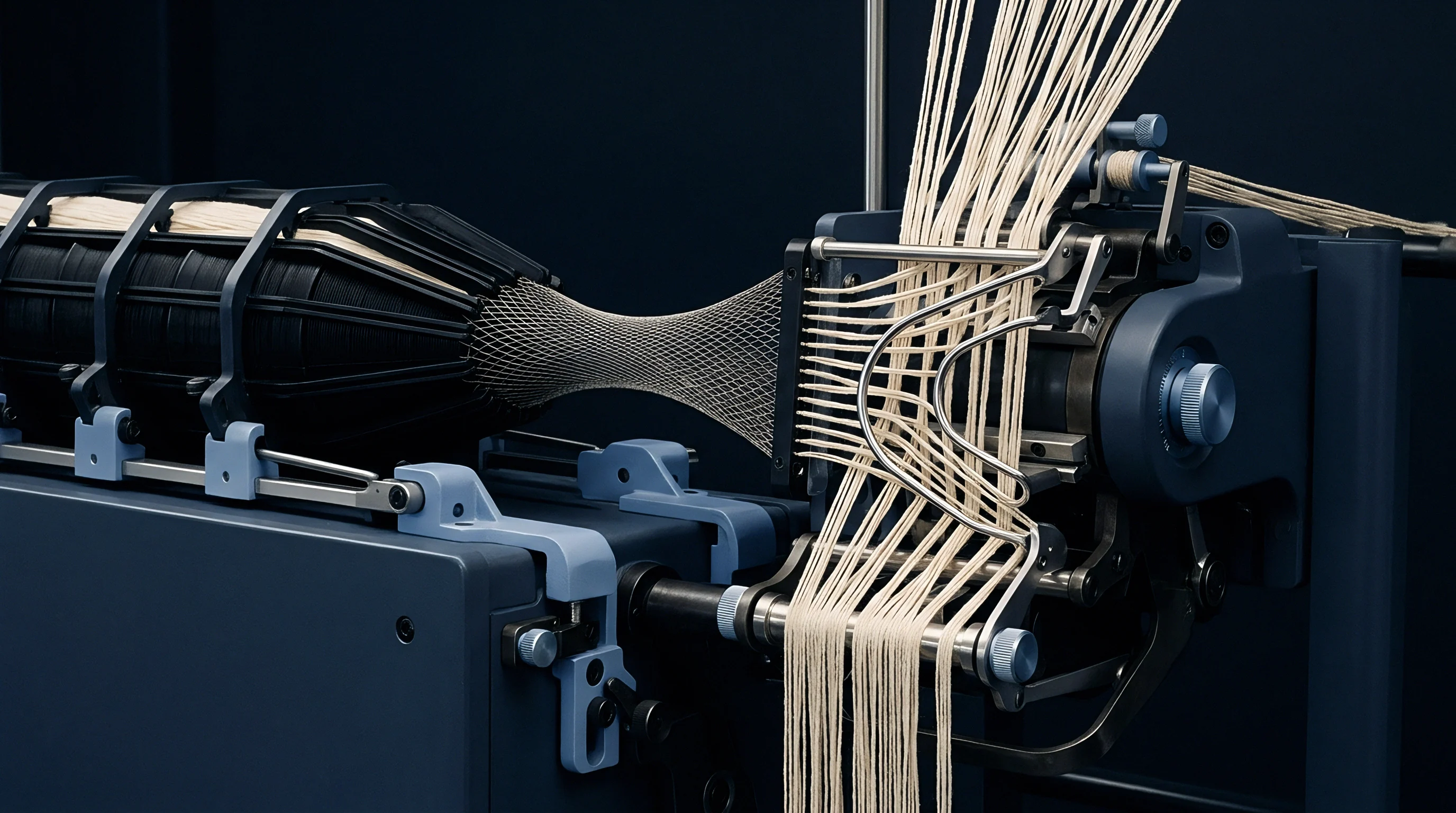
Hermetic Sealing and Septum Selection Standards
Crimp closures with polytetrafluoroethylene-faced silicone liners secure the container against volatile leakage during oven heating. The polytetrafluoroethylene layer faces inward toward the sample chamber, resisting chemical degradation from concentrated dimethylformamide and toluene vapors. Analysts set pneumatic crimpers to apply twenty-eight inch-pounds of torque, flattening the aluminum skirt uniformly under the container lip.
Loose crimping allows carrier solvents to bypass the liner once internal pressure climbs above ambient levels. Over-crimping cuts the silicone core against the sharp glass rim, creating micro-fissures that bleed vapor into the autosampler carousel.
Septum bleed presents an analytical interference when assessing trace solvent concentrations against tight restricted substance thresholds. Low-grade silicone septa release cyclic siloxanes, specifically hexamethylcyclotrisiloxane and octamethylcyclotetrasiloxane, at temperatures exceeding one hundred twenty degrees Celsius. These siloxane fragments co-elute with target textile finishes, obscuring residual monomers on chromatographic integration baselines.
Labs specify high-temperature, ultra-pure septa conditioned by pre-baking at one hundred forty degrees Celsius under vacuum to eliminate extraneous siloxane artifacts before sample introduction.
Under-crimped closures venting twenty percent of vessel vapor pressure during oven incubation produce false negative compliance findings.
High-density matrices such as coated synthetic leathers or dense woven twills resist vapor release unless thermodynamic conditions break solute-polymer interactions. Analysts match incubation parameters to the thermal transition characteristics of the underlying fiber and coating chemistry. Polyester and polyamide base cloths tolerate higher desorption heat, whereas polyurethane films degrade when exposed to prolonged thermal stress.
Incubation times balance full vaporization against thermal breakdown that could generate false volatile signatures.
| Substrate Chemistry | Target Solvents | Vial Volume | Equilibration Temp | Incubation Time | Vapor Phase Ratio |
|---|---|---|---|---|---|
| Polyurethane synthetic leather | DMFa, DMAc, Toluene | 20 mL | 120 °C | 45 min | 0.82 |
| Direct-coated polyester woven | Toluene, MEK, Cyclohexanone | 20 mL | 110 °C | 40 min | 0.85 |
| Spandex polyurethane knit | DMAc, NMP | 20 mL | 130 °C | 50 min | 0.88 |
| Pigment printed cotton twill | Formaldehyde, Monomers | 20 mL | 90 °C | 30 min | 0.80 |

Equilibrium Thermodynamics in Static Extraction
Analyte distribution between the solid textile matrix and the overlying gas phase follows a partition coefficient defined by the ratio of compound concentration in the specimen to concentration in the vapor. Polar solvents such as N-methyl-2-pyrrolidone and dimethylformamide exhibit high affinity for polar polyurethane backbones, yielding large partition coefficients that suppress vapor release. Adding an inert matrix modifying agent or raising the vessel temperature lowers this coefficient, driving volatile molecules out of the solid matrix into the gas phase.
If temperature setpoints deviate by two degrees Celsius across the incubation block, calculated concentrations fluctuate by twelve to eighteen percent.
Moisture alters analyte partitioning. Dry textiles absorb polar solvents differently than materials conditioned at sixty-five percent relative humidity per standard textile testing atmospheres. Water molecules occupy polar binding sites on cellulosic and polyamide chains, displacing volatile organics into the vapor space and artificially elevating chromatographic peak areas.
Laboratories run comparative moisture checks on parallel specimens, applying mathematical normalizations to convert detected volatile mass into dry-weight concentrations demanded by restricted substance lists.
- Matrix balance equilibration establishes the baseline mass of one gram of textile material inside the inert glass chamber.
- Automated pneumatic crimping compresses the barrier liner against the glass finish to guarantee hermetic containment under internal thermal expansion.
- Incubation agitation accelerates molecular migration out of the polymer layer into the confined vapor volume through controlled mechanical shaking.
- Transfer needle insertion punctures the liner without dislodging silicone particles that foul the heated sample transfer pathway.
- Aspirated loop pressurization balances carrier gas pressures to prevent volume fractionation during gas delivery to the chromatographic column.
The finishing supervisor claimed the dryer temperatures eliminated all solvent residues before winding.
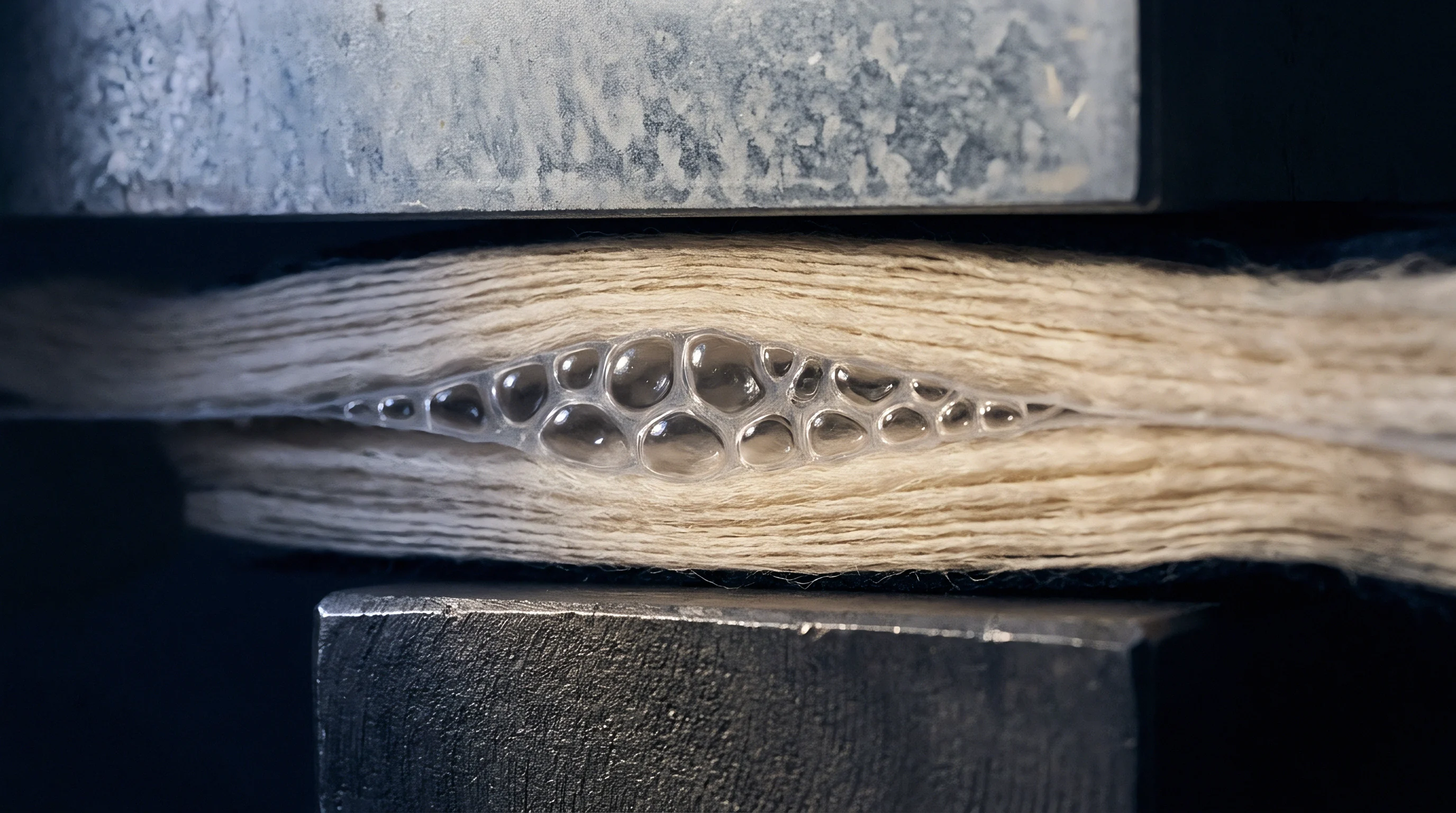
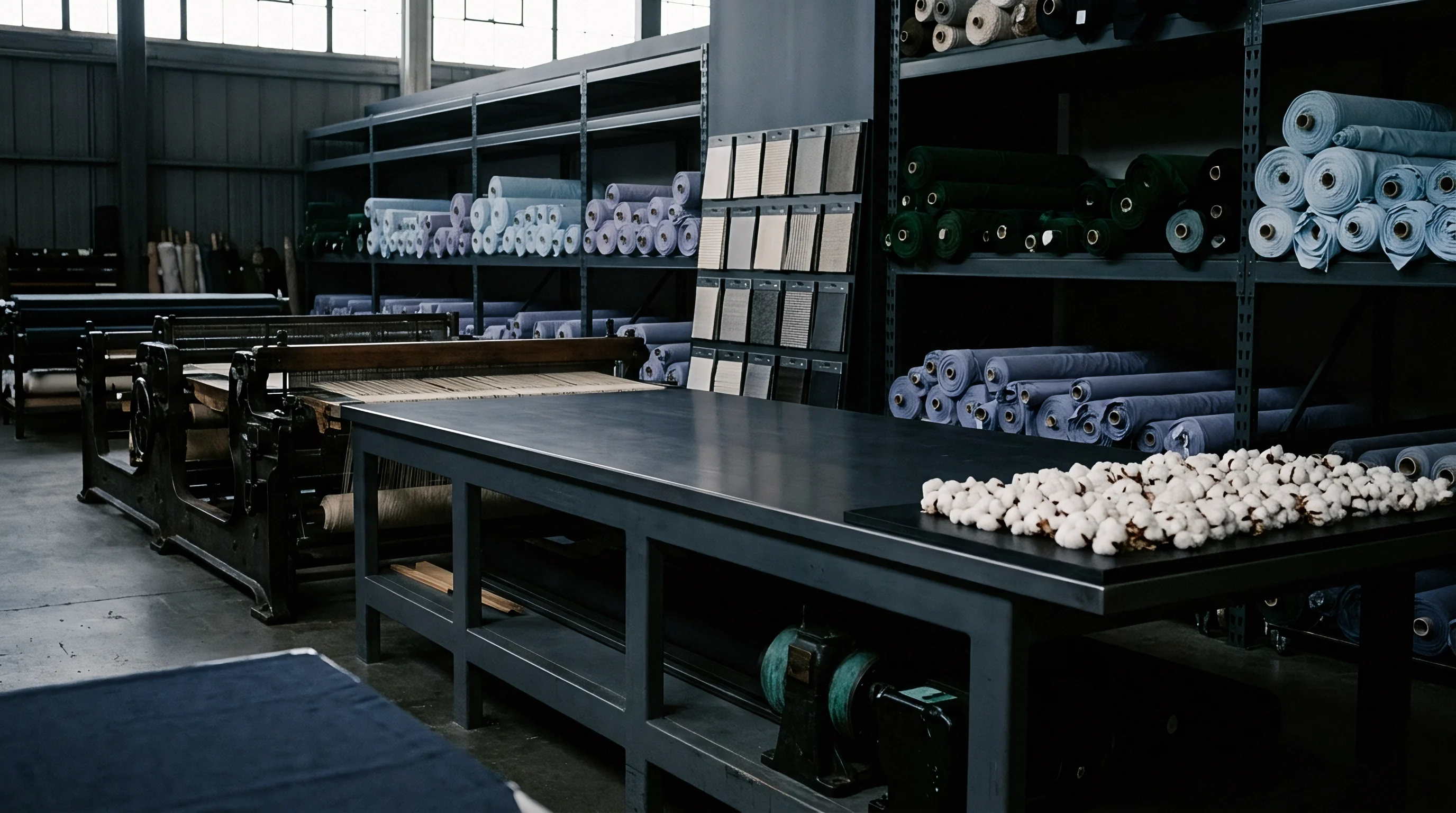
Detection
Gas chromatographic separation isolates individual volatile substances through differential partitioning between a moving carrier stream and an immobilized capillary liquid phase. High-purity helium or hydrogen carries the injected vapor plug through an inlet maintained at one hundred eighty degrees Celsius to prevent premature condensation of high-boiling solvents like N-methyl-2-pyrrolidone. A split ratio of ten to one prevents column overload when measuring processing solvents present at several hundred milligrams per kilogram.
Splitless configurations remain reserved for trace impurity identification where detection thresholds drop below five tenths of a milligram per kilogram.
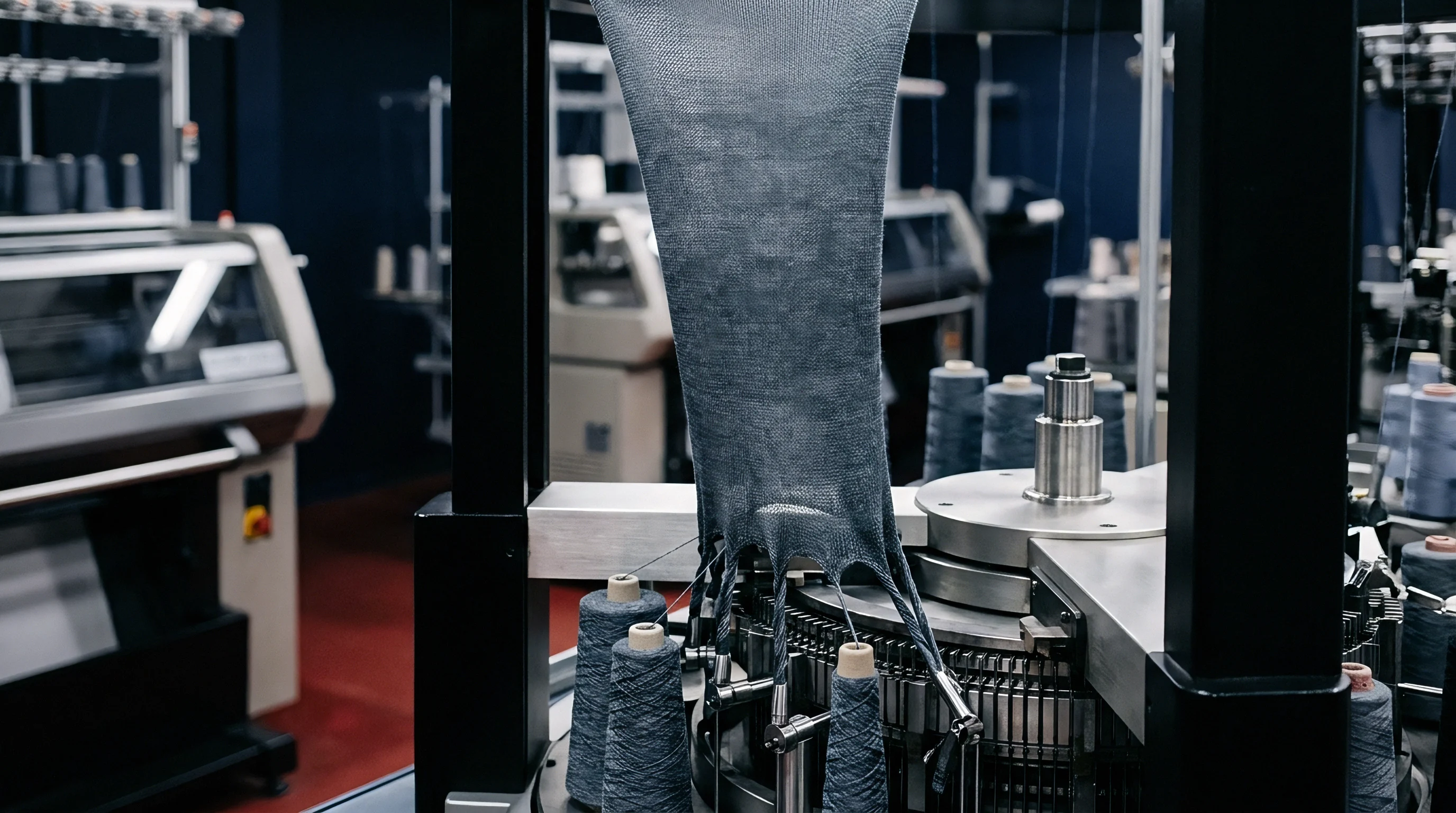
Column Phase Separation and Carrier Gas Velocity
Polar compounds require specialized capillary coatings to resolve clean analytical peaks without severe tailing. Intermediate-polarity columns containing six percent cyanopropylphenyl and ninety-four percent dimethylpolysiloxane separate benzene, toluene, ethylbenzene, and xylene isomers cleanly. Polar polyethylene glycol phases resolve formamides, acetamides, and glycols that stick irreversibly to non-polar siloxane stationary phases.
Column dimensions of thirty meters in length, 0.25 millimeters internal diameter, and 0.25 micrometers film thickness achieve baseline resolution for thirteen target solvents within a twenty-two minute thermal gradient run.
Carrier linear velocity influences peak broadening and total resolution. Operating helium at a constant linear velocity of thirty-two centimeters per second maintains optimal chromatographic efficiency across oven temperature ramps from forty-five to two hundred twenty degrees Celsius. Hydrogen carrier gas allows higher linear velocities up to forty-five centimeters per second, reducing instrument run times without sacrificing analyte separation.
Split flow stabilizes peak shape.
Flame ionization detection quantifies total hydrocarbons reliably while mass spectrometry provides unambiguous structural identification of co-eluting finishes.
Mass spectrometers operating in positive electron ionization mode at seventy electron volts generate predictable fragmentation patterns for unknown volatile components. Analysts monitor specific target ions alongside secondary qualifier fragments to verify chemical identity in complex textile finish extracts. Dimethylformamide displays a characteristic base peak at mass-to-charge ratio seventy-three alongside a molecular ion at seventy-three and fragment at forty-four.
Co-eluting finishes like silicones or fluorochemical soil release agents generate overlapping hydrocarbon fragments, necessitating selected ion monitoring to isolate target solvent masses from the underlying background noise.
Calibration Verification and Internal Standard Recovery
Quantitation relies on internal standard methods to compensate for slight injection volume variations and instrument drift. Analysts spike deuterated standards, such as dimethylformamide-d7 or toluene-d8, directly into the matrix prior to vessel crimping. The chemical similarity between native analytes and their deuterated analogues balances extraction differences across the heating cycle.
Calculating the relative response factor between the target compound and its internal standard neutralizes systemic variations stemming from transfer line pressure fluctuations or detector sensitivity loss.
Standard curves span five concentration points covering one milligram per kilogram to five hundred milligrams per kilogram, bounding the commercial acceptance thresholds imposed by brands. Calibration lines must yield determination coefficients of 0.998 or higher before technicians evaluate production lots. Running matrix blanks alongside calibration sets identifies laboratory background contamination originating from ambient room air, cleaning agents, or contaminated syringe plungers.
Blank runs isolate carrier contamination. When a blank run displays trace dimethylformamide, the analyst halts batch evaluation to trace solvent vapors back to cleaning stations near the instrument bench.
A sequence of twenty production runs requires a continuing calibration verification standard every ten injections. A drift exceeding ten percent triggers recalibration of the gas chromatograph and re-injection of the preceding lot block.


Variance
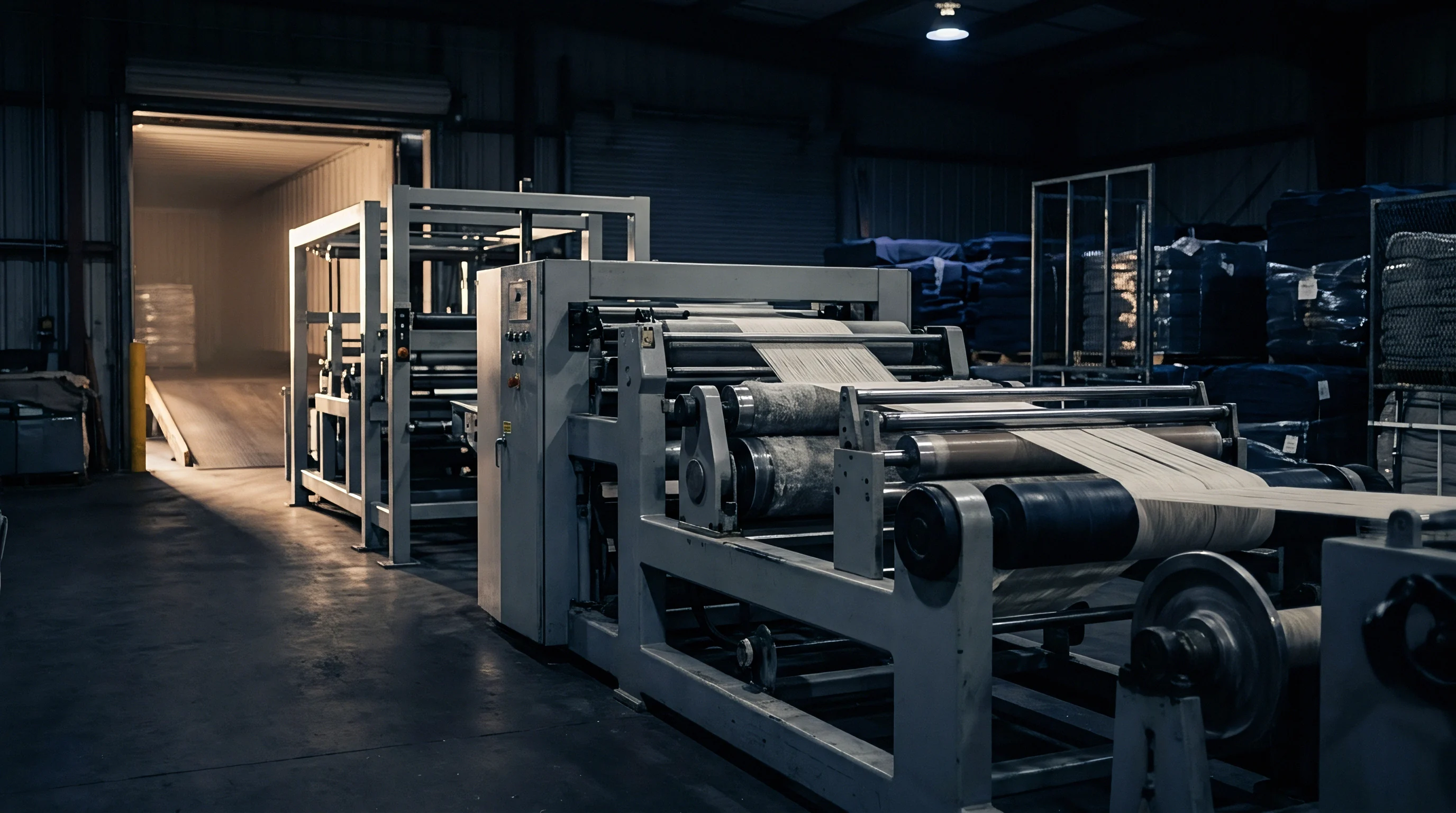
Thermal gradients across commercial stenter frames create non-uniform solvent removal profiles across the textile web. The center of a wide tenter frame frequently runs five to twelve degrees cooler than the edges where air circulation nozzles deliver hot air directly. Goods passing through the center retain significantly higher levels of volatile carriers.
An edge swatch analyzed in isolation yields an artificially favorable reading, while goods two meters inward violate restricted substance boundaries. Cross-web sampling schedules prevent selective sampling that misrepresents the real chemical profile of finished piece goods.

Cross Web Dispersion and Stenter Heat Imbalance
Air velocity variations between the upper and lower air nozzle banks generate vertical drying differentials across coated textiles. If the top nozzle bank operates at higher static pressure than the bottom bank, a skinning effect seals the upper polyurethane surface before deep solvents flash off. Trapped carrier liquids migrate downward into the knit backing, where they linger as residual deposits.
Testing only the coated face or slicing backing threads away separates these trapped pockets, leading to irreconcilable data sets between commercial partners. Edge specimens show accelerated drying.
Uneven air knife pressure creates gradients. In blade-over-roller coating operations, slight mechanical deflection across a three-meter blade bar causes coating thickness deviations of five to eight micrometers. A thicker coating layer retains carrier solvents exponentially longer during convective heating.
When technicians sample only from thin-coated sections, laboratory determinations report compliant chemistry, ignoring the thick-coated zones that fail regulatory surveillance at the port.
A twelve-degree temperature drop across the center of a tenter frame increases residual dimethylformamide concentrations by three hundred percent.
Lot sizes in continuous textile operations frequently reach ten thousand meters across multiple production rolls. Establishing statistical confidence in chemical compliance requires structured lot selection rather than random picking. Variables sampling plans assess standard deviation against specification limits, calculating whether the chemical distribution curve crosses regulatory thresholds.
Attribute sampling simply counts conforming or non-conforming swatches, requiring significantly larger specimen counts to achieve identical statistical power.
| Lot Size (Linear Meters) | Attribute Sample Size (Rolls) | Attribute Acceptance Limit | Variables Sample Size (Rolls) | Variables Acceptability Constant (k) | Consumer Risk (Beta) |
|---|---|---|---|---|---|
| 1,001 to 3,200 | 13 | 0 defects | 5 | 1.82 | 10 % |
| 3,201 to 10,000 | 20 | 0 defects | 7 | 1.93 | 8 % |
| 10,001 to 35,000 | 32 | 1 defect | 10 | 2.07 | 5 % |
| 35,001 to 150,000 | 50 | 1 defect | 15 | 2.24 | 3 % |
| Calculations assume General Inspection Level II, Single Sampling, Normal Inspection, with an Acceptable Quality Limit of 0.65 percent non-conformance. | |||||

Acceptance Sampling Mechanics for Chemical Homogeneity
Implementing an acceptance plan demands strict adherence to random roll selection tables. Technicians identify parent rolls by serial number, extracting cross-width swatches only after peeling back two full outer wraps to eliminate handling contamination. The collected swatches undergo immediate subsampling, generating composite test specimens that reflect average roll values alongside edge-to-center gradients.
When within-roll variance exceeds thirty percent of the brand specification limit, the lot must undergo quarantine for drying profiling.
- Lot homogenization checks evaluate whether blending resins from different chemical synthesis batches introduced variable solvent fractions into the dipping trough.
- Exhaust air damper calibration confirms that individual stenter chambers maintain negative pressure, preventing solvent vapors from re-condensing on cooled cloth.
- Batch temperature logging tracks heat fluctuations across shifts, pinpointing cold-start rolls that carry elevated volatile organic burdens.
- Composite sample dilution errors occur when combining clean edge swatches with contaminated center swatches, hiding critical localized non-compliance.
Consider a practical mill scenario: a plant processes a 40,000-meter lot of coated synthetic material across three eight-hour shifts. The brand restricts residual dimethylformamide to five hundred milligrams per kilogram under standard specifications. The laboratory pulls ten random rolls across the production run per a variables sampling plan.
Testing returns a mean concentration of 380 milligrams per kilogram, with a standard deviation of 75 milligrams per kilogram. The upper specification limit minus the sample mean, divided by the standard deviation, yields a quality index of 1.60. For a sample size of ten, the acceptability constant requires an index of 2.07.
Although the average value falls well below five hundred, the wide variance forces lot rejection because the statistical probability of individual rolls exceeding regulatory limits sits near five percent. False negative results create customs exposure.
How much drying energy can a finishing line add before physical fabric embrittlement occurs?

Settlement
Commercial contracts link analytical chemistry verification to financial liability, determining which entity bears the cost of failed lots and border interventions. Brand compliance manuals mandate zero tolerance for restricted substances, but standard purchase orders often lack precise language governing sampling methods, testing laboratory accreditation, and sample preparation timelines. A mill pointing to a compliant in-house report will challenge an overseas brand report showing non-compliance unless the sales contract binds both parties to a single, identical sampling and chromatographic protocol.

Purchase Order Clauses for Volatile Residues
Legal agreements specify the exact test standard, specifying whether static headspace gas chromatography follows ISO 18287, VDA 277, or bespoke brand methods. The contract defines whether the acceptance limit applies to individual roll swatches or mathematical lot averages. Sophisticated buyers insert zero-defect clauses for substances listed under REACH Annex XVII Entry 72, which imposes a strict three thousand milligram per kilogram legal ceiling on dimethylformamide in textiles placed on European markets.
The contract specifies that a single non-compliant sample drawn by custom authorities triggers full lot buyback alongside reimbursement of import tariffs and disposal fees.
Contract terms determine final lot rejection. Purchase contracts define the formal retest procedure when initial findings conflict. If the mill-floor headspace screening shows four hundred milligrams per kilogram and the buyer import screening shows seven hundred milligrams per kilogram, a third-party referee laboratory tests sealed reserve specimens held in aluminum foil pouches.
The referee laboratory must hold ISO 17025 accreditation with the specific volatile organic method within its accredited scope. The party whose position is disproved pays all laboratory fees, air freight expenses, and container demurrage costs accrued during testing.
| Regulatory Regime | Restricted Compound | Legal Threshold | Screening Method | Border Action | Financial Consequence |
|---|---|---|---|---|---|
| EU REACH Annex XVII Entry 72 | DMFa (CAS 68-12-2) | 3,000 mg/kg | HS-GC-MS / solvent extraction | Container seizure | Mandatory destruction, buyer fines |
| EU REACH Candidate List | DMAc (CAS 127-19-5) | 1,000 mg/kg (0.1% w/w) | Static Headspace GC-MS | Article 33 duty | Mandatory notification, brand delisting |
| OEKO-TEX STANDARD 100 Class I | Total Volatiles / Solvents | 10 to 500 mg/kg | Static Headspace (120 °C) | Certificate revocation | Loss of commercial label, claims debit |
| US State Chemical Restrictions | Toluene (CAS 108-88-3) | 1,000 mg/kg (or Prop 65) | Headspace GC-FID/MS | Civil litigation | Statutory damages, labeling penalties |

Border Enforcement Realities and Retest Allocations
Import authorities inspect shipping containers through random targeted audits, cutting swatches directly from landed cartons in customs holding warehouses. Goods that off-gassed during ocean transit into sealed polythene carton liners present high initial vapor concentrations upon unsealing. Customs laboratories execute thermal desorption or static headspace gas chromatography on these direct cuts.
The retest fee shifts to the mill. Port detentions trigger storage surcharges. If customs testing uncovers violative levels, authorities block clearance, marking the container for return shipment or hazardous destruction.
Demurrage charges mount rapidly during customs disputes. Ocean carriers bill between one hundred fifty and three hundred dollars per day per container while goods sit under customs hold. An analytical dispute dragging through four weeks of referee testing consumes thousands of dollars in port fees, often outstripping the commercial value of the underlying goods.
Purchase orders protect margins by obligating the vendor to post an escrow deposit or letter of credit when customs detains a shipment for chemical screening.
When analytical testing confirms a chemical breach, the buyer issues a formal debit note recouping the full commercial invoice value, duties paid, testing expenses, and brand audit surcharges. Mills attempting to cut drying costs by running stenters two meters per minute faster lose entire seasons of operational profit when a single shipment fails border verification.