Volatile Extraction
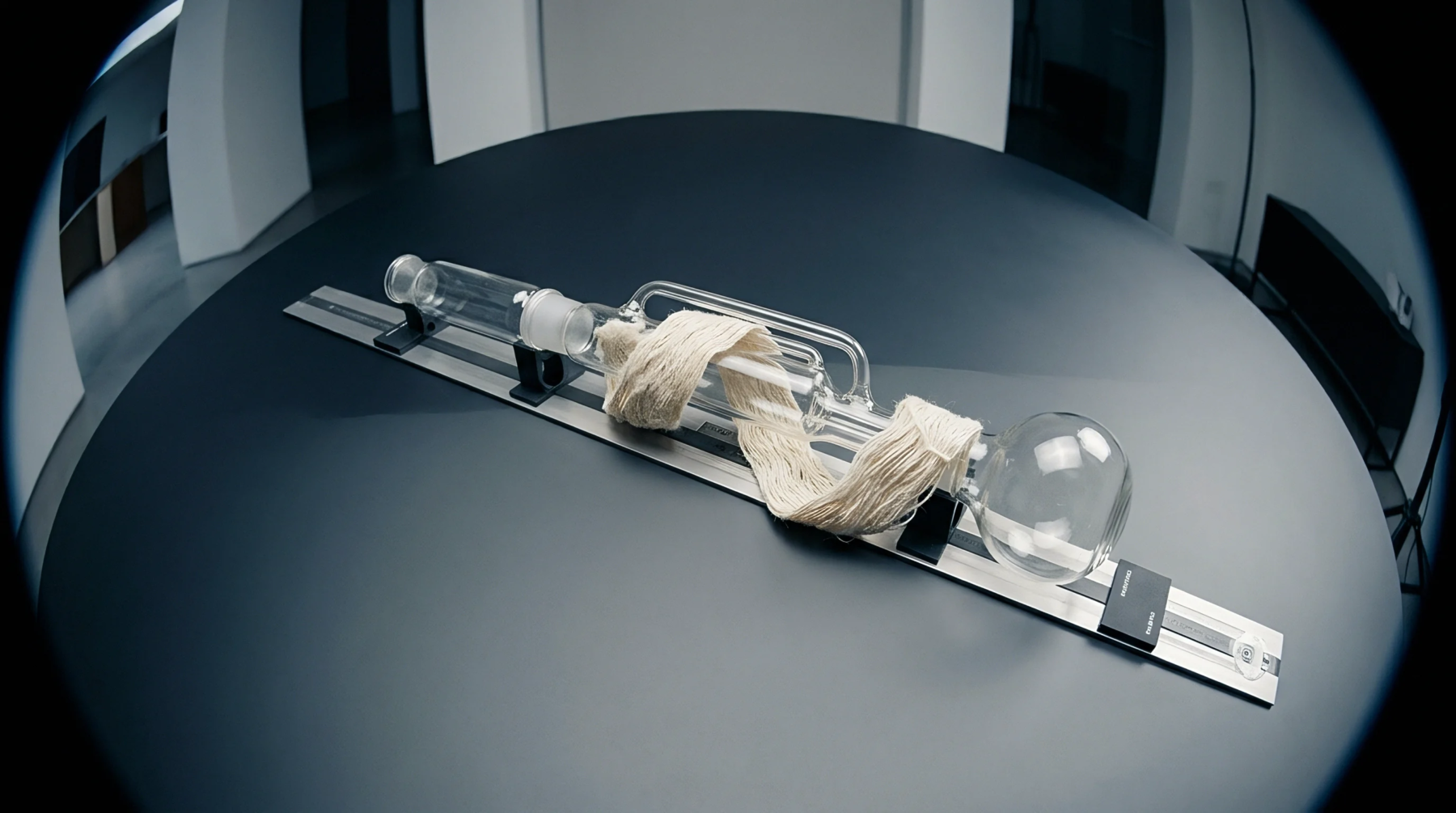
An analytical method extracts and analyzes volatile organic compounds from solid or liquid samples by heating them in a gas stream and routing the vapors into a chromatographic column. Utilizing thermal desorption gas chromatography allows laboratory technicians to identify and measure trace chemicals, finish oils, and volatile impurities in fabrics and yarn. The technique replaces wet solvent extraction with clean, direct thermal extraction.
Thermal Desorption
Controlled heating of the textile specimen in a sample tube releases volatile substances directly into an inert carrier gas stream. The thermal desorption gas chromatography system sweep collects these released vapors on a cold trap to concentrate them before injection. Once the collection is complete, the trap is rapidly heated to flush the compounds as a narrow band onto the gas chromatography column.
This separation column divides the compounds based on their boiling points and interaction with the stationary phase, which are then detected and identified by mass spectrometry. This process yields a detailed profile of the volatile chemistry of the material.
VOC Identification
Odor complaint investigation in finished apparel often relies on this method to trace the source of chemical smells or solvent residues. In many cases, these odors originate from spinning lubricants, curing agents, or dye carriers that were not fully removed during the washing and finishing stages. By analyzing the VOC profile of the fabric, mills can pinpoint the chemical compound responsible for the smell and trace it back to a specific processing step.
This analysis ensures that finished garments are safe and free from offensive chemical odors before they are shipped.
Analytical Boundary
Separation efficiency is limited by the thermal stability of the fiber matrix and the volatility range of the target compounds. If the extraction temperature is set too high, the polymer itself can start to decompose, producing synthetic byproducts that mask the original volatile compounds. Additionally, very heavy compounds with high boiling points may not desorb completely, requiring long heating times and specialized high-temperature columns to avoid carryover between runs.