Laboratory Equipment
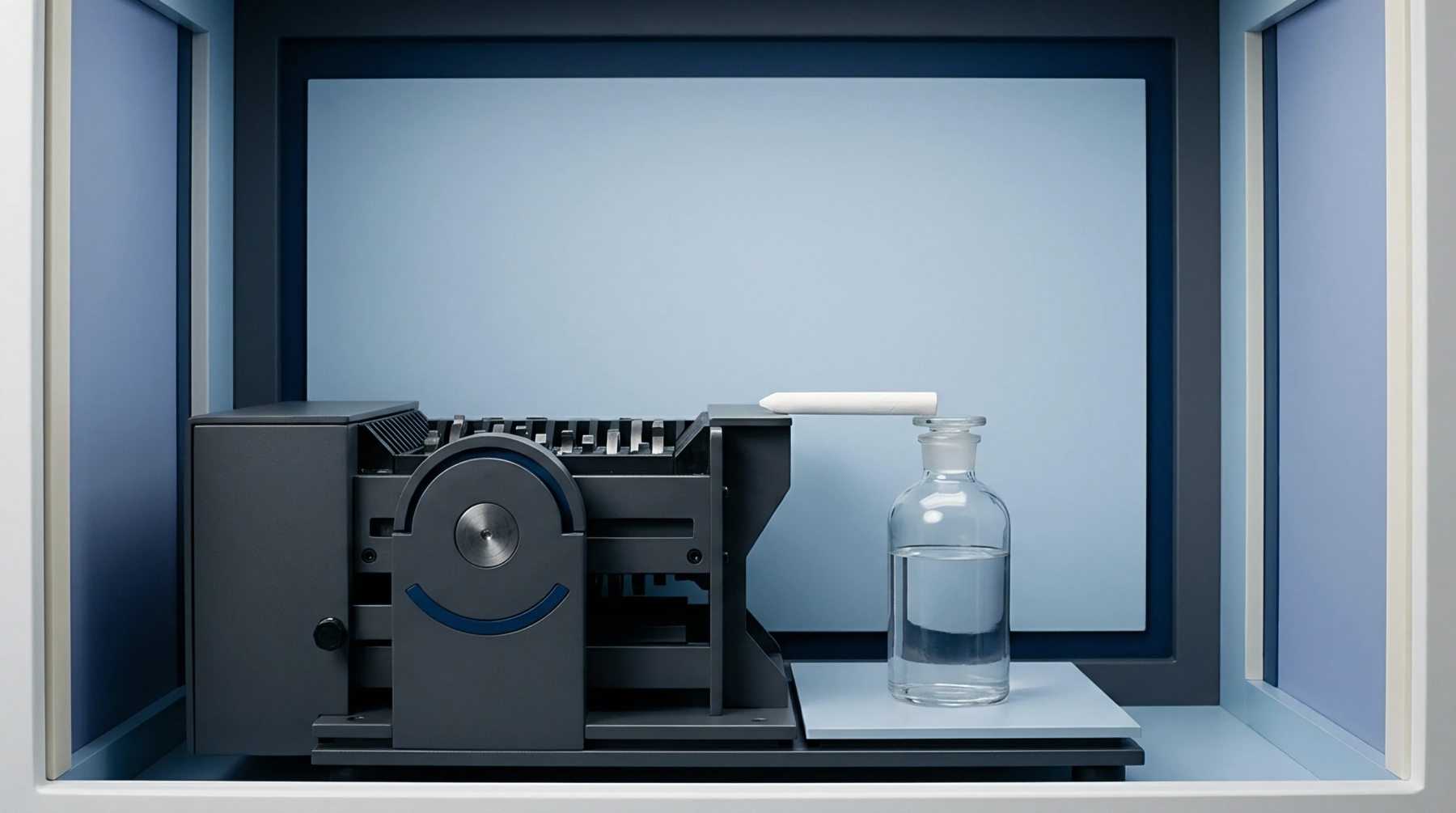
Analytical chambers designed to hold textile specimens during chemical analysis ensure the isolation of restricted substances from finished goods. An extraction cell holds a pre-weighed fabric sample under high pressure and temperature while solvent passes through it. This pressurized environment accelerates the dissolution of finish or dye contaminants from the fibres.
The resulting extract is then collected for chromatographic analysis to verify compliance with safety standards. Because the cell must withstand aggressive organic solvents, it is manufactured from high-grade stainless steel with chemically inert seals.
Operational Procedure
Loading the cell involves packing the textile sample evenly to prevent solvent channeling. If the solvent bypasses part of the specimen, the extraction of target compounds will be incomplete. Technicians use inert sand to fill any remaining voids in the chamber.
After sealing the unit, the automated system runs the extraction cycle at the specified temperature.
Solvent Selection
Choosing the correct fluid is critical to isolate the target chemicals without dissolving the synthetic fibers. Hexane or methanol is commonly employed depending on whether the target compound is polar or nonpolar. The solvent choice dictates the pressure limits for the run.
Quality Check
Verifying that the cell remains leak-free during the high-pressure stage prevents sample loss. Consistent extraction cycles ensure reproducible results across different textile batches. This consistency is needed to secure international product certifications.