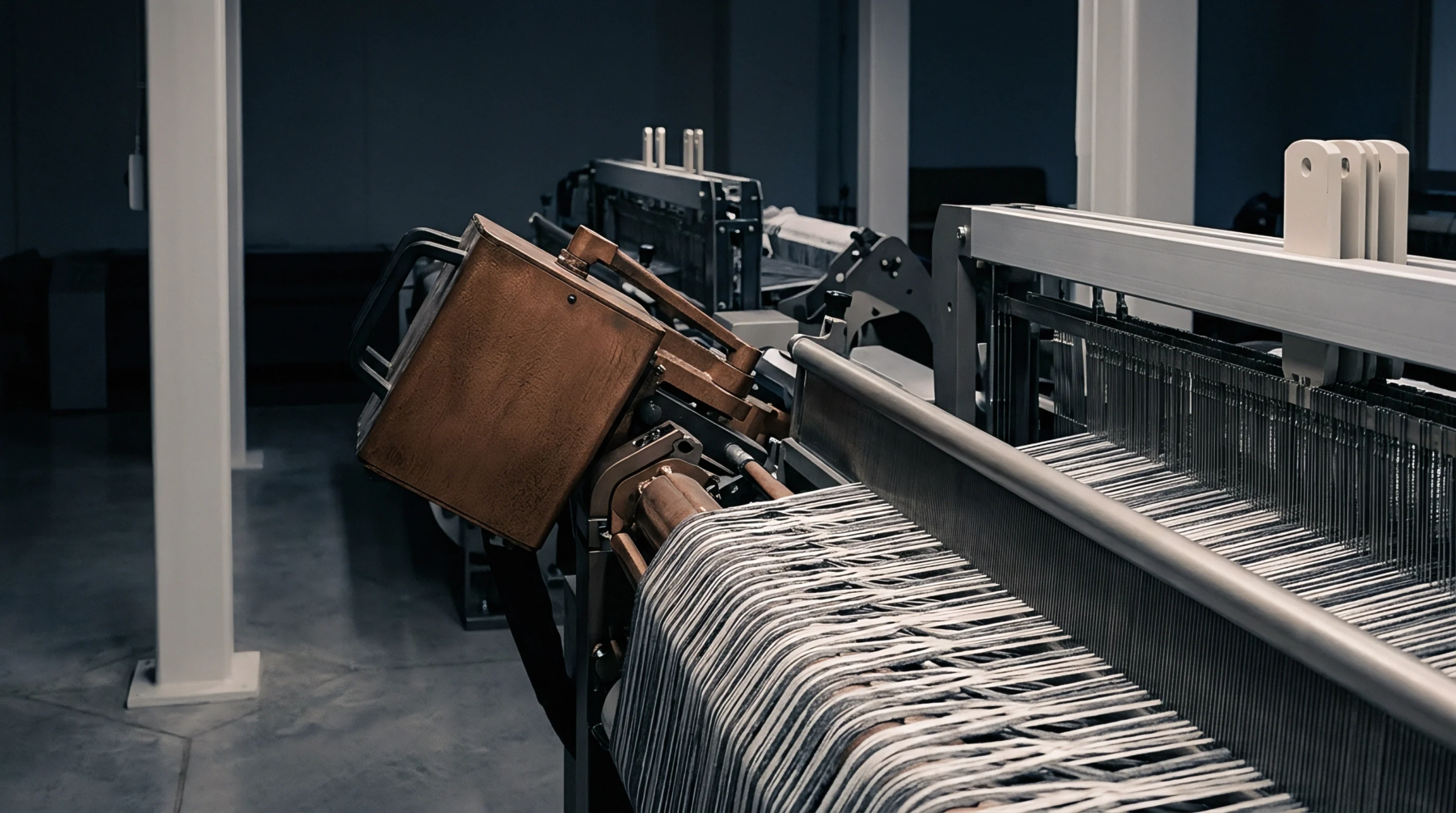
Statistical Skip Lot Verification Mechanics on Repeat Textile Orders
Statistical skip lot schemes lower textile testing costs only when dye house inputs stay locked and failure triggers force instant 100 percent re-inspection.
Statistical skip lot schemes lower textile testing costs only when dye house inputs stay locked and failure triggers force instant 100 percent re-inspection.

Baseline chemical retesting metrics for imported woven textiles require statistical lot sampling, matrix-matched analytical methods, and clear retest clauses.

Arbitral cost allocation in subcontracted dyeing requires roll-level chemical tracing, un-cleaved specimen preservation, and enforceable flow-down indemnities.
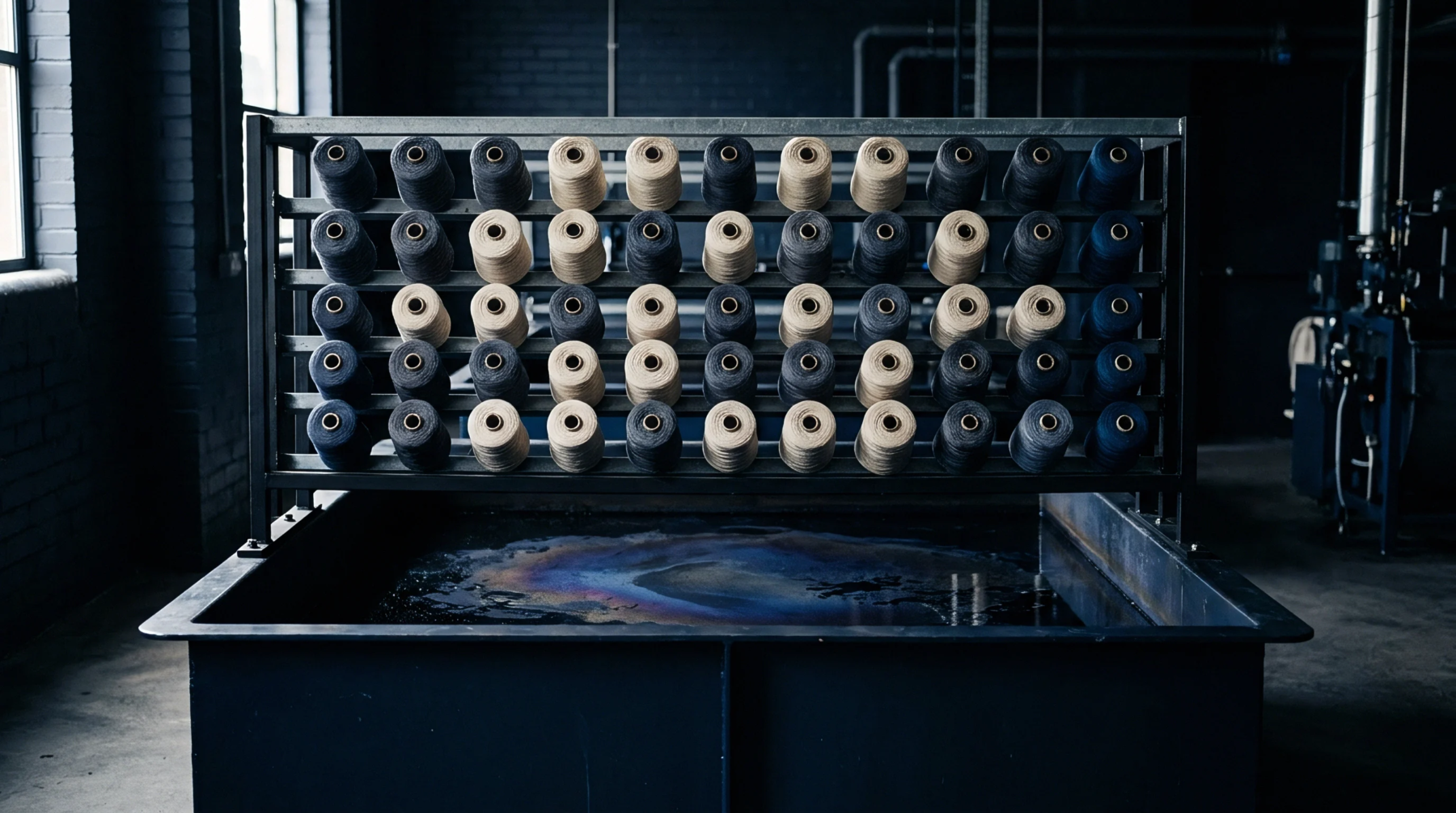
Assembling valid textile customs clearance files requires aligning invoice line weights with transaction certificate sequences and accredited laboratory test reports.

Transatlantic textile claims resolve by applying critical difference calculations to inter-laboratory test variances before declaring commercial non-conformity.

Global textile import compliance requires matching exact article specifications against legal chemical limits using lot-traceable ISO 17025 test dossiers.

Subcontracted dyehouse chemical risk requires binding PO flowdown clauses, batch-level ISO 17025 testing, and strict financial retainage mechanisms.

Process drift on repeat textile orders requires mill-floor indicator testing backed by statistical skip-lot laboratory verification to prevent RSL border holds.

Subcontracted wet processing liability requires explicit pass-through indemnity clauses and batch-linked transaction certificates to bind sub-tier dyehouses.

Confirmed chemical non-compliance requires immediate split-sample secondary retesting under ISO 17025 protocols to enforce contractual indemnity and landed cost recovery.

Subcontracted wet processing liability hinges on lot-level transaction certificates, retained split samples, and explicit pass-through warranty clauses.
Expertise is a utility, not a secret. sentiention™ publishes its working knowledge as open reference: intelligence layer covering the materials it sources, the markets it enters, and the reference that serves both.