Structural Elasticity
Polyurethane elastomer chemistry relies on a balance between rigid and flexible molecular chains to achieve high stretch recovery. The macrodiol soft segment provides spandex fibers with their characteristic elasticity and ability to stretch up to five times their original length. Flexibility occurs because the long chains coil randomly when the fiber relaxes.
Stretching the elastomer straightens the coiled chains without breaking the chemical bonds.
Chemical Formulation
Polyester or polyether diols with molecular weights between one thousand and three thousand grams per mole are the typical precursors for the soft blocks. Synthesizing the polymer requires reacting these macrodiols with diisocyanates to create prepolymers. Polyether-based soft segments resist hydrolysis better than polyester-based variants and are preferred for activewear.
Thermal Behavior
Low glass transition temperatures ensure that the soft regions remain flexible at sub-zero temperatures. Cooling the fiber below this thermal threshold causes the soft blocks to crystallize and lose their rubbery behavior.
Material Limit
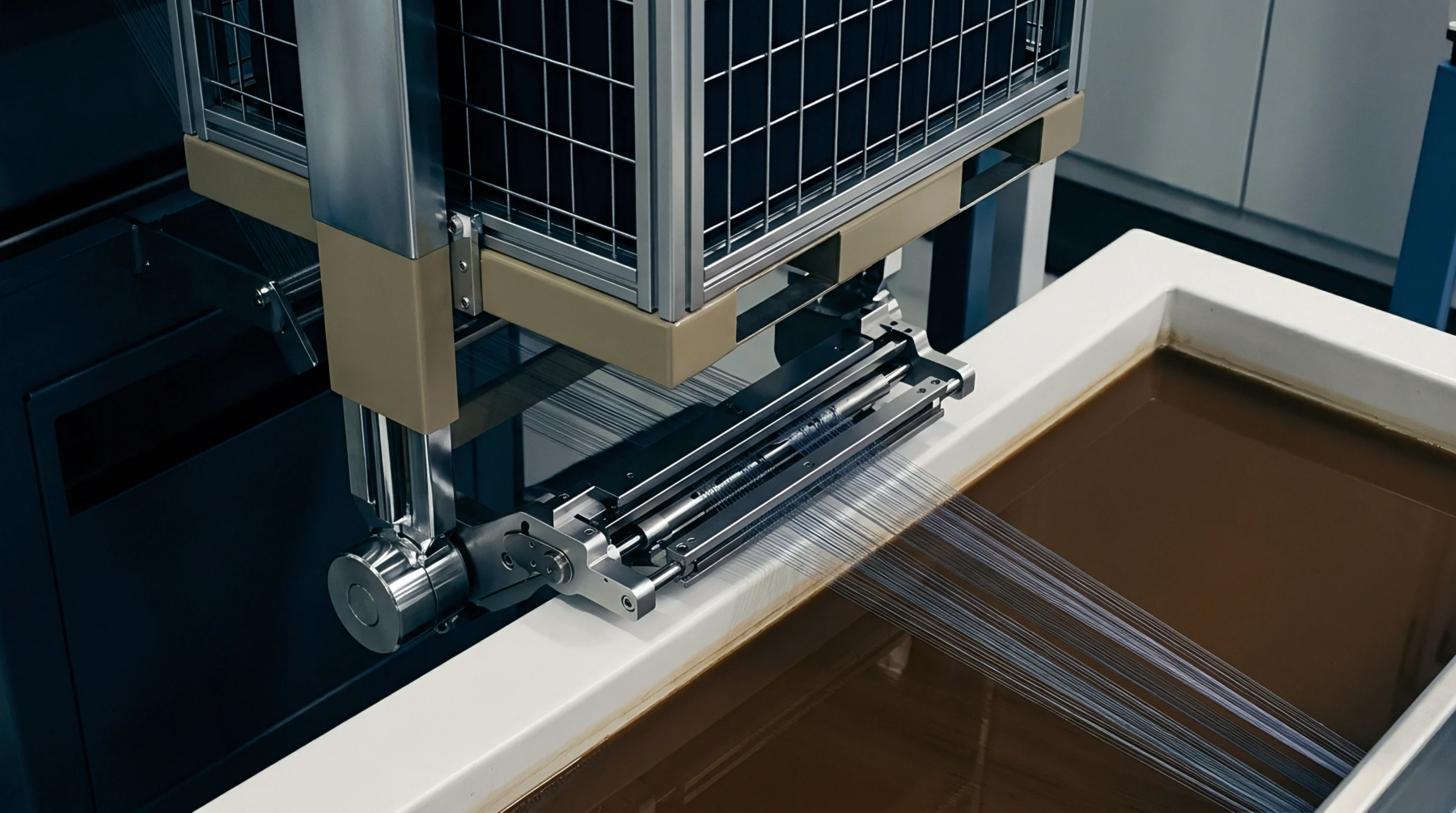
Chemical degradation occurs when the elastomeric yarn is exposed to high chlorine concentrations in swimming pools or acidic sweat during athletic use. Protecting the macromolecular structure requires the addition of specialized stabilizer packages during the wet spinning process. Unprotected elastomeric fibers lose their recovery force over time.