Extraction Weight
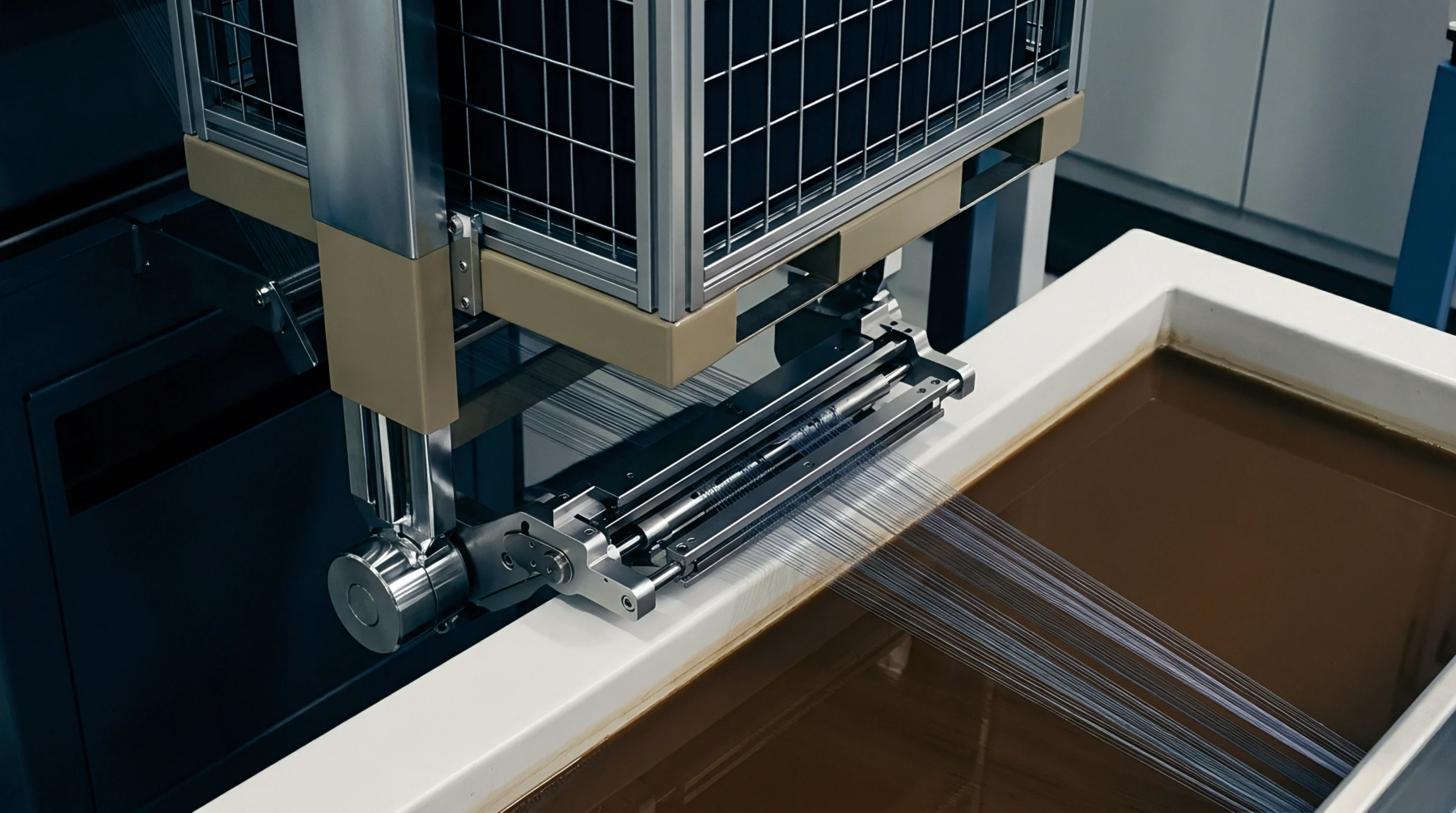
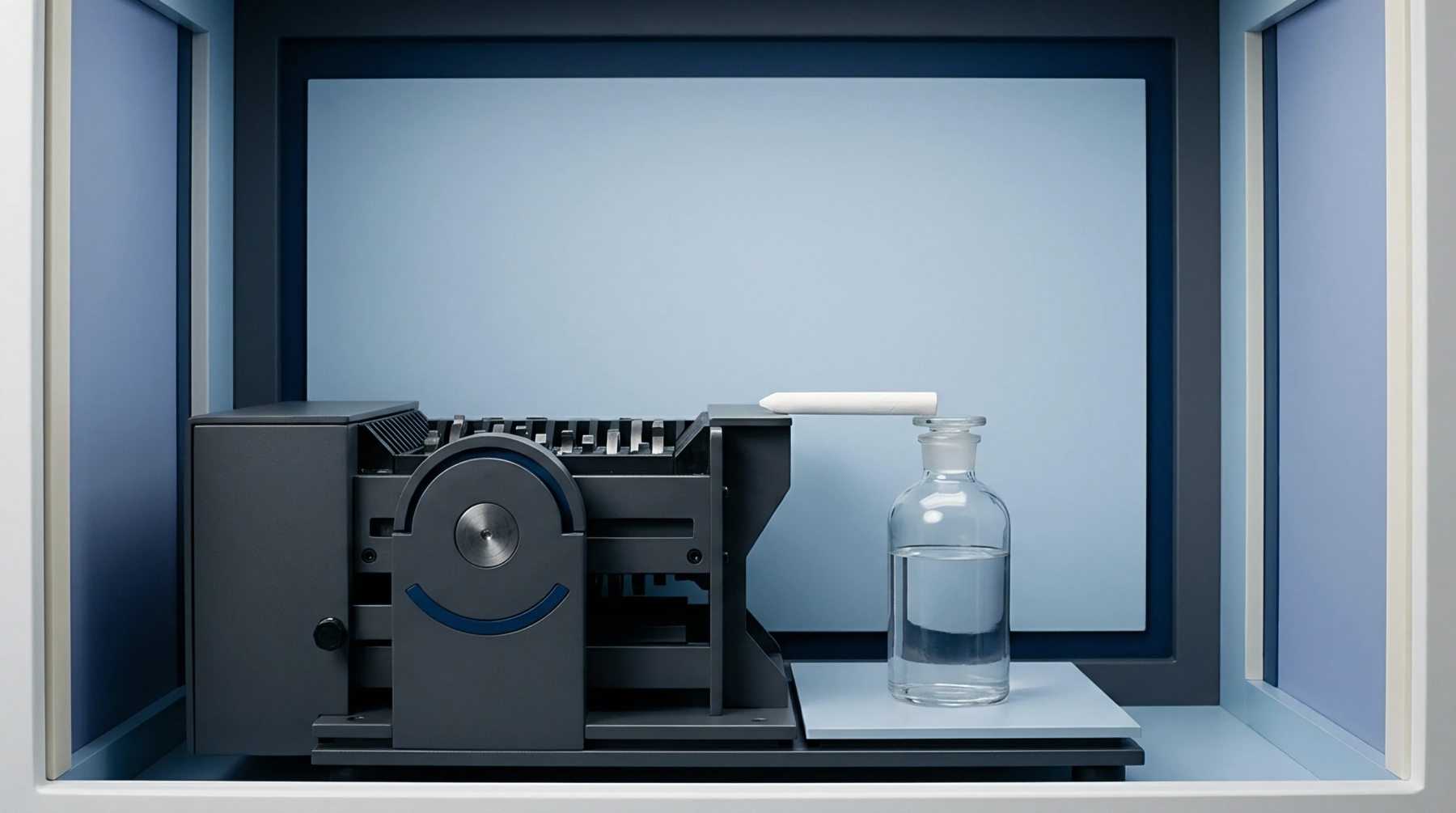
Gravimetric analysis defines the mass removed from a textile substrate during the treatment of fibres with non-polar solvents. Practitioners identify solvent scour loss as the percentage decrease in material weight recorded after the removal of spin finishes, processing oils, or knitting lubricants. Verification occurs in a laboratory setting by comparing the conditioned mass of the specimen before and after immersion in an appropriate solvent bath.
This metric isolates non-fibrous additives from the structural integrity of the polymer itself.
Chemical Mechanism
Solvents penetrate the interstitial spaces of yarn bundles to dissolve hydrophobic contaminants that cling to individual filaments. A standard procedure requires the specimen to undergo extraction until the effluent remains clear and the weight of the residual fibre stabilizes. Precise control of bath temperature and agitation speed governs the effectiveness of this separation process.
Different chemical classes of finishes respond uniquely to specific solvent polarities, so the choice of medium dictates the magnitude of the measured reduction. High recovery of the solvent through distillation allows for the accurate calculation of the mass balance.
Production Variance
Variation in these values alerts managers to inconsistencies in the application of auxiliary agents during the spinning or drawing stages of manufacturing. Excess accumulation of surfactants on the fibre surface creates downstream issues in dyeing uniformity and resin adhesion. Bulk production lots often display fluctuations when the application equipment requires calibration or when the pump pressure changes across different positions on the creel.
Deviations beyond established tolerances suggest that the fibre requires additional cleaning or that the application chemistry lacks the necessary consistency for large-scale output.
Analytical Boundary
This test strictly quantifies the removable surface substances and excludes the loss of moisture or structural polymer degradation. It stops short of characterizing the chemical composition of the extracted matter, as the weight difference alone indicates the total amount of extraneous material present on the textile. Total removal depends entirely on the solubility of the specific finish chemistry within the chosen liquid medium.
Consequently, the measurement provides a reliable assessment of cleanliness that manufacturers use to approve batches for subsequent finishing operations.