
Yarn Linear Density and Crimp Factor Controls on Mass per Unit Area
Fabric mass per unit area is calculated by combining yarn linear density, thread count, and crimp factors across conditioned warp and weft system dimensions.
Fabric mass per unit area is calculated by combining yarn linear density, thread count, and crimp factors across conditioned warp and weft system dimensions.
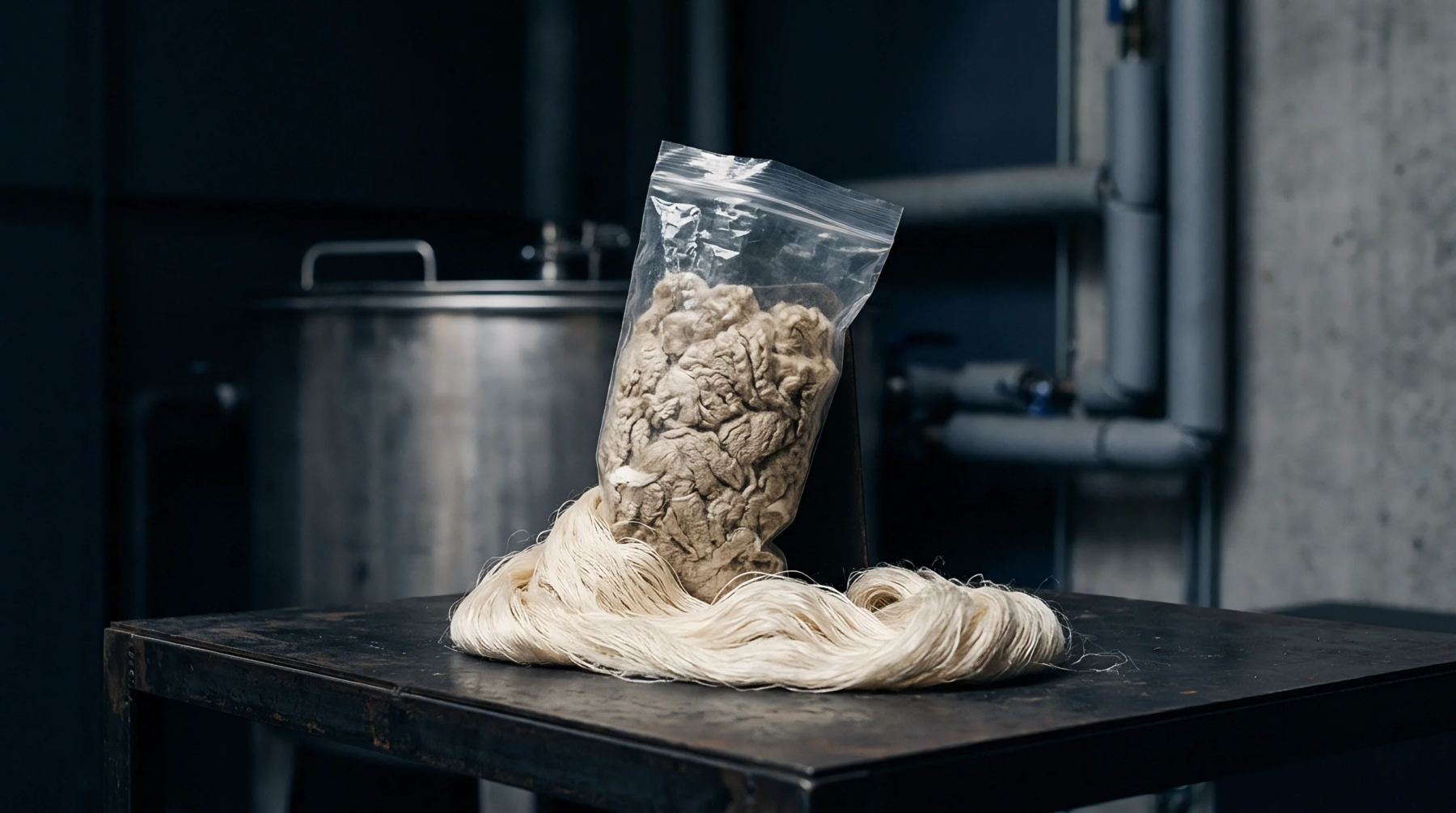
Commercial mass equals oven-dry mass multiplied by standard regain allowances, establishing an immutable billable weight independent of transit moisture shifts.
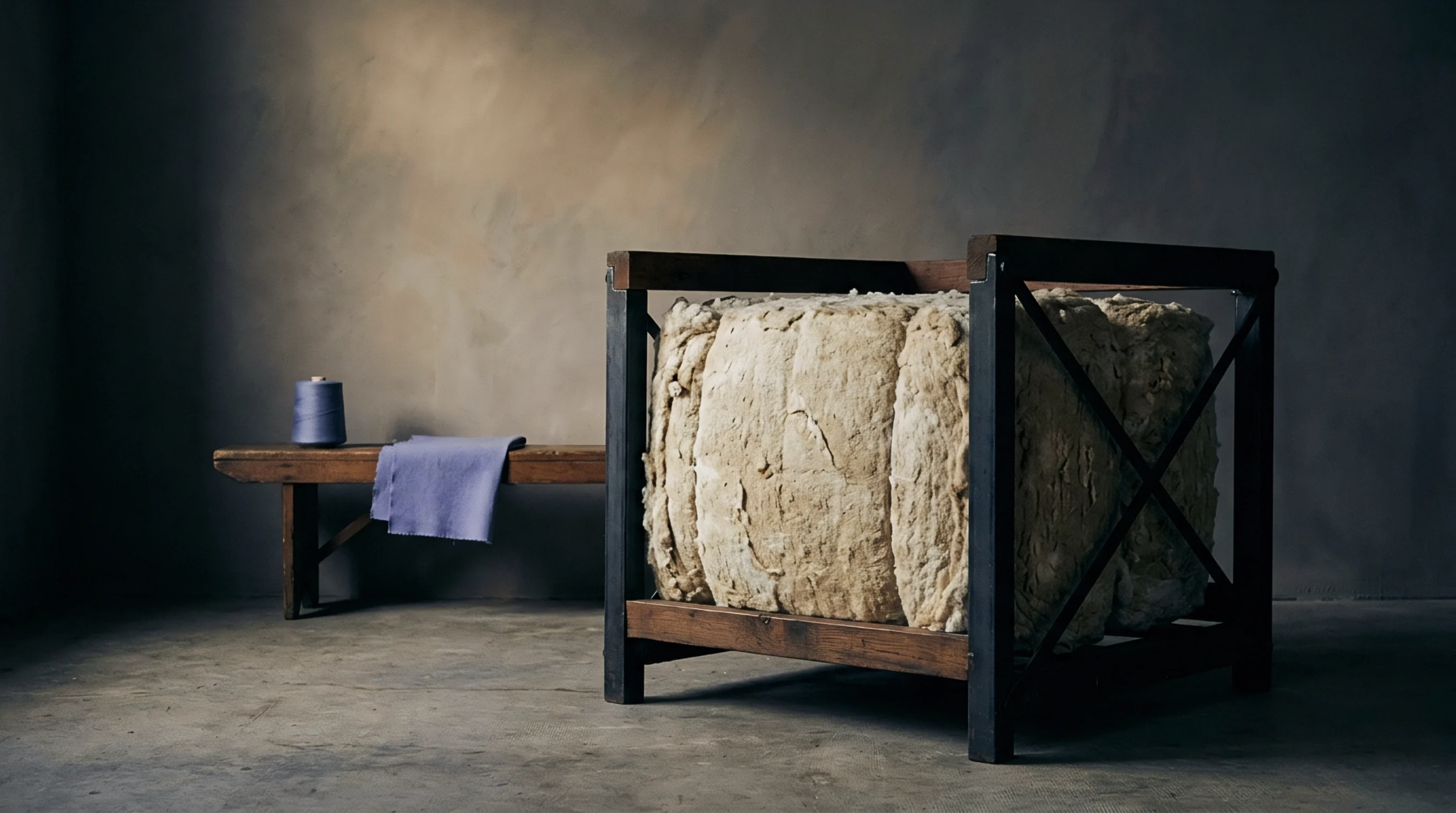
Determine commercial mass by calculating clean oven-dry mass from certified core samples and adding standard international commercial regain allowances to settle invoices.

Commercial yarn weight verification relies on oven-dry mass determination modified by standard moisture regain percentages to determine billable weight.

Commercial weight equals dry polymer mass multiplied by one plus the standard commercial regain percentage, converting tested moisture levels into trade invoices.

Customs chief weight classification requires adjusting oven-dry fiber masses with official commercial regain allowances before calculating constituent ratios.

Solvent extraction removes non-fibrous sizing and oils before applying statutory moisture regains to clean dry fibre masses for tariff classification.

Accurate cellulosic blend analysis requires pairing strict solvent reflux kinetics and d-factor scission corrections with standard commercial regain adjustments.

Specify conditioned mass under ISO 3801 and minimum cuttable width excluding selvedges to lock in garment yield and protect unit production economics.
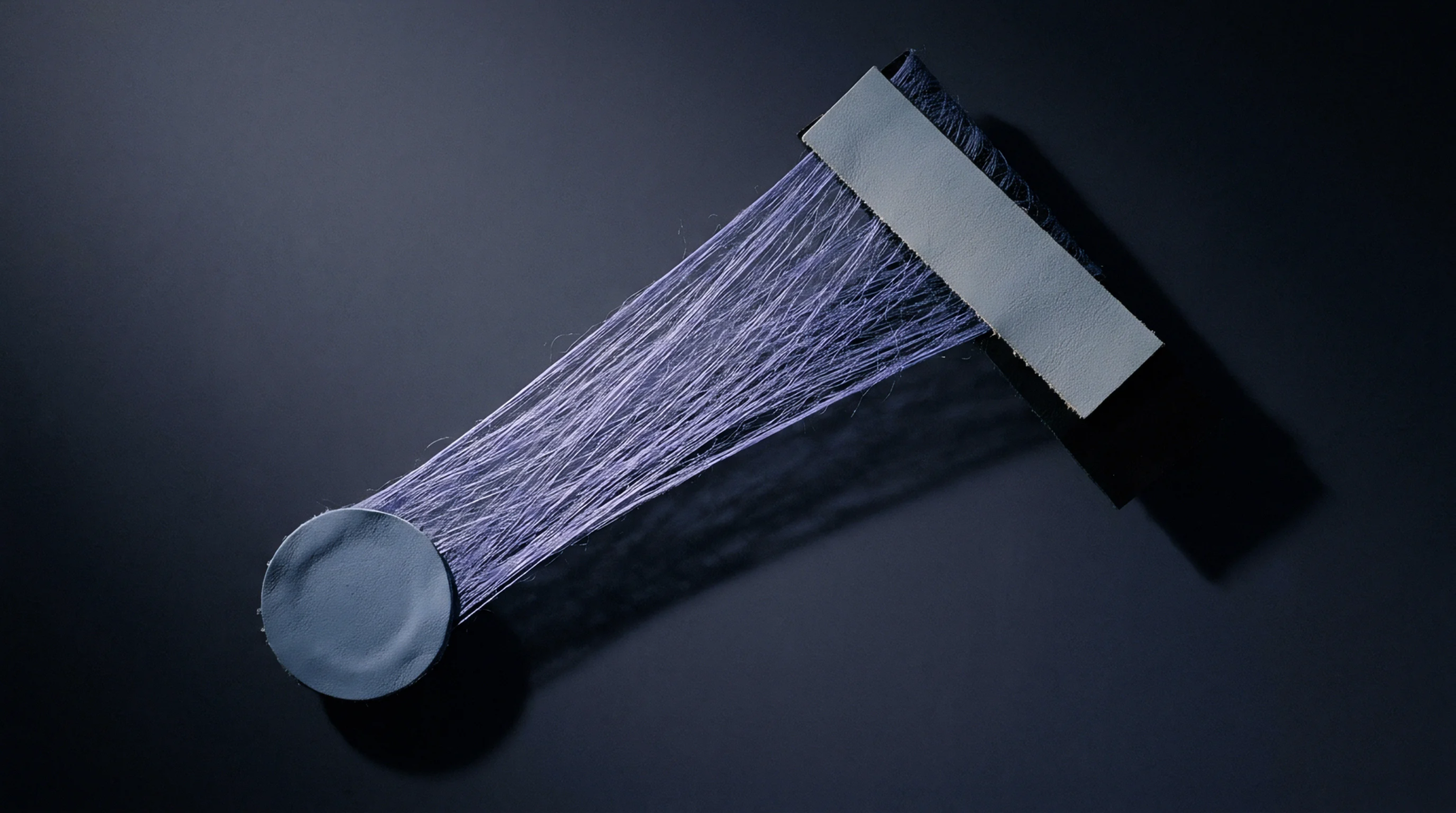
Multi-fibre blend weight disputes turn on reconciling oven-dry chemical separation mass with standard moisture regain allowances under strict international test rules.

Commercial regain calculations standardize textile import weights by converting wet scale mass to oven-dry mass and adding statutory moisture allowances.
Commercial mass adjustments correct raw cotton delivery weights to an 8.5% standard regain baseline using oven dry core testing to prevent water billing errors.

Commercial mass equals oven dry mass multiplied by one plus the weighted sum of official fiber moisture regain allowances.
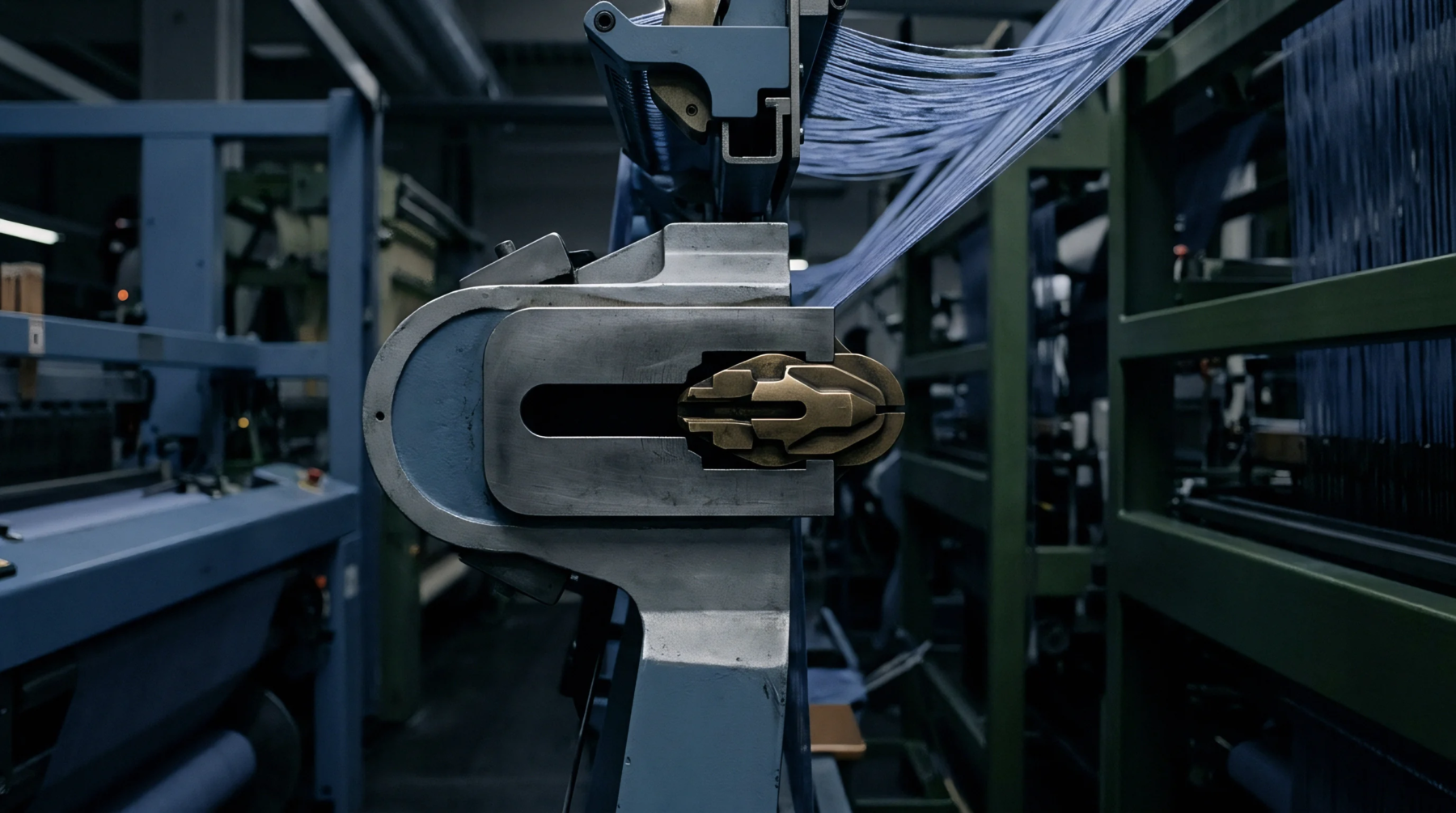
Commercial moisture regain converts oven-dry yarn weight into invoiced mass using standardized moisture percentages and finish allowances under ISO 6741.
Standard solubility correction factors adjust insoluble gravimetric yields to prevent miscalculation of commercial mass and tariff misdeclarations.

Commercial mass calculations adjust billed consignment weights to oven-dry mass plus standard moisture regain, preventing buyers from paying yarn prices for water.

Customs chief-weight classification for multi-fibre textiles depends on whether laboratories calculate percentages on oven-dry mass or statutory regain values.
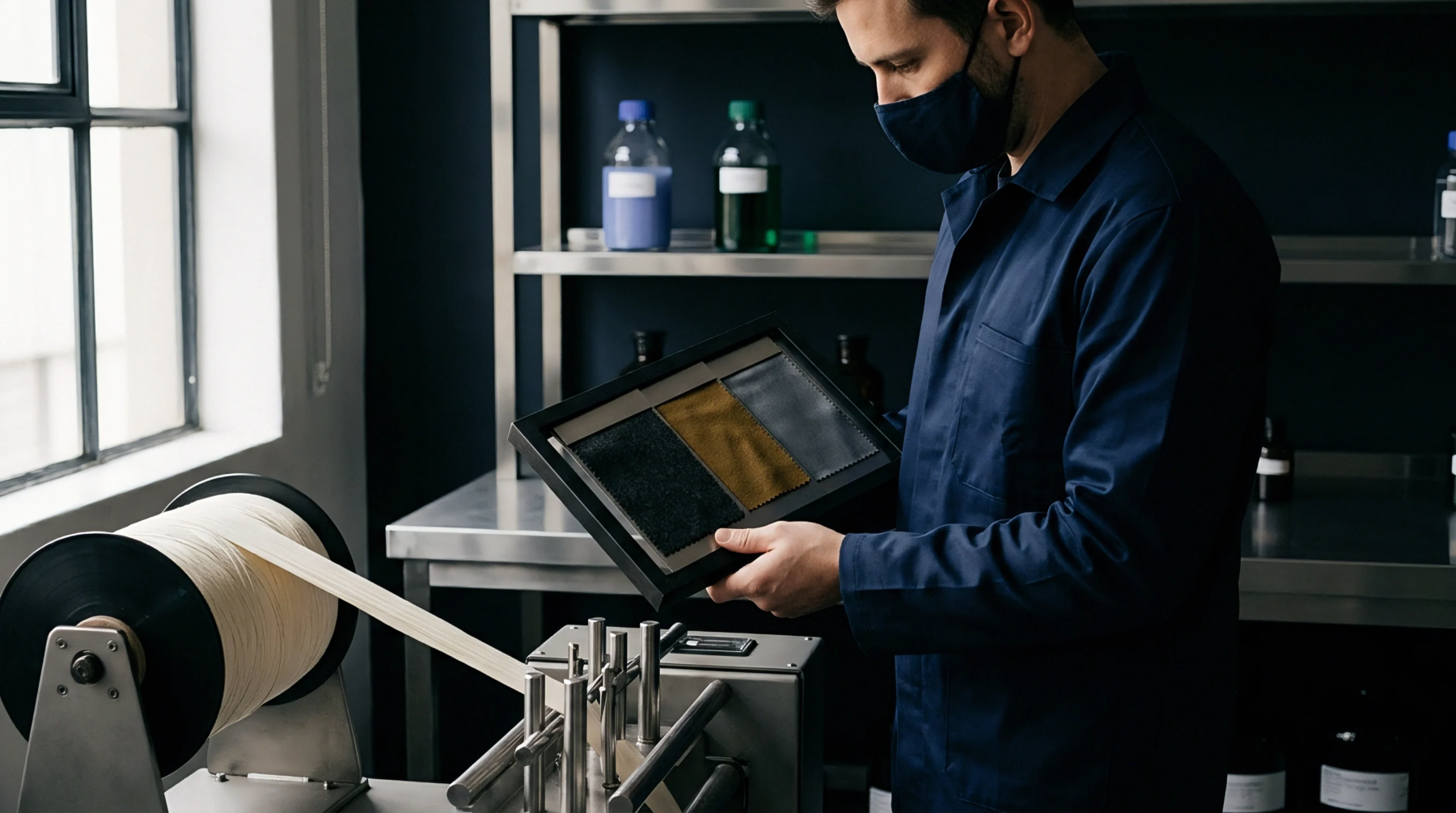
Accurate solvent extraction of recycled cotton ternary mixes demands resin stripping, precise filter porosity, and adjusted d-factors to prevent tariff misclassification.
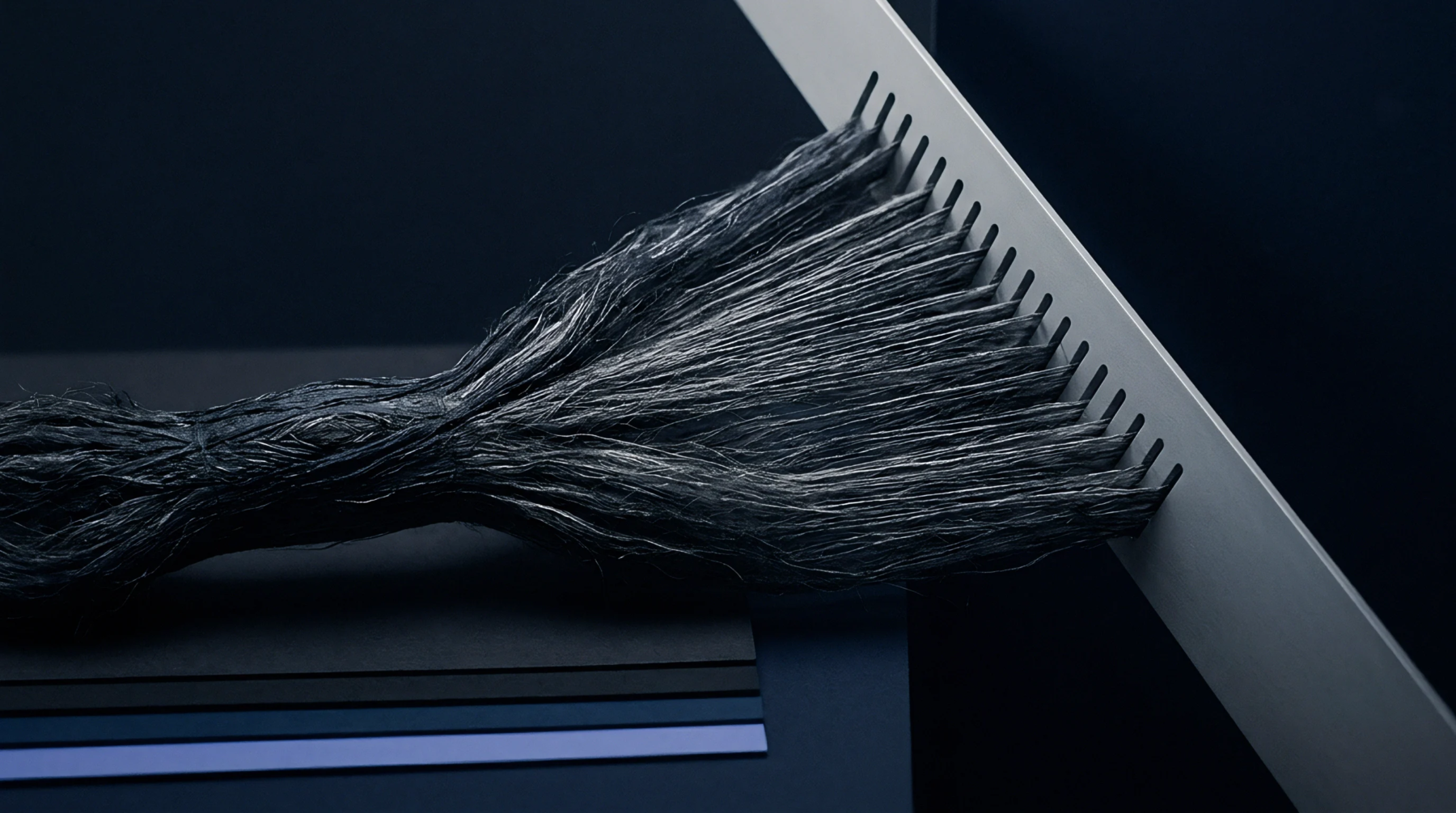
Commercial mass of synthetic filament yarns is determined by adding standard commercial moisture allowances to solvent-extracted oven-dry mass.
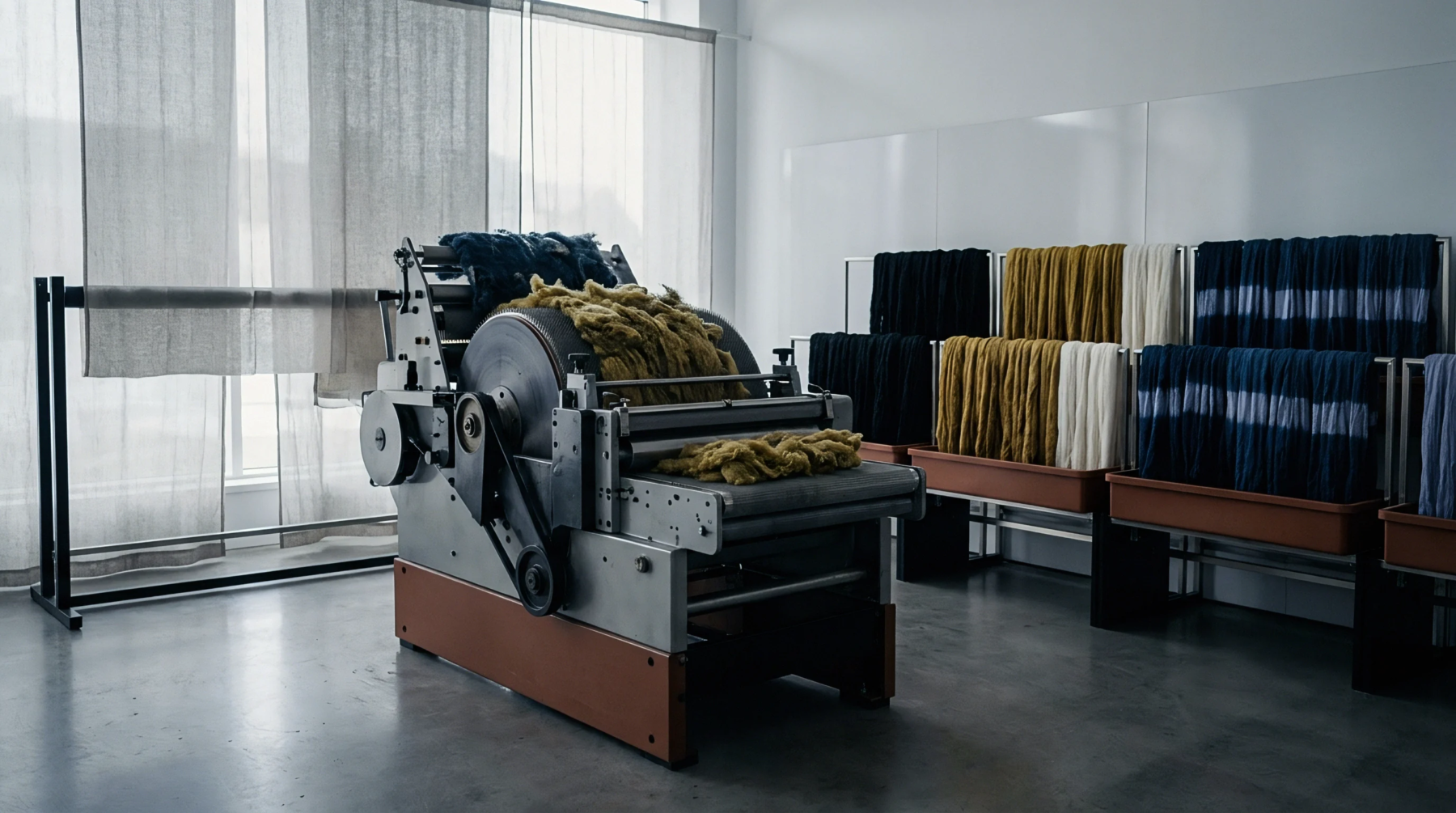
Corrected invoice weight computes commercial mass from oven-dry clean polymer fractions adjusted by official regains and extractable allowances under IWTO-33 rules.

Non-linear sorption hysteresis alters union fabric weight and crimp dimensions, requiring preconditioning protocols to prevent false testing results.
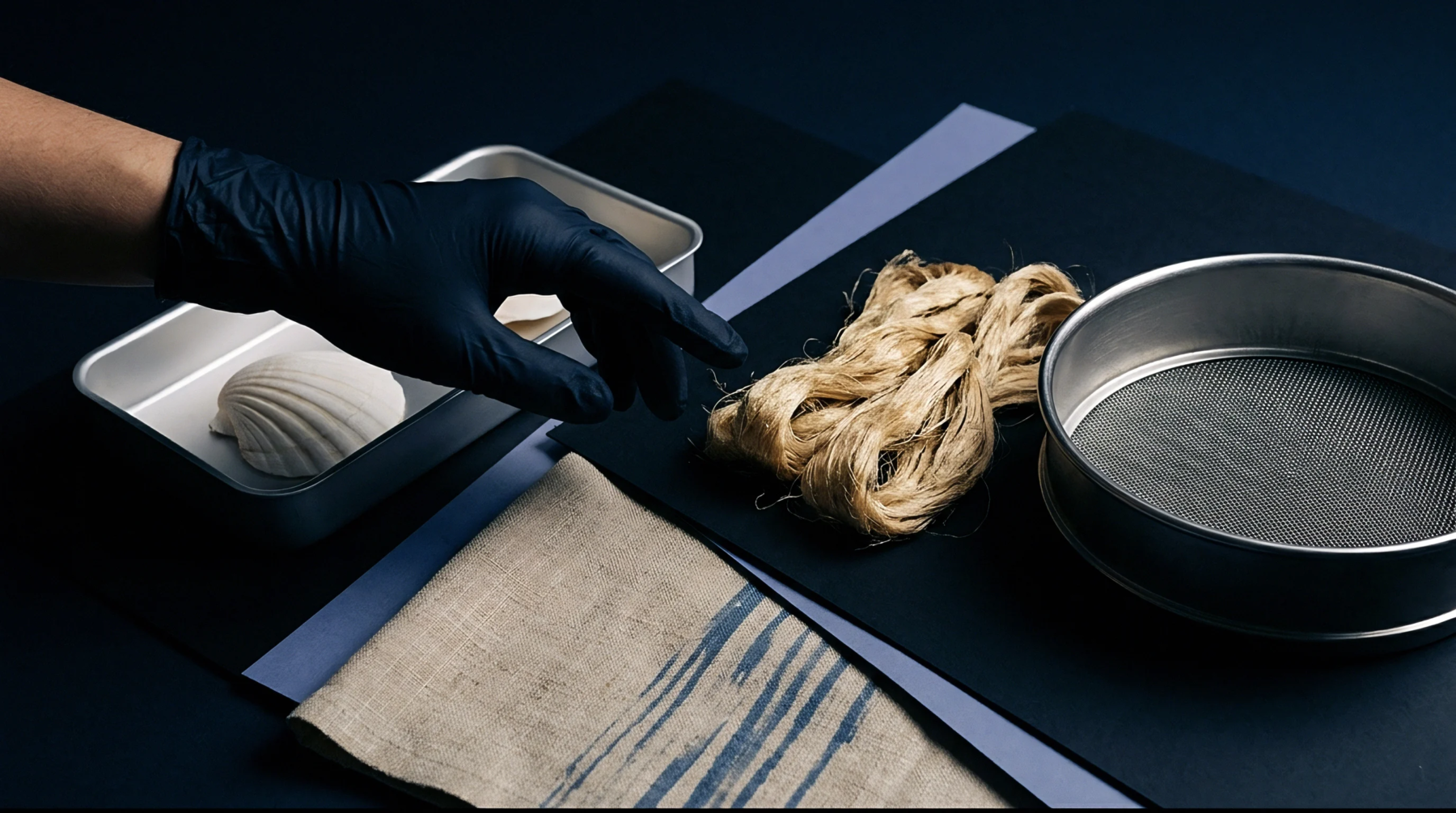
Commercial moisture regain additions legally alter dry fibre mass ratios, shifting predominant weight and triggering customs tariff reclassifications.
Commercial mass in intimate fibre mixtures derives from oven-dry component weights adjusted by individual official moisture regain values under ISO 6741.

Commercial mass scales anhydrous oven-dry textile mass by adding standardized official moisture and extractable allowances for accurate settlement and customs declarations.
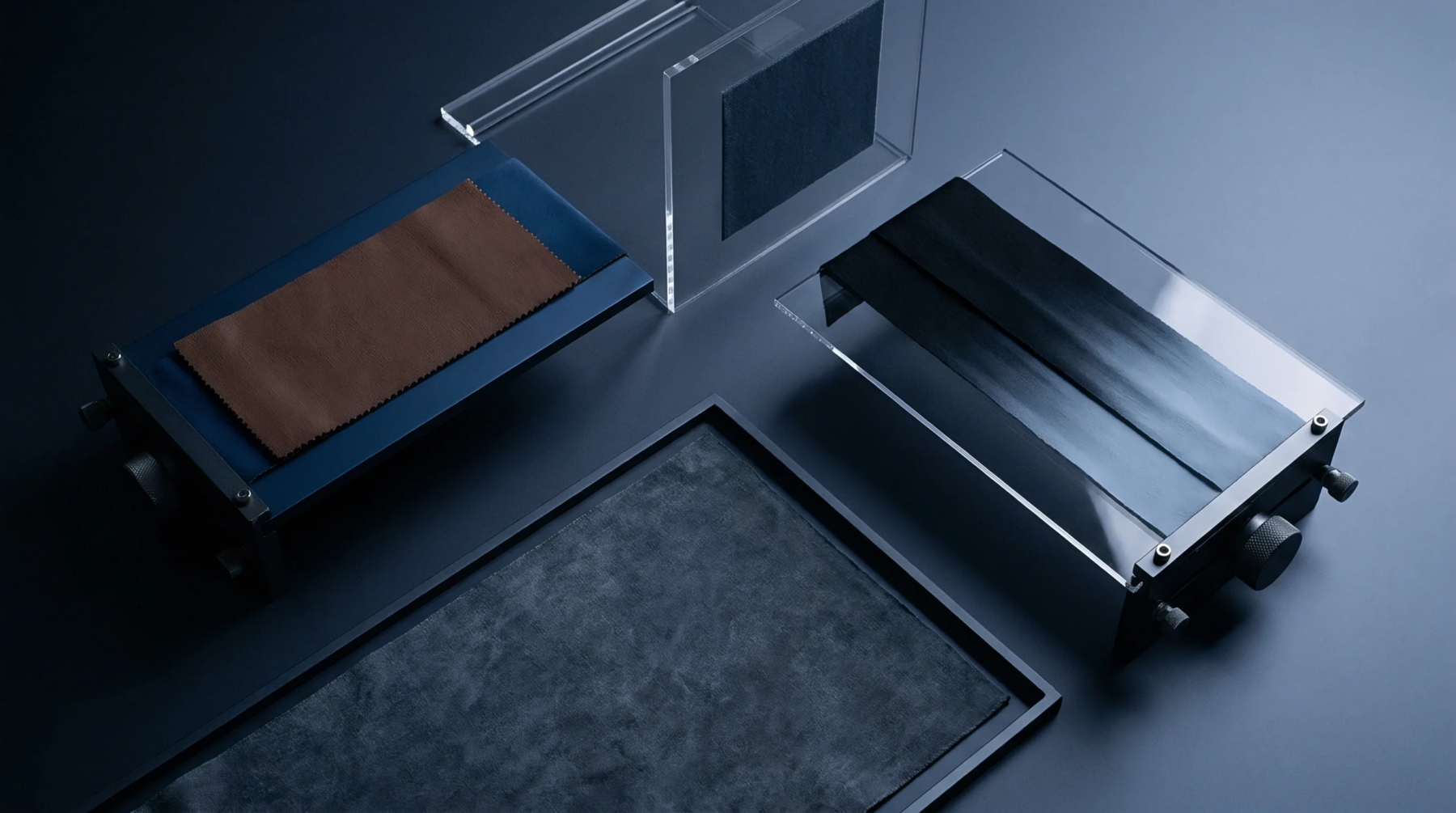
Standard moisture regain adjustments recalculate oven-dry fibre masses into commercial composition percentages required for legal labels and customs declarations.
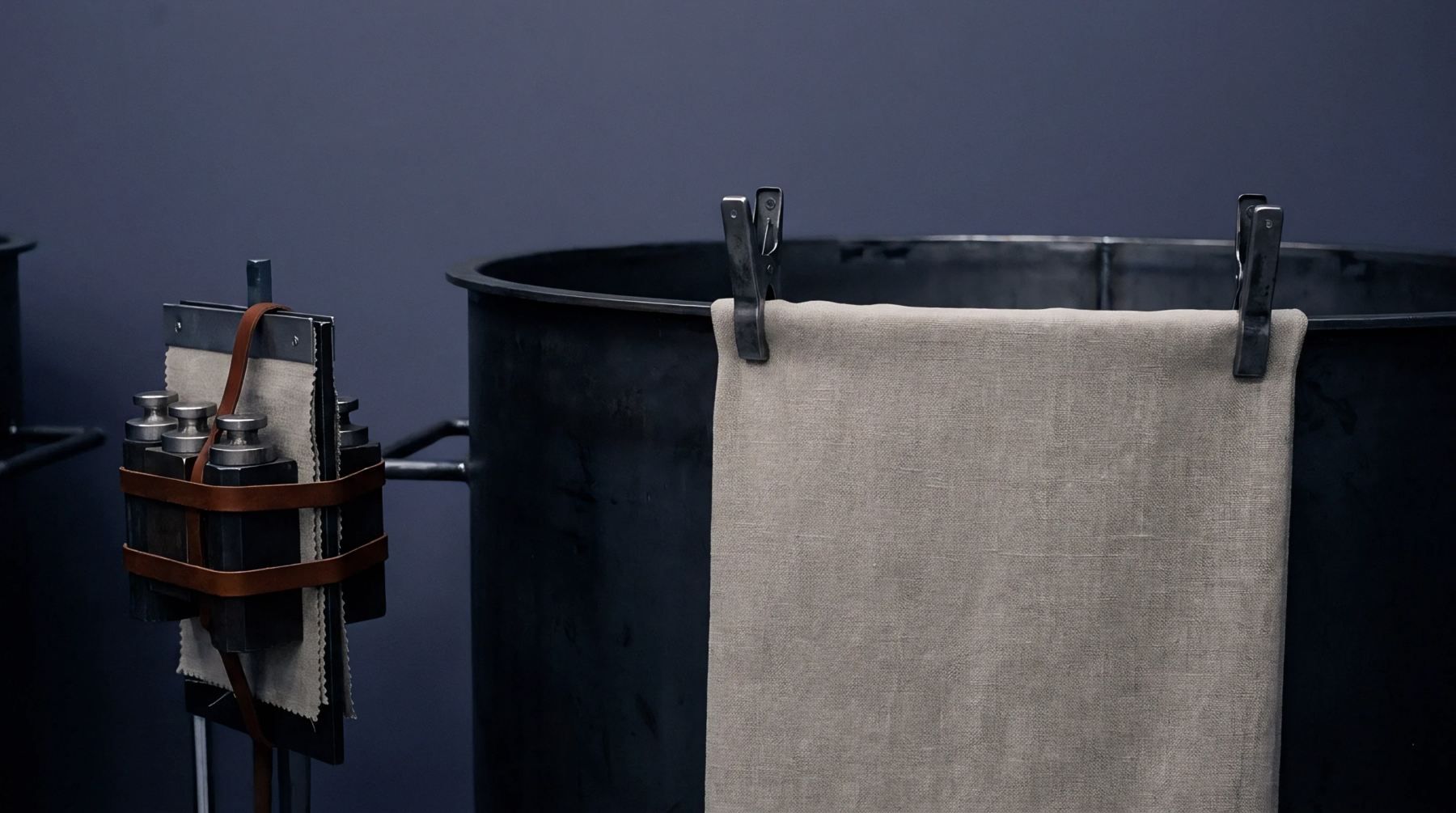
Reconciling laboratory chemical composition with landed weight requires converting oven-dry chemical ratios into commercial mass using official moisture regains.

Administrative protests for water weight adjustments rely on ISO 6741 dry mass tests filed within statutory windows post liquidation.
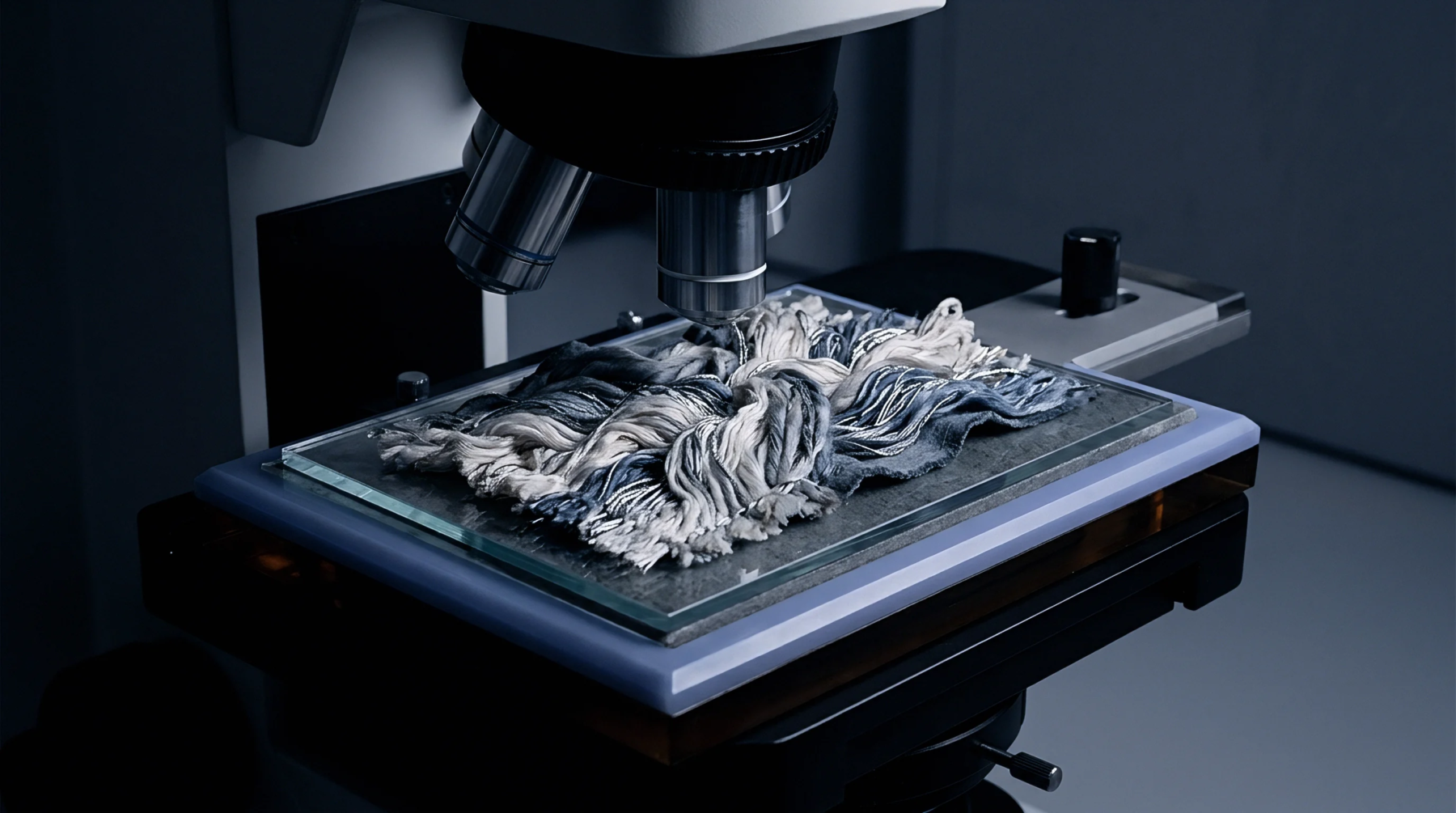
Commercial regain calculation converts variable net scale weights into an immutable invoiced mass by adding statutory moisture allowances to verified oven-dry fiber.

Commercial mass determination reconciles clean oven-dry mass with standard moisture regain figures to establish binding landed weights and tariff lines.

Commercial fiber mass calculations require adjusting laboratory oven-dry percentages with official regain allowances to prevent customs and invoice discrepancies.
Expertise is a utility, not a secret. sentiention™ publishes its working knowledge as open reference: intelligence layer covering the materials it sources, the markets it enters, and the reference that serves both.