Controlling Reactive Dye Exhaustion Kinetics on Combed Cotton
Controlling reactive dye exhaustion kinetics on combed cotton requires controlled electrolyte dosing, metered alkali introduction, and optimal liquor flow.
Controlling reactive dye exhaustion kinetics on combed cotton requires controlled electrolyte dosing, metered alkali introduction, and optimal liquor flow.
Thermal greige storage recrystallizes sizing starches and oxidizes softeners, demanding multi-enzyme remediation to prevent costly dyeing rejections.

Autoxidation cross-links residual spinning lubricants into insoluble resins during storage, creating hydrophobic barriers that disrupt dye strike and color yield.

Warehouse relative humidity directly shifts greige yarn moisture regain, altering single-end tensile strength, unwinding tensions, and invoiced commercial weight.

Controlling abrasion limits and Delta E under low liquor ratios requires balancing nozzle pressure below 0.35 bar with rope cycle times under ninety seconds.
Hydrodynamic shear controls dyebath exhaustion by thinning the liquid boundary layer; excess velocity damages yarns, mandating precise pressure-flow balancing.
Restricting vessel volume below fifteen litres ensures complete bath turnover within three minutes, stopping reactive dye hydrolysis and knit loop distortion.
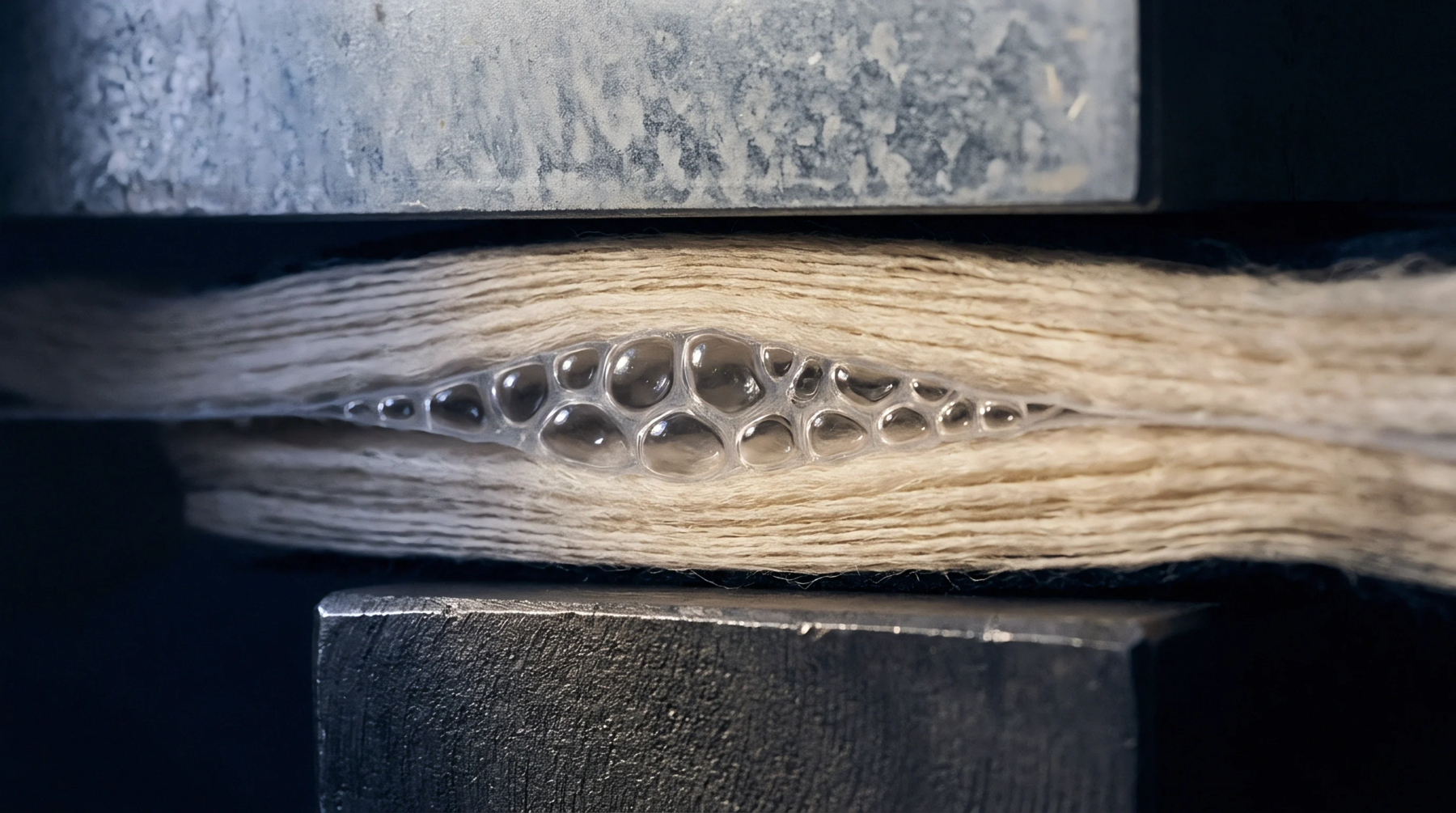
Humid air plasticizes sizing dust into sticky cakes inside relay nozzle bores, distorting airflow profiles and causing costly pick insertion stops.
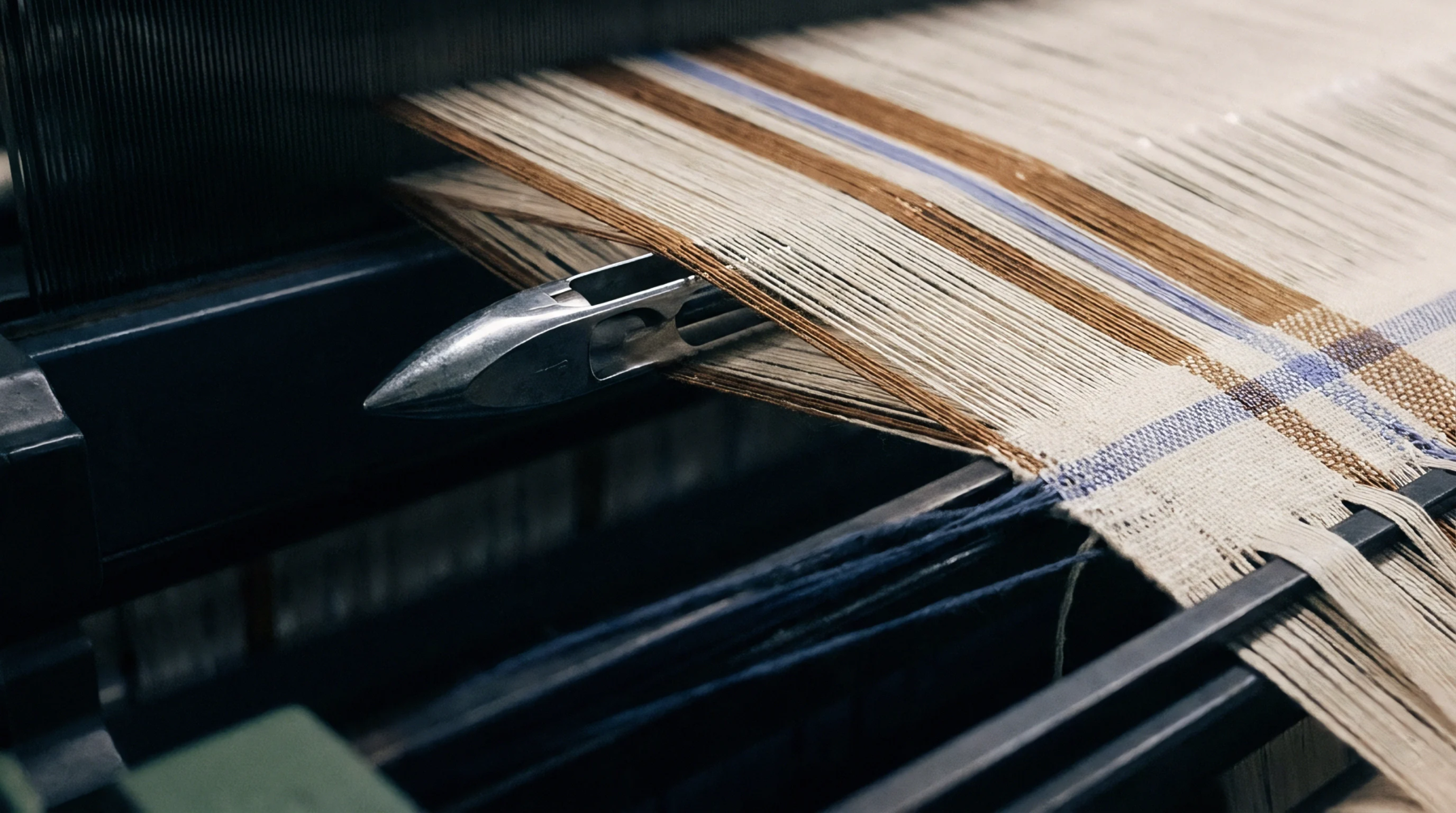
Balance PVA-starch ratios between 30:70 and 50:50 to secure film elongation above 7 percent, limiting loom stops while controlling desize COD load and size costs.

Lock spectrophotometer geometry to d/8 specular included, mandate monthly BCRA tile profiling across all partner mills, and cap metamerism under secondary lighting at 0.60.

Air jet weaving success hinges on low warp hairiness, high splice integrity, uniform size penetration, and consistent beam density to prevent loom stops.

Implementing CIEDE2000 with 2:1:1 parametric weighting on continuous dye lines eliminates corner sorting errors and halves false rejects on textured goods.

Digital color measurement relies on standardized optical geometry, CIEDE2000 metrics, and controlled conditioning to prevent bulk shade rejections.
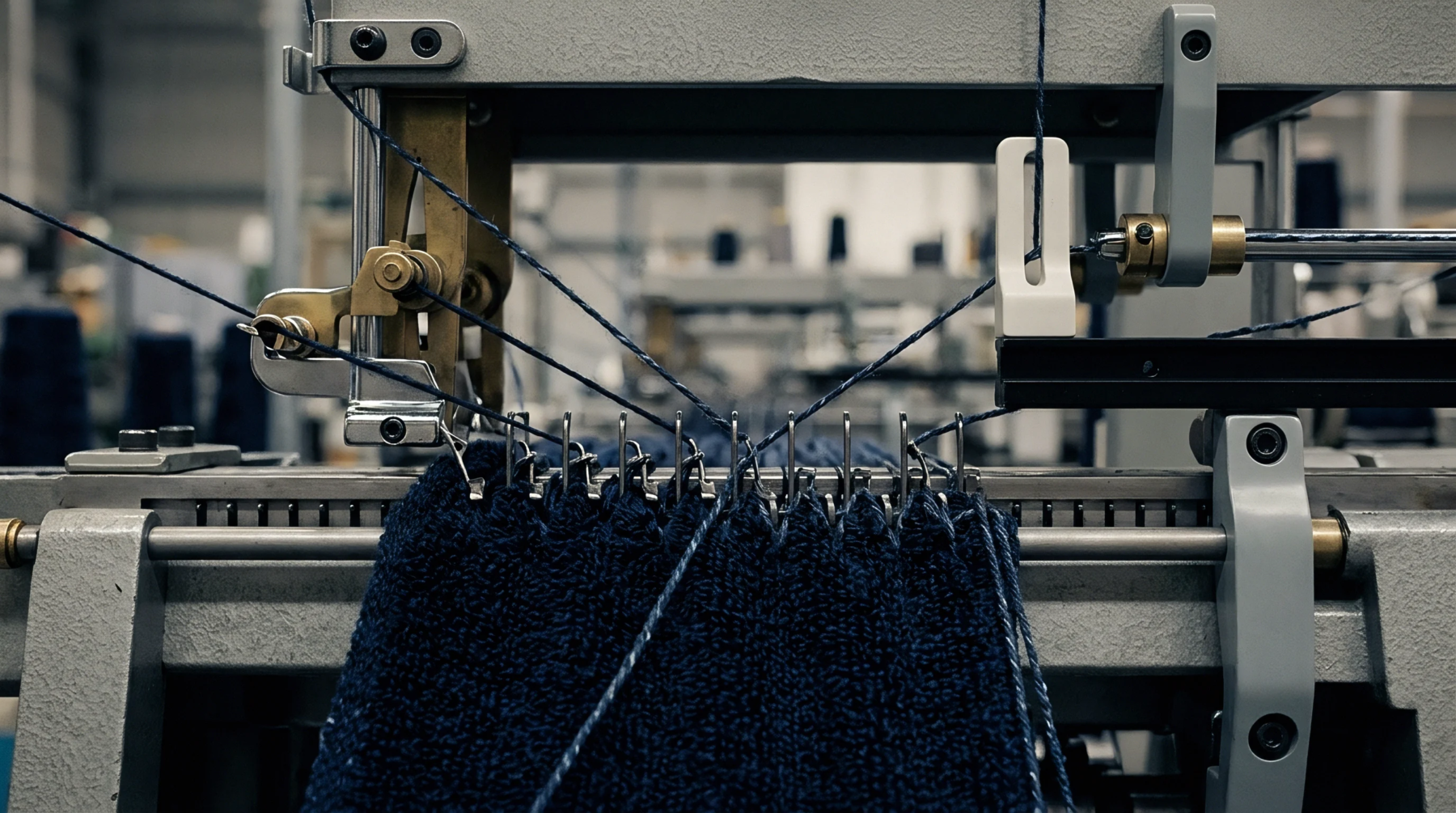
Predictive geometric loop length control synchronizes electronic beam let-off with elastomeric draft mechanics to ensure absolute structural consistency.

Balance positive feeder tape speeds and stitch cam depths to hold yarn run-in within one percent across feeds, eliminating structural barré in finished knits.
Plied yarns neutralize torsional spirality within the strand cross-section, while alternate feeds distribute opposed stresses across alternating courses.

Predictive loop length modeling establishes exact single jersey finished weight and dimensions by linking yarn count to Munden relaxation constants.

Evaluating resin degradation under industrial laundering requires measuring covalent ether bond scission against tensile loss over fifty ISO 15797 cycles.

Single jersey spirality is controlled by capping yarn twist multiplier below 3.5, optimizing loop tightness, and autoclaving to neutralize torsional torque.

Enforce textile custody across commission finishing by combining physical selvage tracers, strict mass balance boundaries, and enforceable bailment terms.
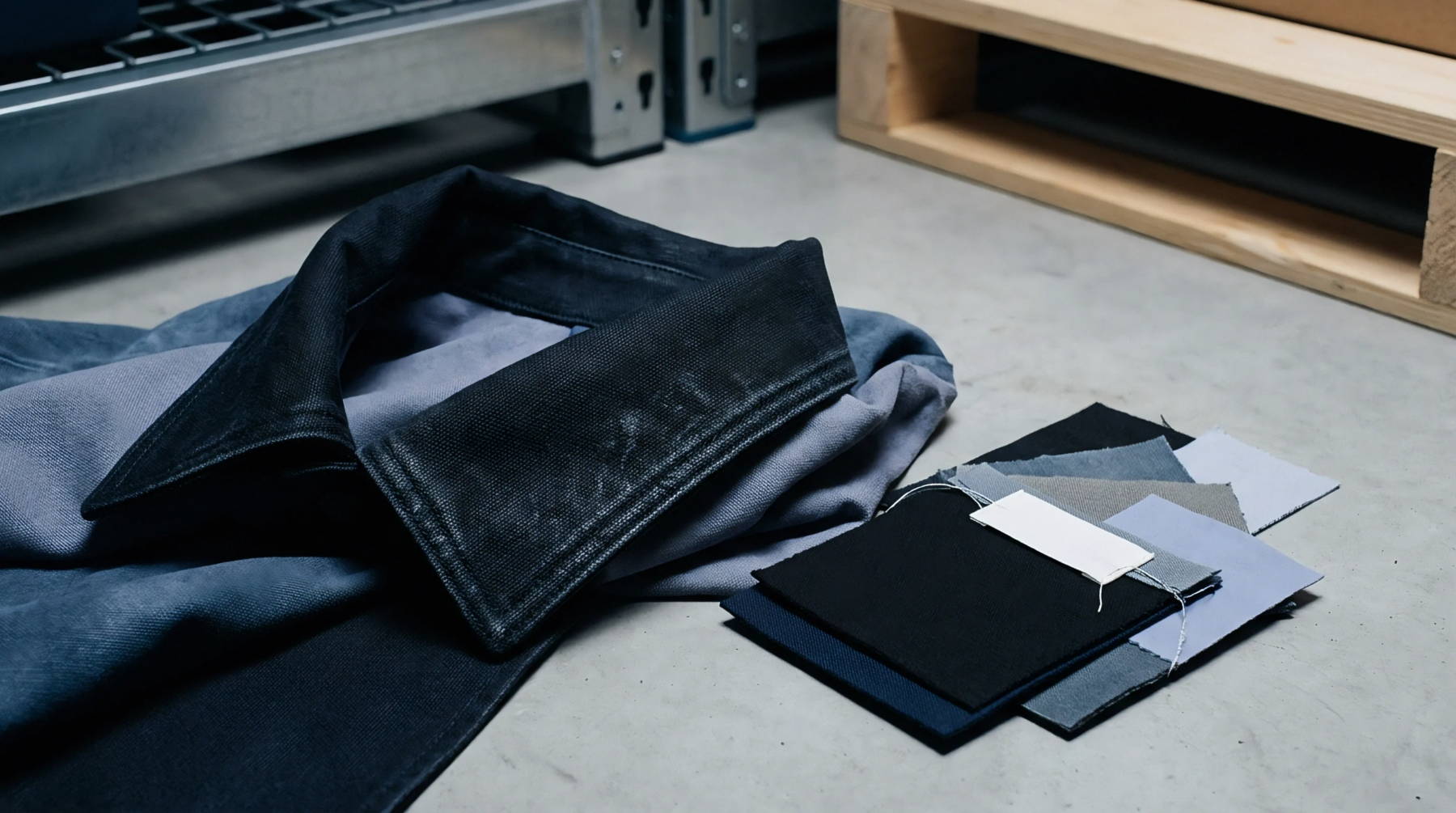
Secondary heat exposure drives disperse dyes into surface finishing oils; specify high-energy dyes and heat-tested rub fastness after stenter finishing.

Audit scopes must encompass spinning inputs through subcontract finishing lines to hold prime vendors liable for latent wet processing defects.
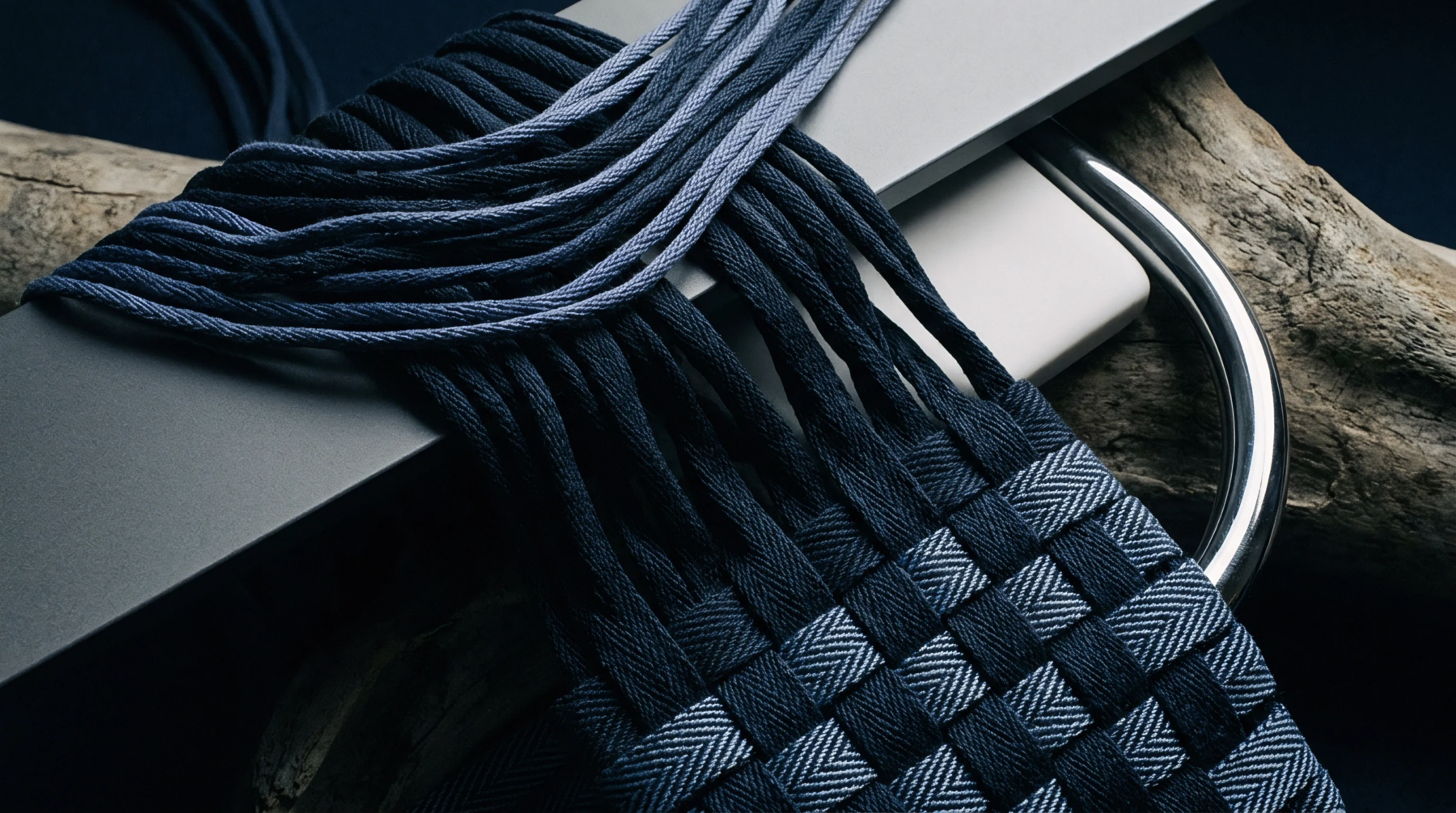
Real-time conductivity-controlled electrolyte dosing stabilizes dye uptake on variable greige duck by throttling salt delivery to match fiber wetting rates.

Parabolic salt dosing prevents ring dyeing in heavy duck by matching electrolyte delivery to liquor diffusion rates across compact yarns.
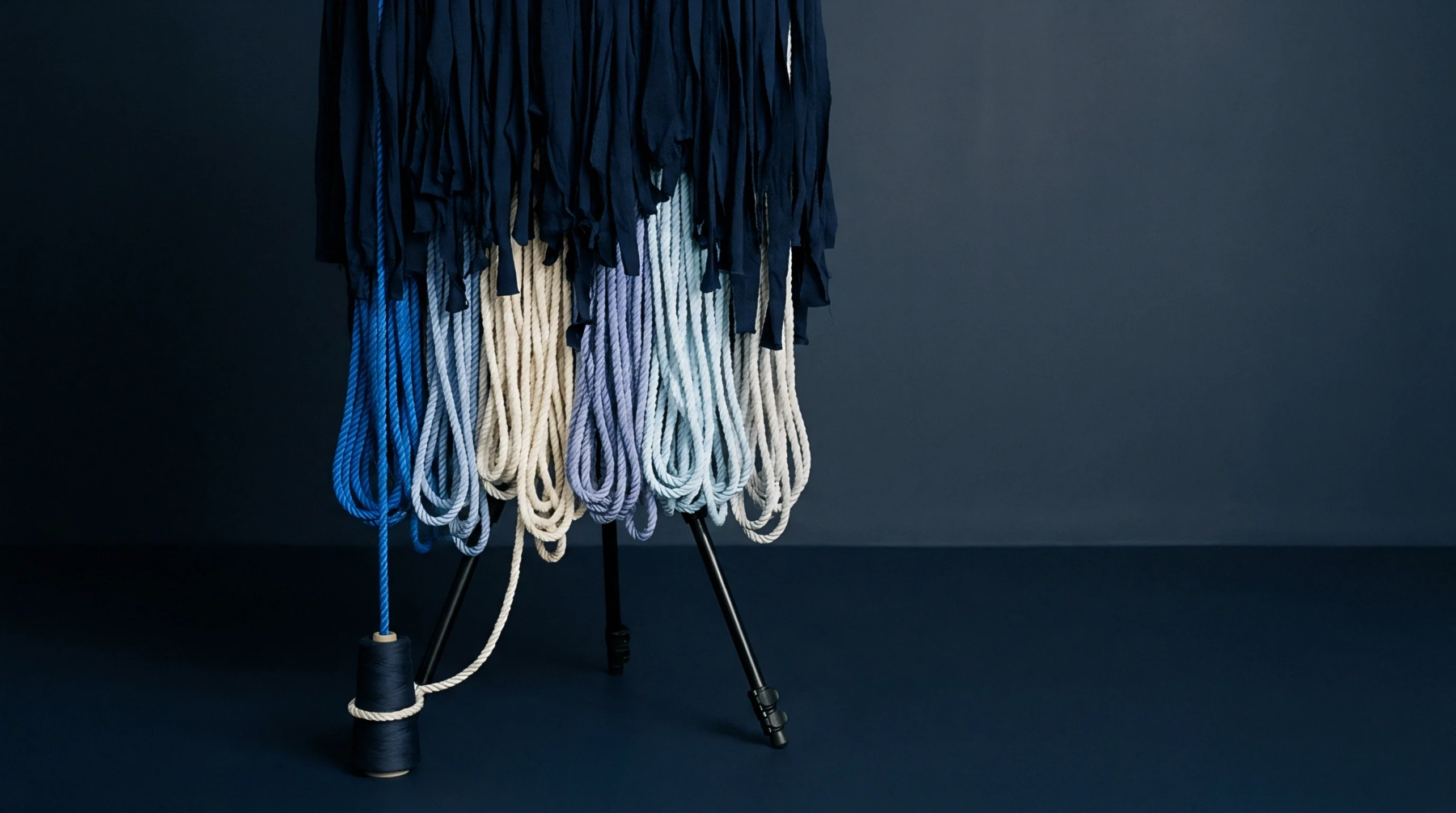
Controlled progressive dosing of neutral electrolytes prevents premature reactive strike and surface ring dyeing across dense plied cotton duck yarns.
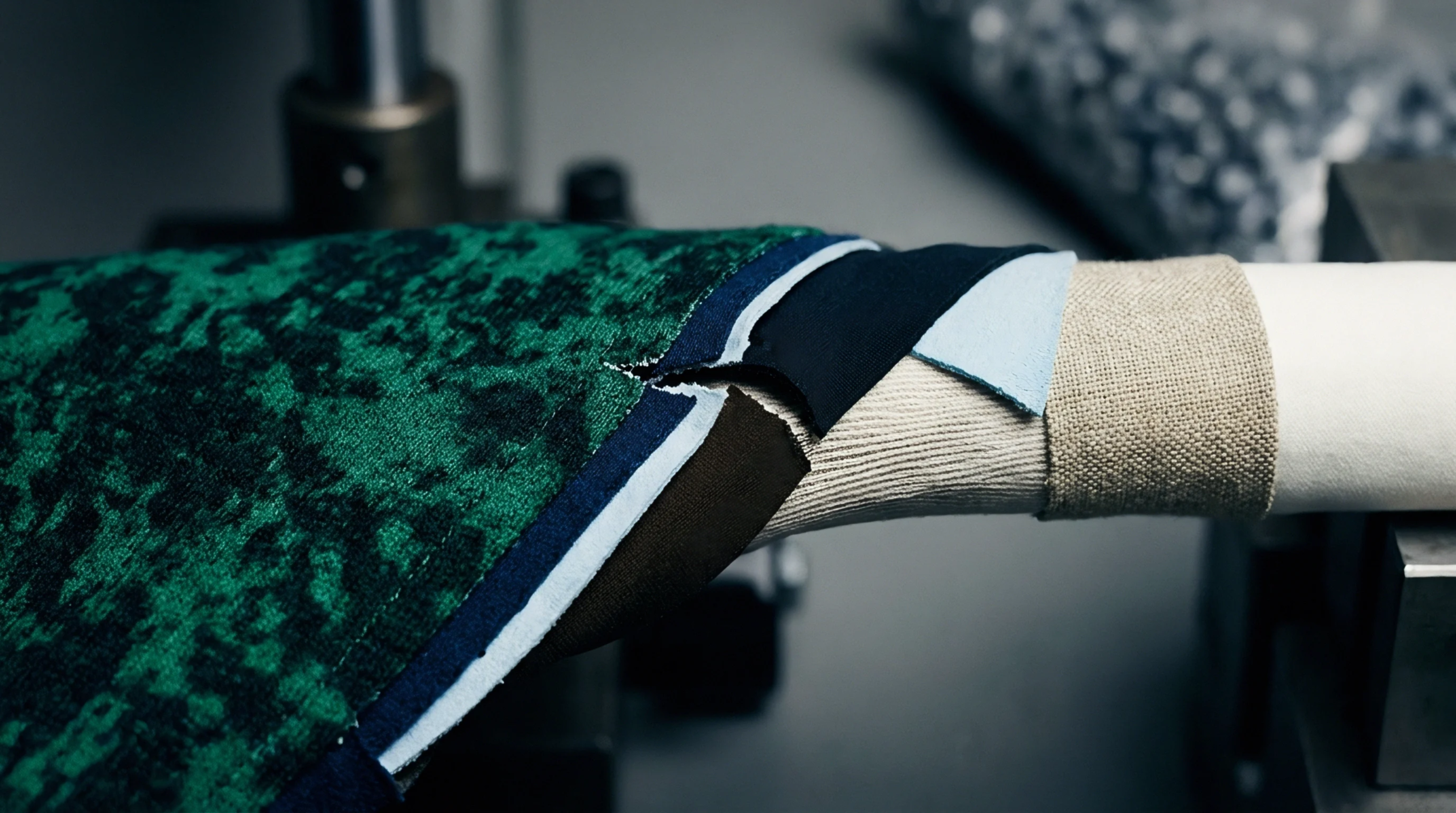
Dynamic yarn cross-sectional flattening expands major axis boundaries, defining absolute physical weaving limits and preventing bulk loom jamming failures.

Hydrothermal finishing minimizes woven biaxial strain energy by plasticizing fiber bonds, allowing tensionless crimp interchange to set stable dimensions.
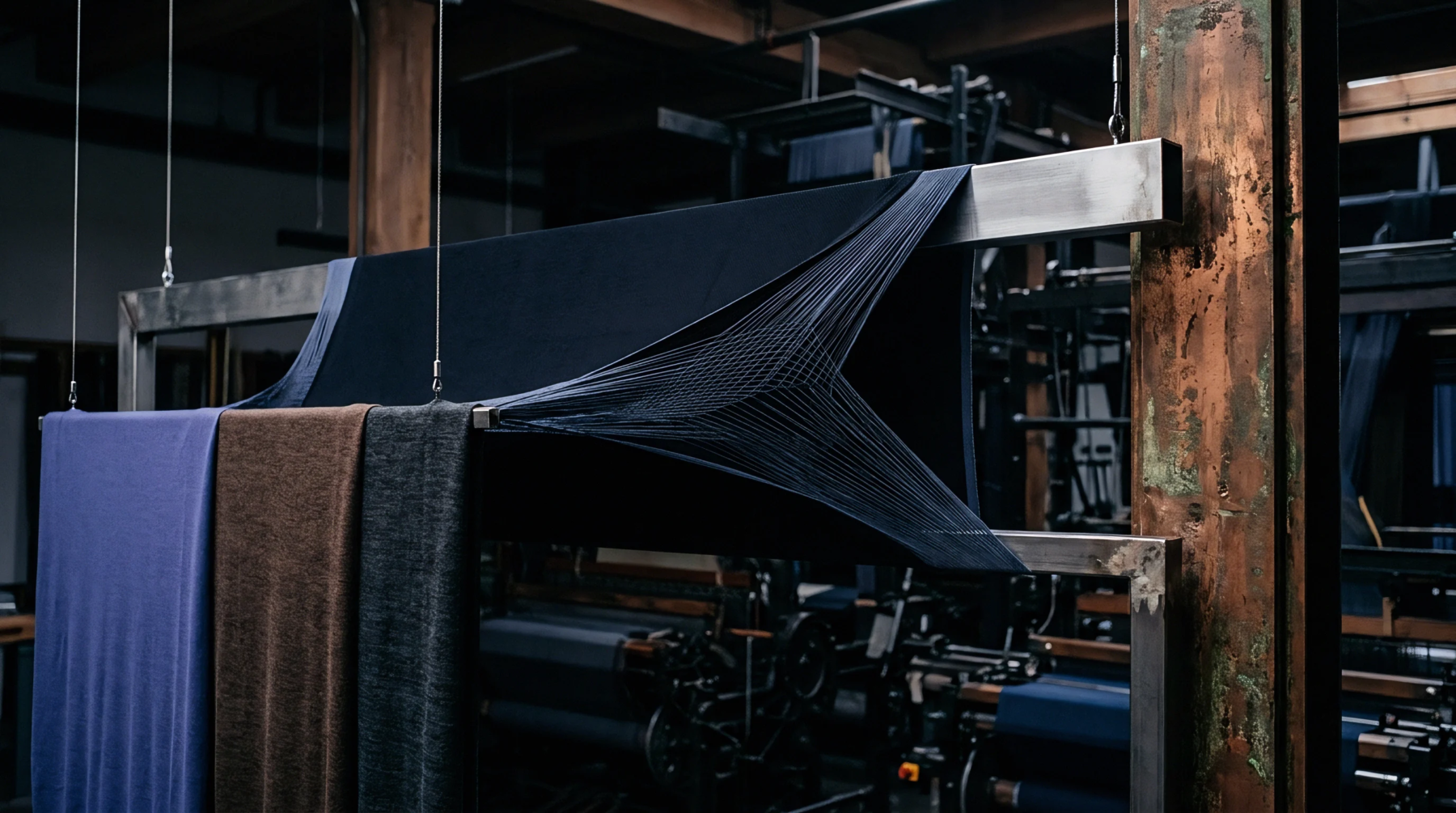
Finished fabric density derives directly from loom reed spacing and total length shrinkage across wet processing.

Nested two-stage variance decomposition isolates between-roll drift from within-roll position gradients to enforce contract sett tolerances in bulk fabric orders.

Variables acceptance sampling under ISO 3951-1 cuts greige sett verification roll swatches by sixty percent while mathematically securing downstream yields.
Expertise is a utility, not a secret. sentiention™ publishes its working knowledge as open reference: intelligence layer covering the materials it sources, the markets it enters, and the reference that serves both.